Diverse Valley Communities
Guides explain languages, settlement histories and livelihood differences so visitors do not treat park-edge populations as a single cultural group in this borderland region.


A Semuliki National Park cultural safari takes travelers into one of Uganda's most distinctive landscapes, where Central African rainforest ecosystems meet the communities of the Semliki Valley.
A Semuliki National Park cultural safari takes travelers into one of Uganda's most distinctive landscapes, where Central African rainforest ecosystems meet the communities of the Semliki Valley. Located in western Uganda near the Democratic Republic of Congo, Semuliki National Park is famous for exceptional birdlife, the spectacular Sempaya Hot Springs, lowland tropical forest and wildlife species more closely associated with Central Africa than the East African savannah.
Culture adds another fascinating dimension to this unusual destination. Communities living around the Semliki Valley include people with different histories, livelihoods and relationships with the forest and surrounding landscape. Among them are Batwa communities with long historical connections to forest environments.
A cultural safari can include community walks, storytelling, traditional music, agricultural visits, craft demonstrations and carefully managed Batwa heritage experiences.
When combined with birding, forest exploration and the Sempaya Hot Springs, these activities make Semuliki an excellent destination for travelers looking beyond Uganda's conventional gorilla and savannah safari circuit.
Semuliki lies in the remote western part of Uganda within the Albertine Rift. The park occupies part of the Semliki Valley and protects an eastern extension of the vast Ituri forest ecosystem of the Congo Basin — explaining its unusual biodiversity and Central African affinities. The landscape is dramatically framed by the Rwenzori Mountains to the southeast and escarpments toward the west.
Plan Your Cultural Safari
Guided village walks provide an opportunity to experience everyday life outside Semuliki National Park. Routes can pass farms, homes, markets and community projects in the hot, humid valley.
Walking with a local guide allows travelers to ask questions and understand activities that would otherwise be easy to misinterpret — while providing economic opportunity for local guides.
Responsible Batwa cultural experiences may introduce plants, historical hunting and gathering techniques, songs and storytelling. Approach with dignity: participants are contemporary people whose culture should not be presented as if they exist only in the past.
The Sempaya Hot Springs are the park's most famous attraction — geothermal features with dramatic hot water, often described locally as male and female springs. Guided walks pass forest with birds and monkeys; cultural stories accompany scientific context. Follow guide instructions — water can be dangerously hot.
Forest walks reveal a warmer, more humid lowland atmosphere than Bwindi. Wildlife sightings can be unpredictable; appreciate the ecosystem as a whole and add culture for a diverse itinerary.
Photography of landscapes, birds and the hot springs can be excellent. Always ask permission before photographing community members.
A Semuliki cultural safari can include several complementary experiences. Exact programmes vary by community partner — responsible arrangements emphasise dignity, local management and fair income.
In remote western Uganda within the Albertine Rift, Semuliki protects an eastern extension of the Congo Basin's Ituri forest. Central African plant and bird affinities, Rwenzori views to the southeast and access via Fort Portal make it easy to combine with Kibale, the Rwenzoris and Queen Elizabeth.

The valley is culturally diverse — agriculture, livestock, fishing, trade and forest resources shape different livelihoods. Guided tours prevent treating surrounding populations as one culture. Guides explain languages, settlement histories and cross-border trade connections that have long extended beyond modern national boundaries.
Batwa communities have long associations with forest environments across western Uganda and the Great Lakes. Land use and conservation have changed these relationships. Responsible experiences share traditional knowledge and histories while generating income. Participants should determine how heritage is interpreted — as contemporary people, not relics of the past.

Routes pass farms, homes, markets and projects. Visitors see crops and learn how households adapt to hot, humid valley conditions. Locally managed walks help distribute safari revenue beyond entrance fees and accommodation — valuable for sustainable tourism.

Community tours introduce bananas, cassava, maize, beans and other crops shaped by local climate. Farm visits contrast protected forest with household food production and open discussion of rainfall, soil fertility and wildlife moving beyond park boundaries.

See ingredients in a garden or market before observing preparation. Meals depend on host community and season. Food connects agriculture, family roles and hospitality — sharing a meal often creates more relaxed conversations than formal performances alone.
Performances may express celebration, history and identity. Ask guides to explain songs and dances. Storytelling is especially useful here — forests, migration and cross-border connections shape local history in ways wildlife-only safaris cannot convey.
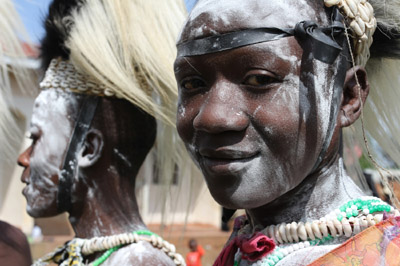
Artisans may produce baskets, mats, jewelry and handmade products. Visit craft groups, observe techniques and buy directly at fair prices. Enterprises can be especially valuable for women and young people seeking tourism livelihoods.
Extremely hot water emerges dramatically from the ground, commonly associated with male and female springs; the larger geyser-like activity is particularly impressive. Guided walks through forest offer birds, monkeys and vegetation plus cultural stories — one of Uganda's best nature-and-culture single excursions. Stay on designated paths.
Natural landmarks acquire cultural meanings over generations. Guides explain stories and beliefs historically associated with geothermal features — insight into how communities understood dramatic phenomena before modern geology. Listen respectfully; cultural and scientific explanations can coexist.
Congo Basin connections mean species difficult or impossible elsewhere in East Africa. Specialist birders often include Semuliki on longer Uganda birding tours. Community walks through forest edges, farmland and wetlands also produce interesting sightings — culture and birding combine easily.

Lowland tropical forest feels warmer and more humid than high-altitude forests such as Bwindi. Walks reveal butterflies, primates, birds and unusual vegetation. Dense forest wildlife is unpredictable — appreciate the ecosystem as a whole and add cultural activities for variety.
The wider ecosystem supports several primate species; monkeys may appear during forest activities. For chimpanzees as a main priority, combine with Kibale National Park — two very different forest environments within the western Uganda circuit.

Semuliki works best as part of a western Uganda journey that contrasts lowland rainforest, chimpanzees, mountains, savannah and gorillas.
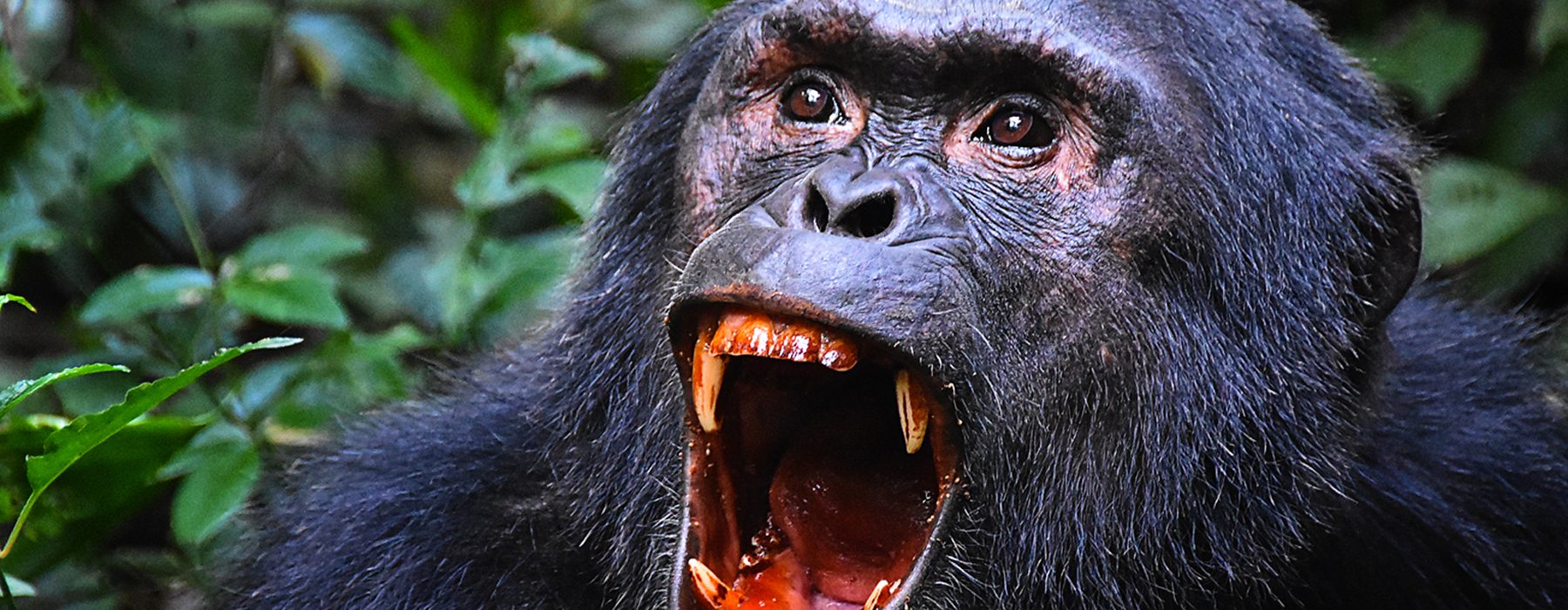
Kibale offers chimpanzee trekking and diverse primates; Semuliki adds Congo Basin birdlife, hot springs and lowland forest. Fort Portal is a convenient base between the two, with cultural activities possible around both.
Best for: Forest + primate circuits
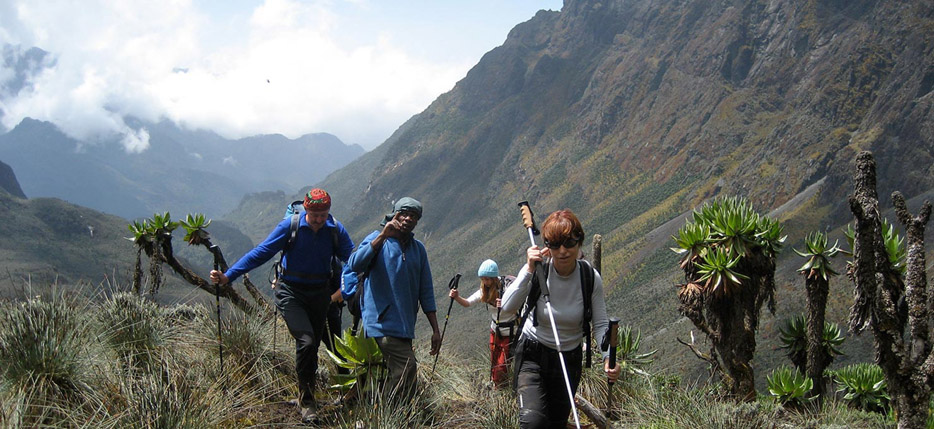
Hot lowland forest meets cool mountain landscapes in a short regional journey. Short Rwenzori hikes, Bakonzo culture and longer treks suit active travelers and photographers.
Best for: Active & photo itineraries

Add savannah game drives and the Kazinga Channel, then continue to Bwindi for mountain gorillas — chimpanzees, unusual birds, wildlife and gorillas on one diverse western route, with cultural differences throughout.
Best for: Full western Uganda safaris
Village walks, food experiences, crafts and the Sempaya Hot Springs (with careful supervision) can work well for families when paced for heat and humidity.
Birding-focused mornings pair naturally with afternoon community time for travelers who prefer gentle exploration over long game drives.
Discuss malaria prevention, hydration and insect protection with your planner — the valley is warmer than highland gorilla destinations.
Ask for community partners that welcome families and clear photography guidelines for children.
Plan a Family Cultural Safari
Semuliki can be visited throughout the year, but rainfall influences road and trail conditions. Relatively drier periods around December to February and June to August may make walking easier.
The park is a humid forest environment and rain can occur at any time. Birding conditions vary by species and seasonal movements — specialist birders should discuss targets and timing with an experienced guide.
Cultural activities generally remain available throughout the year.
Two nights can provide a useful introduction — Sempaya Hot Springs, a forest or birding walk and a short cultural experience.
Three nights are better for travelers interested in both culture and specialist birding. Serious birdwatchers may need considerably longer because locating particular forest species takes patience.
Semuliki also works well as a two- or three-night component of a larger western Uganda itinerary with Kibale, the Rwenzoris, Queen Elizabeth and Bwindi.
Tell your planner whether Batwa heritage, agriculture, hot springs stories, crafts or birding is the priority so community partners and park time are sequenced sensibly.
Park rules at the hot springs and on forest trails are mandatory — confirm guide arrangements and what fees are included when you book.
Adventure in the Wild Safaris can match you with community programmes where fees and craft purchases support Semliki Valley residents directly.
Browse Uganda Safaris
A responsible Semuliki cultural safari should provide direct benefits to participating communities while protecting fragile forest and geothermal sites.
Respect for privacy and park safety is as important as paying agreed fees — hosts are neighbours, not exhibits.
Semuliki's low elevation makes it warmer than Bwindi and the Rwenzori highlands — dress for heat, humidity and insects.
Consult professional travel-health advice before visiting Uganda, especially regarding malaria prevention and routine vaccinations.
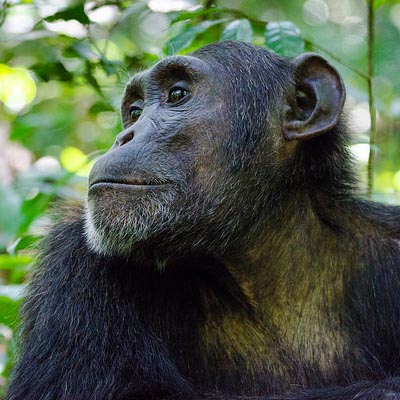
Travelers usually access Semuliki from Fort Portal and the wider western Uganda tourism circuit.
Tell us how deeply you want Batwa heritage, farming and birding when you enquire.
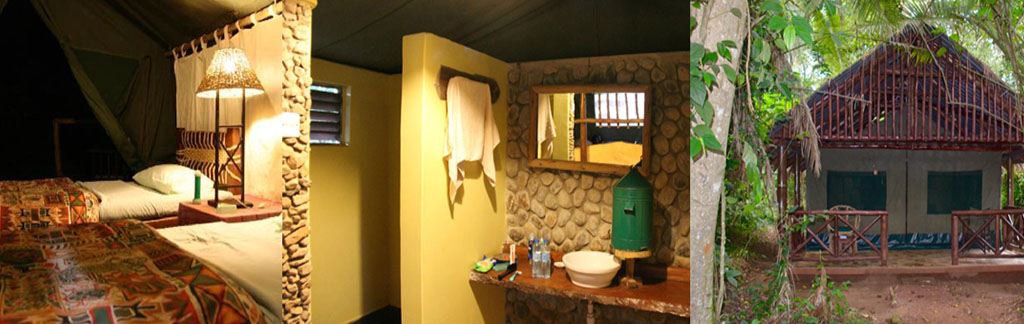
Bases near Fort Portal or closer to the park can work with community partners for walks, crafts and heritage visits. Confirm transfer times to Sempaya and village programmes.
A particularly rewarding route combines Semuliki, Kibale, the Rwenzoris, Queen Elizabeth and Bwindi — birding, chimpanzees, hiking, game drives, boat safaris, gorilla trekking and multiple cultural encounters.
Pair your cultural safari with birding, wildlife, photography or family experiences in the same area.
 Bird Watching
A birding safari in Semuliki National Park is one of the most exciting experiences available to serious birdwatchers…
Learn More
Cultural Experiences
A cultural safari in Kibale National Park discovers the communities, traditions and rural landscapes surrounding Uganda’s most famous…
Learn More
Cultural Experiences
A Rwenzori Mountains cultural safari introduces travelers to the people, traditions and agricultural landscapes surrounding one of Africa's…
Learn More
Cultural Experiences
A Queen Elizabeth National Park cultural safari introduces the communities, traditions and everyday livelihoods surrounding one of Uganda's…
Learn MoreProgrammes may include community walks, Batwa heritage experiences, farming visits, traditional food, music and crafts, Sempaya Hot Springs with cultural stories, and forest or birding walks. Exact activities depend on partners.
Two nights introduce hot springs, a forest or birding walk and short culture. Three nights suit culture plus specialist birding; serious birders may stay longer.
Yes. Semuliki combines naturally with Kibale chimpanzees, Rwenzori foothills, Queen Elizabeth wildlife and Bwindi gorillas.
Yes when paced for heat and humidity. Village walks, food, crafts and carefully supervised hot springs visits can work well.
Year-round for culture. Dec–Feb and Jun–Aug often ease walking; rain can occur anytime in this humid forest.
Ask first for people. A cultural tour fee does not grant unrestricted photography rights; guides can help with respectful introductions.
Use local guides, buy crafts fairly, avoid gifts to children, follow park rules at hot springs and trails, and treat Batwa heritage with dignity.
Ready for a Richer Western Journey?
Tell us your dates, birding interests and how deeply you want community engagement — Adventure in the Wild Safaris will weave hot springs, forest walks and cultural visits into one seamless western Uganda trip.