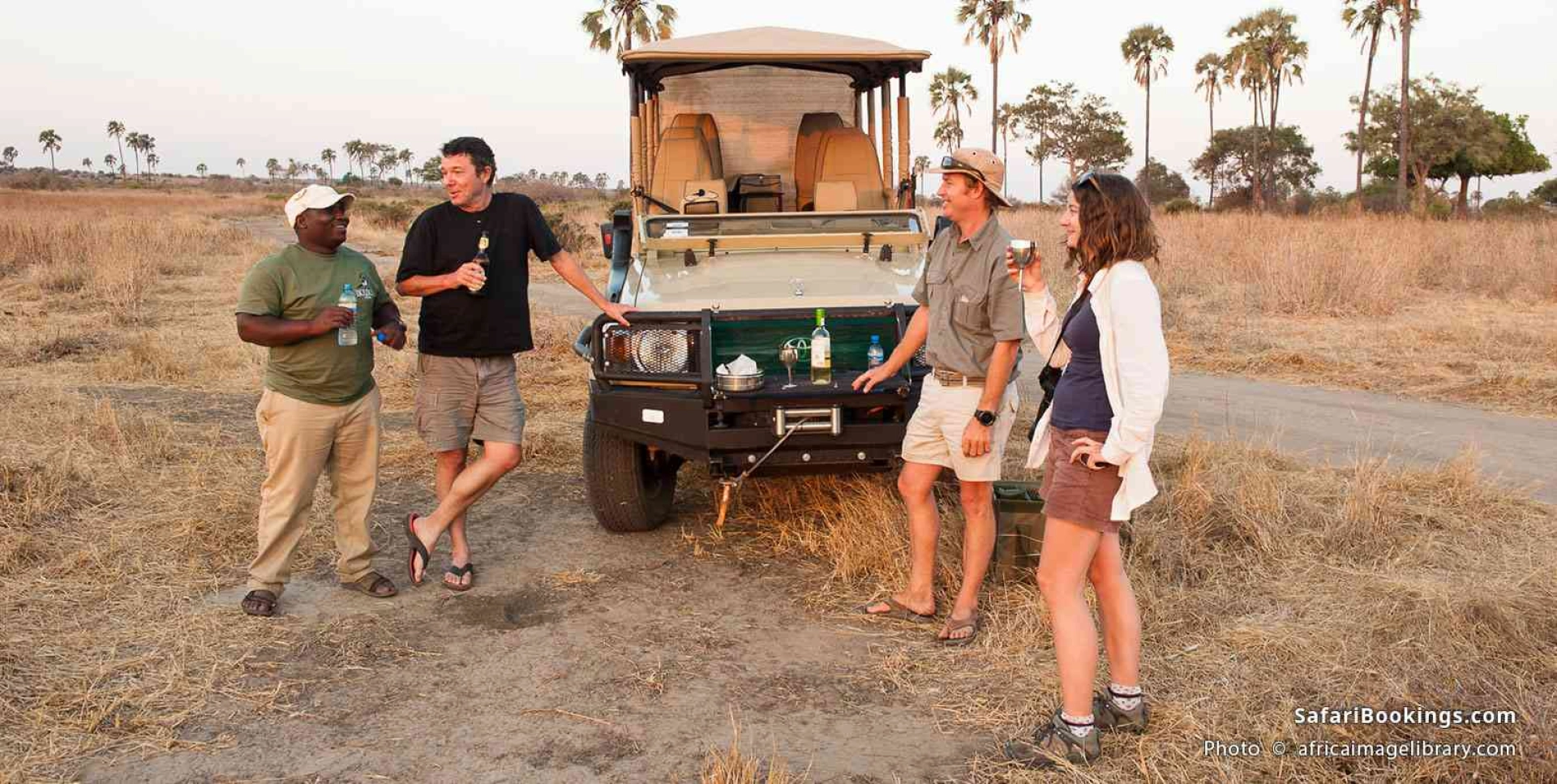
Tipping in Zambia: Complete Safari, Walking Safari & Travel Tipping Guide
Understanding tipping in Zambia is particularly useful for safari travellers because Zambia is famous for highly personalised wilderness…
Read article

Travel Guide
A day on safari in South Africa begins earlier than most holidays. Long before resort breakfasts, city traffic or ordinary sightseeing tours begin, safari travellers may already be awake, dressed and drinking coffee in the darkness.…
A day on safari in South Africa begins earlier than most holidays. Long before resort breakfasts, city traffic or ordinary sightseeing tours begin, safari travellers may already be awake, dressed and drinking coffee in the darkness. Outside, the bush is cool. Stars may still be visible. Somewhere beyond camp, a lion may call. Birds have not yet begun the full dawn chorus. Guides check vehicles. Guests gather quietly. Then engines start. Within minutes, the safari day has begun.
This early schedule initially surprises first-time visitors, but it exists for a reason. Wildlife activity and temperature change dramatically across the day. Many predators are more active during cooler periods. Herbivores begin moving and feeding. Tracks from the night remain fresh. Birds become active around sunrise. The light is also far more attractive for photography.
SANParks specifically notes that early mornings and evenings are usually the most productive game-viewing periods in Kruger National Park. This rhythm — early drive, long midday break, afternoon or evening drive — forms the basic structure of many South African safari days, particularly at private reserves and lodge-based safari properties. However, not every South African safari operates identically. A guest self-driving through Kruger National Park will have a different routine from someone staying at a luxury lodge in a private Greater Kruger reserve. A family may use shorter drives. A photographer may stay out longer.
A private vehicle can alter the schedule completely. Understanding these variations helps travellers choose the safari style that suits them.
Wake-up time depends on season and lodge, but safari mornings often begin around dawn or slightly beforehand. At private lodges, staff may provide a wake-up call. Guests dress quickly. There is rarely time or need for an elaborate morning routine. Safari clothing is practical. Neutral layers. Closed shoes or comfortable footwear. Hat for later. Camera. Binoculars. A light fleece or jacket may be necessary even during seasons when afternoons become hot. Open safari vehicles can feel surprisingly cold before sunrise because moving air magnifies the temperature.
The most common first-timer packing mistake is assuming “Africa equals hot.” South African safari mornings can be genuinely chilly.
Many lodges provide tea, coffee and a small snack before departure. This is not usually the main breakfast. It is fuel for the first several hours outside. The atmosphere is quiet. People are still waking. Guides may discuss the previous evening’s sightings or ask what guests hope to see. At this stage, safari expectations are often reduced to famous animals: Lion. Leopard. Elephant. Rhino. Buffalo. By the third or fourth morning, guests frequently begin asking different questions. Where are the wild dogs? Can we look for a particular owl? What made those tracks beside the road?
That evolution is part of safari.
The vehicle leaves camp as light begins appearing. In official Kruger guided operations, SANParks states that morning drives depart before normal gate opening and typically last around three to three-and-a-half hours, with timing changing according to season. Private reserves operate according to their own schedules and rules, but the same general ecological principle applies. Morning is valuable. Tracks are fresh. Predators may still be active. Temperatures are comfortable. The guide is not simply driving randomly. They are reading the landscape.
Experienced guides search for evidence. Fresh lion tracks. Leopard footprints. Hyena movement. Alarm calls from antelope or monkeys. Vultures beginning to gather. Elephants breaking vegetation. Other safari vehicles reporting activity. The road itself becomes a source of information. A track crossing the road can indicate direction and timing. The guide may stop, reverse and inspect it. To a first-time traveller, the mark may look like nothing. To an experienced guide, it can change the entire morning.
Finding wildlife after following signs creates a completely different emotional response from seeing an animal immediately beside the lodge. Suppose fresh leopard tracks appear. The guide studies them. The vehicle follows slowly. Guests begin checking every tree. Minutes pass. Nothing. Another track appears. Then an antelope alarm call sounds. The guide changes direction. Finally, someone sees a tail hanging from a branch. The leopard was there all along. That sequence transforms the sighting from observation into discovery.
South African safari landscapes can be exceptionally beautiful around sunrise. Light spreads through woodland. Mist may sit above river areas in cooler periods. Birds become increasingly active. Giraffes create silhouettes. Elephants appear through golden dust. Photographers quickly understand why guides prioritise early departure. The same lion photographed at midday under harsh overhead sunlight can look completely different at sunrise.
No. And it should not be. South Africa is famous for the Big Five — lion, leopard, elephant, rhinoceros and buffalo — and Kruger is strongly associated with the opportunity to see them. SANParks itself identifies Kruger as a major Big Five destination. But a safari becomes far richer when travellers stop measuring every drive according to whether all five appeared. Giraffes matter. Wild dogs matter. Hyenas matter. Birds matter. Dung beetles matter. Antelope behaviour matters.
Trees matter. Predator tracks matter. The ecosystem is the safari.
Some travellers arrive determined to see all five famous species before dinner. It can happen. But making this the sole objective encourages rushed game viewing. The vehicle leaves interesting elephant behaviour because somebody wants a leopard. It abandons a hyena den because rhino has not yet been seen. It drives too quickly through beautiful habitat. SANParks advises Kruger visitors not to attempt covering too much ground and notes that slow travel and regular stopping can produce better wildlife experiences. That principle applies far beyond self-drive tourism.
Good safari is not a race.
A safari morning often develops around one or two significant sightings. Perhaps lions are lying beside the road. Maybe elephants are feeding around a watercourse. Perhaps a leopard is moving through woodland.
The guide positions the vehicle responsibly. Engines may be turned off. Conversation becomes quiet. Then the most valuable part begins: waiting. Wildlife photography encourages people to take the picture immediately and leave. Experienced safari travellers learn to remain. A sleeping lion may wake. An elephant may approach. A leopard may descend from a tree. Animal behaviour takes time.
Many private reserves adjoining or associated with the Greater Kruger ecosystem operate open safari vehicles with professional guides and, in some cases, trackers. This can create a highly intensive wildlife experience. Vehicle numbers around sightings may be managed under reserve rules. Guides may have more flexibility on designated off-road tracking under applicable reserve policies. The precise experience depends on the reserve. This is why “Kruger safari” is not one uniform product.
Kruger National Park itself offers enormous scale, public roads, rest camps and self-drive freedom. Private reserves offer lodge-centred guided experiences. The wildlife ecosystem can be closely connected in unfenced areas, but tourism style differs significantly. Self-drive Kruger travellers make their own decisions. Private-reserve guests rely heavily on guides. Neither approach is universally better. They appeal to different travellers.
On some private-reserve drives, guides may stop in a safe area for coffee or tea. This becomes an unexpectedly memorable part of safari. Everyone leaves the vehicle only where the guide determines it is appropriate. The wilderness suddenly feels larger without the vehicle around you. You hear birds. The air has warmed slightly. Guests discuss the morning’s sightings. The stop is short but useful. It breaks a three- or four-hour drive into manageable sections.
Inside a safari vehicle, travellers feel protected and elevated. Standing on the ground makes the bush feel completely different. Tracks become visible. Sounds become clearer. The scale of the landscape changes. This is one reason guided walking safaris can become so powerful. SANParks offers guided wilderness and walking experiences in Kruger, emphasising immersion in the natural environment rather than only vehicle-based viewing.
As the sun rises, temperatures increase. Nocturnal predators may become less active. Lions frequently begin looking for shade. Leopards may disappear into thicker cover. Herbivores continue feeding. Elephants remain active depending on conditions. Birdlife can become increasingly prominent. The guide adjusts strategy. Rather than endlessly searching for predators, the drive may move toward water, riverine habitat or other productive zones.
Elephants are often among the most memorable animals on a South African safari. A herd may appear quietly despite the animals’ enormous size. Branches break. A trunk lifts. Calves remain between adults. Young bulls test each other. Watching from a stationary vehicle allows guests to observe social behaviour. The guide explains body language. Ear position. Movement. Vocalisations. A close elephant sighting is impressive. Understanding what the elephants are communicating is far more interesting.
Rhino viewing can be deeply moving because travellers understand the conservation pressures facing these animals. Guides may deliberately avoid discussing sensitive location information. Travellers should follow the same principle. Avoid publishing precise real-time rhino locations online. Conservation sometimes requires silence. Safari is not only about access. It is also about responsibility.
Buffalo frequently receive less attention than lions or leopards until travellers encounter a large herd. Hundreds of animals moving together can be extraordinary. Oxpeckers move across their backs. Calves remain protected. Older bulls may gather separately. The herd structure gives guides an opportunity to explain social organisation and predator risk.
After several hours, breakfast becomes increasingly attractive. The vehicle returns toward camp. This final section can still produce extraordinary sightings. Experienced safari travellers know never to put the camera away too early. A leopard can cross the road within five minutes of the lodge. Wild dogs can appear after an otherwise quiet morning. Safari has no respect for schedules.
Breakfast at a safari lodge often feels substantial because guests have already lived half a day’s adventure. Conversation centres on sightings. Different vehicles compare experiences. One group saw lions. Another found wild dogs. Someone saw a leopard.
Another vehicle spent forty minutes with elephants. This is another important lesson: Vehicles leaving the same lodge can have completely different mornings. Wildlife unpredictability means no two drives are identical.
First-time safari visitors sometimes look at the itinerary and wonder why several hours appear empty. Those hours are essential. The midday period is when guests recover. Shower. Read. Download photographs. Use the swimming pool. Sleep. Have coffee. Watch wildlife from the lodge. The bush itself also slows as temperatures rise. Many predators rest. Trying to conduct nonstop game drives from dawn to dusk every day can become exhausting.
A well-positioned safari lodge is not merely somewhere to sleep. Waterholes may attract animals. Birds move through gardens. Monkeys or antelope may pass nearby. An elephant could appear beyond the deck. Guests who constantly rush between formal activities sometimes miss these quieter encounters. A safari lodge should provide space to observe.
This is also the time to manage photographs. Back up files. Charge batteries. Clean dust from equipment carefully. Prepare memory cards. Photographers on long safaris should ideally maintain redundant backups. Losing an entire week’s photographs because one memory card fails is avoidable.
It may sound unproductive. It is not. If tomorrow’s wake-up call is again before sunrise, sleep matters. Safari fatigue accumulates gradually. Travellers become less observant. Patience declines. Enjoyment decreases. An hour of sleep can improve the next game drive more than another hour sitting beside the pool scrolling through photographs.
Lunch is generally lighter than dinner at many safari lodges, though the exact style varies widely. At high-end camps, dining can itself become a major hospitality experience. At simpler rest camps, travellers may prepare food or use restaurants. The South African safari market contains an enormous range. A typical day at a private lodge should not be assumed to represent all Kruger travel.
Self-drive visitors have even greater flexibility. They may stop at a rest camp or picnic site. SANParks notes that Kruger contains multiple visitor areas, picnic sites and designated get-out points. This infrastructure makes the park unusually accessible for independent travellers. Families can take long breaks. Photographers can plan routes around light. Budget travellers can self-cater.
Exact departure times vary seasonally. As temperatures begin dropping, the bush gradually becomes more active. Guests gather again. Camera batteries are fresh. Water bottles are filled. A jacket may be carried for the return after sunset. The afternoon game drive begins with a different energy from morning.
Morning tracking may have established where predators were located. Guides consider whether animals are likely to remain nearby. Elephants may move toward water. Rhinos continue feeding. Bird activity changes. The guide also listens to reports from other vehicles while making independent decisions. The objective is not necessarily to repeat the morning. A strong guide tries to create variety.
As the sun lowers, photography improves. Harsh shadows soften. Grass becomes warmer in colour. Dust glows behind moving animals. Giraffes and elephants become especially photogenic. Even common species become visually dramatic. This is why afternoon drives often begin quietly and become increasingly exciting toward sunset.
Lions resting through the afternoon may begin stretching. Leopards become more active. Hyenas move. Nocturnal species prepare to emerge. The bush transitions between two ecological shifts: daytime animals slowing and nighttime animals beginning. This is one of the most fascinating periods to be outside.
Private safari lodges often incorporate a drink stop where appropriate. The cultural idea of the safari “sundowner” is well established. But the sunset itself should remain central. The South African bush can become spectacular as the horizon changes colour. Bird calls shift. Temperature drops quickly. Guests who spent the afternoon chasing wildlife suddenly stop and simply look. This contrast matters. Safari should include moments when nothing needs to be found.
In private reserves and authorised guided activities, the return to camp may continue after dark. SANParks’ official Kruger sunset drives leave before dusk and return after sunset, while night drives begin later and are specifically designed to reveal nocturnal wildlife. This nighttime environment feels completely different. Visibility shrinks. The spotlight reveals fragments. Eyes reflect. Sounds become more important.
Species that remain difficult to see during daylight can become active. Hyenas may patrol. Owls hunt. Genets or civets may appear depending on area and luck. Predators become more mobile. The guide scans carefully. Night drives remind travellers that daytime safari shows only one part of the ecosystem.
Professional guides understand how artificial light should be used around wildlife.
Travellers should never demand that animals be aggressively spotlighted simply for photographs. Particularly sensitive behaviour requires judgement. Ethical safari guiding prioritises wildlife welfare over images.
The vehicle approaches camp. The air is cooler. Guests are often tired in the satisfying way that follows several hours of concentrated observation. At some lodges, staff may greet guests. There may be drinks. Guests return briefly to their rooms. Showers happen quickly. Dinner follows.
Dinner is a major social part of the day. At intimate camps, guests may eat together. At others, private tables are standard. Some lodges serve dinner around a boma or outdoor fire when conditions permit. Conversation inevitably returns to wildlife. The extraordinary thing is how quickly ordinary life disappears. Emails that felt urgent two days earlier seem remote. The main question becomes whether the leopard might still be near the river tomorrow morning.
A boma-style dinner can be atmospheric. Firelight. Night sounds. Stars. Good food. But travellers should distinguish authentic safari atmosphere from unnecessary performance. The most memorable evenings are often simple. A good meal. Quiet conversation. A lion calling somewhere beyond camp. Nothing more is required.
After dinner, many guests return to their rooms early. The 05:00 wake-up call suddenly makes 22:00 feel very late. In unfenced camps, staff may escort guests after dark because wildlife can move through the property. This is not theatre. It is an important safety procedure. Follow instructions.
Few safari experiences are as memorable as hearing lions while lying in bed. The sound carries. At first it seems distant. Then another call answers. The wilderness suddenly feels enormous. Canvas tent walls make the experience even more immersive because sound travels easily. First-time guests may sleep less. By the third night, the calls become part of the environment.
It happens. Wildlife is not guaranteed. A quiet morning may produce few headline animals. That does not mean the guide failed. Conditions change. Animals move. Vegetation hides them. The strongest safari travellers learn to appreciate searching. Birds. Tracks. Smaller mammals. Landscapes. Behaviour. The following drive may then be extraordinary.
A single safari day creates enormous pressure. Guests want everything immediately. Three or four days change the psychology. There is time. If lions are not found this morning, another drive remains. If the leopard disappears, tomorrow is another opportunity. This allows guests to slow down. Wildlife experiences improve because expectations become realistic.
For first-time visitors, three nights is a useful minimum. Four or five nights provides greater depth. Travellers exploring different Kruger regions may spend a week or longer. The park is enormous, and SANParks explicitly advises visitors against trying to cover excessive distance. This advice should shape itinerary planning.
Initially, no. Morning and afternoon drives create the classic safari rhythm. After several days, some travellers may choose to skip one. That is acceptable. Safari is a holiday, not an endurance test. A honeymoon couple may prefer a relaxed afternoon. A photographer may want every possible minute outside. A family may shorten activities. A private itinerary should allow flexibility.
In some settings, full-day drives can be arranged. SANParks notes that all-day guided drives may be available from some Kruger camps on request and subject to availability. Full-day drives allow greater exploration but can be physically tiring. They are particularly useful for photographers or travellers moving between areas.
Do both if possible. Morning offers fresh tracks, sunrise and early predator activity. Evening provides changing light, sunset and potentially nocturnal wildlife. The experiences complement each other. A first-time visitor who chooses only midday driving misses much of the ecological rhythm.
Self-drive provides freedom and value. Guided safari provides interpretation and better tracking knowledge. The best Kruger itinerary may combine them. Drive yourself during part of the stay. Book professional morning or sunset activities for additional insight. SANParks specifically offers morning, sunset and night drives with experienced guides.
Open vehicles create an immersive experience. Visibility is excellent. There is less physical separation from the environment. The disadvantage is exposure to weather. Cold mornings feel colder. Rain becomes very real. Dust enters the vehicle. This is part of safari.
Bring layers.
Road-based private safaris may sometimes use closed or semi-closed vehicles depending on destination and operator. These can be more comfortable during long transfers and difficult weather. Families may appreciate the protection. Photography can differ. Again, vehicle style should be confirmed before booking.
Luxury lodges often follow a highly structured rhythm. Morning wake-up. Coffee. Game drive. Breakfast. Rest. Lunch. Afternoon tea. Game drive. Sundowner. Dinner. The simplicity is
Self-drive travellers have much greater autonomy. Wake according to gate schedules. Drive independently. Stop at rest camps. Prepare meals or use park facilities. Return before applicable gate closure. Add guided drives when desired. This freedom is one of Kruger’s greatest strengths.
Budget safari does not necessarily change the wildlife schedule. Guests can still wake early. Still search for lions. Still photograph elephants. The differences are more likely to involve accommodation, meal style, group size and transport. This is why South Africa can provide exceptional budget safari value.
Families should shorten drives for younger children. A two-hour morning activity can be enough. Return for breakfast. Use the pool. Take a nap. Join another shorter drive later. Children do not need to experience safari according to adult endurance standards.
Couples may choose private vehicles and slower schedules. A morning drive followed by a long private lunch and relaxed afternoon can be more romantic than chasing every sighting. One premium night can include a private dinner or special experience. The important thing is preserving unstructured time.
Photographers often prefer longer drives. Sunrise positioning matters. The vehicle may remain with one animal for extended periods. Midday can be used for editing and backups. Afternoon light becomes another major session. Private vehicles are particularly valuable because the schedule revolves around photographic opportunity.
Birders see safari differently. Morning becomes extremely important because bird activity is high. A single kilometre may take an hour. The vehicle stops constantly. Woodland, water and grassland each support different species. For serious birders, the Big Five can become incidental. This is why specialist guiding matters.
A walking activity changes everything. Instead of covering distance, guests examine detail. Tracks. Dung. Plants. Insects. Wind. Animal signs. SANParks’ wilderness-trail programme highlights this more immersive approach to experiencing Kruger away from a vehicle. Walking is not about approaching dangerous wildlife closely. It is about understanding the bush at human scale.
Layers are essential. Morning can be cold. Afternoon can become hot. Neutral practical clothing works well. A hat and sunscreen matter. Comfortable shoes are sufficient for ordinary vehicle safaris. Special hiking boots are unnecessary unless walking activities require them. Avoid overpacking. Safari lodges are generally casual.
No. Neutral colours are practical but travellers do not need to dress like a film character. Avoid extremely bright clothing where it may be distracting. Comfort matters most. For walking activities, follow the operator’s specific recommendations.
Either can work. Phones produce excellent wide-angle and environmental images. Dedicated cameras provide stronger telephoto capability. Binoculars may be more important than either. A safari should still be experienced directly. Do not spend an entire lion sighting reviewing the photograph you just took.
Wildlife is not always beside the vehicle. Birds may be distant. A leopard may lie in a tree far away. Binoculars transform the experience. Couples should ideally carry one pair each. Sharing becomes frustrating when something interesting appears.
Keep voices low around wildlife. Do not stand suddenly without checking guide instructions. Avoid blocking other guests’ views unnecessarily. Do not demand that guides break rules. Share viewing positions. Keep camera equipment organised. A considerate vehicle creates a better safari for everyone.
Never ask a guide to chase animals. Never request illegal off-road driving.
Do not feed wildlife. Do not make loud noises to force an animal to look toward the camera. Do not pressure guides to reveal sensitive rhino locations. Safari quality is measured by respectful observation, not proximity.
Safari continues in many weather conditions unless safety or road conditions dictate otherwise. Rain changes the landscape. Animals behave differently. Bird activity can become interesting. Photography becomes dramatic. Good lodges provide blankets, ponchos or vehicle protection according to their setup. Pack a waterproof layer.
South African summers can be hot and may include rainfall depending on region. Vegetation can be greener. Birding can be excellent. Young animals may be present. Midday heat makes the traditional morning-and-afternoon schedule particularly logical.
Dryer winter conditions in many safari areas can make wildlife easier to observe around water. Mornings and evenings can be very cold in open vehicles. Vegetation may be less dense. The atmosphere is completely different. Neither season is universally better.
Parts of northeastern South Africa, including Kruger, are malaria-risk areas, so travellers should obtain current professional medical advice appropriate to their circumstances. South Africa also offers safari destinations outside traditional malaria-risk regions. Families and travellers with specific health concerns may consider those alternatives. Medical decisions should come from qualified health professionals, not generic safari articles.
The overall game-drive rhythm can be similar, but the landscapes differ. Masai Mara offers open grassland visibility. Kruger frequently requires more searching through woodland and bushveld. South Africa also provides self-drive freedom on a scale uncommon in the Mara. Travellers who love the process of searching may find Kruger especially addictive.
Serengeti offers enormous open landscapes and migration ecology. Kruger offers extraordinary habitat diversity, self-driving and strong Big Five possibilities. A day in Serengeti may involve vast plains. A day in Kruger may involve riverine woodland, rocky outcrops and dense vegetation. Both are classic safari. Neither is interchangeable.
One of South Africa’s major advantages is the ease of combining safari with a completely different holiday. After several days following the early safari routine, travellers can fly to Cape Town. Suddenly mornings become optional. Restaurants replace lodge meal schedules. The coast replaces bushveld. This contrast is particularly attractive for honeymooners and first-time visitors.
Another strong combination connects South African safari with Victoria Falls. The trip then expands naturally toward Botswana’s Chobe National Park and Okavango Delta. This creates one of Southern Africa’s great multi-destination journeys.
Travellers who enjoy the traditional Kruger game-drive day can then experience a completely different safari rhythm in Botswana. Mokoro excursions. Boating. Remote fly-in camps. Wetland wildlife. The contrast demonstrates how diverse “African safari” actually is.
A more ambitious multi-region journey can combine South Africa with Uganda gorilla trekking. Kruger provides classic Big Five safari. Bwindi provides rainforest trekking and mountain gorillas. The two experiences could barely be more different. For wildlife enthusiasts, that difference is precisely why the combination is powerful.
No. If the safari is long enough, skip a drive. Sleep. Have breakfast slowly. Enjoy the lodge. The wildlife will still exist tomorrow. This is one reason three- or four-night stays are better than one-night rushes. They create flexibility.
Most first-time travellers expect the answer to be “seeing a lion.” By the end, many remember something subtler. The cold air before sunrise. Coffee beside the vehicle. A guide quietly explaining tracks. The silence when elephants approached. Sunset. Dinner under stars. A lion calling after everyone went to bed. Safari becomes memorable because of the complete rhythm, not one animal.
A typical day on safari in South Africa follows the natural rhythm of wildlife more than the conventional rhythm of tourism. Wake early. Enter the bush around dawn. Search slowly. Watch. Listen. Return for breakfast. Rest through the hottest part of the day. Go out again as afternoon light softens. Remain through sunset. Watch the nocturnal world begin. Return to dinner. Sleep early. Repeat. SANParks’ own Kruger guidance reflects this rhythm: morning drives begin around dawn, sunset drives bridge the transition into darkness, and night drives specifically explore nocturnal wildlife. Yet no two days are identical.
Yesterday’s lion may disappear. A leopard may appear unexpectedly. Elephants may block the road. A wild dog sighting may change every plan. Rain may transform the afternoon. This unpredictability is not an inconvenience. It is the entire reason safari remains exciting.
Adventure in the Wild Safaris can incorporate Kruger National Park, Greater Kruger, private game reserves and broader Southern African destinations into tailor-made safari itineraries. South Africa can be combined with Cape Town and the Cape Winelands for travellers wanting wildlife plus city and food experiences. Longer journeys can add Victoria Falls, Chobe National Park and Botswana’s Okavango Delta. Wildlife-focused travellers can also combine Southern Africa with Uganda gorilla trekking, Rwanda gorilla trekking, Kenya’s Masai Mara or Tanzania’s Serengeti.
Whatever the itinerary, allow enough nights for safari to develop its own rhythm. The best South African safari is not the one where every minute is scheduled. It is the one where there is enough time for the bush to surprise you.

Share This Article
Understanding tipping in Zambia is particularly useful for safari travellers because Zambia is famous for highly personalised wilderness…
Read article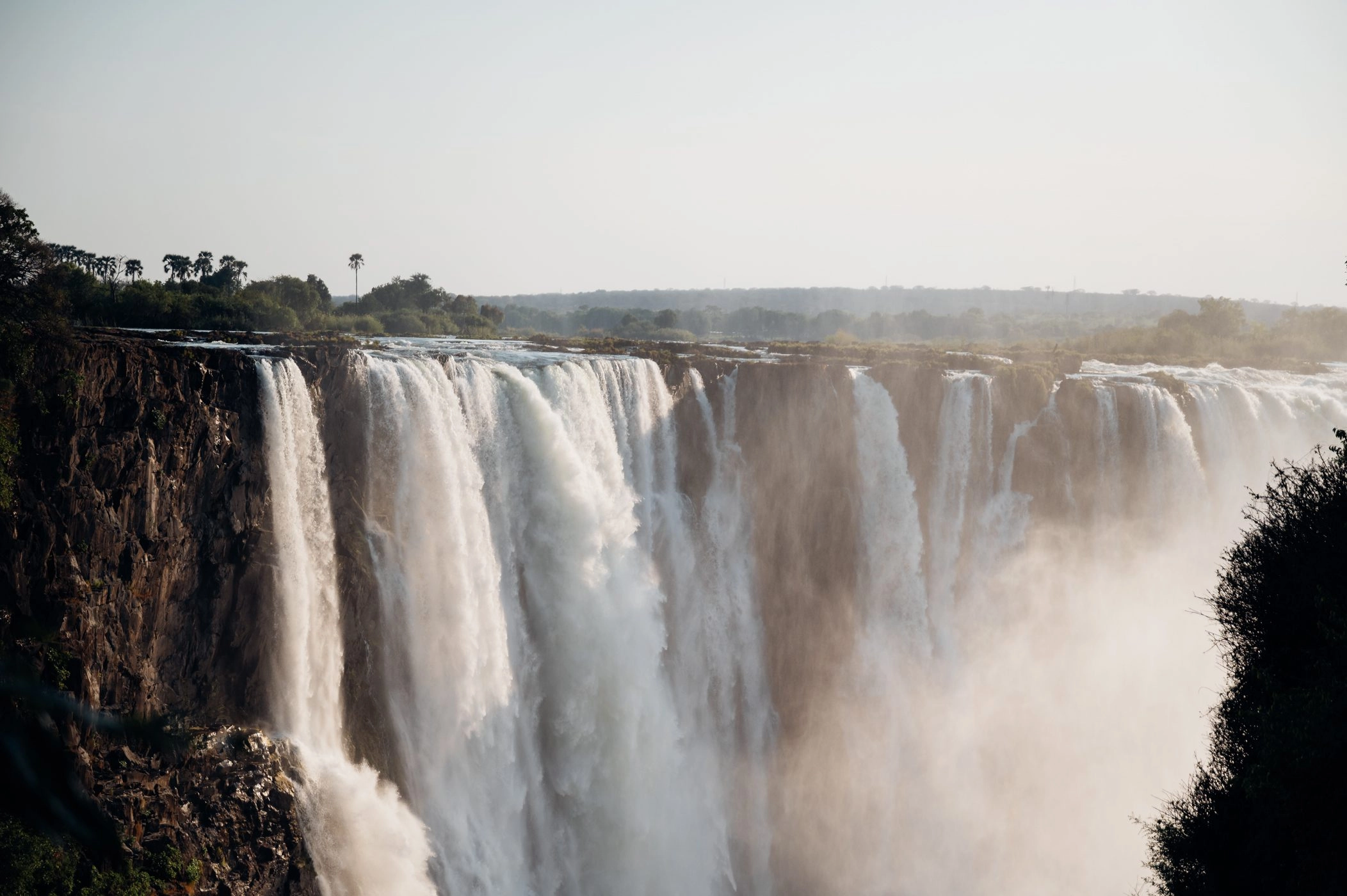
Understanding tipping in Zimbabwe is particularly important for safari travellers because the country has one of southern Africa's…
Read article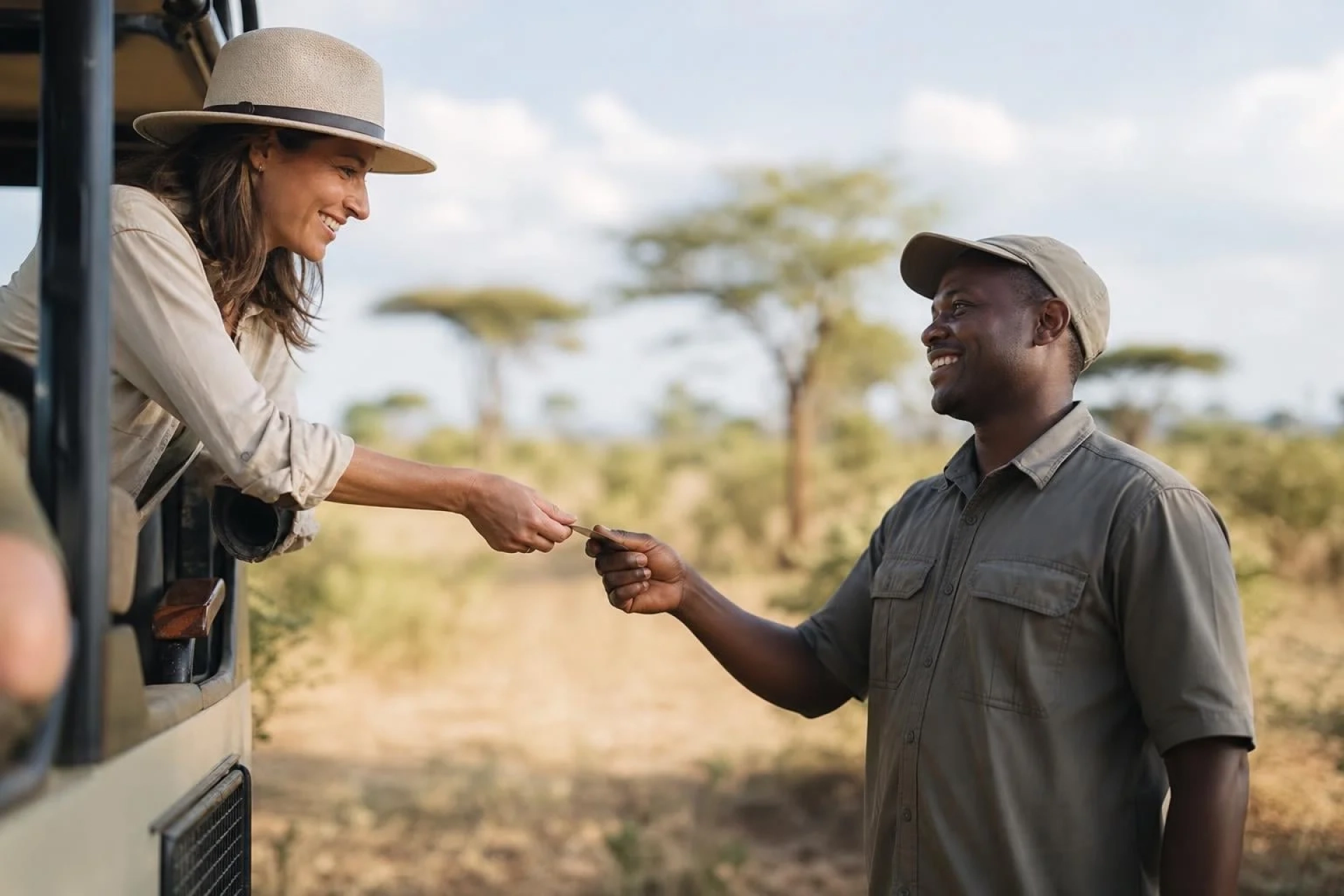
Tipping in Namibia differs subtly from tipping in many other major African safari destinations because a significant proportion…
Read article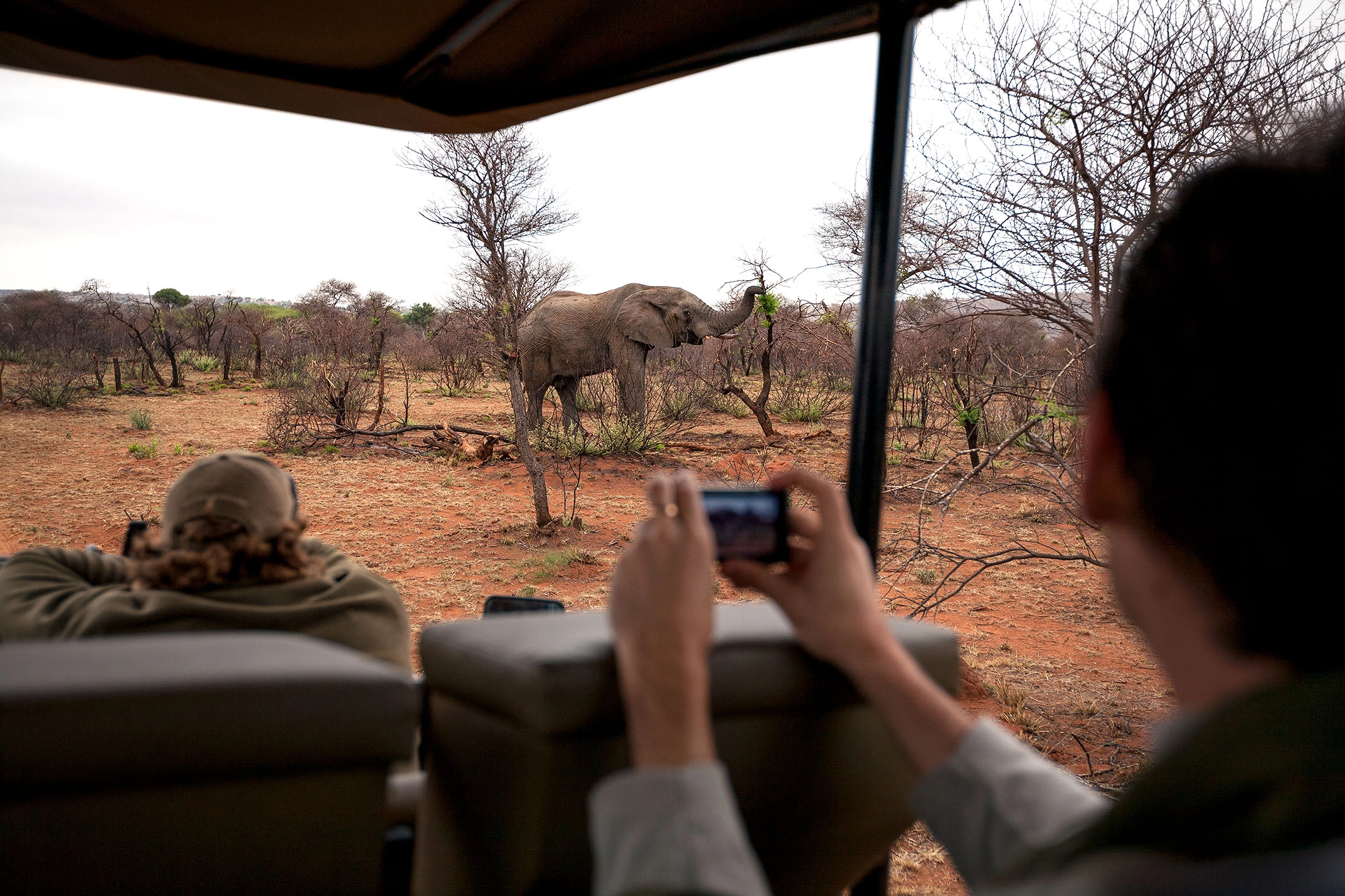
Tipping in Botswana is relatively easy once travellers understand how the country's safari industry operates. Unlike many East…
Read articleLet us take you closer to the wildlife, people and places that make Africa extraordinary.
Plan Your Safari Today