Tipping in Zambia: Complete Safari, Walking Safari & Travel Tipping Guide
Understanding tipping in Zambia is particularly useful for safari travellers because Zambia is famous for highly personalised wilderness…
Read article
Travel Guide
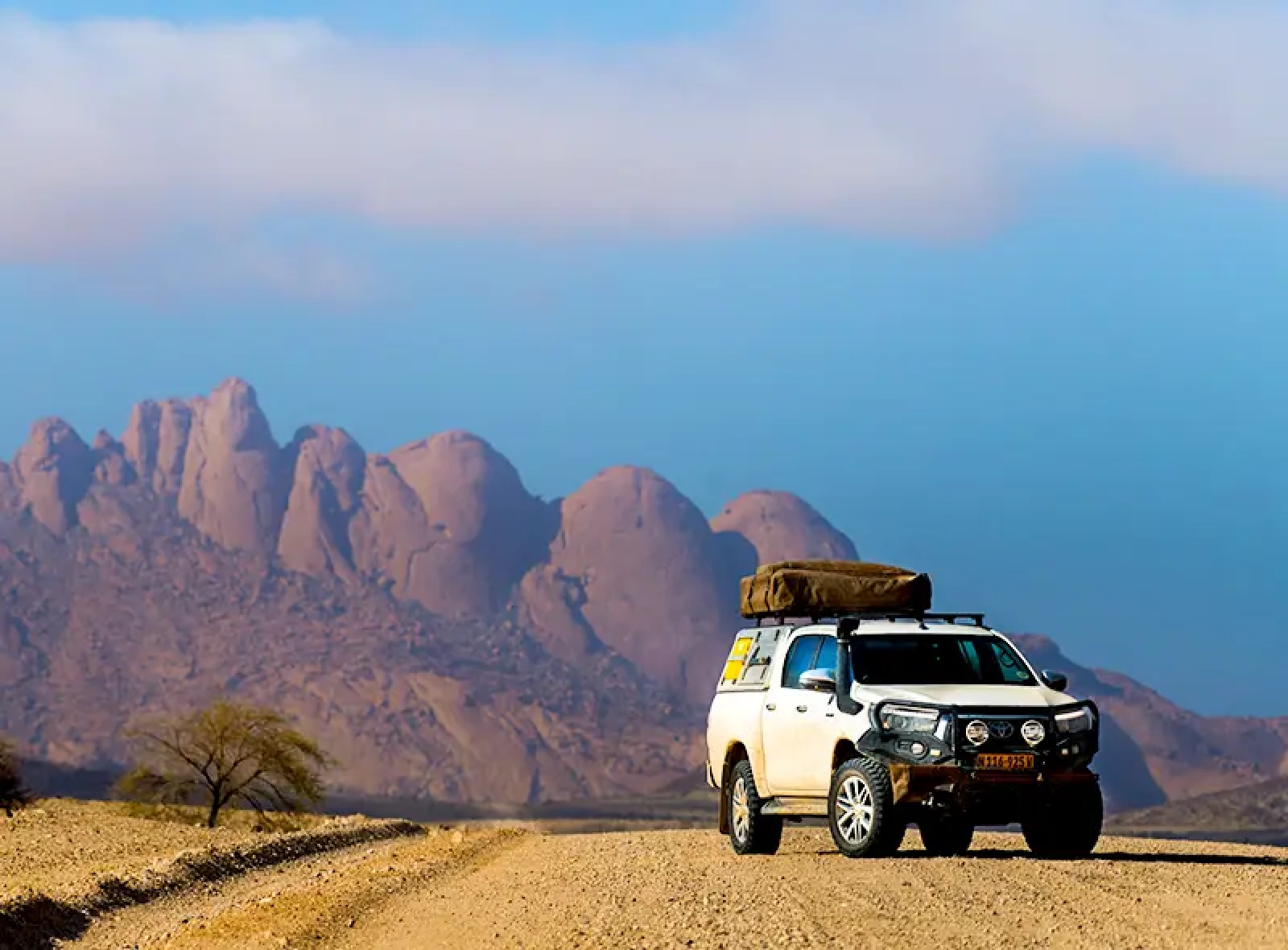
Tipping in Namibia differs subtly from tipping in many other major African safari destinations because a significant proportion of visitors travel independently. Namibia is one of Africa's great self-drive destinations, and travellers frequently rent a 4x4 in Windhoek and drive themselves through Sossusvlei, Swakopmund, Damaraland, Etosha National Park and the Zambezi Region. Such travellers may not have a professional safari guide accompanying them every day, meaning their gratuities are concentrated around lodges, restaurants and individually booked activities.
Tipping in Namibia differs subtly from tipping in many other major African safari destinations because a significant proportion of visitors travel independently. Namibia is one of Africa’s great self-drive destinations, and travellers frequently rent a 4×4 in Windhoek and drive themselves through Sossusvlei, Swakopmund, Damaraland, Etosha National Park and the Zambezi Region. Such travellers may not have a professional safari guide accompanying them every day, meaning their gratuities are concentrated around lodges, restaurants and individually booked activities.
Other visitors travel on fully guided private safaris or scheduled small-group tours, where a professional guide may accompany them for ten days or longer. Still others fly between luxury desert camps and wildlife lodges, encountering a different guide team at each property.
Understanding these distinctions is essential because there is no universal Namibian tipping amount that applies to every itinerary.
A self-drive couple may have no major guide gratuity at all until they book a guided Etosha game drive. A privately guided couple, by contrast, may spend two weeks with one guide whose knowledge, driving and logistical support fundamentally shape the trip.
The right approach is therefore to identify the people providing meaningful personal service and recognise them appropriately rather than assuming every interaction requires a tip.
Tipping is customary in Namibia‘s tourism and hospitality industries, particularly for restaurant staff, safari guides, lodge employees, activity guides and hotel service workers.
It is nevertheless generally discretionary.
A gratuity should reward good service rather than function as an unofficial compulsory charge.
This is particularly important in Namibia because travellers encounter a mixture of European-style hospitality conventions, African safari traditions and local service practices. Restaurant gratuities may be percentage-based, while safari guides are normally tipped according to days of service. Lodge teams may use communal staff boxes, and specialist activity guides are usually recognised at the end of an excursion.
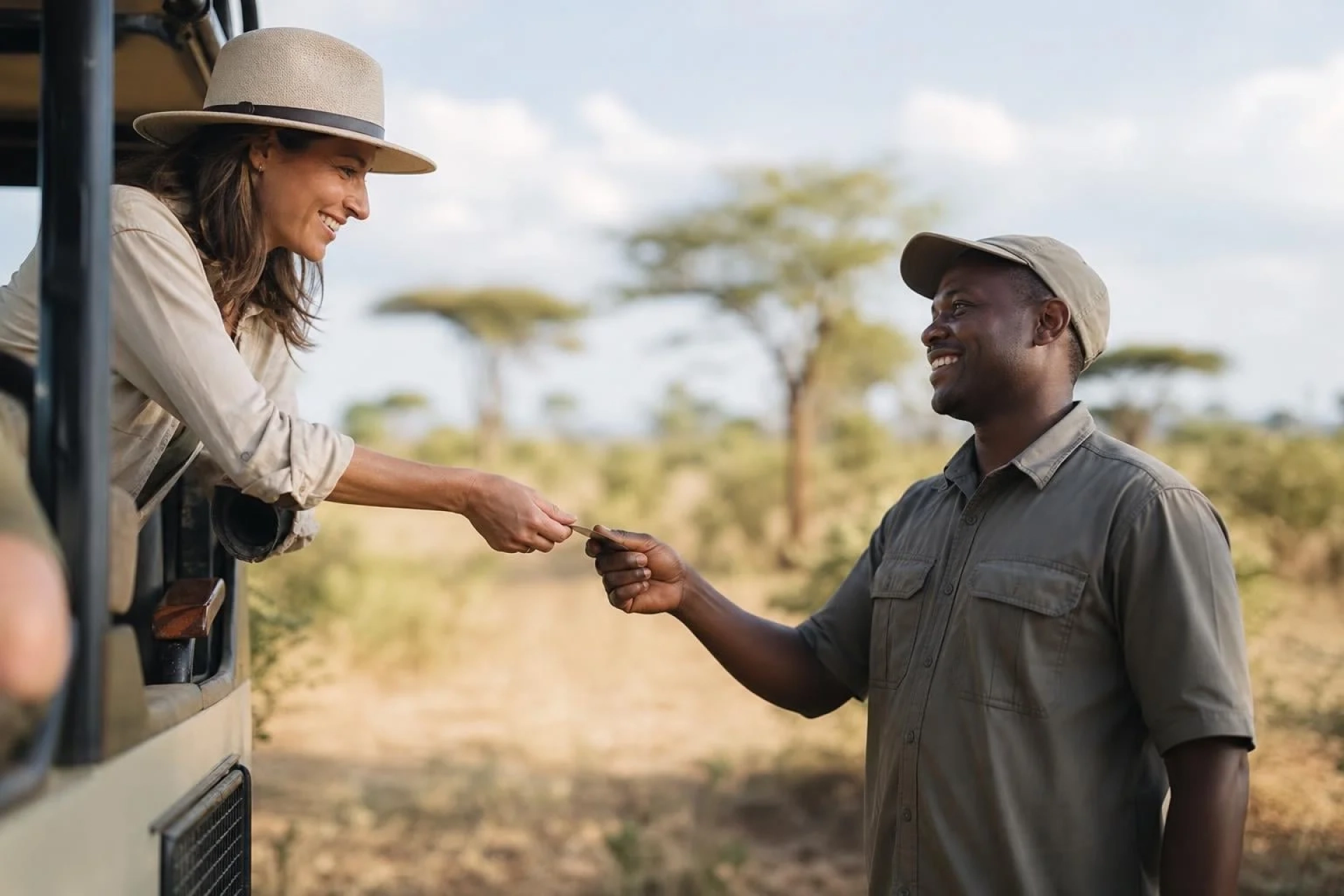
If you are travelling on a fully guided Namibia safari, your guide will probably have one of the most demanding roles on the trip.
Namibia‘s enormous distances mean that guides frequently spend many hours driving between destinations while simultaneously managing logistics, interpreting landscapes and ensuring the vehicle remains ready for demanding road conditions.
A guide travelling from Windhoek to Sossusvlei, Swakopmund, Damaraland and Etosha needs knowledge far beyond wildlife identification. They may interpret desert geology, explain colonial and indigenous history, identify plants adapted to extreme aridity, discuss conservation challenges, locate desert-adapted wildlife and manage long-distance travel across gravel roads.
For good professional service, approximately US$10–20 per guest per day, or the equivalent in Namibian dollars, is a useful broad planning benchmark.
A couple might therefore budget approximately US$20–40 per day collectively.
As elsewhere, this is not an official tariff.
A Namibia safari is often as much about landscapes and ecology as dramatic wildlife sightings.
A guide should not be judged according to whether they produced a lion every afternoon.
In Sossusvlei, their skill may be demonstrated through geological interpretation and understanding desert ecology. In Damaraland, it may involve locating desert-adapted elephants while explaining the conservation relationship between wildlife and local communities. In Etosha, it may involve recognising how animals move between waterholes according to heat, season and predator activity.
Good guiding transforms seemingly empty landscapes into understandable ecosystems.
Judge professionalism, knowledge, safety, communication, driving standards, patience and interpretation rather than simply counting animals.
If one guide accompanies you throughout the country, give the gratuity at the end of the safari.
If you are on a fly-in itinerary and use resident lodge guides, tip each guide when leaving the property.
If you are self-driving and book individual guided activities, give an activity-specific gratuity after each excursion.
Self-driving eliminates the need for a daily safari-guide gratuity, but it does not eliminate tipping entirely.
You may still interact with:
lodge employees;
restaurant servers;
guided game-drive staff;
Sossusvlei guides;
Damaraland trackers;
living-desert guides;
boat crews;
kayaking guides;
cultural guides;
hotel porters; and
fuel-station attendants.
The best approach is to tip according to actual service rather than creating an artificial daily gratuity budget for days when nobody is guiding you.
Namibia‘s safari lodges range from simple guest farms to highly exclusive desert and wildlife properties.
At full-service lodges, approximately US$5–10 per guest per night, or the equivalent in Namibian dollars, can be used as a broad planning benchmark for the communal staff gratuity.
Some luxury properties may recommend higher amounts.
The communal system is valuable because lodge operations involve chefs, housekeepers, waiters, gardeners, maintenance staff, laundry teams and many other employees whose work may not be visible to guests.
Do not assume so.
At many safari properties, the professional guide is tipped separately while the communal box benefits general lodge staff.
Ask reception or the camp manager.
This becomes especially important at fly-in lodges where the same resident guide may accompany you on several activities.
Etosha National Park is Namibia‘s best-known wildlife destination and presents several different scenarios.
Self-drive travellers may conduct their own game drives and therefore have nobody to tip for guiding.
If you book a lodge-operated guided game drive, approximately US$5–15 per guest for a half-day activity is a reasonable broad benchmark for good guiding.
For a full-day private excursion, a larger amount may be appropriate.
If you are already travelling with a private professional guide who conducts your Etosha game drives, simply include those days in the final safari gratuity.
Etosha’s waterhole-based ecology creates fascinating wildlife behaviour. A knowledgeable guide understands how elephants, antelope, predators and birds use the waterholes differently throughout the day.
They may know which areas are productive according to rainfall, which roads offer better opportunities at particular times and how animal behaviour changes when predators are nearby.
Do not penalise a guide because a lion remains asleep far from the road.
The guide’s job is to interpret nature, not manufacture it.
Sossusvlei and the Namib Desert are among Namibia‘s most iconic destinations.
Many travellers visit independently, but guided excursions can significantly improve the experience because a knowledgeable guide can interpret dune formation, desert ecology, ancient river systems and the remarkable adaptations that allow plants and animals to survive in an extremely dry environment.
For a half-day specialist excursion, approximately US$5–15 per guest can be used as a practical planning range.
A private full-day guide may warrant more.
If the excursion is conducted by your regular safari guide, no additional gratuity is required.
Damaraland is particularly associated with dramatic landscapes, desert-adapted elephants, black rhinos, geological formations and community conservation.
Specialist trackers may work alongside guides when searching for rhinos or other wildlife.
Tracking is a highly skilled profession requiring the ability to interpret footprints, dung, vegetation and movement patterns.
Where a dedicated tracker contributes directly to your experience, approximately US$5–10 per guest per day or activity is a reasonable planning benchmark.
Ask whether tracker gratuities are separate from the guide’s tip.
Rhino tracking experiences may involve guides, trackers and conservation personnel.
Do not assume that every person should be tipped individually. Ask the lodge or operator how gratuities are normally distributed.
Most importantly, never offer extra money to encourage staff to approach wildlife more closely than regulations permit.
The welfare of the rhino and safety of guests must take priority over photographs.
Swakopmund introduces a completely different tourism environment from Etosha or Damaraland.
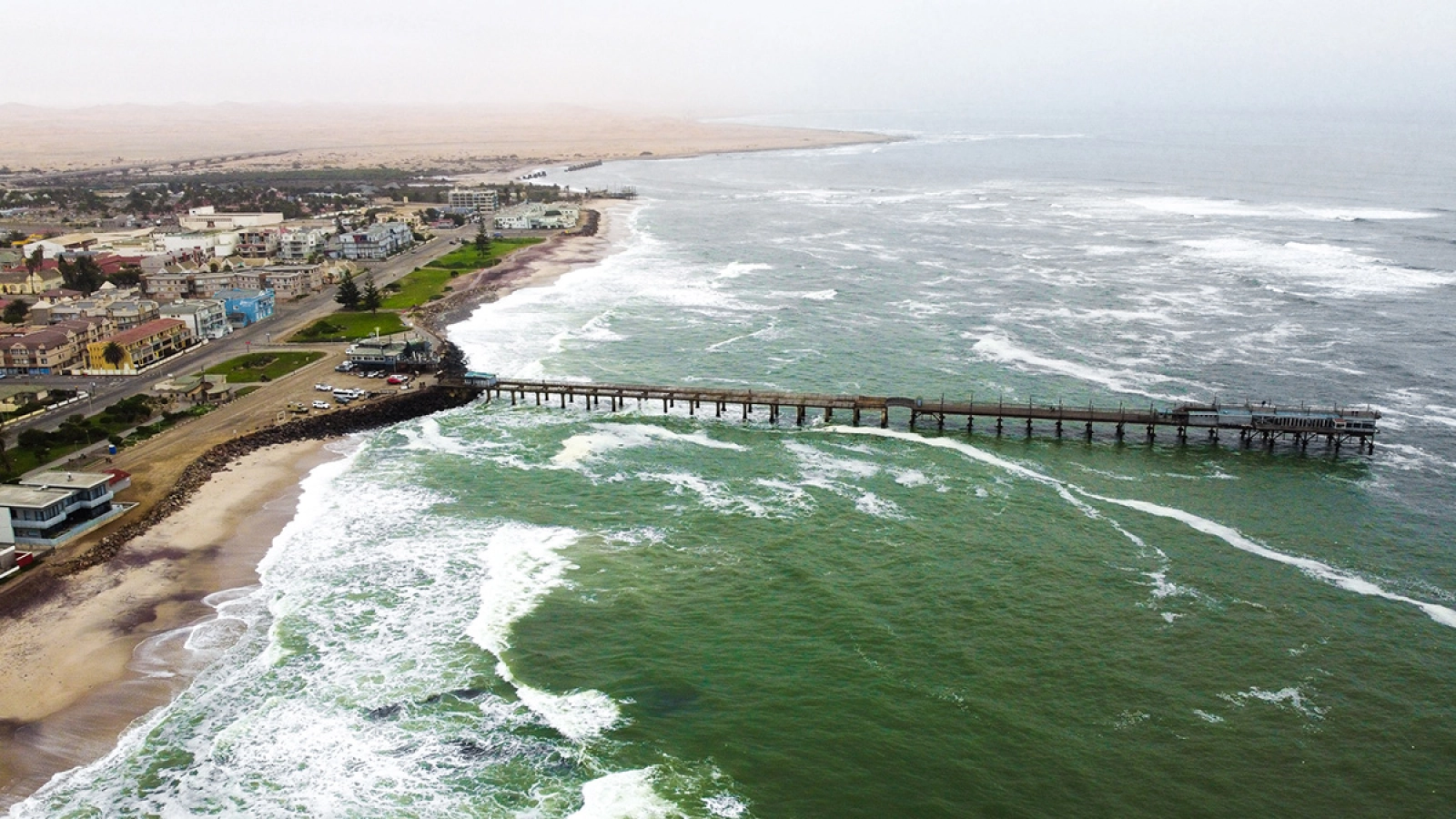
Travellers may take Living Desert tours, kayaking excursions, scenic flights, sandboarding trips, quad-bike excursions, fishing trips and marine cruises.
Because these are individually operated activities, gratuities should be activity-specific.
For a half-day specialist guide, approximately NAD 100–300 per guest, depending on duration and service, can be a reasonable gesture.
For full-day private experiences, travellers may choose to give more.
A Living Desert excursion demonstrates why specialist guiding should be valued according to knowledge rather than the size of the animals encountered.
An excellent guide can reveal geckos, snakes, spiders, insects and other desert organisms that an untrained visitor would never notice.
The guide’s interpretation of tracks, dune ecology and animal adaptations is the core product.
A gratuity after a particularly informative excursion is appropriate.
Marine excursions from Walvis Bay may involve skippers, guides and additional crew.
Rather than tipping every person individually, ask whether the crew shares gratuities.
A modest collective gratuity after a professionally operated cruise is appropriate.
Kayaking excursions around Pelican Point and similar coastal areas may involve several hours of close personal guiding.
A gratuity of approximately NAD 100–300 per guest can be used as a broad benchmark for good service, adjusted according to duration and group size.
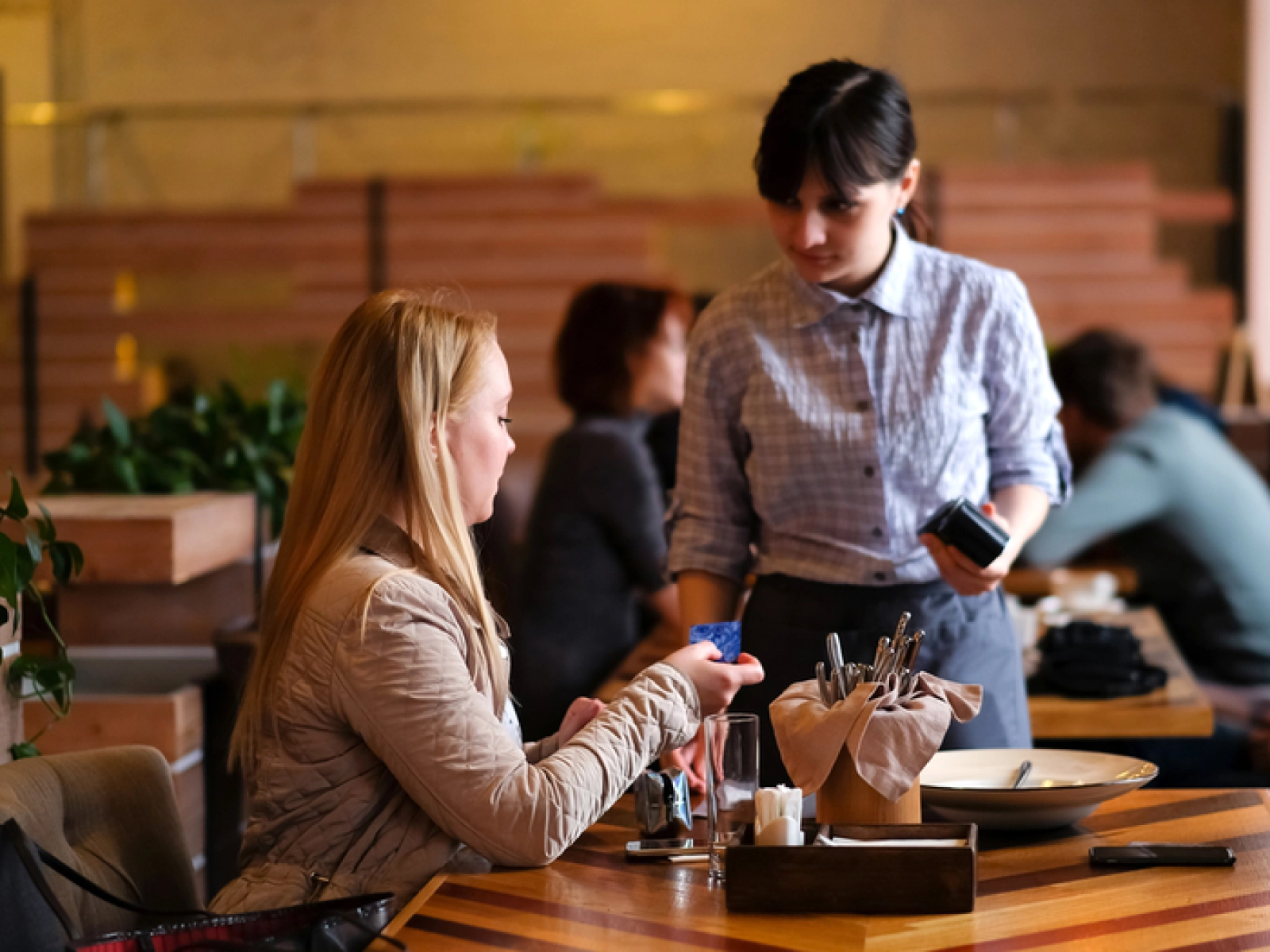
Restaurant tipping is more established in Namibia than in some other African destinations.
Approximately 10% of the bill is a useful benchmark for good table service when a service charge has not already been included.
For exceptional service, travellers may choose to give more.
Always inspect the bill first.
At cafés, casual restaurants and takeaway establishments, rounding up is often sufficient.
Namibia uses the Namibian dollar (NAD), which is linked at parity with the South African rand. South African rand is widely accepted in Namibia, while Namibian dollars generally cannot be used as ordinary currency once you leave Namibia.
For tipping within Namibia, Namibian dollars are usually the simplest choice.
South African rand can also be convenient.
US dollars may be understood at international safari properties but are unnecessary for ordinary restaurant, porter and activity gratuities.
Because many gratuities are modest, small Namibian-dollar notes are particularly useful.
Do not rely entirely on large foreign currency notes.
Access to ATMs becomes more limited once you leave Windhoek, Swakopmund and other larger towns, so prepare sufficient cash before travelling into remote areas.
Hotels, lodges and urban restaurants may allow guests to add gratuities to card payments.
Ask whether the gratuity will actually be distributed to the intended employees.
For activity guides and trackers, cash is generally simpler.
One Namibia-specific service that surprises some international travellers is the fuel-station attendant.
Fuel stations are normally staffed, and attendants may fill the vehicle, clean the windscreen and sometimes check tyre pressure, oil or water.
A small gratuity of approximately NAD 10–30 is appropriate when an attendant provides helpful service.
For more extensive assistance, you may give more.
Self-drive travellers should therefore keep small local notes accessible.
In towns, informal or designated parking attendants may watch vehicles in parking areas.
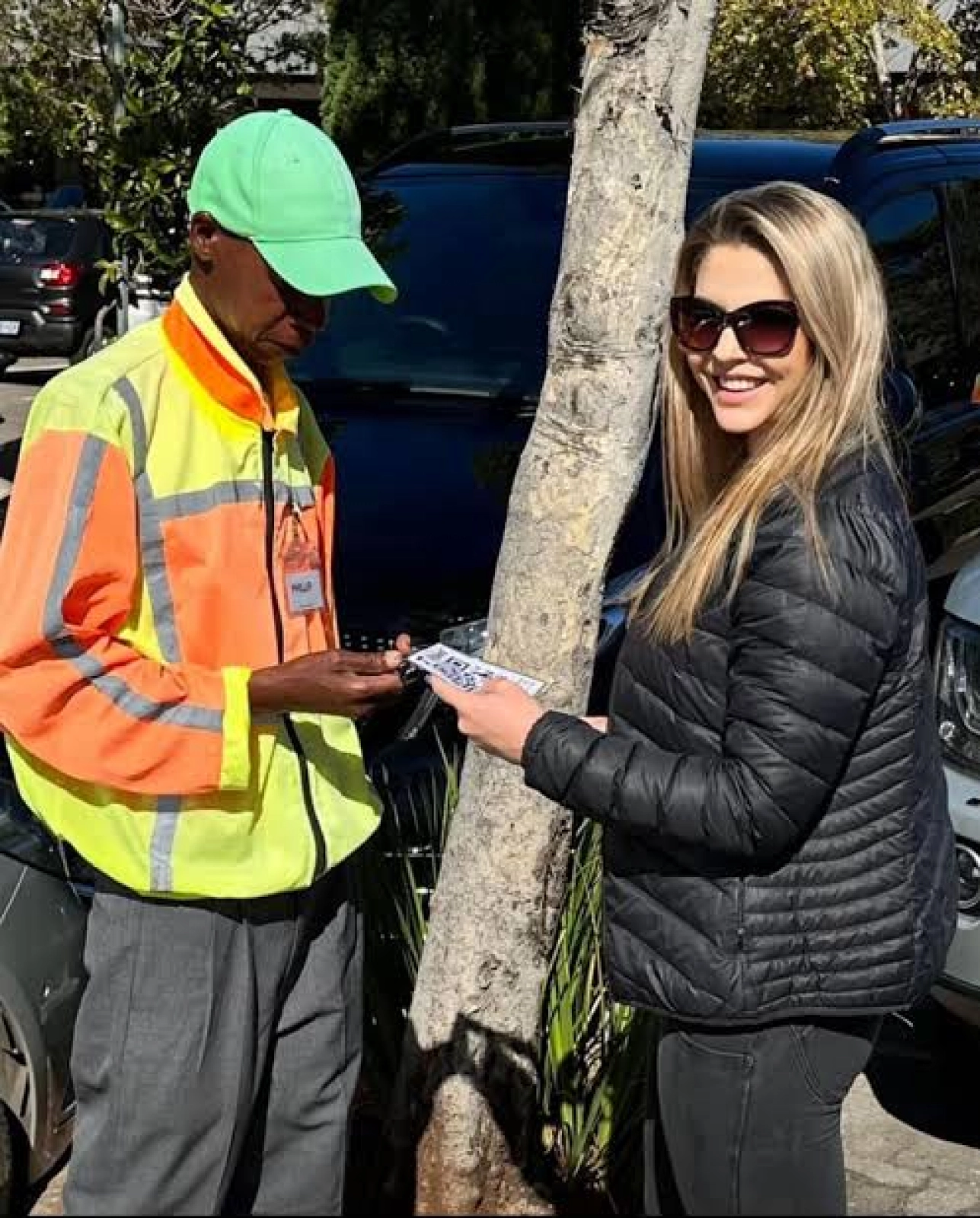
A small amount such as NAD 5–20 can be appropriate depending on the location and length of parking.
Use common sense and follow local advice.
At city hotels and larger lodges, approximately NAD 20–50 is appropriate for ordinary luggage assistance.
For several heavy bags or unusually helpful service, you may choose to give more.
At safari lodges where a communal gratuity system covers luggage staff, separate tipping may be unnecessary.
At full-service hotels, approximately NAD 30–70 per room per day is a reasonable housekeeping gratuity.
Leaving the amount daily can ensure the employee actually servicing your room receives it.
At safari lodges with communal tipping, use the general staff system instead.
For a straightforward Windhoek airport transfer, approximately NAD 50–100 is a reasonable gratuity after good service.
The distance between Hosea Kutako International Airport and central Windhoek is significant, so the service is more substantial than a five-minute hotel shuttle.
For private long-distance transfers, a larger gratuity may be appropriate.
Namibia is famous for scenic flights over the Namib Desert, Skeleton Coast and Sossusvlei.
Routine pilot tipping is generally not necessary.
If the experience is a private charter involving extensive personal service, travellers may choose to give something, but pilot gratuities should not be treated as compulsory.
Remote Skeleton Coast lodges may operate similarly to Botswana-style fly-in safari camps, with resident guides conducting excursions.
In these circumstances, tip your guide at the end of the lodge stay and contribute separately to the communal staff gratuity.
Namibia‘s Zambezi Region offers more conventional river and wildlife safaris, including boat cruises, fishing, game drives and community experiences.
A lodge-based guide who conducts several activities should receive an end-of-stay gratuity.
Separate boat or fishing guides can receive activity-specific tips.
For a private guided fishing excursion, approximately US$10–20 equivalent per guest for a substantial half- or full-day trip can be appropriate, particularly where the guide provides equipment, expertise and significant personal attention.
Ask whether additional boat crew share the gratuity.
Visits involving Himba, San or other communities should be approached respectfully.
Where a recognised community guide provides professional interpretation, a modest gratuity is appropriate.
Do not distribute cash indiscriminately to individuals or children.
The better approach is to pay official community-tourism charges, purchase genuine locally produced crafts where desired and tip the person who has actually delivered the guiding service.
Namibia offers guided hiking in locations including the Naukluft Mountains, Waterberg and Fish River Canyon region.
Specialist guides should be tipped according to duration and quality of service.
For a substantial half-day hike, approximately NAD 100–300 per guest can serve as a planning benchmark.
Multi-day trekking guides require a different calculation based on the length and structure of the expedition.
| Service | Practical Planning Guideline |
|---|---|
| Private safari guide | Around US$10–20 per guest/day |
| Couple’s private guide | Around US$20–40/day collectively |
| Lodge staff | Around US$5–10 per guest/night |
| Tracker | Around US$5–10 per guest/day or activity |
| Guided Etosha drive | Around US$5–15 per guest |
| Specialist half-day activity guide | Around NAD 100–300 per guest |
| Restaurant | Approximately 10% if service not included |
| Hotel porter | Around NAD 20–50 |
| Housekeeping | Around NAD 30–70 per room/day |
| Fuel attendant | Around NAD 10–30 |
| Car guard | Around NAD 5–20 |
| Airport transfer | Around NAD 50–100 |
| Boat/kayaking crew | Modest shared gratuity |
| Scenic-flight pilot | Normally no routine tip expected |
These amounts are general planning benchmarks rather than compulsory Namibian rates.
Consider a couple travelling privately for ten days from Windhoek through Sossusvlei, Swakopmund, Damaraland and Etosha.
If they allocate US$30 per day collectively for their guide, their main guide gratuity would be US$300.
If they spend nine nights in lodges and allocate approximately US$10–15 collectively per night to lodge teams, another US$90–135 would be required.
They might then allocate US$50–100 for specialist guides, trackers, porters and smaller services.
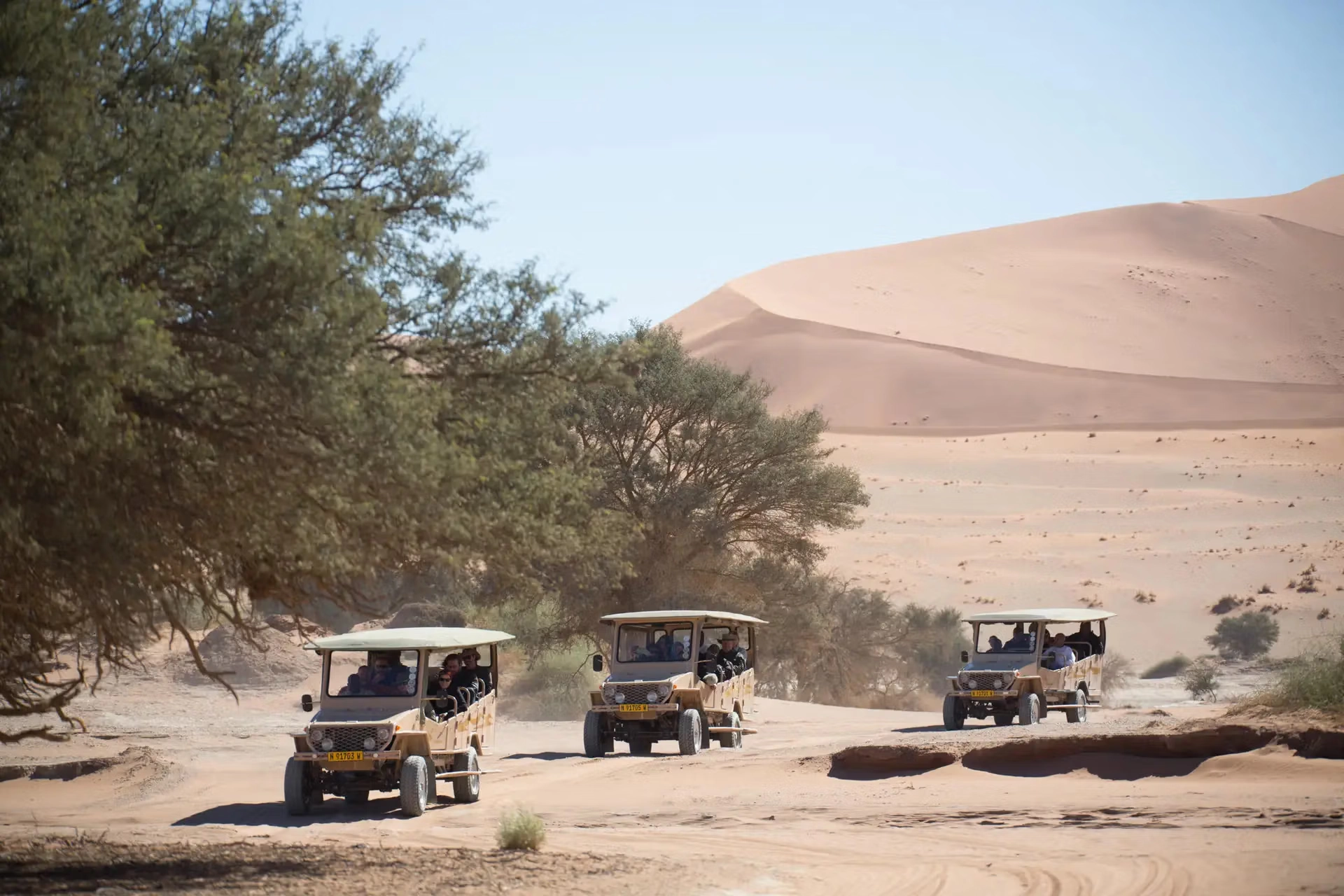
A sensible overall gratuity budget could therefore be approximately US$450–550 for the couple.
This remains entirely discretionary.
A self-drive couple has no regular guide gratuity.
Instead, they might budget smaller amounts for:
a Sossusvlei excursion;
a Living Desert guide;
an Etosha guided drive;
a Walvis Bay cruise;
lodge staff;
restaurants;
fuel attendants;
and hotel services.
Their overall tipping budget could therefore be substantially lower than that of a fully guided safari.
This is why generic statements such as “budget US$20 per day for tips in Namibia” are not particularly useful without knowing the travel style.
A fly-in traveller might stay at three remote properties, each with its own resident guide.
At each lodge, they should consider two primary gratuities: one for their guide and one for the wider lodge team.
Where trackers participate, a third category may apply.
Settle each property’s gratuities before departure.
Luxury safari rates can be extremely high, particularly at remote desert lodges.
Do not calculate gratuities as a percentage of the room price.
A US$2,000 room does not automatically imply a US$200 nightly tip.
Use service-based daily guidelines instead.
Ask the property what it recommends.
Families should clarify whether recommendations are per person or from the group collectively.
A family of five using one guide should not automatically assume that every online per-person figure must be multiplied by five.
The overall amount should reasonably reflect the service provided to the group.
There is no compulsory rule.
Consider age, group size and service level.
Where a lodge publishes an official per-guest suggestion, ask whether children’s recommendations differ.
Give your multi-day guide their gratuity at the end of the journey.
Use lodge gratuity boxes at checkout.
Tip specialist activity guides after the activity.
Restaurant gratuities are settled with the bill.
Fuel-station attendants and parking assistants receive small amounts immediately after service.
You are free to exceed any guideline.
Perhaps your guide handled a tyre problem in a remote area calmly, demonstrated extraordinary natural-history knowledge, reorganised an itinerary after unexpected weather or consistently provided exceptional photography opportunities while respecting wildlife.
These are valid reasons to give more.
Tips are discretionary.
If service was genuinely poor, reduce or omit the gratuity.
For significant safety or service problems, communicate directly with the tour operator or lodge management.
A tip should never be used to persuade a guide to approach desert elephants too closely, leave permitted routes, disturb rhinos, pressure wildlife or ignore protected-area rules.
Professional guides should be rewarded for respecting conservation regulations.
One common mistake is applying a safari-guide gratuity to a self-drive itinerary where no daily guiding service exists.
Another is forgetting small local services such as fuel attendants.
Travellers may also tip individual lodge employees despite an established communal system, forget specialist trackers or calculate gratuities as a percentage of very expensive luxury accommodation.
The solution is simple: tip according to the service actually provided.
Tipping in Namibia is most easily understood by first identifying how you are travelling. Guests on fully guided safaris should budget for their professional guide and lodge teams. Self-drive travellers can focus on restaurants, lodge staff and individually booked guides, while fly-in travellers should settle guide and staff gratuities separately at each property.
Namibian dollars are ideal for everyday tips, with South African rand also widely usable. Keep small local notes for fuel attendants, porters and minor services, and reserve larger gratuities for guides who spend substantial time with you.
Above all, recognise expertise rather than simply visible activity. A guide who helps you understand why life survives in the Namib Desert, a tracker who interprets almost invisible rhino signs or an Etosha guide who patiently explains waterhole ecology can add enormous value to a journey.
Reward that professionalism fairly, use communal lodge systems where available and treat every published tipping figure as guidance rather than an obligation.
Get quick answers to the most common questions. If you still have questions, our safari experts are here to help.
Yes. Tipping is common in restaurants, tourism, hotels and safari lodges, although it remains discretionary.
Approximately US$10–20 per guest per day is a useful planning benchmark.
Approximately US$20–40 per day collectively is a reasonable broad range.
You do not need a daily guide gratuity when you are driving yourself. Tip lodge staff and individual activity guides as appropriate.
Approximately 10% for good service when service has not already been included.
Yes, when you book a guided drive. Around US$5–15 per guest for a half-day experience can be used as a general benchmark.
Yes, a gratuity is appropriate where a specialist tracker has contributed directly to the experience.
Yes. Use the communal gratuity box where available.
Yes. Around NAD 10–30 is a useful small-service benchmark.
Yes. South African rand is widely accepted in Namibia.
Local currency is generally the easiest option for smaller gratuities.
Yes at many international safari properties, but local currency is more practical for everyday services.
Routine tipping is generally unnecessary.
Yes. Specialist activity guides can receive a modest gratuity after good service.
Yes, when a person has provided genuine professional guiding. Avoid indiscriminate cash handouts.
Use judgement according to age and group size rather than automatically multiplying every adult recommendation.
Usually not unless your itinerary specifically states otherwise.
Match the gratuity to your travel style and actual service received. A guided safari, self-drive holiday and fly-in luxury safari require completely different tipping budgets.
Our safari experts are here to help you plan your safari. Get personalized advice, the latest information and a free, no-obligation quote.
We typically reply within a few hours.

Share This Article
Understanding tipping in Zambia is particularly useful for safari travellers because Zambia is famous for highly personalised wilderness…
Read article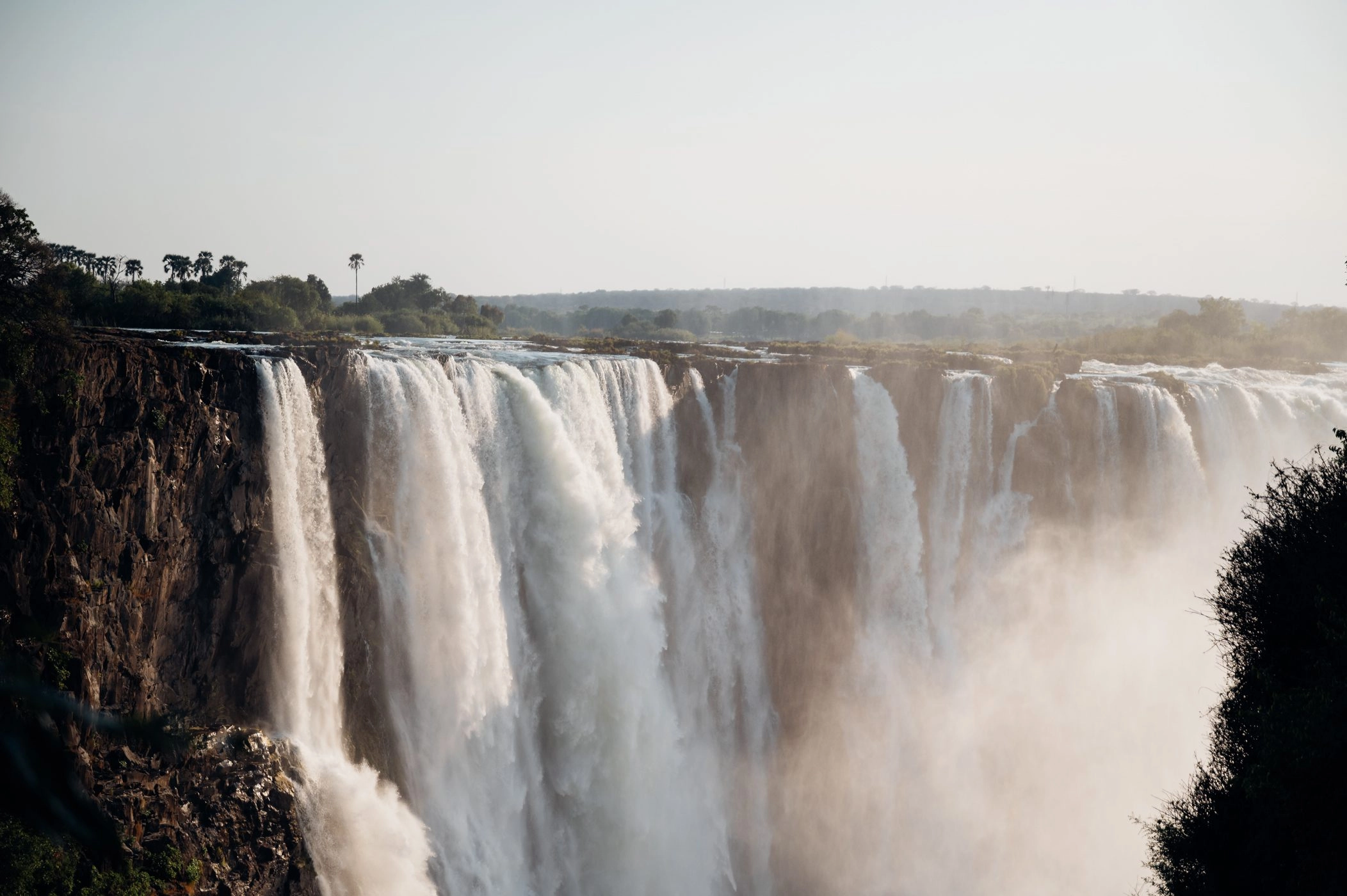
Understanding tipping in Zimbabwe is particularly important for safari travellers because the country has one of southern Africa's…
Read article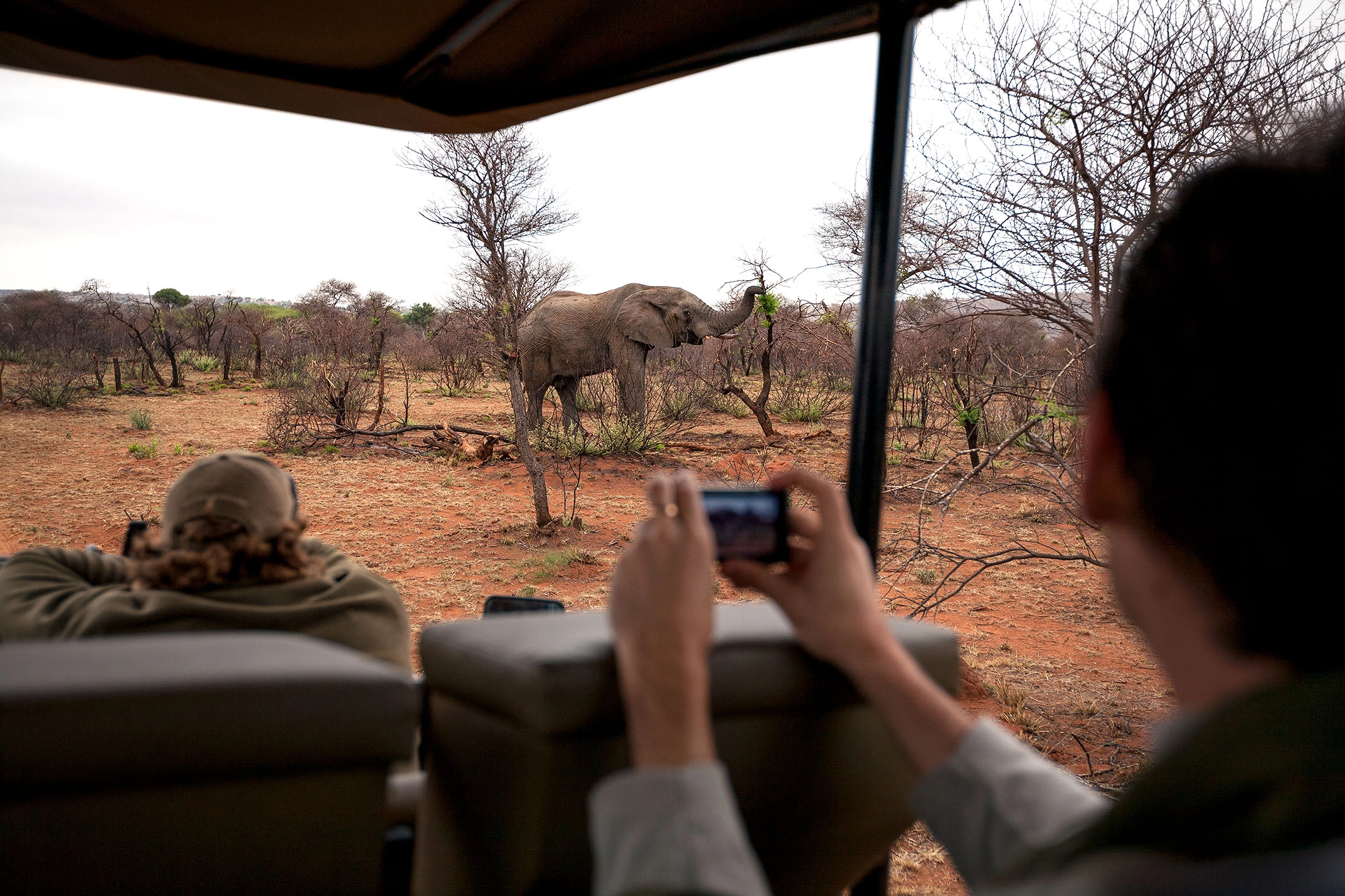
Tipping in Botswana is relatively easy once travellers understand how the country's safari industry operates. Unlike many East…
Read article
Understanding tipping in Tanzania requires more than knowing how much to give a safari driver. Tanzania offers an…
Read articleLet us take you closer to the wildlife, people and places that make Africa extraordinary.
Plan Your Safari Today