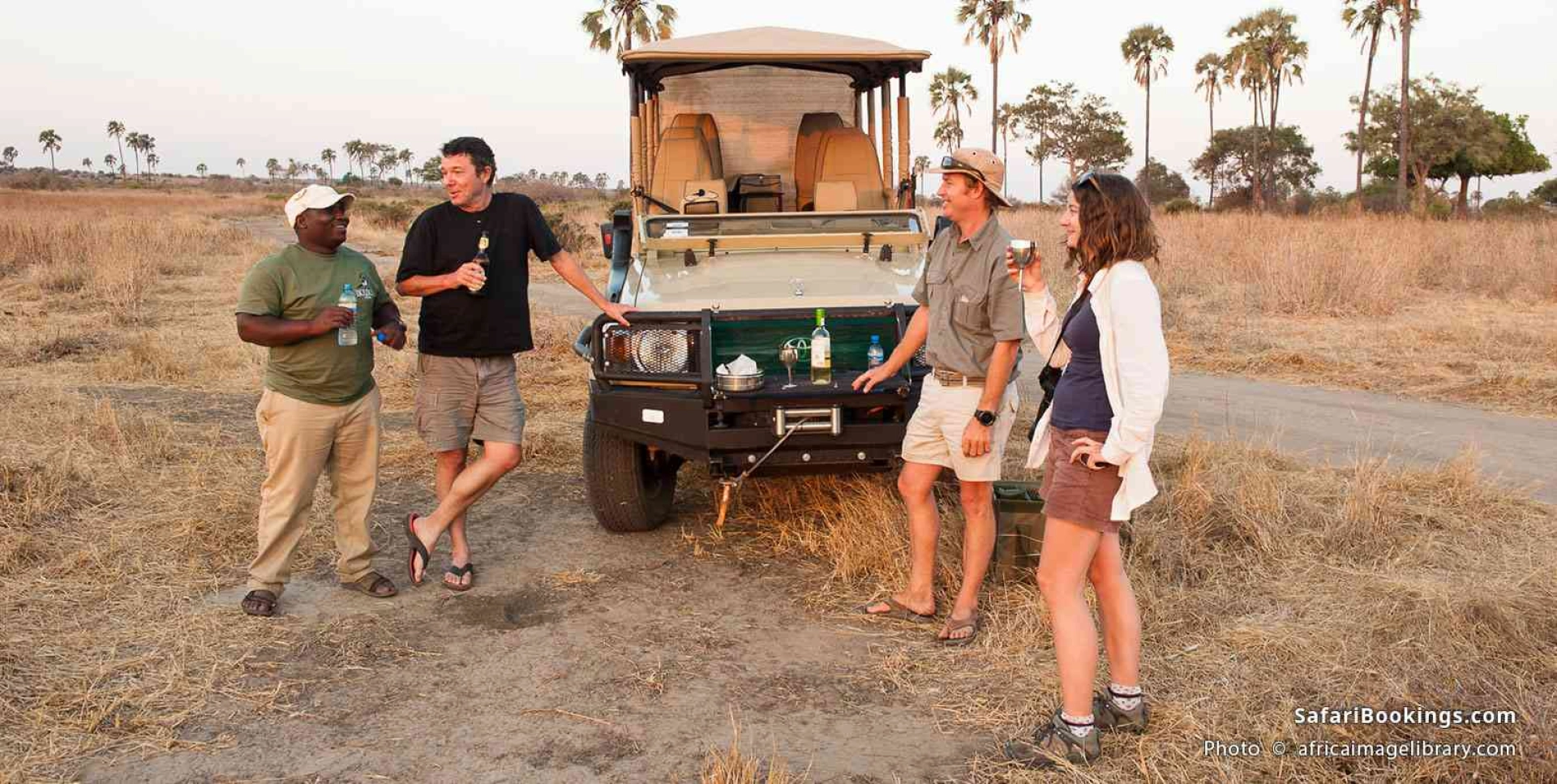
Tipping in Zambia: Complete Safari, Walking Safari & Travel Tipping Guide
Understanding tipping in Zambia is particularly useful for safari travellers because Zambia is famous for highly personalised wilderness…
Read article
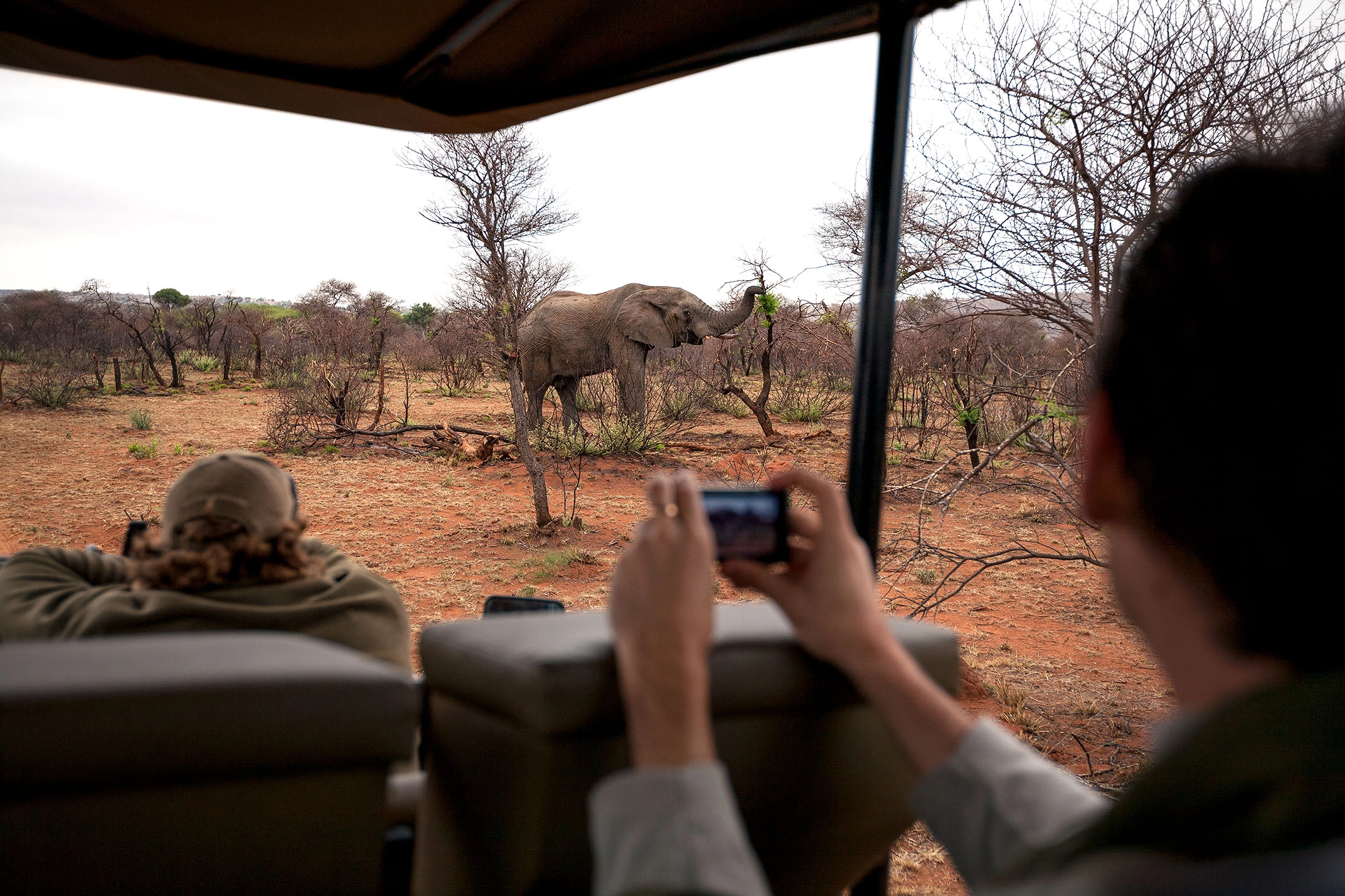
Travel Guide
Tipping in Botswana is relatively easy once travellers understand how the country's safari industry operates. Unlike many East African safaris where guests may travel overland with the same private driver-guide for a week or longer, a large proportion of Botswana's safari industry is based around fly-in safari camps. Guests commonly fly by light aircraft from Maun or Kasane into the Okavango Delta, stay two or three nights at a camp, take game drives, mokoro excursions and guided walks with the camp's resident guides, and then fly to another property where they meet an entirely new safari team.
Tipping in Botswana is relatively easy once travellers understand how the country’s safari industry operates. Unlike many East African safaris where guests may travel overland with the same private driver-guide for a week or longer, a large proportion of Botswana‘s safari industry is based around fly-in safari camps. Guests commonly fly by light aircraft from Maun or Kasane into the Okavango Delta, stay two or three nights at a camp, take game drives, mokoro excursions and guided walks with the camp’s resident guides, and then fly to another property where they meet an entirely new safari team.
This structure means that gratuities in Botswana are often settled camp by camp rather than once at the end of an entire safari. Your safari guide, tracker or poler may be tipped when leaving each property, while housekeeping, waiters, chefs and the wider lodge team are generally recognised through a communal staff gratuity system.
Travellers taking a mobile camping safari encounter a different arrangement. They may travel for several days with one professional guide and a dedicated camp crew consisting of cooks, camp assistants and other support staff. In this situation, the guide and crew are usually tipped at the end of the mobile safari.
There is therefore no single Botswana tipping amount that applies to every trip. A luxury Okavango fly-in safari, a Chobe lodge stay, a private mobile camping expedition and a self-drive holiday all involve different people and service arrangements. The best approach is to understand each service category, budget beforehand and treat all suggested amounts as voluntary planning guidelines rather than compulsory charges.
Tipping is customary and appreciated throughout Botswana‘s tourism industry, particularly at safari camps, lodges and professionally guided activities. It is nevertheless discretionary. A gratuity should recognise good service rather than function as an unofficial compulsory fee added to your holiday.
Botswana has developed one of Africa’s most sophisticated safari industries, particularly in the Okavango Delta, Moremi Game Reserve, Chobe National Park, Linyanti, Savuti and Makgadikgadi regions. Many camps operate in remote areas where staff live on site for extended periods and where delivering a high standard of hospitality requires substantial logistical effort.
Guests consequently interact with highly specialised professionals. A safari guide may spend several days interpreting wildlife and navigating floodplains, while a tracker contributes a completely different set of skills. A mokoro poler understands the waterways and channels of the Delta, while camp teams provide meals, housekeeping and hospitality in locations far removed from ordinary infrastructure.
Tipping provides a way to recognise these services, but travellers should not feel pressured to tip every person individually.
Your professional safari guide will usually receive one of the largest individual gratuities because they are directly responsible for much of your wildlife experience.
A good Botswana guide does substantially more than drive a safari vehicle. They interpret animal behaviour, identify birds, recognise tracks, understand seasonal wildlife movements and decide how to use the limited hours of each game drive effectively. In the Okavango Delta, guides also need a detailed understanding of seasonal flooding and how changing water levels affect wildlife distribution.
A practical planning range is approximately US$10–20 per guest per day for a professional safari guide after good service. At premium camps or after particularly specialised private guiding, travellers may choose to give more.
This amount should not be regarded as an official Botswana tariff. Individual safari companies and camps may recommend different figures, and some quote gratuities in Botswana pula rather than US dollars.
A couple might therefore budget approximately US$20–40 per day collectively for their guide. A family occupying one private vehicle should use judgement rather than multiplying every per-person recommendation mechanically.
If a family of five has one guide and one vehicle, there is no universal rule requiring them to pay five times the gratuity of a solo traveller. Consider the overall service, group size, length of stay and property guidance.
On a fly-in safari, tip the guide when checking out of the camp because you will probably have a different guide at the next property.
For example, a traveller might spend three nights in Moremi, three nights in the Okavango Delta and two nights in Chobe. Even though this forms one Botswana safari, there may be three different guide teams.
Each should be recognised separately.
On a mobile safari where one guide remains with you throughout the journey, tip that guide at the end of the expedition.
Botswana rewards patient guiding. Large areas of the Okavango Delta, Moremi and Linyanti are wilderness environments where animals move freely and sightings cannot be guaranteed.
A professional guide should therefore be evaluated according to knowledge, effort, safety, communication, ethical wildlife practices and interpretation rather than simply according to how many predators appear.
An exceptional guide may identify a leopard’s track before seeing the animal, explain why elephants are moving toward a particular channel, interpret alarm calls, distinguish similar raptor species or recognise subtle changes in animal behaviour that suggest a predator is nearby.
Good guides also understand when not to move. Sometimes remaining quietly beside a waterhole produces a better experience than racing between radio-reported sightings.
Some Botswana camps employ dedicated trackers who sit at the front of the safari vehicle and work alongside the guide.
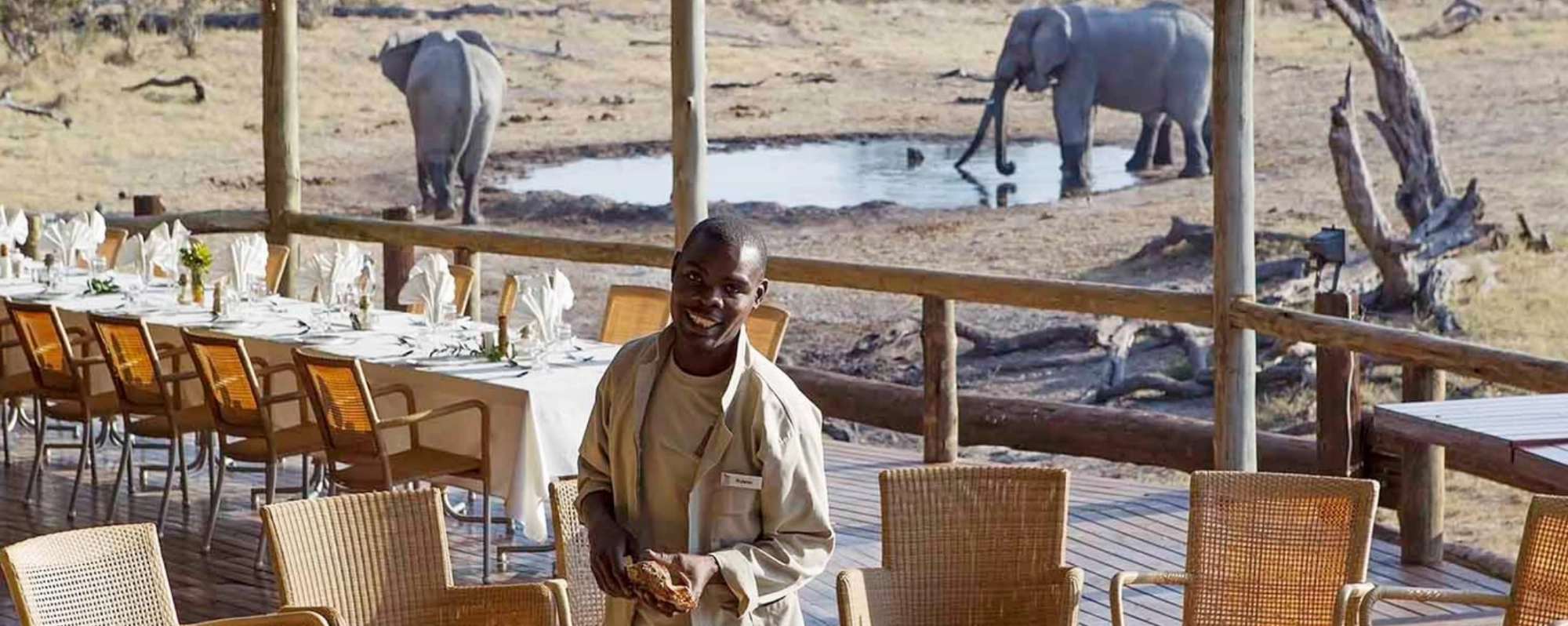
Tracking is a highly specialised skill. A tracker may identify footprints, broken vegetation, scent markings and subtle signs that allow the safari team to locate animals that would otherwise remain unseen.
Where a dedicated tracker accompanies your game drives, approximately US$5–10 per guest per day is a reasonable broad planning range.
Ask the lodge whether the tracker should be tipped separately or whether guide and tracker gratuities are pooled.
The Okavango Delta creates several unique tipping situations because activities are not limited to conventional vehicle safaris.
Depending on water levels and camp location, guests may participate in game drives, guided walks, motorboat excursions and traditional mokoro trips.
If the same professional guide conducts all these activities, there is normally no need to tip after each one. Give the guide a single gratuity when leaving camp.
If a specialist poler or boat guide joins specifically for an activity, a separate modest gratuity may be appropriate.
A mokoro excursion is one of Botswana‘s signature experiences. Traditionally, a mokoro was a dugout canoe, although many tourism operators now use environmentally sustainable fibreglass alternatives.
The poler stands at the rear and manoeuvres the mokoro through shallow channels using a long pole. Skilled polers understand water depth, vegetation, channels and wildlife behaviour and play an important role in guest safety.
If your mokoro poler is separate from your regular safari guide, approximately US$5–10 per guest for a half-day or substantial excursion can be a useful benchmark.
For shorter excursions, a smaller gratuity is entirely reasonable.
Motorboat excursions through the Delta may be conducted by your normal safari guide or by a specialist boat guide.
If your regular guide operates the boat, include the activity in their final gratuity. If a separate guide conducts the excursion, an activity-specific gratuity can be given afterwards.
The principle is to recognise the service relationship rather than tipping repeatedly simply because the mode of transport has changed.
Botswana‘s remote safari camps depend on large teams whose work extends far beyond the employees guests regularly meet.
A comfortable stay may involve chefs, waiters, housekeeping staff, laundry teams, maintenance personnel, gardeners, mechanics, managers, stores employees and other workers who contribute without spending much time directly with guests.
A communal gratuity box is therefore the most appropriate method at many camps.
Approximately US$5–15 per guest per night can be used as a broad planning range for the general staff pool, depending on the service level and the camp’s own recommendations.
Luxury properties may recommend different amounts.
Guests naturally remember the waiter who served dinner or the person who brought coffee before a morning game drive. They may never meet the employee maintaining the camp’s water system or the person washing linen.
If everyone tips only visible employees, gratuities become unevenly distributed.
Communal systems recognise the wider team.

Where a lodge provides a gratuity box, use it unless management advises otherwise.
Usually you should assume the guide is separate unless the property explicitly states otherwise.
Many Botswana camps divide gratuities into:
guide gratuity;
tracker gratuity where applicable;
and general staff gratuity.
Ask the camp manager when uncertain.
A mobile safari is different from a permanent lodge safari. Guests may travel with a professional guide and a camp crew through destinations such as Moremi, Khwai, Savuti and Chobe.
The camp team may establish tents, prepare meals, transport equipment, maintain showers and toilets and move the entire camp between locations.
This is labour-intensive work.
For the general mobile-camp crew, approximately US$5–10 per guest per day can serve as a planning benchmark, with the professional guide tipped separately.
Where a dedicated cook provides all meals throughout the trip, they should benefit from the crew gratuity or receive a separate amount according to the operator’s system.
Chobe itineraries frequently combine land and water activities.
If your lodge guide conducts both game drives and boat safaris, one end-of-stay gratuity is sufficient.
If a separate boat operator conducts your Chobe River cruise, you may give the boat guide or crew a modest gratuity after the excursion.
Chobe also receives many day visitors from Victoria Falls in Zimbabwe and Zambia. These trips may involve transfer drivers, border assistance and safari guides. Do not feel required to tip every handover. Focus on the people who actually provide a substantial service.
Moremi safari camps generally follow standard Botswana lodge practices. Tip your guide or guide-and-tracker team directly and use the communal gratuity system for general staff.
If you stay at several Moremi or Delta camps, settle gratuities at each property rather than waiting until the final day of the entire Botswana trip.
Khwai offers a combination of community concession and wilderness safari experiences, often including game drives, night drives, mokoro trips and walking safaris.
Because several specialists may participate, ask your camp whether guide, tracker and mokoro gratuities are separate.
Do not assume that a single general staff contribution covers specialist guiding.
The same broad principles apply in Savuti and Linyanti. Professional resident guides should be recognised separately from general lodge employees unless the property states otherwise.
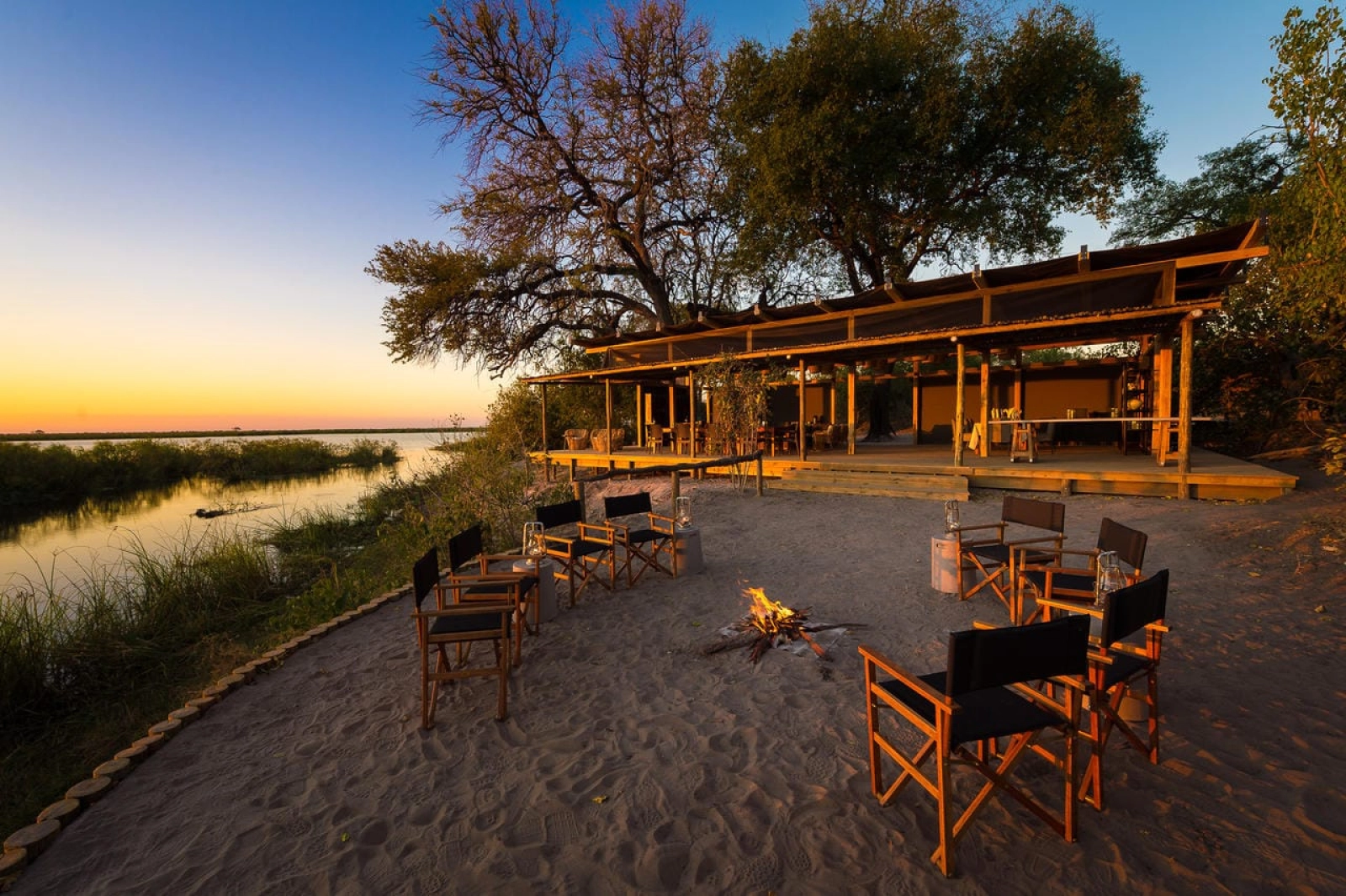
Because wildlife can be highly seasonal, do not evaluate guides purely by sightings. Their knowledge and effort remain valuable even during quieter periods.
Makgadikgadi itineraries may include meerkat experiences, cultural activities, quad-bike excursions, bush walks and seasonal zebra migration safaris.
Where a specialist guide accompanies a separate activity, a modest activity-specific gratuity is appropriate.
If your regular camp guide conducts the activity, include it in the end-of-stay guide gratuity.
Botswana safaris may include community visits or experiences involving San/Basarwa cultural interpretation.
A professional cultural guide who spends meaningful time explaining traditional knowledge, tracking techniques, plants or local history can be tipped for that service.
Avoid indiscriminate distribution of cash, especially to children.
Responsible tourism should support legitimate community tourism structures rather than turning every encounter into a financial exchange.
At restaurants in Gaborone, Maun, Kasane and other towns, approximately 5–10% is a reasonable gratuity for good table service where a service charge has not already been included.
Always check the bill.
Casual cafés and takeaway establishments require much less formal tipping. Rounding up is sufficient where you wish to show appreciation.
Botswana pula (BWP) are ideal for ordinary local gratuities, restaurants and smaller services.
US dollars are also commonly understood within international safari environments and can be convenient for larger guide or camp gratuities.
The best approach is to carry suitable amounts of both.
Small denominations are considerably more useful than large notes.
For an ordinary transfer between Maun Airport and a hotel or between Kasane Airport and a lodge, approximately US$3–5 equivalent is a reasonable small gratuity after good service.
Longer road transfers or particularly helpful luggage assistance may justify more.
If the driver simply transfers you for ten minutes, there is no need to apply a full safari-guide daily rate.
Fly-in safaris rely heavily on light aircraft.
Passengers are generally not expected to tip scheduled safari-flight pilots.
The flight is a transport service rather than a personal guided activity.
If a private charter involves extraordinary assistance, travellers may choose to recognise service, but pilot tipping should not be considered a routine safari requirement.
| Service | Practical Planning Guideline |
|---|---|
| Professional safari guide | Around US$10–20 per guest/day |
| Couple’s private guide | Roughly US$20–40/day collectively |
| Tracker | Around US$5–10 per guest/day |
| General camp staff | Around US$5–15 per guest/night |
| Mokoro poler | Around US$5–10 per guest for substantial excursion |
| Specialist walking guide | Around US$5–15 per guest/activity |
| Mobile safari crew | Around US$5–10 per guest/day |
| Restaurant | Approximately 5–10% if service not included |
| Transfer driver | Around US$3–5 equivalent |
| Light-aircraft pilot | Normally no tip expected |
| Community guide | Modest activity-based gratuity |
| Boat guide/crew | Modest activity-based gratuity |
These amounts are planning guidelines rather than mandatory Botswana tipping rates.
Imagine a couple spending three nights in Moremi, three nights in the Okavango Delta and two nights near Chobe.
They encounter three different guide teams.
If they decide on approximately US$30 per day collectively for guiding, they might allocate about US$240 across the eight safari days.
If they contribute US$15 per night collectively to camp staff pools, another US$120 would be required.
They might then set aside US$40–80 for trackers, mokoro polers, transfer staff and specialist activities.
Their total gratuity budget might therefore be approximately US$400–450, depending on the actual services encountered.
This is an example, not a compulsory package.
A couple taking a seven-day mobile safari may have one professional guide and the same camp crew throughout.
They could allocate approximately US$210–280 collectively for excellent guide service and perhaps US$100–140 collectively for the wider camp team.
The exact amount should reflect service and operator recommendations.
Botswana is renowned for premium and ultra-luxury safari properties. A high room rate does not automatically mean that gratuities are included.
Equally, travellers should not calculate tips as a percentage of an expensive lodge rate.
A lodge costing US$2,000 per person per night does not mean guests need to leave a 10% US$200 nightly gratuity.
Safari gratuities are better calculated according to service categories and daily guidance rather than room-price percentages.
Families should use judgement.
If a lodge publishes a per-guest recommendation, ask whether children are included. For a private guide, consider the overall family group rather than automatically treating young children as independent adult tippers.
At fly-in camps, tip when checking out.
Give guide and tracker gratuities directly where the property recommends this and place the general staff contribution in the designated gratuity box.
For mobile safaris, give gratuities when the expedition ends.
Activity specialists can be recognised immediately after their service.
A frequent mistake is waiting until the end of the entire Botswana trip before thinking about tips, even though the traveller has already left several camps and guide teams behind.
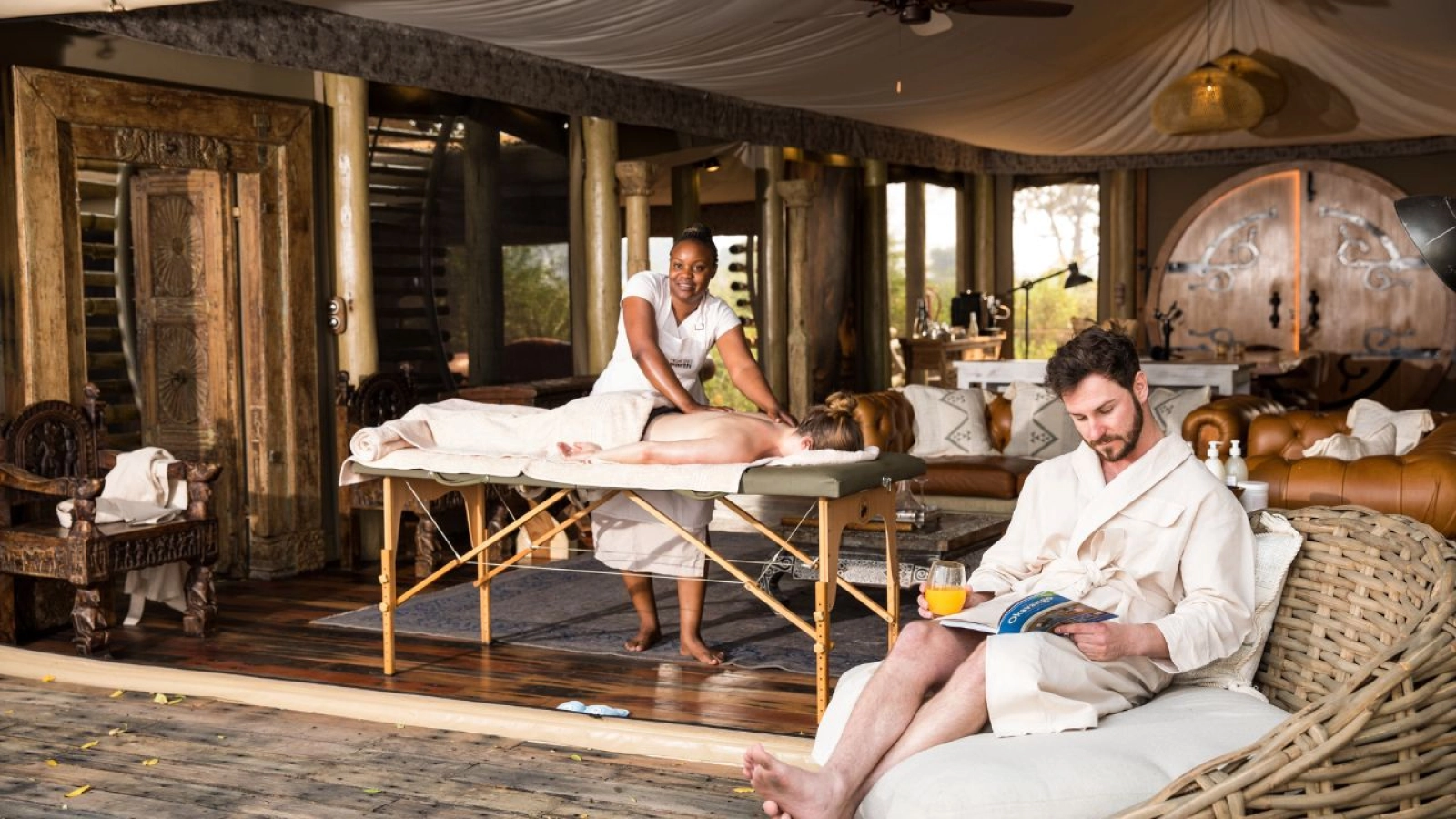
Another is placing everything in the general staff box without realising guides may be excluded.
Travellers may also forget trackers and mokoro polers, or mistakenly tip scheduled pilots because they assume everyone encountered during a luxury safari requires a gratuity.
Ask each camp about its system. Five minutes of clarification eliminates most uncertainty.
Tipping in Botswana is best understood through the country’s camp-based safari model. Rather than carrying one guide throughout the country, many travellers meet a new professional team every few days. This makes it sensible to settle gratuities at each camp.
Recognise your guide and tracker directly, use communal gratuity systems for the wider camp team and give modest separate tips to specialist mokoro, walking or cultural guides where appropriate. Carry small denominations in Botswana pula or US dollars and ask each property how its system works.
Most importantly, judge service according to professionalism, knowledge, safety, hospitality and conservation ethics rather than simply counting wildlife sightings.
A thoughtful gratuity should be an expression of appreciation, not another compulsory safari fee.
Get quick answers to the most common questions. If you still have questions, our safari experts are here to help.
Yes, particularly in the safari industry, although gratuities remain discretionary.
Approximately US$10–20 per guest per day is a useful general planning range.
Approximately US$20–40 per day collectively can be a useful benchmark.
Often yes, unless the camp combines guide and tracker gratuities.
Around US$5–10 per guest per day can be used as a planning benchmark.
Yes, a modest gratuity is appreciated where the poler is separate from your normal guide.
Yes. A communal staff gratuity of approximately US$5–15 per guest per night is a useful general range.
Often not. Ask the property.
Yes, where you have different guides and teams at each property.
Routine tipping of scheduled safari-flight pilots is generally unnecessary.
Yes.
Yes, and pula are especially convenient for smaller local gratuities.
Approximately 5–10% for good table service is reasonable when service has not been included.
Yes. Consider the professional guide separately from the camp crew.
Understand whether each camp treats the guide, tracker and general staff as separate gratuity categories before distributing your tips.
Our safari experts are here to help you plan your safari. Get personalized advice, the latest information and a free, no-obligation quote.
We typically reply within a few hours.

Share This Article
Understanding tipping in Zambia is particularly useful for safari travellers because Zambia is famous for highly personalised wilderness…
Read article
Understanding tipping in Zimbabwe is particularly important for safari travellers because the country has one of southern Africa's…
Read article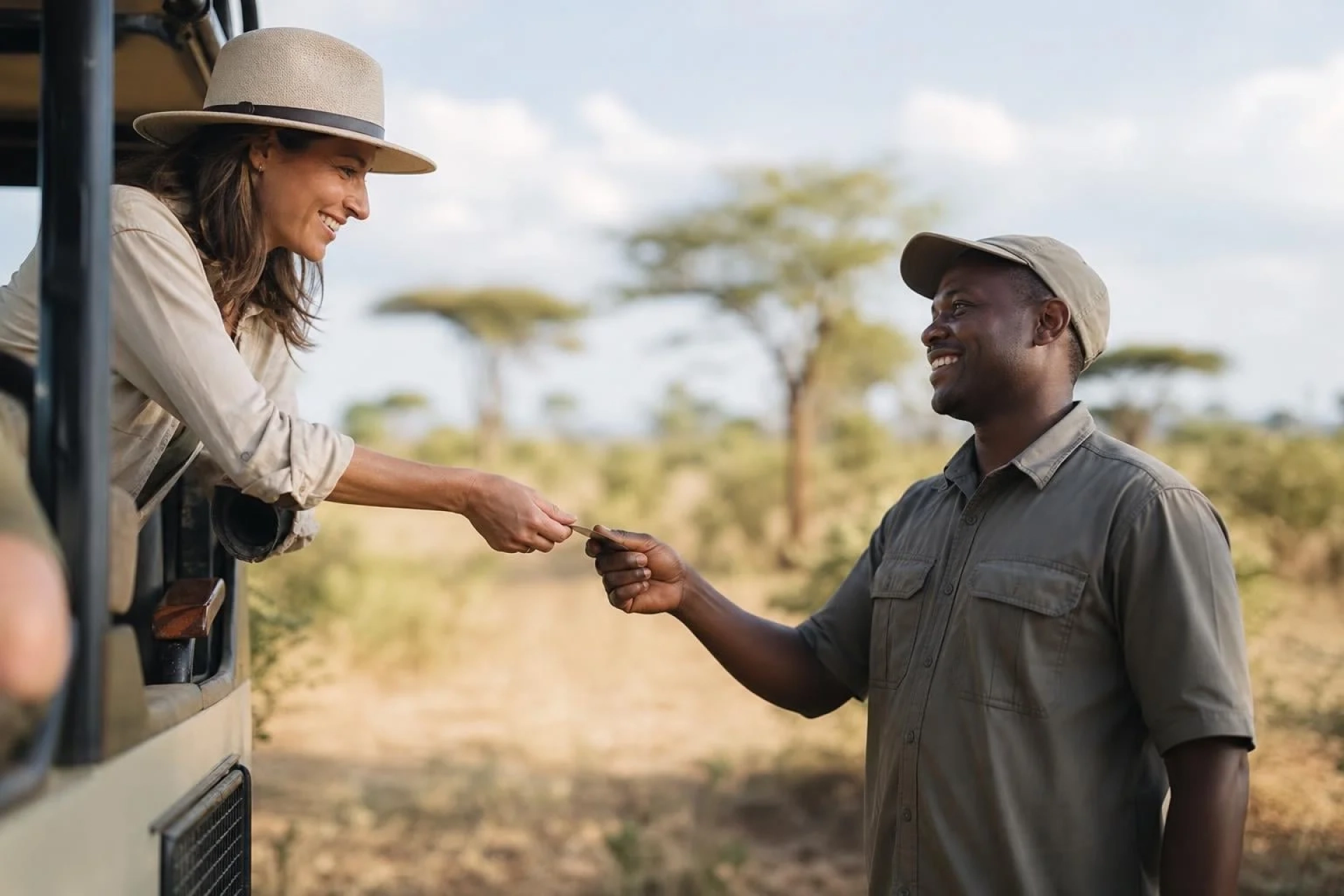
Tipping in Namibia differs subtly from tipping in many other major African safari destinations because a significant proportion…
Read article
Understanding tipping in Tanzania requires more than knowing how much to give a safari driver. Tanzania offers an…
Read articleLet us take you closer to the wildlife, people and places that make Africa extraordinary.
Plan Your Safari Today