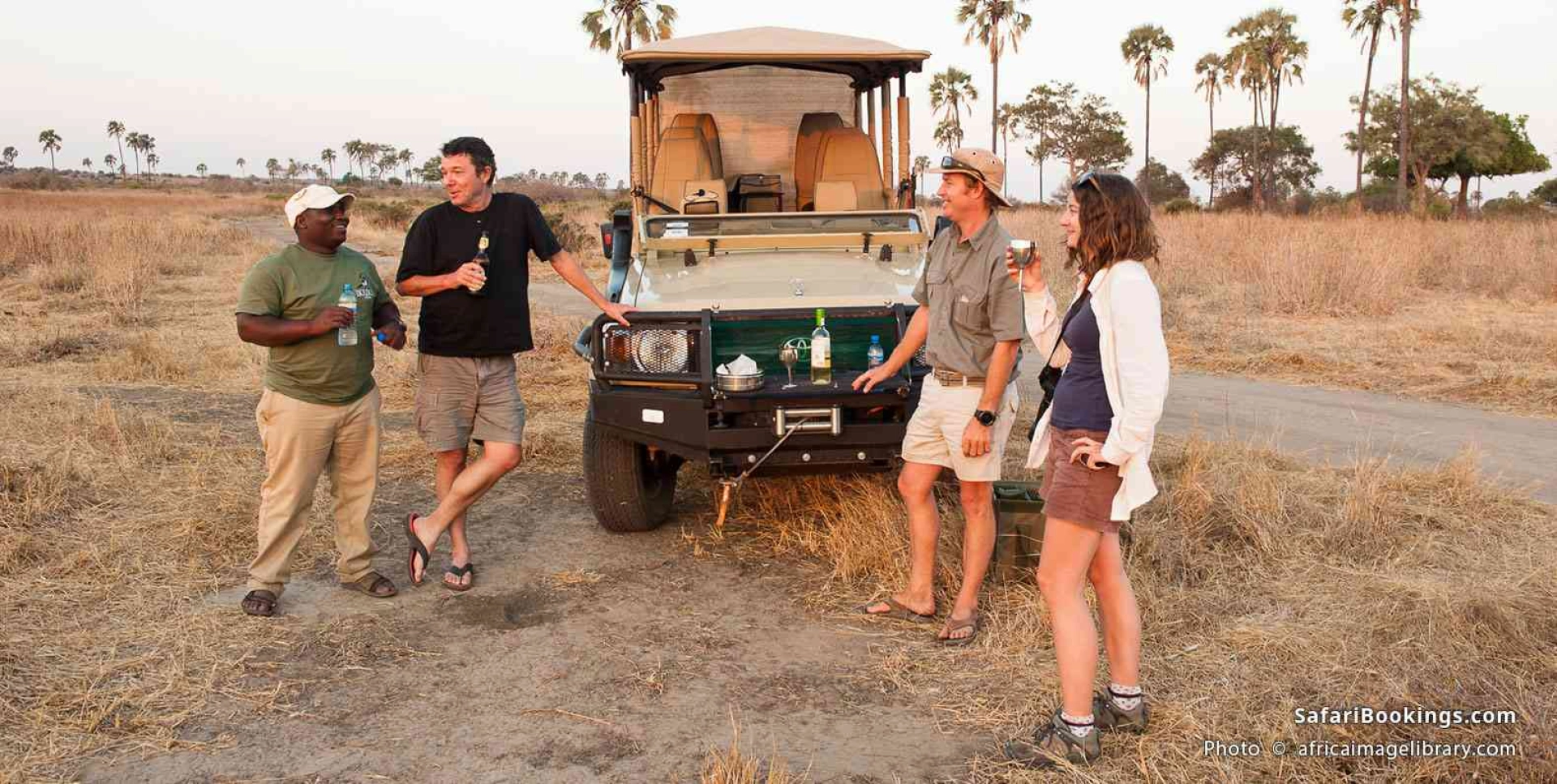
Tipping in Zambia: Complete Safari, Walking Safari & Travel Tipping Guide
Understanding tipping in Zambia is particularly useful for safari travellers because Zambia is famous for highly personalised wilderness…
Read article

Travel Guide
A week is one of the most practical lengths for an African safari. Seven days is long enough to experience several major wildlife areas, yet short enough to fit within a typical vacation schedule. It can…
A week is one of the most practical lengths for an African safari.
Seven days is long enough to experience several major wildlife areas, yet short enough to fit within a typical vacation schedule. It can also be considerably more affordable than a two- or three-week expedition, especially when travelers choose a carefully planned road safari, comfortable mid-range accommodation and a route that avoids unnecessary flights or excessive transfers.
The best 7 day African safari tours can include mountain gorillas, chimpanzees, lions, elephants, leopards, giraffes, rhinos, hippos and extraordinary landscapes. One week can take you through Uganda’s rainforest and savannah parks, across Kenya’s Great Rift Valley to the Masai Mara, around Tanzania’s Serengeti and Ngorongoro region, or through a carefully selected combination of destinations. The key is itinerary design. Seven days is enough for a memorable safari, but it is not enough to visit half of Africa.
Travelers get far more value by choosing a logical route and spending meaningful time in several strong destinations rather than racing through a long list of national parks simply to say they have been there. This guide compares some of the best affordable 7 day African safari tours, with a particular focus on East Africa and the wildlife experiences that can realistically fit into one week.
Yes. For many travelers, seven days is actually close to an ideal first safari length. A three-day safari can be excellent if focused on one destination, but long road transfers may consume a significant proportion of the trip. Seven days gives you enough time to settle into safari rhythm. You can experience early-morning game drives, long afternoons around wildlife-rich plains, boat safaris, guided walks or primate trekking without feeling that every night must be spent in a different lodge.
Seven days also creates enough flexibility to combine contrasting ecosystems. In Uganda, rainforest primates can be combined with savannah wildlife. In Kenya, Rift Valley destinations can lead naturally into the Masai Mara. In Tanzania, travelers can move through Tarangire and Ngorongoro before spending several nights in the Serengeti. A carefully planned week can therefore feel considerably longer than an itinerary overloaded with destinations.
Wildlife depends on the countries and national parks selected. Across East Africa, travelers may see: lions, elephants, buffaloes, leopards, cheetahs, giraffes, zebras, wildebeest, hippos, crocodiles, rhinos, hyenas, antelopes and hundreds of bird species. Uganda and Rwanda add the possibility of seeing mountain gorillas. Uganda also offers excellent chimpanzee trekking, particularly in Kibale National Park. Kenya and Tanzania are especially strong for classic open-savannah wildlife. The Masai Mara and Serengeti are internationally famous for predators and seasonal migration activity.
Lake Nakuru can provide rhino sightings, while Amboseli is renowned for elephants and views of Mount Kilimanjaro. The important thing to understand is that wildlife sightings are natural rather than staged. A professional safari guide improves the chances of finding animals, but no ethical operator should guarantee particular sightings.
Every safari contains certain fixed expenses. A safari vehicle, professional guide, fuel and airport transfers must be paid for whether the safari lasts three days or seven. On very short trips, those fixed costs are spread across fewer days. A seven-day itinerary can therefore provide better overall value. Longer stays in individual destinations can also reduce unnecessary transport. Instead of spending money constantly moving from one park to another, you invest more time in wildlife viewing.
This is particularly useful for private safaris where the same guide and vehicle may accompany you through much of the itinerary.
Uganda is one of the strongest destinations for travelers who want maximum wildlife variety within one week. A 7 day Uganda safari can combine chimpanzees, savannah wildlife and mountain gorillas. One logical route is to travel from Entebbe or Kampala toward western Uganda.
Kibale is one of Africa’s best-known chimpanzee destinations. The forest supports numerous primate species, with chimpanzee tracking being the main attraction. Walking through tropical forest creates an experience completely different from a traditional vehicle safari. The sounds, humidity, vegetation and limited visibility make every encounter feel immersive. Travelers may hear chimpanzees before seeing them. Their calls travel through the forest while guides use experience, tracks and sound to locate groups.
From Kibale, a seven-day itinerary can continue toward Queen Elizabeth National Park. The park combines savannah, wetlands, crater landscapes and channels. Game drives can reveal elephants, buffaloes, antelopes and predators. One of the park’s most enjoyable activities is a boat safari on the Kazinga Channel. Hippos, crocodiles, elephants, buffaloes and waterbirds can often be seen along the banks. The boat safari provides a completely different perspective from a game drive and gives photographers excellent opportunities.
The final major highlight can be gorilla trekking in Bwindi. Trekkers enter the forest with trained guides and trackers searching for a habituated mountain gorilla family. The difficulty varies according to gorilla location, terrain and conditions on the day. Once the gorillas are located, visitors follow strict viewing regulations. For many travelers, the encounter becomes the defining experience of their African journey.
The major advantage is variety. Within one week, travelers can experience chimpanzees, mountain gorillas, game drives, boat safaris and several completely different landscapes. Few safari destinations offer such diversity within a relatively compact itinerary.
Travelers who prefer less forest trekking can build their Uganda itinerary around Bwindi, Queen Elizabeth and Lake Mburo. Lake Mburo is one of Uganda’s smaller savannah parks and works well near the beginning or end of many southwestern safari routes. Unlike many major African parks, Lake Mburo can offer opportunities for walking safaris and other activities that bring travelers closer to the landscape. The park is known for zebras, impalas and other plains wildlife.
Queen Elizabeth then provides larger-scale game viewing and the Kazinga Channel. Bwindi adds gorilla trekking. This combination works particularly well for first-time visitors who want gorillas but still want several days of conventional safari.
For travelers dreaming of classic African savannah scenery, a 7 day Kenya safari is an excellent choice. A popular route can combine Amboseli National Park, Lake Nakuru National Park and Masai Mara National Reserve.
Amboseli is famous for its elephants. Large herds move through open plains and wetlands, often with Mount Kilimanjaro appearing in the background when weather conditions are clear. The landscape offers some of East Africa’s most recognizable safari photography. Amboseli also supports lions, buffaloes, giraffes, zebras, wildebeest and numerous birds.
Lake Nakuru provides a useful transition between Amboseli and the Masai Mara. It is particularly important for rhino conservation. The combination of lake, woodland and grassland makes the park ecologically different from the open Mara.
The safari can finish with several nights in the Masai Mara. This should be the itinerary’s longest stay rather than simply another overnight stop. The Mara supports excellent predator populations, including lions, cheetahs and leopards. Elephants, giraffes, buffaloes, wildebeest and zebra are widespread. During periods when migrating herds are present, wildlife concentrations can become extraordinary.
This route offers a classic introduction to Kenya. Amboseli brings elephants and Kilimanjaro. Lake Nakuru adds rhinos and Rift Valley scenery. The Masai Mara provides large-scale savannah wildlife and predator viewing. For a first African wildlife safari, it is difficult to find a stronger one-week combination.
Not every seven-day safari needs three or four parks. Travelers often have a better experience by focusing on two excellent ecosystems. A Masai Mara and Amboseli combination gives you more time in each destination. This is particularly beneficial for photographers. Wildlife experiences improve with patience. Lions may sleep for hours before becoming active. Elephants may slowly approach a waterhole. A cheetah may spend the morning scanning the horizon before beginning to hunt.
If you constantly change parks, you reduce the opportunity to observe this behavior. A slower seven-day route can therefore provide better wildlife experiences than a safari covering twice as many destinations.
A 7 day Tanzania safari can deliver some of Africa’s most famous wildlife destinations. One of the strongest combinations includes Tarangire National Park, the Ngorongoro conservation landscape and Serengeti National Park.
Tarangire is known for elephants and baobab trees. The landscape is distinctive, particularly during periods when wildlife gathers around reliable water sources. The park often provides an excellent introduction to northern Tanzania.
The Ngorongoro Crater is one of Africa’s most dramatic safari landscapes. Wildlife lives within and around the enormous volcanic caldera. Descending toward the crater floor creates an unforgettable sense of scale. Animals can include lions, buffaloes, elephants, zebras, wildebeest, hyenas and, with good fortune, rhinos.
The Serengeti should receive the largest share of time. Its enormous grasslands and wildlife diversity justify several days. Predators are a major attraction. Lions are widespread, while cheetahs and leopards may also be encountered. The Serengeti is additionally central to the Great Wildebeest Migration. Different areas become particularly important at different times of year. A properly designed itinerary should therefore consider season when selecting accommodation.
This is one of Africa’s greatest conventional safari itineraries. It combines elephants, volcanic landscapes, predators and vast savannah. It also offers opportunities to experience migration activity depending on season and animal movements.
Travelers wanting both wildlife and the beach can structure a week differently. Rather than spending all seven days on safari, you could dedicate four or five days to Tanzania’s northern safari circuit and spend two or three nights on Zanzibar. This creates a faster-paced itinerary but works for travelers with limited total vacation time. For a more relaxed journey, however, we generally recommend treating Zanzibar as an extension beyond the seven safari days.
A 7 day safari followed by 4 or 5 nights in Zanzibar creates a particularly strong honeymoon or couple’s itinerary. Safari mornings can be active and intense. The beach then provides an opportunity to slow down.
Uganda and Rwanda can be combined effectively within one week. A cross-border itinerary might include Kigali, Volcanoes National Park, Bwindi and additional wildlife or cultural experiences. Alternatively, travelers can arrive in Rwanda and cross into Uganda for gorilla trekking depending on the selected itinerary. One major advantage of combining the countries is logistical flexibility. Kigali may be a practical arrival or departure point for some southwestern Uganda safaris. The route can also include Lake Bunyonyi or other scenic stops.
This type of itinerary is especially attractive to travelers whose primary focus is gorillas rather than extended savannah game viewing.
Another interesting combination pairs mountain gorillas with classic wildlife in Akagera National Park. Akagera lies in eastern Rwanda and contains savannah, woodland, wetlands and lakes. Travelers can experience game drives in Akagera before continuing west or crossing toward Uganda’s gorilla region. This creates a compact multi-country safari involving very different environments. The experience works particularly well for travelers wanting Rwanda’s excellent road infrastructure but also interested in Bwindi.
More ambitious travelers can combine gorilla trekking with a short classic wildlife safari. For example, several days in Uganda or Rwanda can be followed by a flight toward Kenya. A traveler might trek gorillas in Bwindi before continuing to the Masai Mara. Another possibility is Rwanda gorillas followed by Tanzania. These itineraries involve flights and generally cost more than single-country road safaris, but the contrast is exceptional. A mountain gorilla encounter in dense rainforest followed by lions and elephants on open savannah creates a safari with enormous ecological variety.
For classic wildlife, Kenya and Tanzania are outstanding. For travelers who consider gorillas essential, Uganda is particularly strong. Uganda’s advantage is that one week can include gorilla trekking plus conventional wildlife, giving first-time visitors two very different safari experiences. Kenya’s advantage is iconic savannah. The Masai Mara delivers exactly the kind of landscapes many travelers picture when imagining Africa. Tanzania’s northern circuit provides outstanding wildlife alongside famous destinations such as Serengeti and Ngorongoro.
The best choice therefore depends on what you would regret missing. If that answer is “mountain gorillas,” choose Uganda or Rwanda. If it is “lions on endless plains,” look toward Kenya or Tanzania.
Potentially, yes, depending on destination. The traditional Big Five are lion, leopard, elephant, buffalo and rhino. Kenya, Tanzania, South Africa and several other countries have safari regions where all five occur. However, a safari is not a zoo. Leopards in particular can be elusive. Even when all five species inhabit the itinerary’s parks, no operator should guarantee sightings. A skilled guide and sufficient time dramatically improve the chances.
Absolutely. Seven days is an excellent timeframe for gorilla trekking. In Uganda, you can combine Bwindi with Queen Elizabeth and Kibale. Travelers who primarily want gorillas can build a shorter overland route and use the extra time for another trek or scenic experiences. Gorilla permits are limited and must be planned into the itinerary in advance. The permit date influences accommodation and routing, so it is usually one of the first elements we confirm when designing a gorilla safari.
There is no single price. The cost varies according to country, accommodation category, group size, season and activities. A safari including gorilla permits will have different fixed costs from a Kenya savannah safari. Luxury fly-in itineraries can cost several times more than budget or mid-range road trips. When comparing prices, make sure quotations include the same components. Look at: park entry fees, gorilla or chimpanzee permits, accommodation, meals, vehicle, professional guide, airport transfers, boat trips, domestic flights, and any excluded activities.
A safari that appears cheaper may exclude significant expenses.
Budget safari accommodation focuses on functionality. Rooms or tents are simpler, and facilities may be limited compared with high-end camps. However, the wildlife itself is exactly the same. Budget travel works particularly well for travelers who spend most daylight hours exploring.
Mid-range is often the strongest value category. Accommodation usually provides private bathrooms, comfortable beds, good meals and attractive settings. For many travelers, there is little need to spend considerably more unless particular luxury features are important.
Luxury safaris offer premium accommodation, highly personalized service and often exceptional locations. Private concessions, plunge pools, gourmet meals and fly-in connections can all increase price. For honeymooners or special occasions, these experiences may be worth the additional cost.
A private safari provides flexibility. You can leave early, spend longer at wildlife sightings and adapt the pace within the limits of park rules and booked activities. Families, couples and photographers generally benefit from private vehicles. Group tours reduce the per-person cost because transport expenses are shared. They can be excellent for solo travelers. The trade-off is reduced flexibility. A group must compromise on departure times, wildlife sightings and comfort preferences.
Road safaris are particularly useful for travelers looking for affordable African safari tours. East Africa’s major safari destinations can often be linked overland. Using one vehicle and guide across several destinations simplifies logistics and reduces the need for expensive domestic flights. Road travel also reveals landscapes that air transfers miss. You see towns, farms, mountains, lakes and rural communities between parks. However, distance matters. Not every destination that looks close on a map can be reached quickly.
A good itinerary uses realistic driving times.
The easiest way is to reduce the number of destinations. Every lodge change costs time. Packing, checking out, driving, checking in and unpacking all reduce the hours available for wildlife. Three well-selected destinations are usually better than five rushed ones. In some cases, two ecosystems are enough. This is especially true for photographers or travelers who enjoy slower travel.
A week works extremely well for couples. Private safaris allow a relaxed schedule and intimate wildlife experience. Uganda provides adventurous gorilla trekking. Kenya and Tanzania provide classic savannah romance. Couples celebrating honeymoons can add beach nights afterward. Zanzibar is particularly convenient following Tanzania and can also be reached from other East African destinations.
Families should avoid extremely long daily drives. A private vehicle provides greater flexibility because game drives can finish when children become tired. Accommodation with family rooms should be booked early. Some activities, particularly gorilla trekking and chimpanzee tracking, have minimum-age rules. Families with younger children may therefore prefer Kenya, Tanzania or selected safari regions of South Africa.
Solo travel can become expensive because private transport costs are not shared. Scheduled group safaris can reduce this problem. Traveling during periods with confirmed departures may also make finding shared options easier. Solo travelers wanting gorilla trekking can sometimes join selected departures while still enjoying private accommodation.
Photographers should prioritize time in productive ecosystems. For example, rather than spending one night each in four parks, consider spending three nights in the Masai Mara or Serengeti. Photography improves when you have time to revisit areas. Morning light, evening light and animal behavior change constantly. A private vehicle also helps photographers because the guide can position the vehicle around light and viewing angles where park rules permit.
The answer depends on the destination. Kenya and Tanzania have seasonal wildlife patterns influenced by rainfall and the migration. Uganda and Rwanda offer gorilla trekking year-round. South Africa has different climate patterns from East Africa. Instead of asking for Africa’s single “best month,” choose your destination first and then evaluate its seasons. Peak season can provide excellent conditions but also higher prices and more visitors. Shoulder seasons can provide very good wildlife viewing at more attractive rates.
Seven days provides enough time for a migration-focused safari if the itinerary is concentrated in the correct region. The migration moves through the Serengeti-Mara ecosystem throughout the year. Different stages include calving, northward movement and periods when large herds may approach river systems. The most important factor is accommodation location. Staying several hours away from the expected wildlife concentration simply because a lodge is cheaper can undermine the purpose of the trip.
A migration safari should therefore be designed around seasonal geography.
A gorilla-focused safari can include far more than the actual trekking day. Uganda allows travelers to add Lake Bunyonyi, Queen Elizabeth, Lake Mburo or chimpanzee trekking. Some travelers may even choose more than one gorilla trek where permits and budget allow. Repeating the activity can produce a surprisingly different experience because each gorilla family and trekking day is unique.
East Africa is extraordinarily rich in birdlife. Uganda, Kenya, Tanzania and Rwanda can all produce rewarding birding itineraries. Bird-focused travelers generally move more slowly than conventional safari groups. A good birding safari emphasizes habitat diversity rather than the greatest number of famous national parks. Forests, wetlands, savannah and lakes each support different species.
Safari travel can include cultural experiences when approached respectfully. Community visits, guided village walks, coffee tours and other experiences can help travelers understand the human landscapes around protected areas. These activities should complement rather than replace wildlife time if safari remains the primary purpose. A well-designed seven-day itinerary can usually include at least one cultural experience without becoming rushed.
A good safari vehicle is essential. East African private safaris commonly use customized 4×4 vehicles with pop-up roofs. These provide elevated viewing during game drives while allowing the roof to close during transfers. Seat configuration matters. Travelers should have adequate viewing access. For six or seven days on the road, comfort becomes particularly important.
The guide may be the single most important person influencing your safari. Experienced guides understand wildlife behavior, park geography and seasonal movements. They know how to position the vehicle respectfully and when to leave crowded sightings. They also explain the landscapes you pass between parks. A lower-cost itinerary with an excellent guide can be more rewarding than an expensive lodge-based safari with mediocre guiding.
Travel with companions so vehicle costs are shared. Choose mid-range or budget accommodation. Travel by road where sensible. Avoid unnecessary domestic flights. Consider shoulder-season dates. Limit the number of parks. Choose strategically located accommodation so you do not waste fuel and time commuting. And compare complete safari costs rather than headline rates.
If your schedule permits, adding two or three days can improve an itinerary substantially. This is particularly true when adding a beach stay. Instead of squeezing safari and Zanzibar into seven days, consider seven days of safari followed by three or four beach nights. Likewise, travelers flying long distances to Africa may decide that ten days offers better value once airfare is considered. However, if seven days is the time you have, a focused itinerary can still be exceptional.
At Adventure in the Wild Safaris, we design one-week safaris around what travelers actually want to see. Your seven days can concentrate on Uganda gorilla trekking, combine chimpanzees and wildlife, explore the Masai Mara, follow a Tanzania circuit through Serengeti and Ngorongoro, or create a customized East African combination. Accommodation can be budget, mid-range or luxury. Private safaris can be designed for couples, families, friends and solo travelers. Where suitable, we can also add Zanzibar or another beach destination after the safari.
The aim is not to squeeze the greatest possible number of parks into seven days. It is to maximize the quality of the wildlife experience.
The best 7 day African safari tours prove that you do not need several weeks to experience extraordinary wildlife. One carefully planned week can take you from chimpanzees calling through Uganda’s rainforest to mountain gorillas in Bwindi. It can bring you beneath Kilimanjaro among Amboseli’s elephant herds and onward to lions in the Masai Mara. It can lead from Tarangire’s baobabs into the Ngorongoro Crater and across the vast Serengeti. The key is focus.
Choose the wildlife experience you care about most. Select a route that makes geographical sense. Spend enough time in each ecosystem. Work with experienced guides. And avoid sacrificing quality simply to increase the number of destinations on the itinerary. For many travelers, seven days represents one of the best balances between safari cost, vacation time and wildlife variety. Whether you choose Uganda, Kenya, Tanzania, Rwanda or a carefully designed combination, a week in Africa can deliver the kind of wildlife encounters that remain vivid for the rest of your life.
Get quick answers to the most common questions. If you still have questions, our safari experts are here to help.
Yes. Seven days is enough for an excellent safari if destinations are selected logically and excessive transfers are avoided.
Uganda, Kenya and Tanzania are all outstanding. Uganda is especially good for combining gorillas and wildlife. Kenya and Tanzania are excellent for classic savannah safaris.
Yes. A seven-day Uganda safari can include gorilla trekking plus chimpanzees or conventional game viewing.
Absolutely. A week allows the Mara to be combined with destinations such as Lake Nakuru or Amboseli.
Yes. A seven-day northern Tanzania itinerary can comfortably combine Serengeti, Ngorongoro and another destination such as Tarangire.
It is possible, but we generally recommend avoiding too many border crossings and transfers within such a short trip. A longer itinerary often provides better value.
Yes. Uganda and Rwanda can work well together, particularly for gorilla-focused travel.
Yes. Private seven-day safaris can be excellent for honeymooners, particularly when followed by a Zanzibar or Indian Ocean beach extension.
Mid-range accommodation provides the best balance for many travelers. Budget options reduce costs, while luxury camps add premium facilities and service.
For couples, families and photographers, a private vehicle often adds considerable value through flexibility.
Book early if the itinerary includes gorilla permits, migration-season camps or travel during major holiday periods.
Our safari experts are here to help you plan your safari. Get personalized advice, the latest information and a free, no-obligation quote.
We typically reply within a few hours.

Share This Article
Understanding tipping in Zambia is particularly useful for safari travellers because Zambia is famous for highly personalised wilderness…
Read article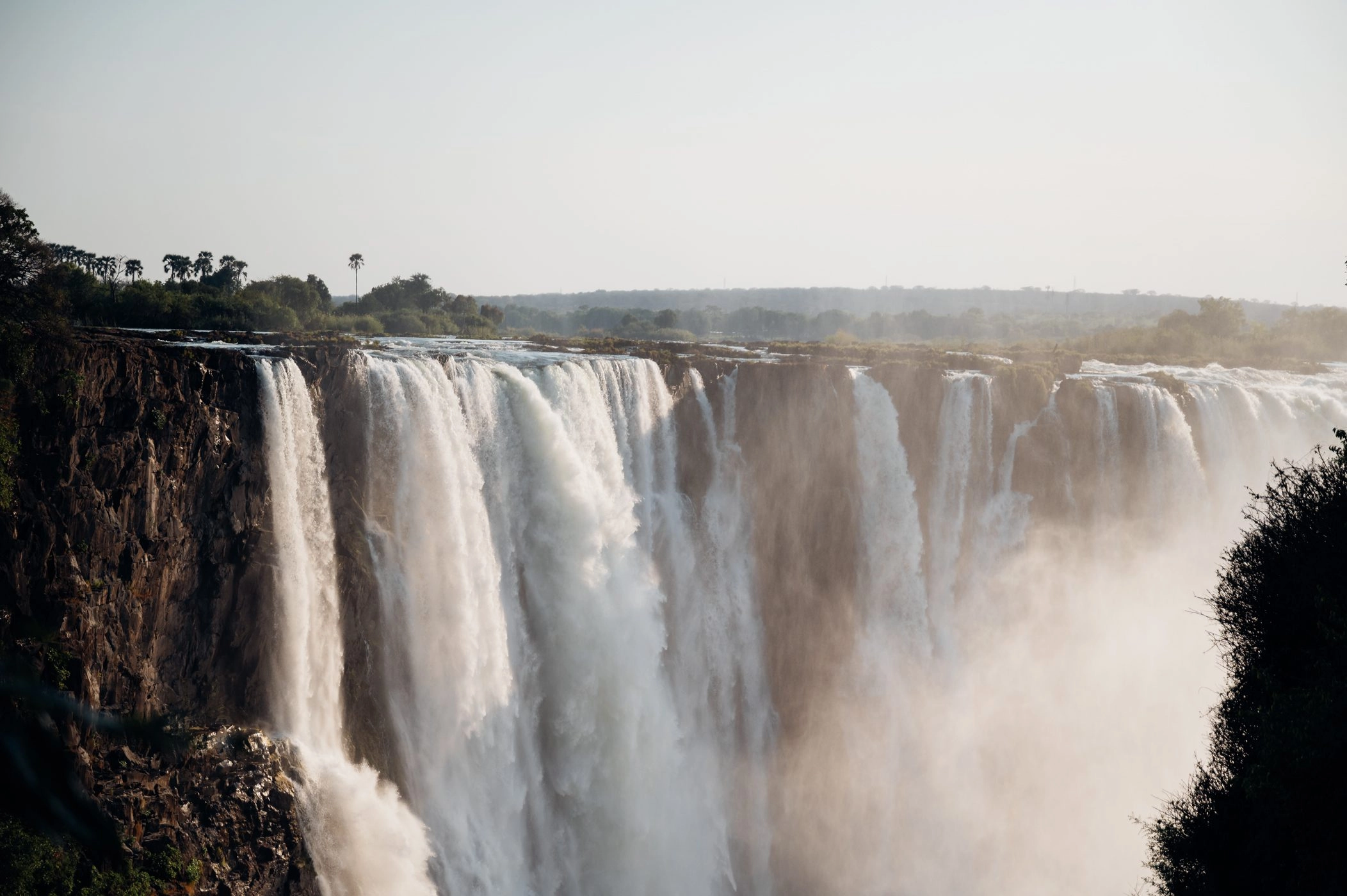
Understanding tipping in Zimbabwe is particularly important for safari travellers because the country has one of southern Africa's…
Read article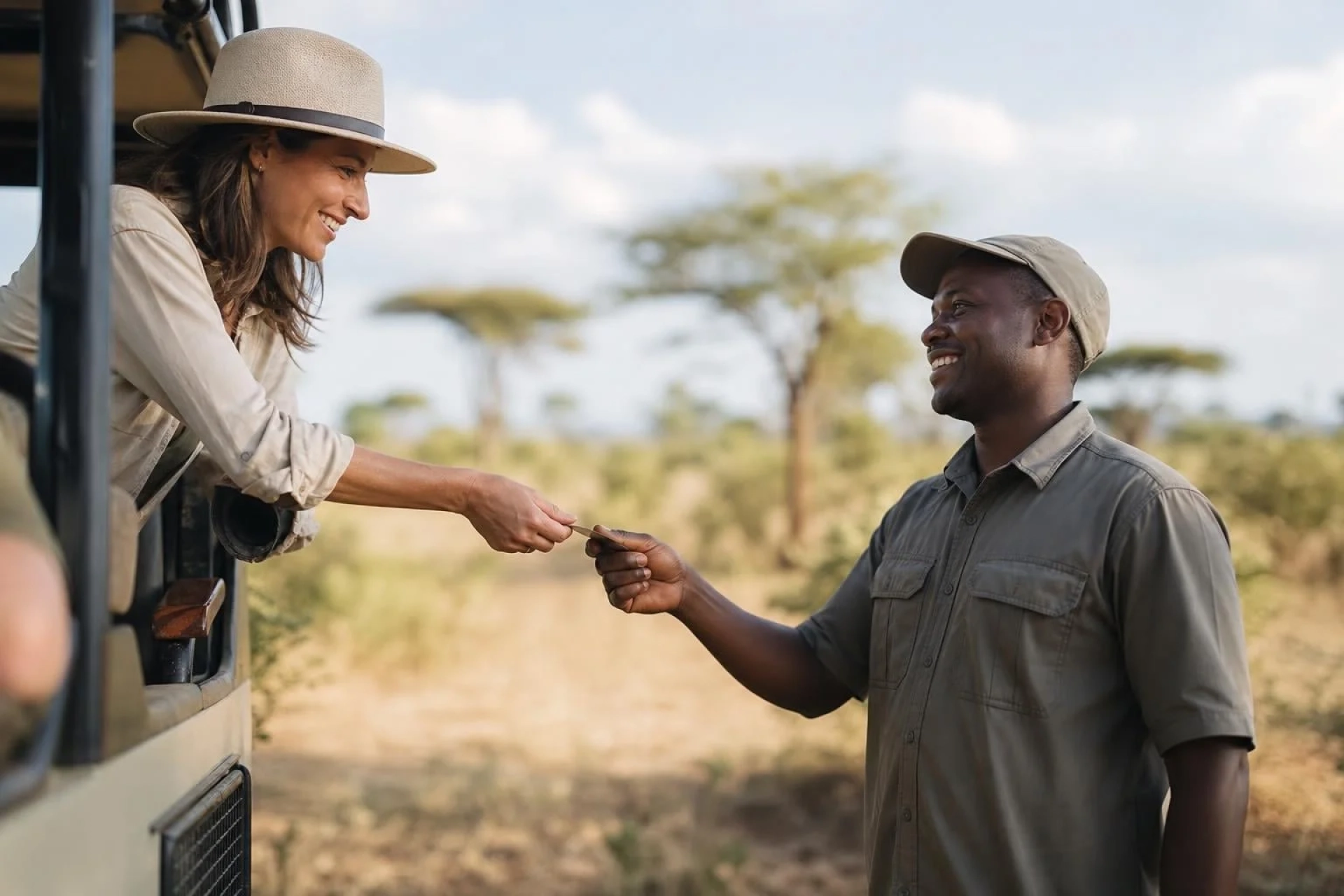
Tipping in Namibia differs subtly from tipping in many other major African safari destinations because a significant proportion…
Read article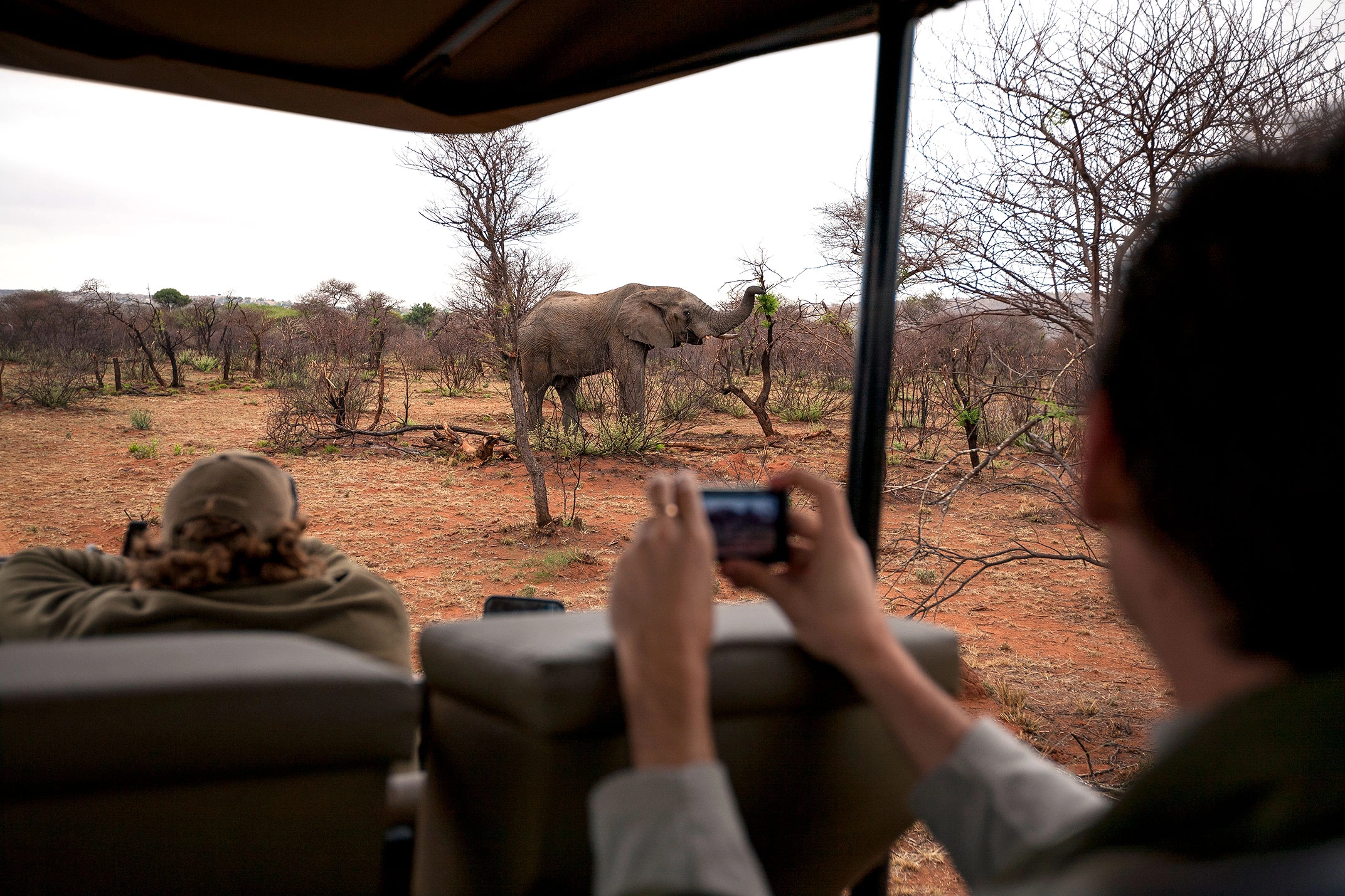
Tipping in Botswana is relatively easy once travellers understand how the country's safari industry operates. Unlike many East…
Read articleLet us take you closer to the wildlife, people and places that make Africa extraordinary.
Plan Your Safari Today