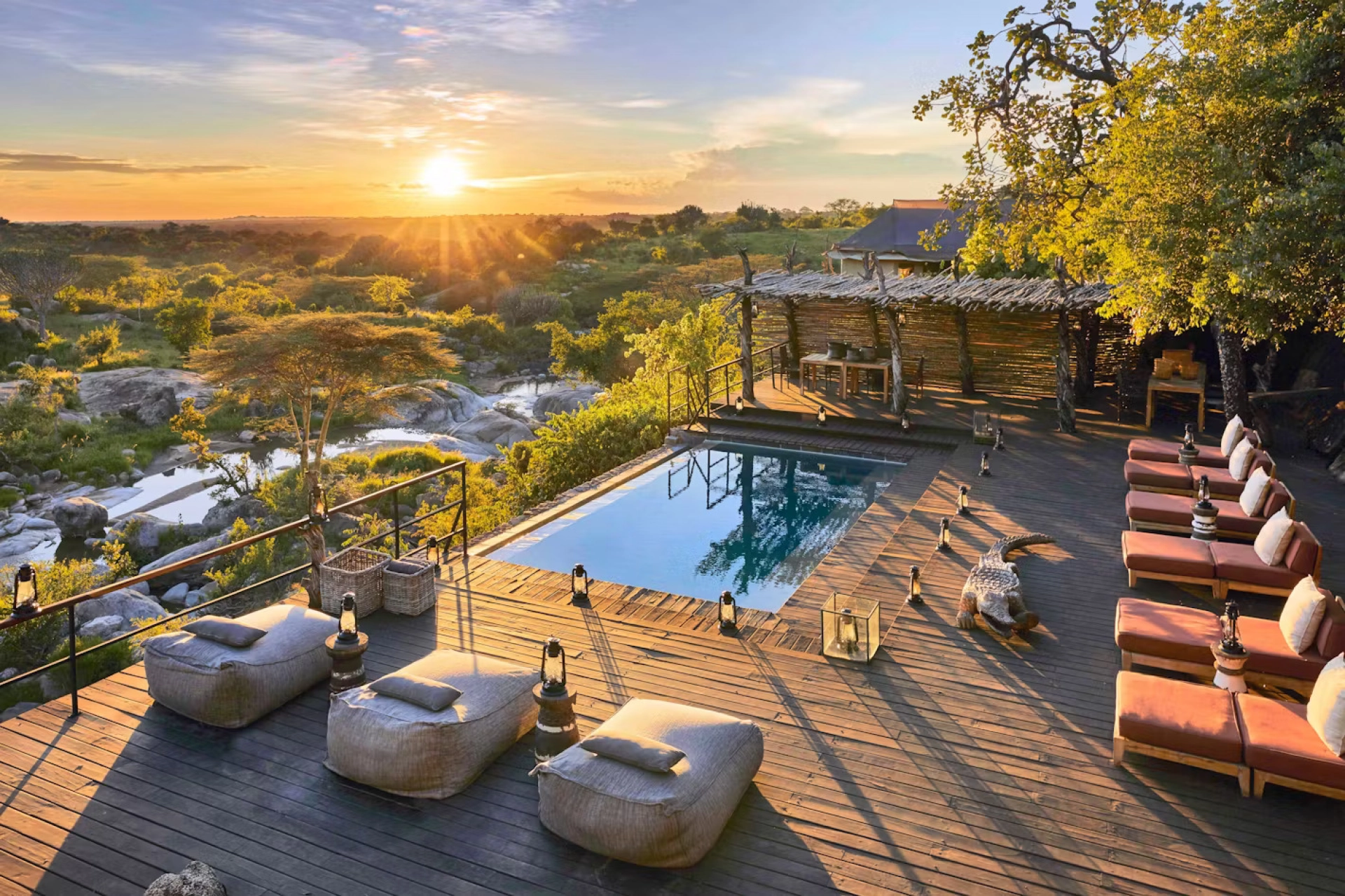
What should I look for when booking a luxury African safari?
When booking a luxury African safari, look beyond the room and compare the quality of guiding, wildlife location,…
Read article

Travel Guide
Packing for an African safari is less about creating the stereotypical head-to-toe khaki "safari look" and much more about preparing intelligently for changing temperatures, dust, sunshine, rain, long days in a vehicle and, depending on your…
Packing for an African safari is less about creating the stereotypical head-to-toe khaki “safari look” and much more about preparing intelligently for changing temperatures, dust, sunshine, rain, long days in a vehicle and, depending on your itinerary, physically demanding activities such as gorilla trekking in Uganda, chimpanzee trekking in Kibale, walking safaris or mountain hikes.
A traveler heading exclusively to a luxury lodge in the Masai Mara requires a different wardrobe from someone combining Bwindi Impenetrable National Park, Queen Elizabeth National Park and Kibale Forest. A photographer carrying two camera bodies needs a different luggage strategy from a honeymooner traveling with one smartphone. A guest flying between remote safari airstrips must think more carefully about luggage weight and bag construction than someone traveling entirely by road in a private safari vehicle.
That is why the best African safari packing list is not simply a checklist copied from another traveler. It should reflect where you are going, what you are doing, how you are traveling and the time of year. The encouraging news is that safari packing does not need to be complicated. Most travelers need far less than they initially imagine.
Comfortable neutral clothing, reliable footwear, sun protection, a lightweight waterproof layer, essential medications, binoculars or camera equipment and a sensible daypack will cover most situations. The biggest packing mistake is usually bringing too much rather than too little. This detailed African safari packing guide explains what to wear, which footwear works best, how to pack for gorilla trekking, what camera equipment is useful, how to prepare for domestic safari flights and what you can safely leave at home.
Before buying safari clothing, read your itinerary carefully. Are you visiting Uganda? Rwanda? Kenya? Tanzania? South Africa? Botswana? Victoria Falls? Are you trekking mountain gorillas? Are you staying in tented camps? Are you taking domestic flights? Are you climbing a mountain? Are you ending with a beach holiday? Each answer changes what belongs in your bag. A classic Uganda gorilla and wildlife safari, for example, may move between Entebbe, Kibale National Park, Queen Elizabeth National Park and Bwindi. You can experience warm afternoons on the savannah and cool mornings in the highlands within the same trip.
Packing only lightweight tropical clothing would therefore be a mistake.
One of the most persistent safari misconceptions is that Africa is uniformly hot. It is not. Temperatures vary dramatically according to altitude, season, region and time of day. Early-morning game drives can feel surprisingly cold. Highland areas around Bwindi, Mgahinga and Volcanoes National Park can become cool, particularly after sunset. The Ngorongoro Highlands can be chilly. Southern African winters can produce very cold mornings. Then, only a few hours later, the afternoon sun may become intense.
This is why layering is the foundation of good safari clothing.
Instead of packing one extremely heavy jacket, carry several lighter layers. Begin with a breathable shirt. Add a light fleece or sweater. Use a windproof or waterproof outer layer when necessary. As the day warms, remove layers. This works particularly well during game drives because safari vehicles can feel cold while moving before sunrise and much warmer once the vehicle stops in direct sunlight. Layering also saves luggage space.
Neutral colors are practical. Khaki, olive, brown, beige, muted green and similar earth tones work well because they hide dust and blend naturally into safari environments. You do not need to purchase an entirely new wardrobe in “safari colors.” Comfort is more important than fashion. For ordinary vehicle-based game drives, a plain grey or dark blue shirt is not going to destroy your safari. However, neutral colors become more valuable during walking activities and primate trekking because they are less visually intrusive.
Extremely bright clothing is generally unnecessary. You are entering natural environments rather than attending a festival. Muted clothing photographs well, hides dirt and is easier to combine. This does not mean every item must be khaki. The objective is practicality.
Travelers should be cautious with military-style camouflage. Rules and social interpretations differ between African countries, and camouflage patterns can be associated with military or security personnel. There is no reason to complicate your safari wardrobe. Choose ordinary neutral outdoor clothing instead.
The ideal safari shirt is lightweight, breathable and comfortable. Long sleeves are extremely useful. They provide sun protection. They help protect the arms from vegetation. They can provide an additional barrier against insects. Sleeves can be rolled up when temperatures rise. Quick-drying materials are particularly convenient because clothing can often be washed during a longer safari. You do not need ten shirts. A few good-quality tops rotated through the journey are normally sufficient.
T-shirts work perfectly well for many game-drive days. Choose breathable fabrics. Avoid packing only heavy cotton garments if your itinerary involves frequent washing because thick cotton can take longer to dry in humid conditions. A combination of short-sleeved and long-sleeved tops gives you flexibility.
Lightweight long trousers are among the most useful items in your bag. They protect against sun, insects, dust and vegetation. Stretch fabric can be particularly comfortable during long vehicle journeys.
For gorilla trekking, trousers should allow free movement while remaining strong enough for forest conditions. Very delicate fashion trousers are not ideal.
Shorts can be comfortable around lodges and during warm vehicle-based game drives. However, long trousers provide better protection during walking activities, bush walks and forest trekking. If your itinerary includes gorilla trekking in Bwindi, plan to wear long trousers on trekking day.
Jeans are not forbidden. Many travelers wear them comfortably. However, they are heavy, bulky and slow to dry. Wet denim is particularly unpleasant during rainforest activities. If luggage space is limited, lightweight travel trousers are generally more practical. One pair of jeans for evenings can be reasonable if you enjoy wearing them, but there is little reason to fill your safari bag with denim.
The basic principles of safari clothing for women are the same as for men: comfort, layers, sun protection and practical footwear. Light trousers, hiking trousers, breathable shirts, T-shirts, fleece layers and comfortable walking shoes work extremely well. Sports bras can be useful because some safari roads are rough. A scarf can provide warmth, sun protection and versatility.
A simple casual outfit can be useful for evenings at higher-end lodges. You do not need formal dresses for most safari camps.
For men, lightweight trousers or shorts, breathable shirts, T-shirts, a fleece, comfortable footwear and sun protection cover most situations. Again, expensive branded safari clothing is unnecessary. A comfortable hiking shirt you already own can work better than an expensive garment purchased only because it contains the word “safari” in its marketing.
Your footwear should reflect your activities. For vehicle-based safaris, comfortable trainers or lightweight walking shoes are usually sufficient. For gorilla trekking, hiking, walking safaris and rough terrain, stronger footwear becomes much more important. Good grip is more valuable than brand prestige.
If you are trekking gorillas, proper hiking boots are strongly recommended. Bwindi can be steep. Trails can become muddy. Roots can be slippery. Vegetation can be dense. Ankle support and a reliable sole can make a significant difference. Travelers undertaking only vehicle safaris may not need heavy boots.
Never save brand-new hiking boots for your trekking morning. Wear them before travel. Walk several kilometers. Use them on hills. Make sure they do not create blisters. The middle of Bwindi is the wrong place to discover that your boots are uncomfortable.
A lightweight pair of sandals or comfortable slip-on shoes is extremely useful around lodges. After spending the day in hiking boots, changing into sandals can feel wonderful. They are also convenient for showers, pools and relaxed evenings.
Travelers undertaking mountain gorilla trekking in Uganda or Rwanda require a slightly more specialized kit. Your trekking day should prioritize grip, protection and waterproofing. Wear hiking boots with strong soles. Use long trousers. Wear a long-sleeved shirt. Carry a waterproof jacket or poncho. Gardening-style gloves can be useful when moving through vegetation. Gaiters can provide additional protection against mud and insects. Carry water and the packed food supplied or arranged for the trek. Protect your camera and important items against rain.
Bwindi is dense forest. During steep sections, you may instinctively reach toward vegetation for balance. Gloves protect your hands from rough plants, thorns and muddy surfaces. You do not need expensive technical mountaineering gloves. Practical gardening or trekking gloves can work extremely well.
Gaiters are not compulsory, but they can be useful. They help keep mud, small debris and insects away from the lower trouser leg. Some lodges provide or lend them. If you already own lightweight hiking gaiters, they are worth packing.
Many trekkers tuck trouser legs into long socks to reduce exposure around the ankles. It is not a fashion statement. It is practical forest preparation.
A lightweight waterproof jacket is one of the most useful pieces of safari equipment. It can protect against rain during gorilla trekking and provide a wind layer during cool morning drives. Choose something packable. Heavy winter raincoats consume unnecessary luggage space.
A poncho can provide excellent rain coverage and may also protect part of your daypack. A fitted waterproof jacket is easier to move in. Some travelers carry both a very light jacket and a compact emergency poncho. The important point is that you have reliable rain protection.
A wide-brimmed hat or comfortable cap provides useful sun protection. Choose something that stays on your head reasonably well. An unsecured hat can disappear quickly from an open safari vehicle.
Good sunglasses are essential for bright savannah conditions.
Polarized lenses can reduce glare, although they can sometimes make certain camera or phone screens harder to view from particular angles. Carry a protective case.
Equatorial and high-altitude sunshine can be intense. Use appropriate broad-spectrum sunscreen and reapply as necessary. Do not assume cloud cover means there is no sun exposure.
An effective insect repellent belongs in most safari bags. Follow product instructions and travel-health guidance. Long clothing during evenings can provide additional protection.
Carry sufficient prescription medication for the entire journey, preferably with some contingency supply for travel delays. Keep essential medication in your hand luggage rather than placing everything in checked baggage. Where appropriate, carry supporting documentation or prescriptions. Travelers should discuss destination-specific health preparation with a qualified medical professional before departure.
Your safari company and lodges may carry first-aid supplies, but personal basics remain useful. Blister treatment is particularly valuable for trekkers. Simple pain relief, any personally appropriate stomach remedies and small wound-care items can be convenient. This does not replace professional medical advice.
Safari lodges commonly provide basic toiletries, especially at midrange and luxury levels. You therefore do not need to transport your entire bathroom. Travel-sized personal products reduce weight. If you require a particular brand or specialist item, bring enough because remote safari regions may not stock it.
These can be convenient during long road transfers, picnic lunches and remote activities. Use them responsibly and dispose of waste correctly. Never leave wipes or other rubbish in national parks.
For many safaris, particularly those involving domestic flights, a soft-sided travel bag is the safest choice. Soft luggage is easier to fit into safari vehicles and smaller aircraft luggage compartments. Large rigid suitcases can become inconvenient. If your safari travels entirely by road, luggage restrictions may be more flexible, but compact packing still makes vehicle organization easier.
Small aircraft often operate under stricter luggage limitations than international airlines. The exact allowance varies by airline and route. Do not assume your international baggage allowance applies to a flight into the Masai Mara, Serengeti, Bwindi region or another safari destination. Check the specific domestic flight conditions before packing.
A safari provides exceptional photographic opportunities, but equipment should match your experience level. A smartphone can capture excellent memories. An interchangeable-lens camera can provide greater reach and creative control. For conventional game drives, a telephoto lens is particularly useful. Wildlife should be photographed from responsible distances rather than approached simply because your lens is too short.
There is no single perfect lens. A flexible telephoto zoom is extremely useful for mammals and birds. A wider lens can capture landscapes, elephants close to the vehicle and environmental scenes. Photographers using interchangeable-lens systems often benefit from carrying two bodies or a flexible zoom range so they do not need to change lenses repeatedly in dusty conditions.
Gorilla photography differs from open-savannah photography. You are often much closer to the subject. The forest is darker. Extremely long telephoto lenses can become awkward. A medium telephoto or flexible zoom can be more practical. Fast lenses help in low light but can be heavy. Your equipment should balance image quality with the physical reality of carrying gear through steep rainforest.
Follow ranger instructions regarding photography. Flash photography is not appropriate around gorillas. Understand how to increase ISO, adjust shutter speed and stabilize your camera before entering the forest. Do not spend your limited encounter learning basic camera settings.
Bring spare batteries. Safari days can be long. Cold mornings, extensive reviewing and video recording can drain batteries quickly. Charge whenever electricity is available.
Carry more storage than you think you need. Wildlife photography encourages bursts of images. Video consumes significant capacity. Several medium-sized cards can provide useful redundancy compared with relying entirely on one enormous card.
For serious photographers, a bean bag can provide stable support from a safari vehicle. Ask whether your operator or lodge supplies one before packing your own. It can be particularly useful for long lenses.
A full-size tripod is often unnecessary on conventional game drives and can be difficult to use inside a vehicle. Specialist photography safaris may be different. A monopod, bean bag or vehicle support can be more practical. For gorilla trekking, a tripod can become cumbersome and may not suit the conditions.
A good pair of safari binoculars can transform your experience. Not every animal will be beside the vehicle. Leopards may rest in distant trees. Birds may remain high in the canopy. Lions may lie across a valley. Binoculars allow you to observe behavior rather than simply confirming that an animal exists. Even travelers who are not birders appreciate them.
Ideally, yes.
Sharing one pair between several people means someone is always waiting. Compact binoculars are easy to pack. If your luggage budget allows, each adult having a pair is useful.
Download important travel documents for offline access. Save your safari itinerary. Store emergency contact details. Install offline maps where useful. Make sure your phone has enough storage for photographs and video. Consider cloud backup when internet access is available.
A reliable power bank is extremely useful during long drives and remote stays. Charge it whenever you have electricity. Domestic flight regulations may affect where lithium batteries can be carried, so follow airline instructions.
Uganda, Rwanda, Kenya, Tanzania and other destinations may use electrical sockets that differ from your home country. A quality universal travel adapter can simplify multi-country journeys. Check voltage compatibility for your devices. Most modern phone and camera chargers accept a broad voltage range, but verify the label.
A compact torch or headlamp is useful at safari camps. Paths between rooms and dining areas can be dark. Some camps have limited lighting
A reusable bottle can reduce unnecessary single-use plastic and is useful throughout the safari. Many operators and lodges provide drinking-water refill options. Ask your safari company what is supplied.
A small safari daypack is invaluable. It holds your camera, water, sunscreen, waterproof jacket, binoculars and personal essentials. For gorilla trekking, choose something comfortable enough to carry through the forest, although hiring a porter is strongly recommended.
Carry your passport securely and ensure it has the validity required for your journey. Keep digital copies of important documents. Store copies separately from originals. Depending on your itinerary, you may also need visas, vaccination documentation, insurance details and permit-related information. Check current entry requirements before departure.
Cards are increasingly accepted in many tourism areas, but cash remains useful for tips, small purchases, porters and places where electronic payment is unavailable. Carry money securely. Avoid carrying unnecessarily large amounts while moving around. Ask your operator which currencies are most useful for your itinerary.
Many lodges offer laundry services, sometimes included and sometimes at additional cost. This means you can pack much less. A traveler on a ten-day safari does not necessarily need ten complete outfits. Wash and repeat. This is one of the simplest ways to keep luggage light.
Bring comfortable underwear suitable for warm conditions and walking. For gorilla trekking, quality hiking socks reduce friction and help prevent blisters. Carry enough to rotate while laundry is being done.
Safari evenings are generally relaxed. Smart-casual clothing is sufficient at most lodges. You rarely need formal wear. A clean shirt, comfortable trousers or casual dress is normally more than adequate. Even luxury safari lodges tend to prioritize relaxed elegance rather than rigid dress codes.
Many lodges have swimming pools. If your itinerary includes such properties, swimwear takes almost no luggage space and is worth bringing. It is also useful for beach extensions to Zanzibar, Kenya’s coast, Mauritius, Seychelles or other destinations.
An Uganda safari packing list should account for both savannah and highland rainforest. Bring lightweight clothing for Queen Elizabeth and Murchison Falls. Add warm layers for Bwindi and Mgahinga. Include proper hiking boots and waterproof protection for gorilla trekking. Birders should prioritize binoculars. Photographers should protect equipment from both dust and rain. Uganda’s diversity makes versatile clothing especially important.
Travelers trekking in Volcanoes National Park need similar mountain-gorilla equipment: hiking boots, long trousers, rain protection, gloves and layers. Kigali can be warm during the day but cooler in the evening. Akagera requires conventional savannah safari clothing.
A Kenya safari packing list should include layers for cool mornings and warmer afternoons. This is especially important in the Masai Mara and higher-altitude regions. Dust protection for cameras can be useful during dry periods. If domestic bush flights are included, check luggage restrictions carefully.
For Serengeti safari packing, lightweight neutral clothing and sun protection are essential. Ngorongoro can be much cooler than travelers expect. A fleece or warm layer is extremely useful for early crater descents. Travelers continuing to Zanzibar should add lightweight beach clothing without overpacking.
South Africa’s safari climate varies by season. Winter mornings in the Kruger region can be very cold in open vehicles. Bring warm layers. Cape Town can require completely different clothing depending on season, so a combined South Africa itinerary deserves more varied packing than a safari-only trip.
Botswana safaris may involve small aircraft, mokoro excursions and open vehicles.
Light luggage is particularly valuable. Seasonal temperature variation can be considerable. Check your specific Okavango or Chobe itinerary rather than packing according to a generic “hot Africa” assumption.
Victoria Falls can create significant spray when water levels are high. Waterproof protection for phones and cameras can be useful. Quick-drying clothes and suitable footwear make visiting viewpoints more comfortable. If your itinerary includes rafting or other adventure activities, follow the operator’s specific packing instructions.
Avoid carrying an enormous wardrobe. Avoid excessive formal clothing. Avoid multiple heavy shoes. Avoid expensive jewelry you do not need. Avoid giant hard suitcases when domestic flights have tight restrictions. Avoid unnecessary electronics. And avoid packing fearfully for every imaginable emergency. Most established safari routes are supported by experienced operators and lodges.
A safari is not the ideal place to display valuable jewelry. It adds security concerns and serves little practical purpose. Leave irreplaceable items at home.
Shoes consume enormous luggage space. For most safari itineraries, one pair of hiking or walking shoes plus one lighter casual pair is sufficient. Add specialized footwear only when your itinerary genuinely requires it.
Overpacking creates inconvenience every time the safari vehicle changes lodge. Safari travel frequently involves one- or two-night stays. A smaller bag is easier to repack and manage.
These may be appropriate for international city travel but can become frustrating in safari vehicles and incompatible with some small-aircraft restrictions. Choose luggage according to the most restrictive segment of your trip.
Children need the same principles: sun protection, layers, comfortable footwear and practical clothing. Pack spare clothing for younger children because safari days can become dusty and messy. Check age restrictions for activities such as gorilla trekking before purchasing specialist gear.
A luxury African safari does not require a dramatically different wardrobe. The biggest difference may be evening comfort and luggage services. Premium lodges still operate in wilderness areas. You can wear practical safari clothing during the day and slightly smarter casual clothes at dinner. Do not imagine that luxury safari requires formal evening wear.
Budget travelers should prioritize durable multi-purpose items. A good waterproof jacket serves as rain protection and a wind layer. One fleece handles cold mornings. A pair of reliable hiking shoes can cover trekking and general walking. Reusable clothing matters more than quantity.
Honeymooners may want one or two attractive evening outfits for special dinners and photographs. Keep them lightweight. Your luggage should still prioritize the activities you traveled to Africa to experience.
Photographers should begin with airline baggage restrictions before selecting equipment. A huge lens is useless if your domestic flight cannot accommodate the complete kit comfortably. Prioritize equipment that you understand and can operate quickly. Carry cleaning materials. Protect equipment against dust and rain. Back up photographs whenever possible.
Birders benefit enormously from good binoculars and, where appropriate, a spotting scope. Field guides can be carried digitally to reduce weight. A notebook or bird-list application can help record sightings. Neutral clothing is particularly useful when walking through birding habitats.
Imagine waking before sunrise in Queen Elizabeth National Park. The air is cool. You put on a T-shirt, long-sleeved shirt and fleece. You carry binoculars, camera, hat and water. By 10:00 a.m., the sun is strong. The fleece disappears into your daypack. At lunch, you return to the lodge. Later, you head toward the Kazinga Channel. The light becomes warm. After sunset, temperatures drop again. That single day explains why versatile layers are more useful than a huge wardrobe.
Gorilla trekking requires different preparation. You wake early. Breakfast is substantial. Your boots are already on. Long trousers protect your legs. A waterproof jacket sits inside the daypack. Gloves are accessible. Water and food are ready. At the briefing point, you hire a porter. Then you enter Bwindi. The trail becomes steep.
Humidity increases. Rain begins briefly. You remove one warm layer. Later, after finding the gorillas, you stop moving and begin cooling down. The layer goes back on. Good packing makes all of this easier.
No. You need practical clothes. If you already own hiking trousers, breathable shirts, a fleece and comfortable walking shoes, you may already possess most of your safari wardrobe. Safari travel should not become an excuse to spend hundreds of dollars on clothing you will never use again.
Black is not automatically prohibited. However, it absorbs heat, shows dust and may be less practical than lighter neutral colors. Use common sense.
White becomes dirty quickly. Safari roads are dusty. Rainforest paths are muddy. If you enjoy white clothing, save it for lodge evenings rather than trekking days.
Comfortable leggings can work around lodges or under other clothing. For forest trekking, stronger trousers provide better protection against vegetation.
No. Some photographers enjoy multi-pocket vests. Others find them unnecessary. A small daypack often provides a cleaner solution.
Drone rules around national parks, wildlife areas and international borders can be strict and may require advance authorization. Do not assume you can fly a drone simply because you own one. Check current regulations for every country and protected area before traveling. For most ordinary safari travelers, leaving the drone at home is simpler.
Most travelers do not need one. Photographers who need to back up and edit large numbers of images may find a laptop useful. Otherwise, a smartphone or tablet can handle most travel communication. Remember that electronics add weight, charging requirements and security responsibility.
Speak with a qualified travel-health professional well before departure. Medical recommendations depend on the countries visited, itinerary, personal health history and current public-health guidance. Carry medications in original or appropriately labeled packaging where practical. Do not rely on another traveler’s medical packing list as a substitute for professional advice.
Begin assembling important safari gear several weeks before departure. This gives you time to break in boots, replace faulty batteries, obtain prescription medications and resolve luggage questions. The actual suitcase does not need to be packed weeks ahead. Preparation does.
A successful safari bag contains things you repeatedly use. A poor safari bag contains items carried across Africa “just in case.” Ask yourself whether each item serves a realistic purpose. Can one jacket perform two functions? Can lodge laundry reduce the number of shirts? Can one pair of shoes handle multiple activities? Can a digital field guide replace a heavy book? Small decisions create a much lighter bag.
Start with comfortable neutral clothing, long trousers, breathable shirts, a fleece or warm layer, waterproof protection, comfortable footwear, hat, sunscreen, insect repellent, binoculars, a daypack and essential travel documents.
You do not need ten complete outfits. Many lodges offer laundry. Pack several interchangeable tops and trousers and rotate them.
Wear hiking boots, long trousers, a long-sleeved shirt and rain protection. Gloves and gaiters can also be useful.
Not necessarily. Comfortable trainers or walking shoes are sufficient for many vehicle-based safaris. Hiking boots become much more important for gorilla trekking and walking activities.
Yes, but they are heavy and slow to dry. Lightweight travel trousers are usually more practical.
Yes for some lodge and vehicle situations. Long trousers are preferable for trekking and walking in vegetation.
Neutral earth tones are practical because they hide dust and are less conspicuous in natural environments.
They are strongly recommended. Binoculars dramatically improve wildlife and bird observation.
A flexible telephoto zoom works well for many wildlife safaris. Gorilla photography often benefits from shorter focal lengths and good low-light performance.
Generally no. Most safari lodges have relaxed dress expectations.
A soft-sided bag is usually more practical, particularly if your safari includes smaller domestic aircraft.
At many lodges, yes. Ask whether the service is included or charged separately.
Some cash is useful for tips and small purchases. Ask your safari operator what currency is most useful for your specific itinerary.
Keep your passport, essential medication, valuables, camera equipment where practical, important documents and at least basic emergency clothing with you.
Prioritize waterproof hiking boots, long trousers, gloves, rain protection, a daypack, water, camera protection and warm layers.
The best African safari packing guide can be summarized in three principles. Pack for activities rather than photographs of what safari travelers are “supposed” to look like. Pack in layers because African climates change throughout the day. And pack less than you initially think you need. Your memories will come from watching a leopard emerge from the grass in the Masai Mara, listening to chimpanzees calling through Kibale Forest, standing beneath the volcanic mountains of Rwanda, watching elephants beside the Nile or sitting quietly a few meters from a mountain gorilla family in Bwindi.
None of those experiences requires an enormous suitcase. They require you to be comfortable, prepared and present.
Adventure in the Wild Safaris organizes tailor-made and small-group journeys throughout Uganda, Rwanda, Kenya, Tanzania and other leading African safari destinations. We can help you prepare specifically for your itinerary, whether you are planning Uganda gorilla trekking, Kibale chimpanzee trekking, a Masai Mara safari, the Serengeti, Ngorongoro Crater, Rwanda, Victoria Falls or a multi-country East African adventure. Once your itinerary is confirmed, use the activities, seasons and transport arrangements—not generic safari stereotypes—to determine what belongs in your bag. Pack light. Pack intelligently. And leave enough room for the journey itself.

Share This Article
When booking a luxury African safari, look beyond the room and compare the quality of guiding, wildlife location,…
Read article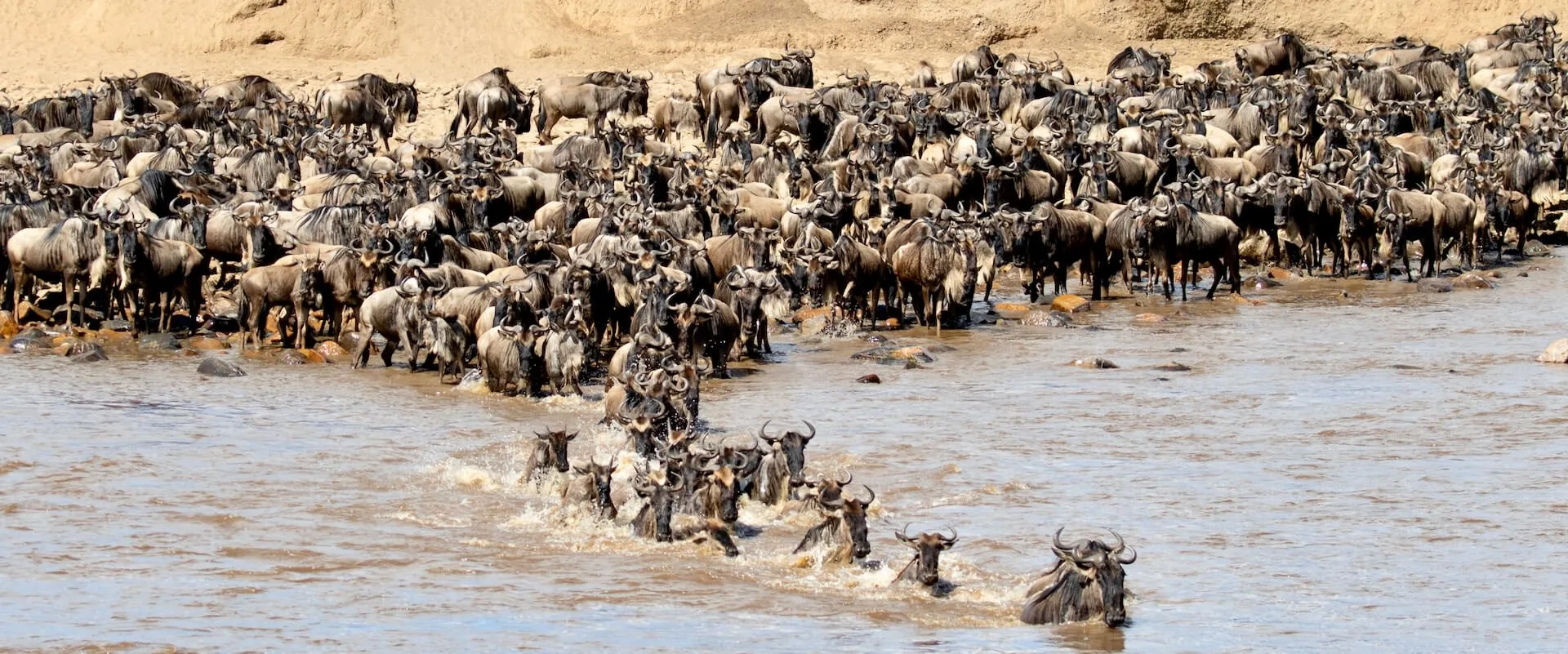
The Great Migration in Africa happens all year because the herds continuously circulate through the Serengeti–Mara ecosystem in…
Read article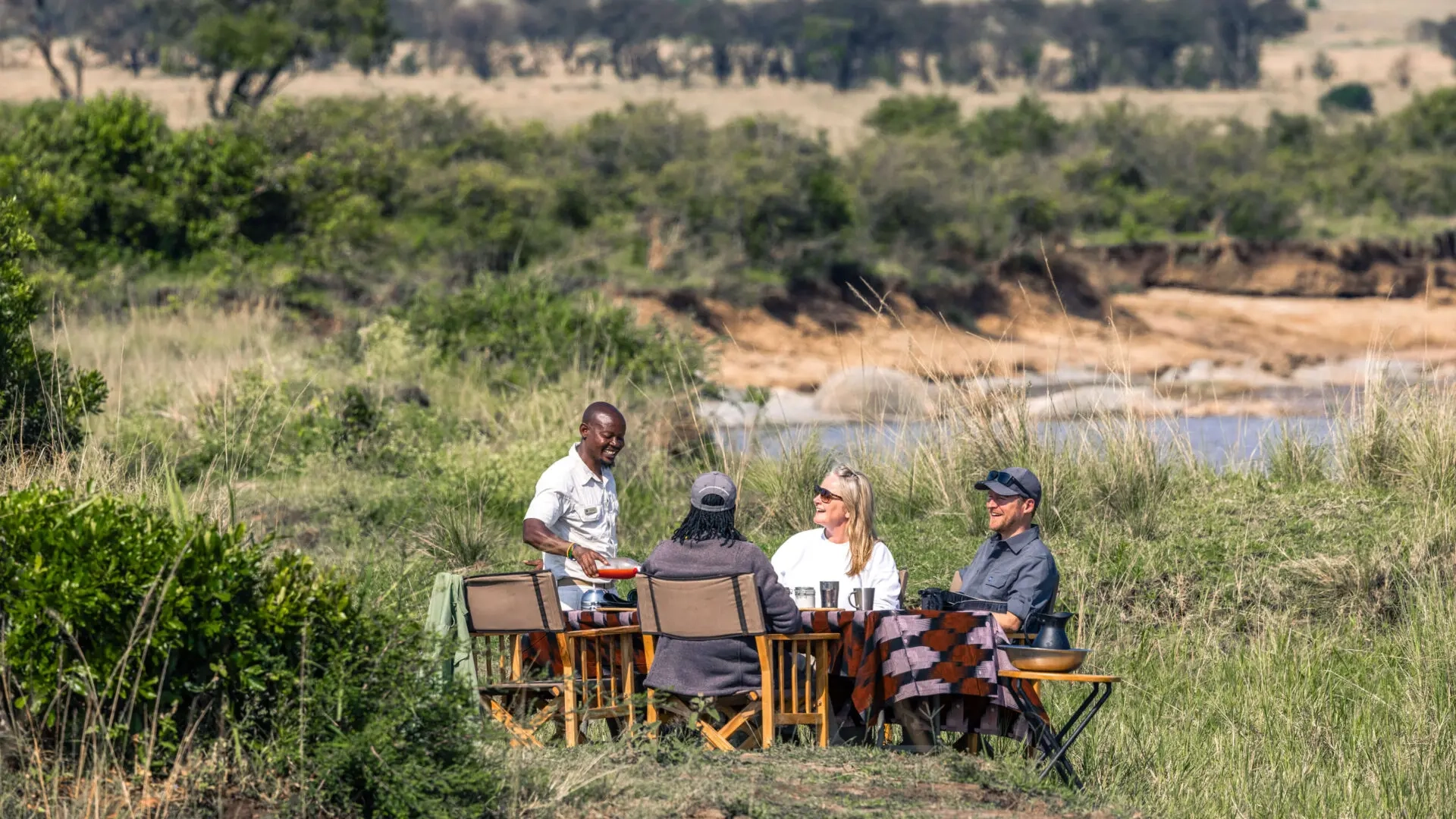
Definitive answer: A picnic lunch on safari is a packed or catered midday meal eaten at an approved…
Read article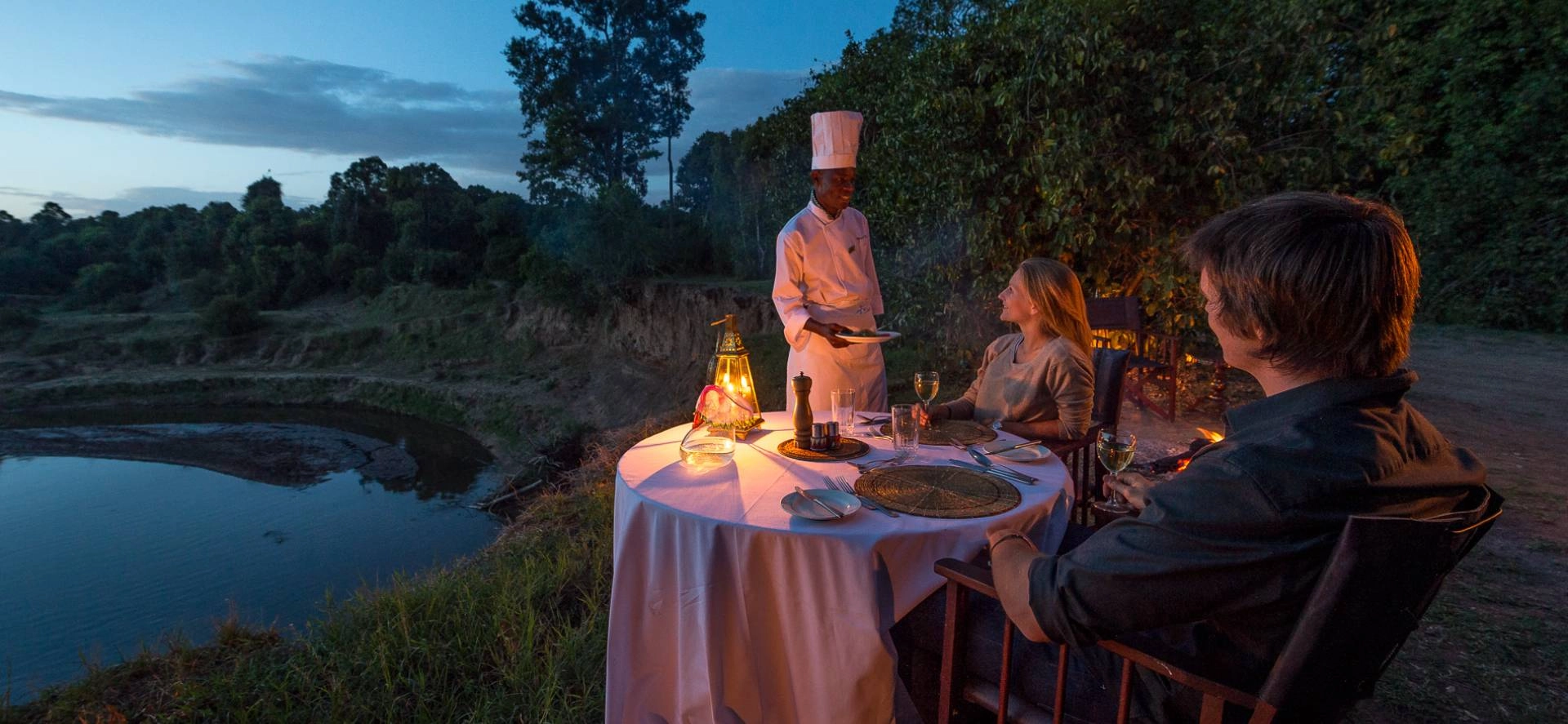
Definitive answer: A bush dinner is an outdoor evening meal arranged in a safe safari setting away from…
Read articleLet us take you closer to the wildlife, people and places that make Africa extraordinary.
Plan Your Safari Today