Tipping in Zambia: Complete Safari, Walking Safari & Travel Tipping Guide
Understanding tipping in Zambia is particularly useful for safari travellers because Zambia is famous for highly personalised wilderness…
Read article

Travel Guide
Planning a first African safari can be surprisingly difficult. The problem is not a shortage of good destinations. It is the opposite. Africa contains so many extraordinary wildlife regions that a first-time visitor can easily become…
Planning a first African safari can be surprisingly difficult. The problem is not a shortage of good destinations. It is the opposite. Africa contains so many extraordinary wildlife regions that a first-time visitor can easily become overwhelmed by choices. Should you see the Great Migration in Tanzania? Should you go to Kenya’s Masai Mara? Would South Africa’s Kruger National Park be easier? Should your first safari include mountain gorilla trekking in Uganda?
Is Botswana worth the higher cost? Would Rwanda be easier because the distances are shorter? Should you choose East Africa or Southern Africa? And how many days do you actually need? The answer depends on what you imagine when you think about safari.
For some travelers, the dream is a lion walking across golden grass while wildebeest cover the horizon. For others, it is sitting quietly in a rainforest only a few meters from a mountain gorilla. Some want elephants beneath Mount Kilimanjaro. Others want to drive themselves through Kruger. A honeymoon couple may want a private tented camp followed by Zanzibar. A family may need short drives, a swimming pool and a private safari vehicle.
There is therefore no single destination that can objectively be called the best safari in Africa for every first-time visitor. There are, however, destinations that are particularly strong for different types of beginners. This guide explains those differences in detail so that your first safari is designed around the experience you actually want rather than around whichever park happens to appear most often on social media.
A first safari should ideally provide several things simultaneously. It should offer reliable wildlife opportunities without requiring specialist knowledge. It should have established tourism infrastructure. Transfers should be manageable. Accommodation should be available at several price levels. There should be enough variety to keep the journey interesting. Most importantly, the destination should deliver the wildlife experiences that motivated you to travel to Africa in the first place. A first safari does not need to be the most remote expedition available.
In fact, excessive remoteness can sometimes make a first trip unnecessarily expensive and complicated. Many travelers benefit from beginning with a well-established safari circuit and becoming more adventurous on later journeys. Kenya, Tanzania, Uganda, Rwanda, South Africa and Botswana all work for first-time visitors, but for different reasons.
If your image of Africa comes from wildlife documentaries — lions on open plains, giraffes walking across the horizon, elephants moving through grassland and enormous herds of antelope — Kenya is one of the most natural places to begin. Kenya has been a major international safari destination for generations. Its tourism industry includes everything from simple camps to highly exclusive private conservancies. The country also contains several parks and reserves with dramatically different landscapes. The Masai Mara is the most famous.
Amboseli National Park is known particularly for elephants and the possibility of spectacular views toward Mount Kilimanjaro. Lake Nakuru National Park contributes rhino conservation and Rift Valley scenery. Samburu introduces semi-arid northern landscapes and species not commonly encountered on the classic southern Kenya circuit. Tsavo East and Tsavo West create enormous wilderness areas that can combine naturally with Kenya’s coast.
For a beginner, this diversity is extremely useful. You do not need to understand advanced safari logistics before arriving. A professional operator can collect you in Nairobi and manage the entire route.
The Masai Mara safari is one of Africa’s most recognizable wildlife experiences. The landscape is relatively open, which can make animals easier to observe than in very dense woodland. Lions are one of the great attractions. Cheetahs can use the open plains. Elephants, giraffes, buffalo, zebra, wildebeest and many antelope species contribute to the wider experience. Leopards occur but remain naturally elusive. During suitable periods, migration herds from the Serengeti ecosystem can enter the Mara. However, first-time travelers should not believe that the Masai Mara is only worth visiting during migration season.
Its resident wildlife is excellent. This makes Kenya less seasonally fragile than simplistic advertising suggests.
Kenya provides the classic safari people imagine before their first trip. It is therefore an excellent answer to the question where should I go on my first African safari? A well-designed seven- to ten-day Kenya safari can include two or three contrasting parks without becoming excessively complicated.
If the Serengeti is the landscape you have always dreamed about, go to Tanzania. Do not choose another country simply because somebody tells you it is slightly cheaper. A first safari is memorable partly because it fulfills a long-held expectation. Tanzania’s northern circuit contains several of Africa’s greatest wildlife destinations within one broad route. Serengeti National Park provides scale, predators, resident wildlife and the famous migration. Ngorongoro Conservation Area provides a completely different volcanic landscape. Tarangire National Park adds elephants, baobabs and seasonal wildlife concentrations. Lake Manyara can provide another ecological contrast depending on itinerary design.
Together they create one of the world’s great wildlife journeys.
The Serengeti is much more than wildebeest migration. Even when the largest migration herds are in another part of the ecosystem, resident wildlife remains exceptional. Lions, elephants, giraffes, buffalo, cheetahs, hyenas, leopards and numerous herbivores can be encountered. The landscape itself is a major part of the experience. The name Serengeti is commonly associated with the idea of endless plains, and when you first enter some of its open landscapes, that description begins to make sense.
For a traveler who has only experienced wildlife in zoos, sanctuaries or television documentaries, seeing animals distributed naturally across such an enormous ecosystem can completely change the understanding of what safari means.
Ngorongoro works beautifully with Serengeti because it feels completely different. Descending toward the crater floor creates an immediate sense of entering a contained wildlife landscape. The area can support excellent concentrations of large mammals. The possibility of seeing black rhino adds particular interest, although sightings can never be guaranteed. A Serengeti and Ngorongoro safari is therefore one of our strongest recommendations for travelers making their first journey to Africa.
This is one of the most common first-time safari questions. Both are excellent. Kenya may offer slightly more straightforward variety around the classic Masai Mara-Amboseli style itinerary. Tanzania offers the extraordinary combination of Serengeti and Ngorongoro. For migration travelers, the decision should depend on travel month and likely herd distribution.
For travelers who simply want excellent wildlife, either can work throughout much of the year. If the budget and available time permit, a Kenya and Tanzania safari combines both. However, do not combine them simply to collect country names. If you have only seven days, concentrate on one country. If you have twelve to fourteen days, a two-country safari becomes much more attractive.
Uganda is a different kind of first safari. If your highest priority is mountain gorilla trekking, Uganda should immediately move near the top of your shortlist. But Uganda should not be viewed as only a gorilla destination. A well-designed Uganda safari can combine rainforest primates with savannah wildlife, boat safaris, crater landscapes and smaller national parks.
This creates one of Africa’s most varied wildlife journeys.
For many visitors, gorilla trekking in Bwindi becomes the emotional centerpiece of the entire trip. You begin on foot. There is no safari vehicle separating you from the environment. Trackers and guides follow signs through the forest. The trek may involve steep slopes, mud and dense vegetation. Eventually, if tracking is successful, you approach a habituated mountain gorilla family under controlled tourism procedures. The experience is completely different from watching lions from a vehicle. A gorilla may sit quietly feeding.
A juvenile may climb vegetation. A silverback may remain remarkably calm while monitoring the family. The intimacy of the encounter is difficult to describe until you experience it.
Uganda also provides one of Africa’s strongest opportunities for chimpanzee trekking. Kibale National Park is the country’s best-known chimpanzee destination. Chimpanzees create a more energetic forest experience than gorillas. They may vocalize loudly. They can move rapidly. They climb. They interact. Combining gorillas and chimpanzees gives first-time visitors an unusually deep primate experience.
Queen Elizabeth National Park and Murchison Falls National Park add traditional safari. Lake Mburo provides another compact wildlife environment and can include activities that differ from standard game drives. This means one Uganda journey can provide gorilla trekking, chimpanzee trekking, game drives and boat safaris. For travelers who want maximum ecological variety, Uganda is extremely difficult to beat.
Choose Tanzania if the classic savannah safari is the priority. Choose Uganda if primates are the priority. Choose both if you have enough time and budget. A Tanzania and Uganda safari creates one of Africa’s strongest wildlife contrasts: Serengeti plains followed by Bwindi rainforest. This is particularly attractive to travelers who may only make one major African wildlife trip.
Rwanda’s great advantage is efficiency. Volcanoes National Park can be reached from Kigali without the very long transfers required by some African safari circuits. For travelers who have only four or five days and whose primary dream is mountain gorillas, Rwanda can be extremely practical. The country can also combine gorillas with golden monkey trekking.
Akagera National Park adds a savannah safari component. Nyungwe provides rainforest and primate experiences. A longer Rwanda itinerary can therefore be more varied than many first-time travelers expect.
Both offer extraordinary mountain gorilla experiences. Uganda generally provides stronger options for integrating gorillas into a longer and more diverse safari circuit. Rwanda provides particularly efficient access and has developed a strong high-end gorilla tourism market. Budget, available time, permit pricing, lodge preference and the broader route should determine the choice.
South Africa deserves serious consideration from anyone nervous about their first safari. The country has sophisticated tourism infrastructure, multiple international airports, a huge accommodation market and excellent road networks in many tourism regions. It also offers something that is less straightforward in much of East Africa: self-drive safari.
Kruger is one of the world’s great wildlife parks. Visitors can rent a car, stay in public rest camps and drive through wildlife habitat independently. For confident travelers, this creates tremendous freedom. You decide when to stop. You decide how long to watch elephants. You can spend twenty minutes studying birds without worrying that a private guide needs to continue. Self-driving also makes South Africa one of the strongest options for an affordable first African safari.
Travelers can combine self-drive Kruger with several nights in a private reserve. This provides the best of both worlds. You first experience independent safari. Then professional guides and trackers take over. Private reserves can provide excellent predator viewing and more personalized safari experiences. For first-time visitors with a mid-range or luxury budget, this combination is exceptionally strong.
Botswana is not always the easiest first safari financially. But for travelers who value remote wilderness more than checking famous landmarks, it can be the perfect choice. The Okavango Delta creates one of Africa’s most distinctive ecosystems. Water channels, seasonal floodplains, islands and dryland habitats support extraordinary wildlife. Chobe National Park provides another major experience, especially around the Chobe River. Game drives can be combined with boat safaris. Elephants are a major attraction.
Many wilderness camps are remote. Flights may be required. Guest numbers can be limited.
Logistics are expensive. Private concessions can deliberately maintain low tourism density. All of this increases cost. However, travelers should not assume Botswana is only luxury. Mobile camping, Moremi, Khwai and Kasane-based Chobe safaris can reduce costs substantially.
Namibia is perfect for travelers who believe the journey between wildlife destinations is part of the holiday. The country is defined by space. Etosha National Park provides the principal classic wildlife component. Sossusvlei provides desert. Damaraland provides geology and wilderness. Swakopmund introduces the Atlantic coast. A Namibia trip feels more like an expeditionary road journey than a conventional lodge-to-lodge safari. This makes it excellent for independent travelers but less ideal for somebody whose only objective is seeing the maximum number of large mammals in a short period.
Zambia is especially famous for walking safaris. South Luangwa is one of Africa’s great wildlife areas and is particularly associated with predators, including leopards. Walking introduces a completely different way of experiencing the bush. Tracks become important. Wind matters. Bird calls matter. Plants matter. A professional guide interprets details you barely notice from a vehicle. For an adventurous first-time visitor who wants a deeper natural-history experience, Zambia can be exceptional.
Zimbabwe combines major wildlife destinations with Victoria Falls. Hwange National Park is especially famous for elephants and predators. Mana Pools attracts more adventurous safari travelers. A first-time visitor can therefore combine one of the world’s great waterfalls with a serious wildlife safari. Zimbabwe can also connect easily with Chobe in Botswana, creating a highly varied Southern Africa itinerary.
If the Big Five are your main priority, South Africa is one of the easiest choices. Kruger and surrounding private reserves provide strong opportunities for lion, leopard, elephant, buffalo and rhino. Kenya and Tanzania also support all five across appropriate ecosystems. Botswana offers excellent Big Five potential, although rhino distribution is more restricted. The important point is that no guide can guarantee five species. Wildlife is not staged. The Big Five can be a fun goal, but your safari should not become a failure because one elusive species does not appear.
Tanzania’s Serengeti and Kenya’s Masai Mara are exceptional. Greater Kruger is also strong. Botswana, Zambia and Zimbabwe contain excellent lion habitats. A first-time traveler who dreams specifically about big cats should spend several nights in a productive predator ecosystem rather than rushing between too many parks.
Kenya’s Amboseli is famous for elephants and Kilimanjaro scenery. Botswana’s Chobe is one of Africa’s great elephant destinations. Tanzania’s Tarangire can provide excellent elephant viewing. Zimbabwe’s Hwange is another major option. Uganda’s Murchison Falls and Queen Elizabeth can also produce elephant encounters as part of broader itineraries.
Leopards are naturally elusive. Certain Greater Kruger private reserves have excellent reputations for leopard viewing. South Luangwa in Zambia is another famous leopard destination. Serengeti, Masai Mara and Botswana all support leopards. But no destination can guarantee them.
Choose Uganda or Rwanda. If you want gorillas plus a longer wildlife safari, Uganda is particularly strong. If you want a shorter, highly focused luxury gorilla journey, Rwanda can be very efficient. If budget and time permit, it is also possible to combine gorillas with Tanzania or Kenya.
Choose Tanzania or Kenya. The Serengeti hosts different migration phases across much of the year. The Masai Mara becomes particularly relevant when migration herds move into the northern ecosystem. Do not select a country based solely on the phrase “migration season.” Match the exact travel month to the broad herd location.
Photographers should prioritize wildlife time, guide quality and vehicle space. Tanzania and Kenya provide magnificent open landscapes. Botswana adds water-based photography. Uganda provides intimate primate photography. Namibia is exceptional for landscapes. South African private reserves can provide excellent predator photography. A private vehicle is often one of the most valuable photography upgrades.
Tanzania plus Zanzibar is one of the strongest honeymoon combinations. Kenya plus the coast works beautifully. Botswana provides remote luxury. South Africa can combine safari with Cape Town and wine country. Uganda or Rwanda can combine gorilla trekking with Zanzibar for couples wanting something less conventional. The best honeymoon safari balances adventure and recovery. Do not change lodges every night.
Kenya, Tanzania and South Africa are excellent family choices. Uganda works especially well for families with older children who meet age requirements for selected primate activities. Private vehicles are highly recommended. Families need flexible meal times, bathroom stops and shorter game drives. A swimming pool at the lodge can matter more than parents initially expect.
Scheduled small-group safaris make Kenya, Tanzania, Uganda, Botswana and Southern Africa more affordable for solo visitors. South Africa and Namibia provide strong independent-travel possibilities for confident drivers. Solo travelers should compare single supplements carefully. Sometimes joining a scheduled departure saves thousands of dollars compared with a private safari.
Seven to ten days is an excellent first-safari duration. Five days can work for a focused trip. Two weeks allows a much richer itinerary. Three weeks allows a serious multi-country journey. What matters most is avoiding excessive movement. Three parks experienced properly are better than six parks experienced through a windshield while driving between hotels.
With five days, choose one region. Masai Mara and Lake Nakuru. A compact northern Tanzania safari. Kruger. A short Uganda gorilla itinerary. Rwanda gorillas and Akagera. Chobe plus Victoria Falls. Do not attempt a grand tour of Africa.
Seven days allows greater variety. Kenya can combine Mara, Nakuru and Amboseli. Tanzania can combine Tarangire, Ngorongoro and Serengeti. Uganda can create a focused primate-and-wildlife circuit. South Africa can combine Kruger and a private reserve. Botswana can combine Chobe and part of the Okavango ecosystem.
Ten days is perhaps the ideal first safari. There is enough time to slow down. Three-night stays become practical. Long transfers can be balanced with rest. Uganda can combine Kibale, Queen Elizabeth and Bwindi. Tanzania can explore the northern circuit properly. Kenya can combine several ecosystems. Southern Africa can combine safari with Victoria Falls.
Two weeks creates excellent multi-country possibilities. Kenya and Tanzania becomes realistic. Uganda and Rwanda works beautifully. Botswana and Zimbabwe creates wildlife plus Victoria Falls. Tanzania and Zanzibar provides safari plus beach. Uganda gorillas and Tanzania Serengeti creates exceptional ecological contrast.
Safari is stimulating. You wake early. You spend long periods outdoors. You constantly watch and listen. A beach extension can therefore be much more than an optional luxury. It gives the journey a natural rhythm. Zanzibar is particularly easy to combine with Tanzania and can also connect with Kenya, Uganda or Rwanda. Kenya’s coast provides another option. Mozambique can complement Southern Africa.
Most travelers do not need ultra-luxury. A good mid-range African safari often provides the strongest balance. Comfortable permanent tents or lodges usually include private bathrooms, proper beds and good meals. The surrounding wildlife does not know whether your room costs $250 or $2,000. Spend strategically. Upgrade where location matters. Save where it does not.
Do not be frightened by the word “tent.” A safari tent may contain a king-size bed, furniture, electricity, a private bathroom and a veranda. The canvas walls simply create a stronger connection to the environment. At night, you hear wildlife. For many first-time travelers, a tented camp becomes more memorable than a conventional lodge.
Yes, if you are comfortable with simplicity. Mobile camping in Botswana, Kenya, Tanzania or other destinations can dramatically reduce costs. It can also increase wilderness immersion. However, do not choose camping only because it is cheapest if you know poor sleep will reduce your enjoyment. Safari days begin early. Rest matters.
A private African safari offers flexibility. Your guide works around your interests. Photographers can wait longer. Families can return early. Couples can change the pace. A group safari costs less. For solo travelers and budget-conscious couples, small-group departures can be excellent. Ask about vehicle occupancy. A “small group” of six is very different from a vehicle overloaded with passengers.
East African safaris commonly use customized 4×4 vehicles with opening roofs.
Southern African game drives frequently use open safari vehicles. Both work well for their environments. Do not become obsessed with vehicle brand. More important questions are maintenance, seating, visibility and guide quality.
Safari usually starts early because wildlife activity and temperatures can be favorable around dawn. You may leave after coffee or breakfast. Morning drives can last several hours. Some itineraries return to the lodge for lunch. Others remain out with packed meals. Afternoon drives begin later as temperatures cool. Sunset often creates beautiful photography. After dark, you return for dinner and sleep earlier than you probably do at home. The rhythm becomes addictive.
Most first-time travelers worry about this unnecessarily. Safari is not simply driving around looking for animals. You begin learning behavior. Why are impalas staring in one direction? Why are birds giving alarm calls? Why has a lioness separated from the pride? Why are elephants suddenly moving toward water? A good guide transforms apparently empty landscapes into information. This is why professional safari guiding is one of the most important components of the trip.
There is no meaningful single average. Price depends on destination, season, park fees, permits, accommodation, vehicle type, domestic flights and number of travelers. South African self-drive can be relatively affordable. Kenya and Tanzania group safaris reduce costs. Uganda has the additional cost of gorilla and chimpanzee permits. Botswana fly-in safaris can be expensive. Luxury private safaris can cost many times more than scheduled mid-range journeys. Compare inclusions carefully.
A properly explained safari quotation should make clear what is included in accommodation, meals, transportation, guiding, park entry and planned activities. Gorilla permits should be clearly addressed where applicable. Domestic flights should be specified. Airport transfers should be clear. Do not compare two quotations only by the final number. One may exclude substantial costs that the other includes.
Do not overpack. Neutral lightweight clothing works well. Bring layers because mornings can be cold even when afternoons become hot. A hat, sunscreen and comfortable shoes are useful. Binoculars dramatically improve wildlife viewing. Carry camera equipment if photography matters. Keep essential medication in hand luggage. If bush flights are included, confirm baggage restrictions.
No. You do not need to dress like a nineteenth-century explorer. Comfort matters. Neutral colors are practical. Avoid camouflage clothing where local rules or sensitivities make it inappropriate. Bring clothing you are comfortable wearing repeatedly. Many lodges offer laundry services, although underwear may sometimes be excluded.
Millions of visitors enjoy African safaris successfully. But safari takes place around wild animals and sometimes in remote environments. Follow guide instructions. Do not leave vehicles where prohibited. Do not walk around unfenced camps after dark if an escort is required. Never feed wildlife. Do not approach animals for photographs. Use normal city precautions during urban stays. Purchase travel insurance. Seek appropriate medical advice before departure. Safety is created through good planning and responsible behavior rather than through assuming nothing can go wrong.
Malaria risk varies significantly by destination, altitude and season. Consult a qualified travel-health professional for advice appropriate to your itinerary and personal circumstances. Do not rely solely on a generic safari blog for medication decisions. Use insect precautions where relevant. Drink safe water. Protect yourself from the sun. Safari travelers sometimes worry so much about exotic diseases that they underestimate dehydration, sunburn and ordinary travel fatigue.
Independent booking can work particularly well in South Africa and Namibia. For multi-park East African itineraries, a professional operator can simplify transport, permits, park logistics and accommodation coordination enormously. Uganda gorilla itineraries particularly benefit from careful permit and sector planning. A safari operator also provides one point of contact when flights change or roads become difficult.
For a first trip, this logistical support can be extremely valuable.
One country is enough for an extraordinary safari.
Do not feel pressure to collect passport stamps. Kenya alone can fill two weeks. Tanzania alone can fill two weeks. Uganda alone can fill two weeks. South Africa can fill a month. Multi-country travel becomes valuable when the second destination adds something genuinely different. Tanzania plus Uganda works because Serengeti and Bwindi are completely different. Botswana plus Namibia works because Delta and desert contrast dramatically. Kenya plus Tanzania works particularly well for migration enthusiasts.
There is no universal best month for all Africa. Dry-season periods are popular in many wildlife regions because animals may concentrate around water and vegetation can become less dense. But green seasons provide beautiful landscapes, birding, fewer visitors and sometimes better rates. The Serengeti migration changes location throughout the year. Gorilla trekking operates year-round. South Africa has different climatic patterns from East Africa. Choose your destination and desired experience first. Then select the month.
The biggest mistake is trying to see everything. The second is staying too few nights in important parks. The third is choosing accommodation by photographs rather than location. The fourth is believing wildlife can be guaranteed. The fifth is underestimating road distances. The sixth is packing too much. The seventh is failing to communicate dietary, mobility or medical considerations before travel. The eighth is spending the entire safari trying to photograph animals rather than occasionally putting the camera down.
The Big Five safari is a useful first-time goal, but it should not dominate the trip. You may discover that cheetahs are your favorite animal. Or giraffes. Or wild dogs. You may become fascinated by hornbills, bee-eaters and eagles. You may spend an hour watching elephants communicate and completely forget about finding a rhino. The best safari travelers become curious about the entire ecosystem.
Protected wildlife survives partly because functioning tourism economies create financial value around conservation. Park fees, permits, accommodation employment and tourism services contribute to these systems in different ways. Travel responsibly. Respect regulations. Do not pressure guides to drive illegally. Do not demand closer approaches when animals show stress. Avoid unethical wildlife interactions. The objective is to visit wild Africa without diminishing what makes it wild.
If you want the most classic possible first safari, begin with Kenya or Tanzania. If you want the Serengeti and Ngorongoro, choose Tanzania. If you want the Masai Mara and Amboseli, choose Kenya. If you want mountain gorillas, chimpanzees and conventional safari in the same country, choose Uganda. If you want a short, polished gorilla-focused journey, consider Rwanda. If you want self-drive flexibility and strong Big Five possibilities, choose South Africa. If you want remote wilderness and have a larger budget, choose Botswana. If you want a desert road adventure, choose Namibia.
But do not make the final decision based solely on a country ranking. Think about the moment you most want to experience. Is it sitting beside a mountain gorilla? Watching a lion pride in the Serengeti? Seeing elephants beneath Kilimanjaro? Waiting beside the Mara River? Drifting quietly through the Okavango? Driving yourself toward an Etosha waterhole? That answer should shape your first safari. At Adventure in the Wild Safaris, we can build first-time African safari itineraries around Uganda gorilla trekking, Rwanda gorilla safaris, Kenya wildlife safaris, Tanzania Serengeti safaris, Great Migration tours, Botswana safaris and carefully designed multi-country combinations.
Your first African safari does not need to include everything. It needs enough time in the right places. Choose fewer destinations. Stay longer. Use an experienced guide. Allow wildlife to surprise you. And design the journey around the experiences that made you dream about Africa in the first place. That is how a first African safari becomes the trip against which every future safari is measured.
Get quick answers to the most common questions. If you still have questions, our safari experts are here to help.
Kenya, Tanzania and South Africa are particularly strong conventional first choices. Uganda is outstanding when gorilla trekking is the primary interest. Botswana is excellent for travelers prioritizing wilderness and willing to spend more.
Both are excellent. Kenya provides Masai Mara and strong park variety; Tanzania provides Serengeti and Ngorongoro. Choose according to wildlife interests, season and budget.
Yes. Uganda is particularly strong for travelers wanting gorillas, chimpanzees and savannah wildlife in one journey.
Seven to ten days is excellent. Two weeks provides an even better pace and allows more diverse ecosystems.
No, but private vehicles provide valuable flexibility. Group safaris are more economical.
Yes. Uganda combines both domestically, while Tanzania or Kenya can be connected with Uganda or Rwanda.
Yes. Zanzibar is particularly easy to combine with Tanzania and can also follow Uganda, Rwanda or Kenya.
It can involve early mornings and long game drives. Good itinerary pacing and occasional three-night stays make a significant difference.
No wild animal can be guaranteed. Choosing productive parks and allowing enough game-drive time improves your opportunities.
No. Excellent wildlife experiences are available on budget, mid-range and luxury safaris.
Our safari experts are here to help you plan your safari. Get personalized advice, the latest information and a free, no-obligation quote.
We typically reply within a few hours.

Share This Article
Understanding tipping in Zambia is particularly useful for safari travellers because Zambia is famous for highly personalised wilderness…
Read article
Understanding tipping in Zimbabwe is particularly important for safari travellers because the country has one of southern Africa's…
Read article
Tipping in Namibia differs subtly from tipping in many other major African safari destinations because a significant proportion…
Read article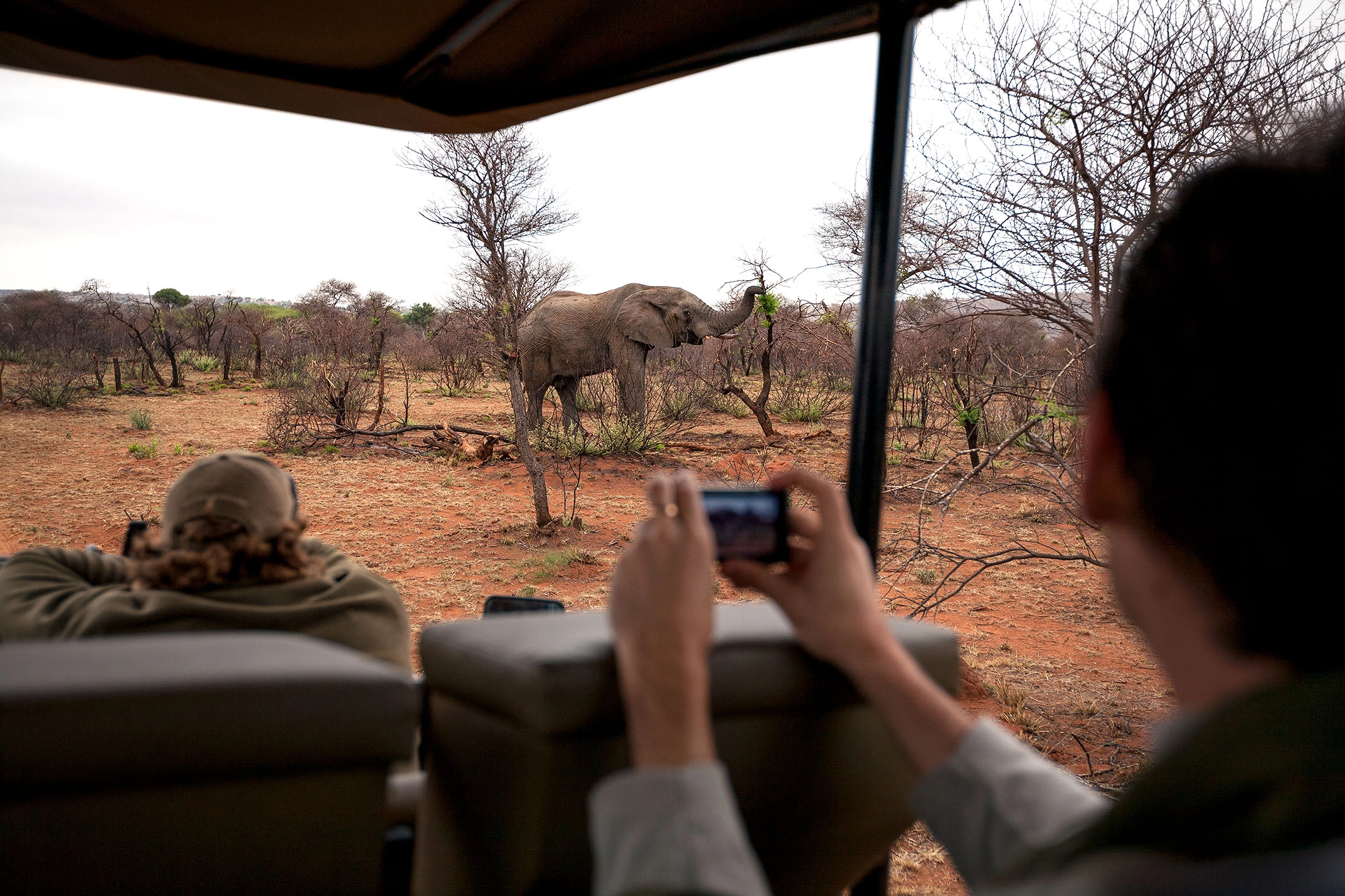
Tipping in Botswana is relatively easy once travellers understand how the country's safari industry operates. Unlike many East…
Read articleLet us take you closer to the wildlife, people and places that make Africa extraordinary.
Plan Your Safari Today