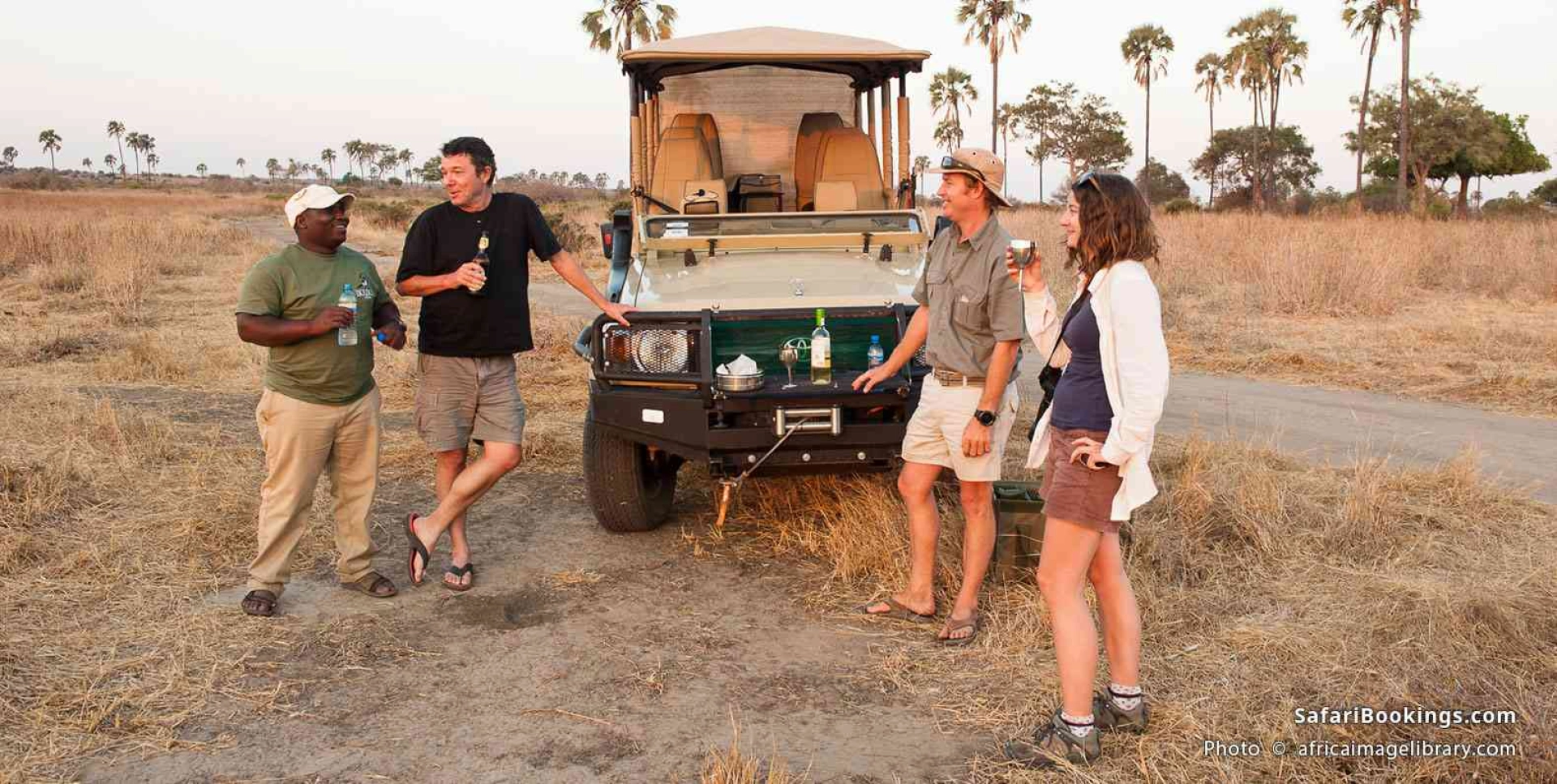
Tipping in Zambia: Complete Safari, Walking Safari & Travel Tipping Guide
Understanding tipping in Zambia is particularly useful for safari travellers because Zambia is famous for highly personalised wilderness…
Read article

Travel Guide
Choosing the best time to visit Kruger National Park depends on what kind of safari you want. If your main priority is seeing as much wildlife as possible, the dry winter months generally provide some of…
Choosing the best time to visit Kruger National Park depends on what kind of safari you want. If your main priority is seeing as much wildlife as possible, the dry winter months generally provide some of the easiest game viewing. If you would rather photograph green landscapes, see migrant birds and experience the park during the season when many animals give birth, the wetter summer months can be just as rewarding.
There is no month when wildlife simply disappears from Kruger. The park is a vast natural ecosystem where lions, elephants, buffaloes, leopards, rhinos, giraffes, zebras, hippos, crocodiles, wild dogs, hyenas and numerous antelope species live throughout the year. What changes is how easily animals can be found, where they concentrate, what the landscape looks like and how comfortable the weather feels to visitors. That makes Kruger different from destinations where tourism revolves around one seasonal event.
You do not have to travel during a narrow migration window to have an outstanding Kruger safari in South Africa. Instead, each season offers its own advantages. The dry season tends to produce concentrated wildlife around rivers and waterholes. The rainy season transforms the bush into a lush green environment filled with birds, newborn animals and dramatic skies. Shoulder months can provide a particularly attractive balance between wildlife visibility, weather, visitor numbers and accommodation availability.
This detailed guide explores when to visit Kruger National Park, what to expect during every season and month, how weather affects game viewing, when photographers should travel and how to choose the best period for your budget.
Kruger is one of Africa’s most famous protected areas and forms part of an enormous transboundary wildlife landscape. Its size is one of its defining characteristics. Travelers sometimes imagine Kruger as a single safari area where every lodge and gate offers approximately the same experience. In reality, the park stretches across a vast area of northeastern South Africa and contains different habitats, vegetation zones, rivers and wildlife concentrations. Southern Kruger generally receives a significant proportion of visitor traffic because of accessibility and strong wildlife viewing.
Central areas are famous for large open spaces and predator-prey relationships, while northern sections often feel quieter and appeal strongly to birders and repeat visitors. The park’s road network, public rest camps and nearby private reserves also make Kruger unusually flexible. Travelers can experience the region on a guided safari, private lodge stay, self-drive holiday or combination itinerary. This flexibility means the best season for Kruger National Park also depends on how you intend to travel.
For travelers whose single priority is wildlife visibility, the period from roughly the dry winter months into early spring is usually considered one of the strongest times. As rainfall decreases, vegetation becomes thinner. Seasonal water sources gradually disappear. Animals become increasingly dependent on permanent rivers, dams and waterholes. This creates opportunities for productive game viewing because many species concentrate around reliable water. However, calling winter the only “best” time would ignore several important factors.
Summer has green scenery, excellent birdlife and young animals. The wet season can also be outstanding for photography. Rainstorms may clear quickly and create dramatic skies, while afternoon light over green savannah can produce images that look completely different from dry-season photographs. So instead of asking only, “What is the best time to go to Kruger?”, it is more useful to ask: What do you want most from your Kruger safari?
South Africa lies in the Southern Hemisphere, which means seasons are opposite those in Europe and North America. Kruger’s broad seasonal pattern can be divided into a dry season and a wet season. The cooler, drier months generally correspond with the Southern Hemisphere winter. The hotter, wetter period occurs mainly during summer. Rainfall is not constant even during wet months. A summer safari does not necessarily mean spending every day in heavy rain.
Storms can be intense but relatively short, and long periods of sunshine are common. Similarly, dry-season mornings can be much colder than first-time visitors expect. A traveler imagining “Africa equals hot” may be surprised during a pre-dawn game drive.
The dry season is popular for good reason. As water becomes scarcer, wildlife tends to concentrate. Animals travel to rivers, dams and permanent waterholes. Predators understand these patterns and may also spend time near areas where prey gathers. Vegetation becomes less dense, improving visibility into the bush. This combination often makes dry-season game viewing extremely productive.
Imagine trying to locate an elephant during the rainy season when temporary water may be available across a wide area. The animal can drink in many different places. During the dry season, available water becomes more predictable. This does not mean animals line up neatly at every waterhole, but it gives guides useful clues about where wildlife may concentrate. Thin vegetation also helps with visibility. A leopard resting behind dense summer foliage can be extremely difficult to see.
During dry periods, the same habitat may become more open.
The visual character of Kruger changes dramatically. Grass becomes shorter and browner. Trees lose leaves depending on species and location. Dust becomes part of the safari atmosphere. Some travelers love this classic dry African landscape. Others prefer green-season scenery. Photography during the dry season can produce warm, earthy images with animals standing out clearly against muted vegetation.
Days can be beautifully comfortable. However, early mornings and evenings may feel surprisingly cold, particularly when traveling in open safari vehicles. Wind created by vehicle movement can make temperatures feel even lower. Layering is essential. A jacket, fleece or warm outer layer can dramatically improve the first hour of a sunrise game drive. As the sun rises, temperatures often become much more comfortable.
The arrival of seasonal rains changes the ecosystem rapidly. Dry grass becomes green. Trees produce new leaves. Temporary pools and smaller water sources fill. Insects become more active. Birdlife changes dramatically as migratory species arrive. Many animals give birth during periods when food becomes more abundant. This makes summer an exciting time for travelers interested in ecology rather than simply checking species off a list.
One of the greatest advantages is scenery. Kruger can look almost transformed after rainfall. Photographers often appreciate the rich green background, storm clouds and cleaner atmosphere. Wildlife may be more dispersed because water is widely available, making some species harder to locate than during the driest months. But successful sightings can feel particularly rewarding. Predator activity remains part of the ecosystem year-round. Lions do not disappear during summer. Leopards remain present.
Wild dogs continue hunting. Hyenas remain active. The challenge is simply that vegetation and dispersed water can make certain animals more difficult to see.
Birders frequently favor the warmer months. Kruger supports an extraordinary range of bird species, and seasonal migrants significantly increase diversity. Summer can be full of bird calls, breeding displays and activity. Waterbirds benefit from seasonal wetlands. Insects provide food for numerous species. Travelers who consider birding an important part of their safari should therefore resist the idea that winter is universally superior. For birds, green scenery and ecological activity, summer can be outstanding.
Kruger is famous as a Big Five safari destination. Lion, leopard, elephant, buffalo and rhino occur in the broader ecosystem. However, wildlife sightings are never guaranteed. Of the Big Five, elephants and buffaloes may often be easier to encounter than leopards. Leopards are naturally secretive. Rhino sightings can also vary according to location and conservation considerations. The dry season can improve visibility because animals concentrate and vegetation thins. But all five species occur in the region throughout the year.
The most important factors are time, location, guiding skill and patience.
Lions are resident throughout the year. Dry conditions can make them easier to see in open habitats or near areas where prey is concentrated. Early mornings and late afternoons are particularly productive because lions are more likely to be active during cooler periods. During hot midday hours, they may rest in shade. This makes safari timing almost as important as month of travel. A visitor who skips early game drives during a perfect dry-season month may miss opportunities that another traveler experiences during summer simply by being out at the right hour.
Leopards are among Kruger’s most exciting but unpredictable animals. They are territorial and occur throughout suitable habitats. Certain river systems and areas with mature trees can provide favorable conditions. Dry-season vegetation may make sightings easier, but leopards are masters of concealment. An experienced guide can make an enormous difference. Tracks, alarm calls and known territories all help guides interpret where a leopard may be. The best strategy is to spend multiple days in a productive area rather than expecting a guaranteed sighting during one short drive.
Elephants can be seen throughout the year. During the dry season, herds may gather around major rivers and permanent water. This can create memorable scenes involving large numbers of elephants drinking, bathing and interacting socially. During wetter months, elephants disperse more widely and feed extensively on fresh vegetation. Both seasons offer fascinating behavior. For photographers, young calves in family groups can be particularly rewarding.
African wild dogs are among the continent’s most endangered carnivores and are a special sighting anywhere they occur. They are highly mobile and can cover considerable distances. Their movements make them unpredictable. Certain periods associated with denning behavior can result in more localized activity, but access to sensitive sites may be controlled. Visitors should never choose a single travel month solely because they expect guaranteed wild dog sightings. Spending more time on safari remains the strongest strategy.
January falls within the warm, wet season. Expect lush vegetation, active birdlife and high daytime temperatures. Summer storms are possible. This is an excellent period for travelers who appreciate green landscapes and do not mind heat. Young animals may be present, adding excitement to predator-prey interactions. The disadvantage is dense vegetation. Wildlife can be harder to spot, particularly smaller or secretive species.
February continues the summer pattern. Conditions can remain hot and humid. Vegetation is typically green and abundant. Birding remains strong. Photographers can capture dramatic summer skies, particularly around thunderstorms. Visitors should schedule game drives around cooler hours where possible. Early mornings are important both for wildlife and comfort.
March can begin to feel transitional. Temperatures remain warm, but seasonal patterns gradually start shifting. The landscape is still often green. This can be an attractive month for travelers seeking summer scenery without traveling during the heart of the holiday period. Wildlife distribution continues to depend strongly on recent rainfall.
April is one of the most interesting transition months. Temperatures generally become more moderate. Rainfall may decline. Vegetation can remain relatively green while game-viewing conditions begin moving toward the dry-season pattern. This combination can make April very attractive. Travelers may experience comfortable weather alongside beautiful landscapes. It is particularly appealing to visitors who dislike extreme heat.
May marks a stronger transition toward dry winter conditions. Mornings become cooler. Vegetation starts thinning. Water availability gradually decreases. Game viewing can become increasingly productive. The landscape may still retain some color from previous rains, particularly earlier in the month. For many visitors, May offers a strong balance between weather, wildlife and seasonal change.
June is firmly within the dry winter season. Mornings can be cold, especially in open vehicles. Days are often pleasant and dry. Vegetation becomes less dense. Water sources become more important for wildlife. This is an excellent period for classic game viewing. Visitors should bring warm clothing for sunrise and evening drives.
July is one of Kruger’s popular safari months. Dry conditions support good visibility. Wildlife may concentrate around permanent water. Temperatures remain comfortable during much of the day, though mornings and nights can be cold. Demand can be high because of school holidays and international travel seasons. Accommodation should be booked well ahead for popular dates.
August is another outstanding wildlife month. Conditions are dry. Vegetation can be sparse. Water scarcity increases wildlife concentration. This can be particularly productive for game drives. Dusty landscapes and golden light create classic safari photography. Towards the end of the month, daytime temperatures may begin rising.
September can offer some of the strongest game-viewing conditions of the year. The environment is often extremely dry. Water sources are limited. Wildlife concentration can be excellent. However, temperatures begin to rise. The landscape can appear very dry and dusty. For travelers focused purely on wildlife visibility, September is often a strong choice.
October is a transition toward summer. Temperatures can become significantly hotter. The arrival and timing of the first rains vary. Before meaningful rainfall, conditions may be extremely dry. After rain, vegetation can begin changing remarkably quickly. October can therefore produce very different safari experiences depending on the year.
November generally moves deeper into the warm rainy season. Fresh vegetation emerges. Birdlife becomes increasingly exciting. Migratory species return. The park starts to feel alive with summer activity. Heat and thunderstorms are possible. Photographers who enjoy dramatic weather can find November rewarding.
December is green, warm and lively. It is also a popular domestic holiday period. Accommodation and certain areas may be busy. Wildlife remains excellent, but animals can be more dispersed because water is widely available. Birding is outstanding. Travelers visiting around Christmas and New Year should book well ahead.
If wildlife visibility is your main priority, the heart of the dry period is usually the strongest option. June through September is particularly popular. August and September can provide very concentrated game viewing as water becomes increasingly limited. However, there is a trade-off. The landscape is at its driest. If you imagine Africa as lush green savannah, this period may look very different from your expectation.
There are two valid answers. Dry-season photographers benefit from open vegetation, predictable wildlife concentrations and warm golden tones. Green-season photographers benefit from rich backgrounds, dramatic skies, young animals and active birdlife. Wildlife photography is about more than simply seeing an animal. Backgrounds, light, behavior and atmosphere matter. For that reason, experienced photographers sometimes deliberately choose shoulder or green-season periods.
Couples often appreciate shoulder months such as April, May, September or early seasonal transition periods. Temperatures can be comfortable and the environment dynamic. However, honeymoon timing should also consider the rest of the South Africa itinerary. If Kruger is being combined with Cape Town, the Cape Winelands or the Garden Route, the ideal overall travel period may involve compromise between regional climates.
School schedules often determine family travel. July can work well because daytime temperatures are generally pleasant and wildlife viewing is strong. The main challenge is cold early mornings. Children should have warm clothing. December holidays can also work, although heat and holiday demand need to be considered. Families may benefit from private game drives or flexible schedules where available.
Cost-conscious travelers should consider periods outside the strongest peak-demand windows. Accommodation rates vary enormously between public camps, private reserves and luxury lodges. Shoulder seasons can sometimes provide attractive value. A self-drive trip using park rest camps may cost substantially less than a fully inclusive private reserve experience. Traveling in green season can also produce excellent value depending on property and date. The cheapest month is not automatically the best choice, however.
Look at the entire trip, including accommodation, flights, vehicle hire, activities and transfers.
A safari in the broader Kruger ecosystem can take several forms. Kruger National Park itself has an extensive road network and public camps. Private reserves bordering or associated with the wider ecosystem often provide guided game drives and more intimate lodge experiences. In some private areas, guides may have greater flexibility regarding routes and wildlife tracking, subject to reserve rules. The seasonal principles are broadly similar. Dry periods generally improve visibility, while wet months bring green scenery and birdlife.
Your accommodation style, budget and preference for self-drive versus guided safari may influence the choice as much as season.
Kruger is one of Africa’s strongest destinations for self-drive safari travel. Road infrastructure and rest camps make it accessible to independent visitors. Self-driving gives travelers flexibility but also requires patience. Professional guides develop years of experience interpreting tracks, alarm calls and animal behavior. First-time visitors should not assume they will automatically locate wildlife as efficiently as experienced guides. One good strategy is combining self-drive days with one or more professional guided drives.
Early mornings are among the most rewarding times in Kruger. Temperatures are cooler. Predators may still be active. Nocturnal species may be returning from nighttime activity. Soft morning light is excellent for photography. During summer, early drives also allow visitors to enjoy wildlife before the heat intensifies. During winter, the challenge is temperature. Dress warmly and remove layers as the morning heats up.
Late afternoon brings another period of increased animal activity. As temperatures fall, predators may begin moving. Animals approach water. Light becomes softer and warmer. Where permitted, guided night drives reveal an entirely different ecosystem. Spotlights may reveal nocturnal animals that are difficult to encounter during daytime. Night drives should always be undertaken within the rules of the specific protected area.
Three nights can provide an introduction. Four to five nights is significantly better. A full week allows travelers to explore different zones and increases the probability of unusual wildlife encounters. Kruger rewards patience. Safari quality is not measured solely by how many species you see. Repeated observations reveal behavior. Watching elephants interact at water, following a pride of lions across several days or revisiting a leopard territory can be more memorable than racing around collecting sightings.
Location should be chosen according to season, wildlife interests and itinerary. Southern Kruger is accessible and wildlife-rich. Central regions can provide excellent plains game and predator experiences. Northern Kruger attracts birders and travelers seeking quieter safari environments. Private reserves around the broader ecosystem offer luxury and guided experiences. Budget should not be the only consideration. A cheaper lodge requiring lengthy daily transfers may reduce actual game-viewing time.
One of South Africa’s most popular itineraries combines Kruger National Park and Cape Town. The two destinations provide completely different experiences. Kruger delivers wildlife. Cape Town adds mountains, coastline, restaurants, culture and easy access to the Cape Winelands. Because their climatic patterns differ, travelers should evaluate the entire itinerary rather than selecting dates based only on Kruger.
Kruger can also form part of a wider southern African safari. Travelers may combine the park with Victoria Falls, Botswana or other regional destinations. Regional flights can make these combinations practical. A Kruger and Victoria Falls itinerary offers excellent contrast between game viewing and one of Africa’s most dramatic natural landmarks.
Warm layers are essential. Bring a jacket or fleece for early drives. Neutral lightweight clothing works well once temperatures rise. Sun protection remains important even during cooler months. Binoculars are extremely useful. Closed shoes are practical around camps and lodges. A scarf, hat or light gloves may feel excessive when packing for Africa, but some travelers are very grateful for them on cold open-vehicle mornings.
Lightweight breathable clothing is important. Bring rain protection. Sun protection is essential. Hydration becomes especially important during hot weather. Insect repellent is useful. Long lightweight trousers and long sleeves can provide additional protection in evenings. Travelers should also obtain current professional travel-health advice regarding malaria prevention and other destination-specific health matters.
Parts of the broader Kruger region are considered malaria-risk areas, with risk varying seasonally and geographically. Travelers should not make medication decisions based solely on a travel blog. Consult an appropriate travel-health professional before departure. Use practical bite-prevention measures such as repellent, suitable clothing and mosquito-conscious accommodation practices. If avoiding malaria-risk safari areas is a priority, South Africa also has malaria-free safari reserves in other regions.
Yes. The park is not “closed for wildlife” when it rains. Summer simply provides a different safari. Animals spread across a greener landscape. Birdlife becomes exceptional. Newborn animals appear. Predator-prey interactions continue. Thunderstorms create extraordinary skies. For repeat visitors, the wet season can feel like seeing an entirely different Kruger.
Kruger receives large numbers of visitors, particularly around major holidays and popular wildlife periods. Some high-profile sightings near accessible roads can attract several vehicles. Private concessions and more remote parts of the ecosystem may provide quieter experiences. Traveling outside holiday peaks can also help. A skilled guide may avoid heavily congested locations where possible and focus on creating a broader wildlife experience.
A successful Kruger National Park safari begins by matching the travel season with your priorities. Wildlife photographers may prefer dry-season visibility or green-season scenery depending on their style. Families may prioritize comfortable temperatures. Birders may choose summer. Budget travelers may look toward shoulder periods. At Adventure in the Wild Safaris, a southern African journey can also be combined with other major destinations including Cape Town, Victoria Falls and additional safari regions.
For travelers who want a broader African experience, Kruger can be incorporated into a longer itinerary alongside East African wildlife or primate destinations.
The best time to visit Kruger National Park is ultimately the period that matches the safari you want to experience. Choose the dry season if wildlife visibility, comfortable daytime temperatures and concentrated game around water are your priorities. Choose the green season if you want dramatic landscapes, summer birdlife, newborn animals and fewer dry-season visual conditions. Choose shoulder months if you want elements of both. Most importantly, allow enough time.
Kruger is too large and too complex to judge after one rushed game drive. Spend several mornings watching the landscape wake up. Return to productive waterholes. Follow tracks. Listen for alarm calls. Watch elephants interact. Wait for predators to become active. That is when Kruger reveals why it remains one of Africa’s great wildlife destinations. There is no season without wildlife. There are simply different versions of the same extraordinary ecosystem.
Get quick answers to the most common questions. If you still have questions, our safari experts are here to help.
There is no single best month, but the dry winter period is excellent for wildlife visibility. August and September can be particularly productive, while May through July also offer strong safari conditions.
Winter is generally easier for game viewing because vegetation is thinner and water becomes limited. Summer is better for green scenery, birding and newborn animals.
The wetter summer period generally produces the greenest landscapes, although conditions vary according to rainfall.
Summer is excellent because migratory species increase bird diversity and breeding activity becomes more noticeable.
The Big Five inhabit the Kruger ecosystem year-round, although sightings are never guaranteed.
Yes. July is dry, cool and excellent for wildlife viewing. Early mornings can be very cold.
Yes. August is one of the strongest months for wildlife visibility, with dry conditions and increasing concentrations around water.
September begins warming but can still provide exceptional wildlife viewing. Temperatures generally rise as the month progresses.
No. December offers green scenery, birdlife and abundant ecological activity. It can, however, be hot, wet and busy around holidays.
Four to five nights is excellent for most visitors. A week allows a deeper experience and increases opportunities for rare sightings.
Kruger can be self-driven, but professional guides provide valuable wildlife knowledge and tracking skills. Combining self-drive with guided activities can work extremely well.
Our safari experts are here to help you plan your safari. Get personalized advice, the latest information and a free, no-obligation quote.
We typically reply within a few hours.

Share This Article
Understanding tipping in Zambia is particularly useful for safari travellers because Zambia is famous for highly personalised wilderness…
Read article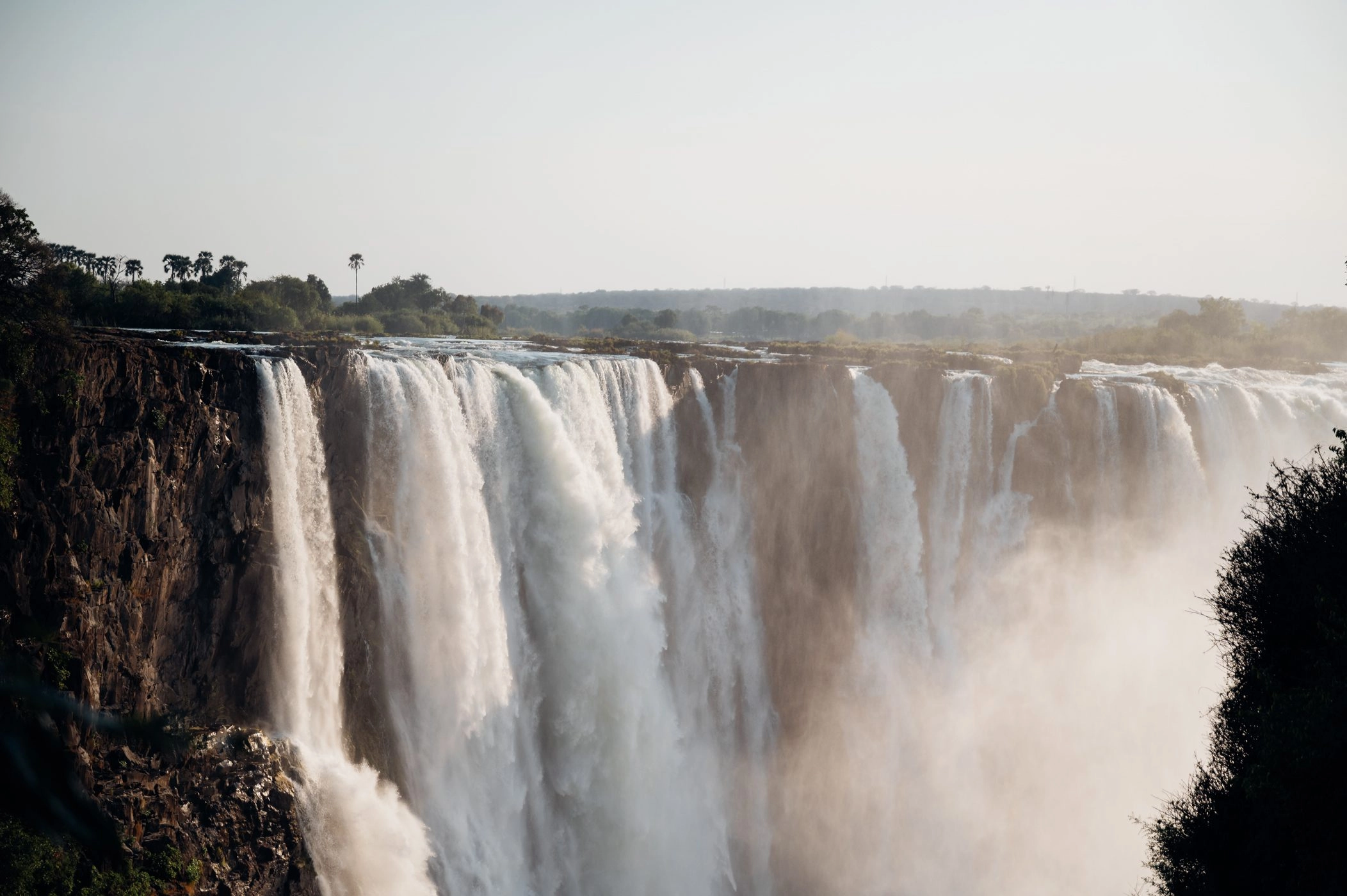
Understanding tipping in Zimbabwe is particularly important for safari travellers because the country has one of southern Africa's…
Read article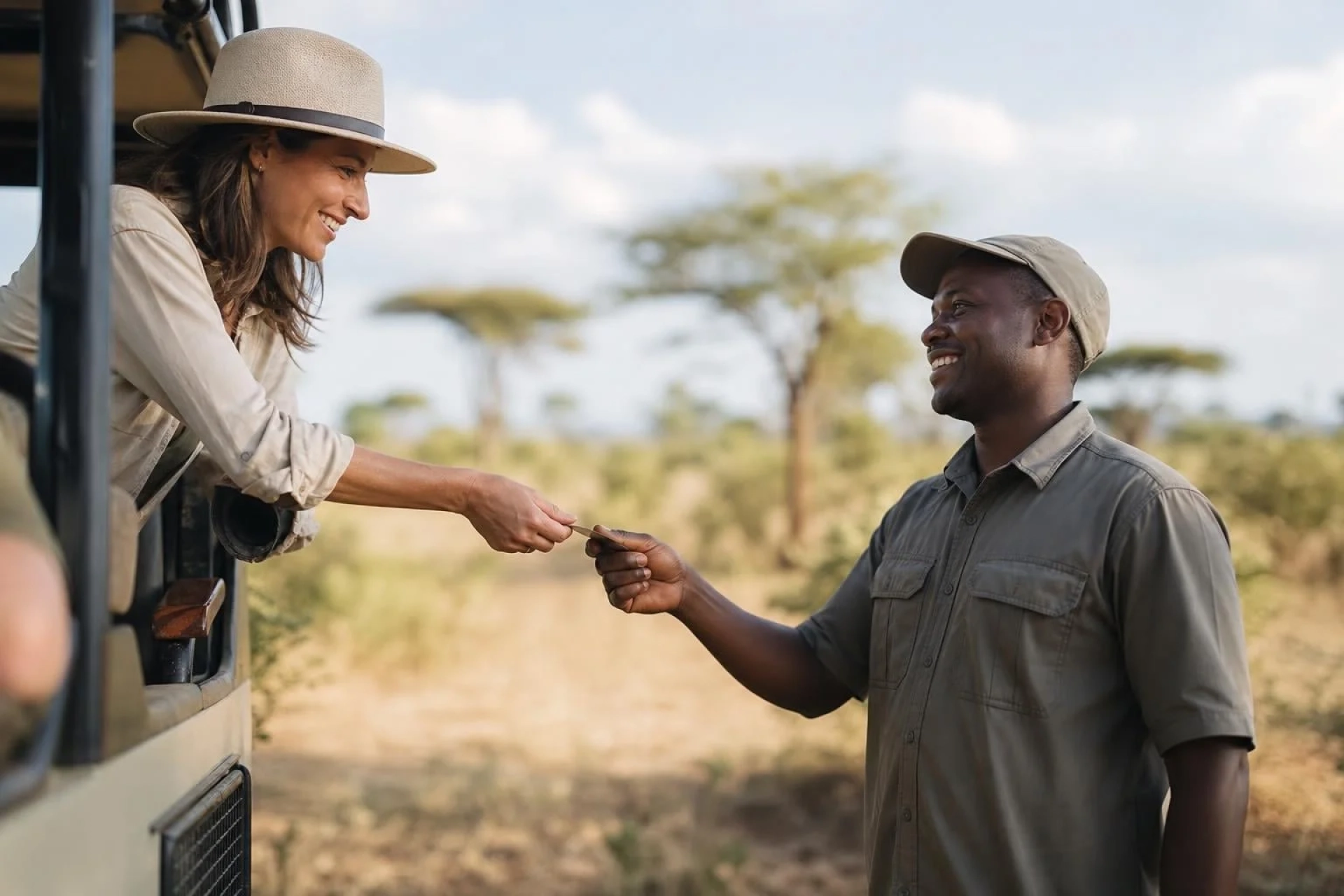
Tipping in Namibia differs subtly from tipping in many other major African safari destinations because a significant proportion…
Read article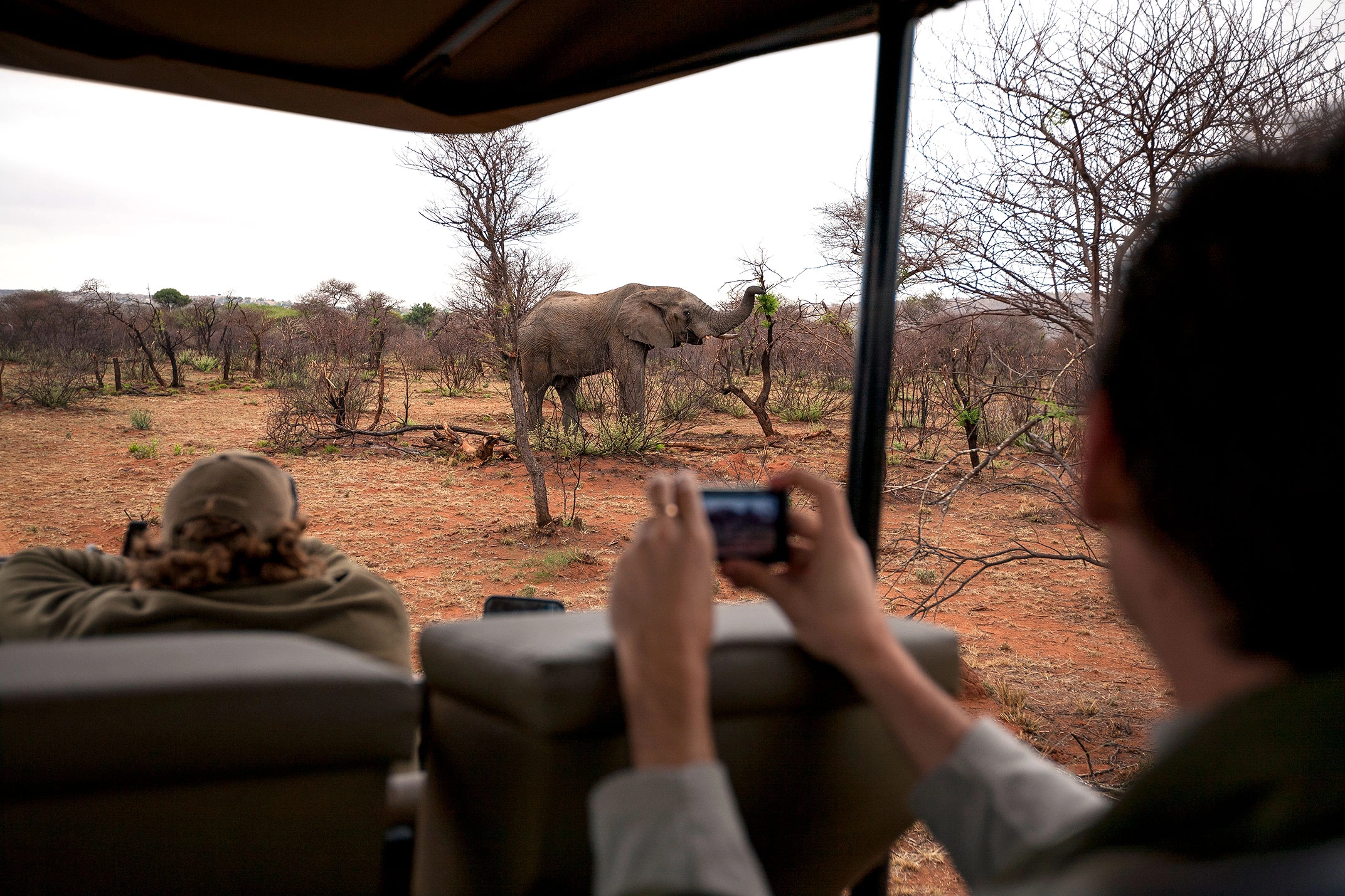
Tipping in Botswana is relatively easy once travellers understand how the country's safari industry operates. Unlike many East…
Read articleLet us take you closer to the wildlife, people and places that make Africa extraordinary.
Plan Your Safari Today