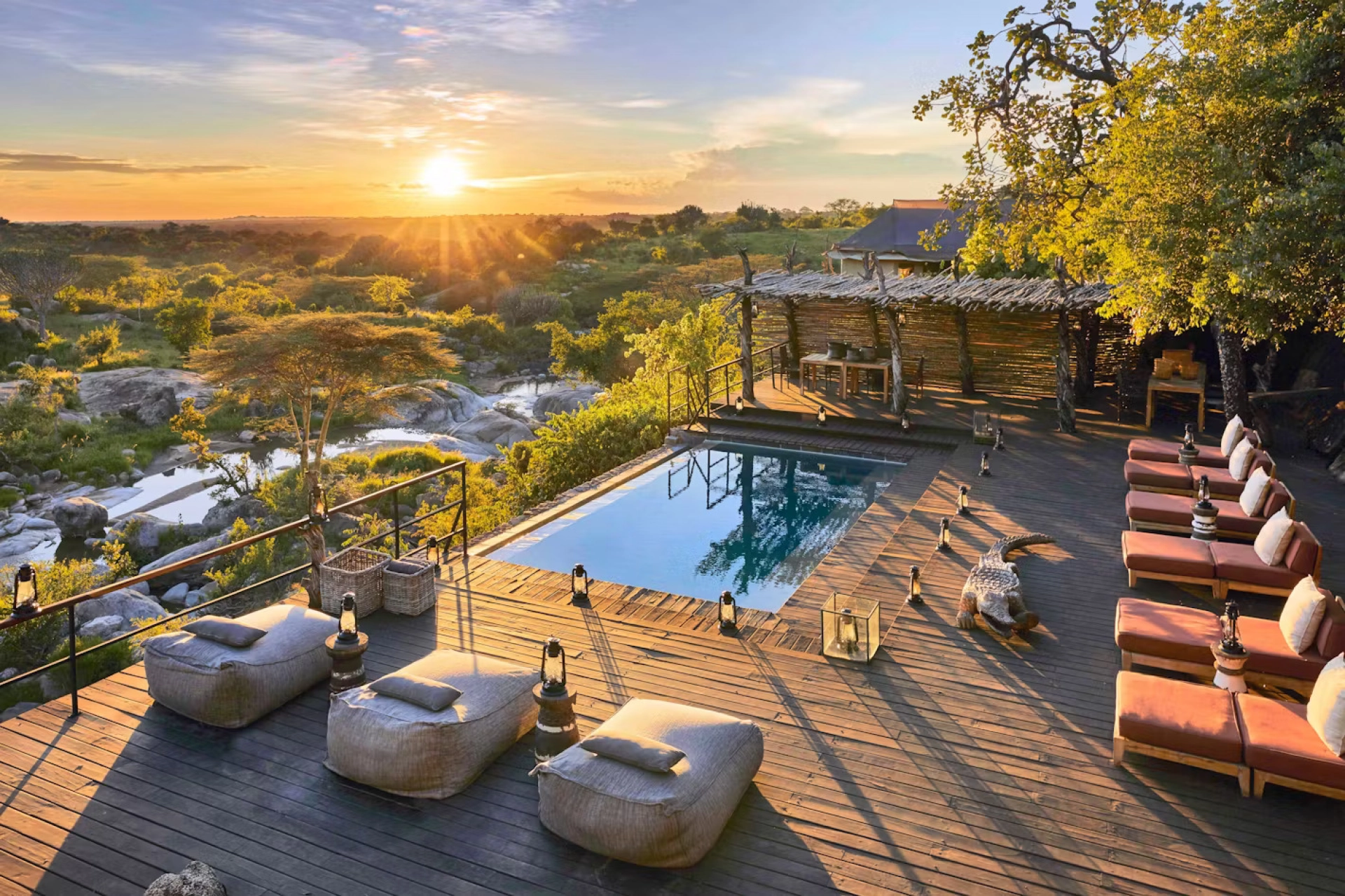
What should I look for when booking a luxury African safari?
When booking a luxury African safari, look beyond the room and compare the quality of guiding, wildlife location,…
Read article

Travel Guide
Choosing the best time to visit Victoria Falls is more complicated than choosing between wet season and dry season. Victoria Falls changes dramatically throughout the year. Visit during high water and you may encounter one of…
Choosing the best time to visit Victoria Falls is more complicated than choosing between wet season and dry season. Victoria Falls changes dramatically throughout the year. Visit during high water and you may encounter one of the most powerful natural spectacles anywhere in Africa: an immense curtain of Zambezi water crashing into a basalt gorge beneath clouds of spray. Visit several months later and the same waterfall can look completely different. Sections of exposed rock appear, the structure of the gorge becomes easier to see and activities that are impossible during high water may become available.
Neither experience is automatically better. The right season depends on what you want. Do you want maximum water? Do you want unobstructed waterfall photography? Do you hope to visit Devil’s Pool? Are you planning white-water rafting on the Zambezi? Do you want to combine Victoria Falls with a Botswana safari, Zimbabwe safari or Zambia safari? Are lower accommodation prices more important than maximum water volume? This detailed guide explains how Victoria Falls changes month by month, when to visit from Zambia or Zimbabwe and how to match the season to your travel priorities.
Victoria Falls lies on the Zambezi River along the international boundary between Zambia and Zimbabwe.
The waterfall is known traditionally as Mosi-oa-Tunya, commonly translated as “The Smoke That Thunders.” That name becomes especially meaningful during high-water periods. UNESCO describes Victoria Falls as the world’s greatest sheet of falling water. The waterfall stretches for approximately 1,708 metres, with an average depth of around 100 metres and a deepest point of about 108 metres. The extraordinary spectacle is created partly by geology. Instead of water cascading down a mountainside into an open valley, the Zambezi plunges into a comparatively narrow basalt gorge.
Water hits the base, spray rebounds upward and moisture drifts across the surrounding rainforest. During peak flow, that spray can be so intense that visitors opposite the Main Falls become completely soaked.
For many first-time visitors, April to June offers the most dramatic high-water experience.
The waterfall is powerful, broad and surrounded by enormous clouds of spray. However, the strongest flow can actually make photography difficult because parts of the falls disappear behind mist. Travelers wanting a compromise between strong water and clearer visibility often prefer the shoulder periods around the main high-water season. Those interested in Devil’s Pool, Livingstone Island and certain adventure activities generally need lower river levels, although exact opening dates vary every year and should always be confirmed locally.
For the lowest-water landscape, late dry-season months offer striking views of the gorge and rock formations.
The water falling at Victoria Falls does not simply reflect rain falling around Livingstone or Victoria Falls town.
The Zambezi drains an enormous catchment. Rain falls upstream, particularly across regions of Angola and Zambia, and that water takes time to move through the river system. Consequently, Victoria Falls can remain powerful well after the immediate rainy season begins to ease. River measurements demonstrate this delayed seasonal cycle. In 2026, the Zambezi River Authority recorded a flow of approximately 2,371 m³/s on 9 June. By 7 September, the measured flow had declined to about 438 m³/s.
That difference explains why photographs of Victoria Falls taken only a few months apart can look like completely different waterfalls.
The travel year can broadly be divided into four waterfall experiences:
Rising-water season: the Zambezi begins building after upstream rains. High-water season: the waterfall becomes immensely powerful and spray dominates the experience. Receding-water season: the river remains impressive but visibility gradually improves. Low-water season: large sections of cliff become visible, particularly on the Zambian side, while certain adventure activities may become possible. The exact timing varies from year to year. Climate patterns, rainfall and river conditions mean no responsible operator should guarantee an exact water level months in advance.
January falls within the regional rainy season.
Temperatures are generally warm, vegetation is lush and afternoon thunderstorms are possible. Water levels are typically beginning to rise as the seasonal rains influence the Zambezi system. This can be a beautiful time for travelers who enjoy green scenery. The surrounding bush looks fresh, clouds create dramatic skies and birdlife can be excellent. January is particularly appealing to repeat visitors who are interested in seeing the destination outside the busiest conventional safari season.
Rain should not automatically be interpreted as all-day bad weather. Tropical and subtropical rainy seasons frequently involve heavy showers separated by clearer periods. Nevertheless, travelers should carry waterproof protection for electronics and lightweight rain clothing.
By February, the Zambezi is generally continuing to build. The waterfall becomes increasingly powerful and mist intensifies. The surrounding Victoria Falls rainforest benefits from enormous moisture generated by the waterfall itself, but regional rains make the wider landscape even greener. February suits travelers who want lush vegetation, strong water and fewer assumptions about perfectly dry weather. It can also be a rewarding month for birders.
March moves closer to the classic high-water period. The width of the active curtain increases and spray becomes increasingly dramatic. Photographers need to prepare carefully. Waterproof camera covers, lens cloths and simple protective bags become extremely valuable. At certain viewpoints, cameras can become wet within seconds. The trade-off is the extraordinary sensory experience. You do not simply look at Victoria Falls during high water. You hear it, feel the vibration, walk through its spray and experience the strange sensation of standing beneath blue sky while “rain” pours upward and sideways from the gorge.
April is one of the most spectacular months for travelers who prioritize high water at Victoria Falls. The Zambezi may be extremely powerful by this stage. The Main Falls become thunderous and the traditional name Mosi-oa-Tunya feels completely appropriate. This is an excellent month for travelers who value drama over perfect visibility. Rainbow conditions can be remarkable when sunlight interacts with heavy spray. However, do not expect the classic postcard view from every viewpoint.
Some areas can be almost completely obscured by mist.
May is frequently associated with extraordinary flow. UNESCO educational material notes that the regional rainy season ends around May and river volume reaches very high levels around this period, creating immense mist around the waterfall. For sheer power, May can be magnificent. Visitors should expect to get wet when walking opposite the principal cataracts.
Yes—but it requires realistic expectations. Wide, crystal-clear views can be difficult when spray is at its strongest. Instead, May is ideal for capturing: rainbows in the mist, fragments of immense falling water, atmospheric rainforest scenes and the overwhelming power of the Zambezi. Aerial perspectives can sometimes reveal the full waterfall more effectively than ground-level viewpoints, subject to operating conditions.
June is one of the most interesting compromise months. The falls can still carry enormous water volumes, yet the regional dry season is becoming established. In June 2026, for example, Zambezi River Authority readings declined from about 2,720 m³/s on 2 June to around 1,800 m³/s by 22 June, showing how rapidly conditions can change even within the same month. June also fits extremely well with safari travel. Dry conditions increasingly improve wildlife viewing in destinations such as Chobe National Park, Hwange National Park and parts of Zambia.
For travelers planning a Victoria Falls and Botswana safari, June can therefore be particularly attractive.
July brings cool, dry winter weather to the region. Days are generally comfortable, while mornings and evenings can become surprisingly cool. Water levels continue to decline. The Zambezi River Authority recorded around 1,374 m³/s on 6 July 2026, falling to approximately 1,004 m³/s by 20 July. The waterfall remains impressive, but increasing sections of the gorge can become visible. This is also prime safari season across much of southern Africa. Vegetation begins thinning and wildlife becomes progressively concentrated around permanent water.
July is therefore excellent for travelers combining Victoria Falls with Chobe, Hwange or South Luangwa.
August is among southern Africa’s most popular travel months. The weather is dry, wildlife viewing is excellent and Victoria Falls remains a major attraction even as water levels continue dropping. Visibility generally improves because spray becomes less overwhelming. This makes August appealing to photographers who want to understand the shape of the gorge rather than simply experience an enormous wall of mist. The destination can be busy, particularly during school holiday periods.
Advance reservations are advisable for popular lodges and safari combinations.
September marks a significant transition toward lower water. The September 2026 Zambezi data provides a useful example: flow at Victoria Falls was approximately 438 m³/s on 7 September, far below early-June levels. This does not mean Victoria Falls has “dried up.” It means the waterfall’s appearance has changed. The Zimbabwe side generally retains more visible falling water across the principal viewpoints, while sections on the Zambian side can become much drier. For travelers primarily concerned with panoramic waterfall viewing during the late dry season, Zimbabwe often has the advantage.
October is typically hot. It is also one of the key low-water months. Large areas of exposed basalt can be visible. Some first-time travelers who have seen photographs of peak-flow Victoria Falls are surprised by the difference. Yet low water provides advantages. The gorge becomes much easier to appreciate. Rock formations hidden beneath high-season spray emerge. Certain river-based adventure activities become more favorable when operators consider conditions safe. Wildlife viewing in nearby national parks can be excellent because the dry season is advanced.
November is often transitional. Temperatures can be very high before seasonal rains become established. Thunderstorms may begin, transforming dusty landscapes surprisingly quickly. River flow does not immediately respond to local rainfall because the Zambezi’s upstream catchment takes time to feed Victoria Falls. Consequently, November can still produce low-water conditions even when rain has begun around the destination. This distinction is important. Rainy season at Victoria Falls does not necessarily mean high water at Victoria Falls.
December generally brings warmer, wetter weather and greener landscapes. The river may begin responding more noticeably to the broader rainy season, although conditions vary. Christmas and New Year can attract substantial holiday demand. Travelers considering December should reserve preferred hotels early. The green scenery can be beautiful, and the broader region becomes particularly interesting for birdwatching.
If your dream is to experience the waterfall at maximum force, target the broad high-water period, commonly centered around April and May and extending into surrounding months depending on the year’s rainfall. This is when Victoria Falls most closely resembles the classic image of a continuous curtain of water. The advantages include: immense power, huge spray clouds, spectacular rainbows, lush rainforest vegetation, and the strongest interpretation of “The Smoke That Thunders.”
The disadvantage is visibility. More water does not always mean you can see more waterfall. At peak flow, you may see less of the actual rock face because spray fills the gorge.
Travelers prioritizing visibility should avoid assuming that maximum water is automatically ideal. As river levels recede, mist decreases. The individual cataracts become easier to distinguish and the extraordinary basalt geology becomes visible. Months in the transition between high and low water can provide an excellent balance. Photographers often appreciate this because there is still significant falling water but fewer completely obscured viewpoints.
Devil’s Pool is a natural rock pool near the edge of Victoria Falls on the Zambian side. It is associated with excursions to Livingstone Island. Access is strictly dependent on river level and safety conditions. It normally operates only when water is sufficiently low, but travelers should never plan around a fixed annual opening date. Conditions vary. Always confirm with an authorized operator shortly before travel. During periods of high flow, accessing the pool would be extremely dangerous and excursions are suspended.
Livingstone Island access is also seasonal. The island lies close to the lip of the waterfall and is reached from the Zambian side. When river conditions permit, excursions provide one of the most unusual perspectives of Victoria Falls. Because access depends on water level, this is another activity that should be treated as conditional rather than guaranteed.
The Zambezi below Victoria Falls is famous for powerful rapids. White-water rafting at Victoria Falls is strongly influenced by river level. Lower water generally exposes a different rafting environment from high water. Some rafting operations may pause when conditions become unsuitable or too powerful. Travelers booking primarily for rafting should therefore confirm expected operating conditions with a specialist company rather than selecting dates solely from a generic seasonal chart.
For travelers planning Victoria Falls plus safari, roughly June through October is especially popular. Why? Because this period overlaps with the dry season across many famous southern African reserves. In Chobe National Park, elephants and other wildlife increasingly gather around the Chobe River. In Hwange National Park, waterholes become important wildlife centers. In Zambia’s major parks, dry-season conditions improve road access and concentrate wildlife. This means you can enjoy Victoria Falls and then continue directly into excellent safari viewing.
One of the easiest combinations is Victoria Falls and Chobe. Chobe lies across the border in Botswana and is famous for its enormous elephant population and river safaris. A typical trip can include several nights at Victoria Falls followed by a transfer to Kasane. Boat safaris along the Chobe River complement the waterfall experience perfectly. You move from the raw geological power of the Zambezi to quiet wildlife viewing along a broad African river.
Zimbabwe’s Hwange National Park provides another natural combination. Hwange contains extensive savanna and woodland habitats supporting elephants, lions, wild dogs, buffalo and numerous other species. Travelers visiting the Zimbabwe side of Victoria Falls can continue overland or by air to Hwange. This creates a particularly logical Zimbabwe safari itinerary.
From Livingstone, visitors can extend into Zambia’s safari regions. Longer itineraries might include South Luangwa or Lower Zambezi. A Zambia-focused journey is ideal for travelers who want Victoria Falls to be one component of a more extensive wildlife experience rather than a stand-alone city break.
During high water, both sides can be extraordinary. The Zambian side gives you close access to the Eastern Cataract and powerful spray. Zimbabwe provides a longer sequence of viewpoints opposite the principal waterfall sections. Travelers with sufficient time should consider seeing both. Walking across the Victoria Falls Bridge and completing border formalities allows you to experience the waterfall from two countries in one trip, provided visa arrangements suit your nationality.
During low water, the distinction becomes more important. The Zambian side can lose substantial visible flow across the Eastern Cataract. Zimbabwe generally maintains better year-round viewing of the principal falls because of how the Zambezi channels water toward that side of the gorge. Consequently, travelers visiting specifically for waterfall scenery in the lowest-water period often prefer Zimbabwe. Zambia, however, may simultaneously offer seasonal activities unavailable during high water. The “better” side therefore still depends on priorities.
Photographers need to decide what image they want. For dramatic mist and rainbows, visit when water remains high. For a clearer view of the cliff and individual waterfalls, choose receding or lower water. For astrophotography, night photography and lunar rainbow opportunities, moon phase becomes another consideration. Full-moon periods can sometimes create lunar rainbows, locally known as moonbows, when conditions of water, mist, darkness and moonlight align. This can be one of the most unusual photographic experiences at Victoria Falls.
Your packing list should reflect the season. During high water, bring waterproof protection even when the weather forecast predicts sunshine. The waterfall creates its own rainstorm. Quick-drying clothes are valuable. A lightweight waterproof jacket can be useful, although ponchos may also be available locally. Protect phones, passports and camera equipment carefully. During the dry winter months, pack warm layers for early mornings and evenings. Safari departures can feel surprisingly cold in open vehicles.
Throughout the year, bring: comfortable walking shoes, sun protection, insect repellent, binoculars if combining the falls with safari, and adequate camera memory.
For most travelers, two to three nights works well. This allows time to explore the falls without rushing and add one or two activities. Travelers may include: a guided Victoria Falls tour, sunset cruise on the Zambezi, helicopter flight, cultural experience, white-water rafting, Livingstone Island when available, or a Chobe day trip. If Victoria Falls forms part of a longer southern African safari, three nights often provides a comfortable balance.
Absolutely—provided you understand what you are booking. Low water reveals the gorge. Photography can be easier. Adventure activities may be available. Wildlife viewing elsewhere in the region can be at its best. What you should not expect is the enormous uninterrupted curtain shown in peak-flow photographs. Seasonal expectations are the key to enjoying Victoria Falls.
Headlines occasionally imply that Victoria Falls has completely dried up. These statements can be misleading. Flow varies enormously and sections of the waterfall—particularly toward Zambia—can become very dry in the late dry season. However, water generally continues through deeper channels toward the principal Zimbabwe cataracts. The correct description is therefore seasonally reduced flow, not the disappearance of the entire waterfall.
Choose high-water months if you want maximum force, huge spray and the most dramatic version of Mosi-oa-Tunya. Choose the receding-water period if you want a compromise between power and visibility. Choose the dry-season safari months if combining Victoria Falls with Chobe, Hwange or other wildlife destinations is your priority. Choose low water if seeing the gorge, pursuing seasonal river activities or potentially visiting Devil’s Pool is especially important. Most importantly, understand that Victoria Falls is not one static attraction.
It is a living river system that changes continuously. That is precisely why travelers can return during a different season and feel as though they are visiting an entirely new place. Whether you approach from Livingstone in Zambia or Victoria Falls town in Zimbabwe, the best time to visit Victoria Falls is ultimately the time that matches the experience you want. For pure power, come when the Zambezi is high.
For photography and geology, allow the water to recede. For safari, target the southern African dry season. And if your schedule allows, visit both Zambia and Zimbabwe—because one of Africa’s greatest natural wonders deserves to be experienced from more than one angle.
Get quick answers to the most common questions. If you still have questions, our safari experts are here to help.
There is no single best month. April–May is excellent for maximum water, while later dry-season months offer clearer gorge views and better regional safari conditions.
The river normally reaches very high levels after upstream rains have worked through the Zambezi catchment, broadly during the late wet-season/high-water period.
Flow generally reaches its lowest levels toward the end of the dry season before the effects of upstream rains arrive.
Zimbabwe usually provides more consistent panoramic waterfall viewing, particularly during low water. Zambia offers unique close-up experiences and seasonal access to Livingstone Island and Devil’s Pool.
Only when river conditions are considered safe. The exact season and opening dates vary annually, so always confirm with an authorized operator.
Yes. April is usually excellent for travelers wanting a dramatic high-water experience, although heavy spray can reduce visibility.
Yes. June can provide a strong balance between substantial water, increasingly dry weather and excellent southern African safari conditions.
Very good. Water levels are lower than during peak flow, visibility improves and August coincides with excellent wildlife viewing in Chobe and Hwange.
October is typically hot and low-water. The gorge is exposed, the Zimbabwe side usually offers better continuous waterfall viewing and certain adventure activities may be favorable.
Yes. The landscape becomes green and birdlife can be excellent. Remember that local rainfall and actual waterfall volume do not peak simultaneously because water takes time to travel through the Zambezi catchment.
Most travelers should allow at least two nights, while three nights provides more time for sightseeing and adventure activities.
Our safari experts are here to help you plan your safari. Get personalized advice, the latest information and a free, no-obligation quote.
We typically reply within a few hours.

Share This Article
When booking a luxury African safari, look beyond the room and compare the quality of guiding, wildlife location,…
Read article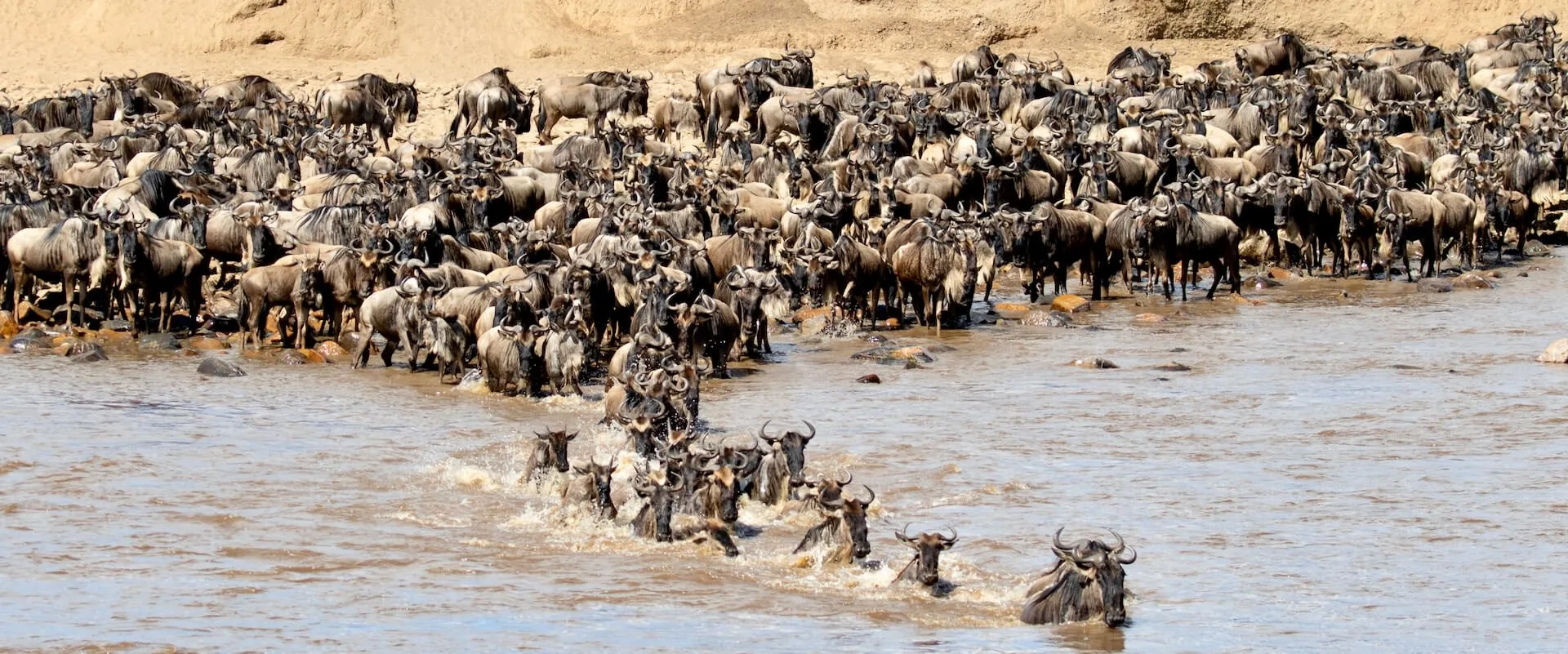
The Great Migration in Africa happens all year because the herds continuously circulate through the Serengeti–Mara ecosystem in…
Read article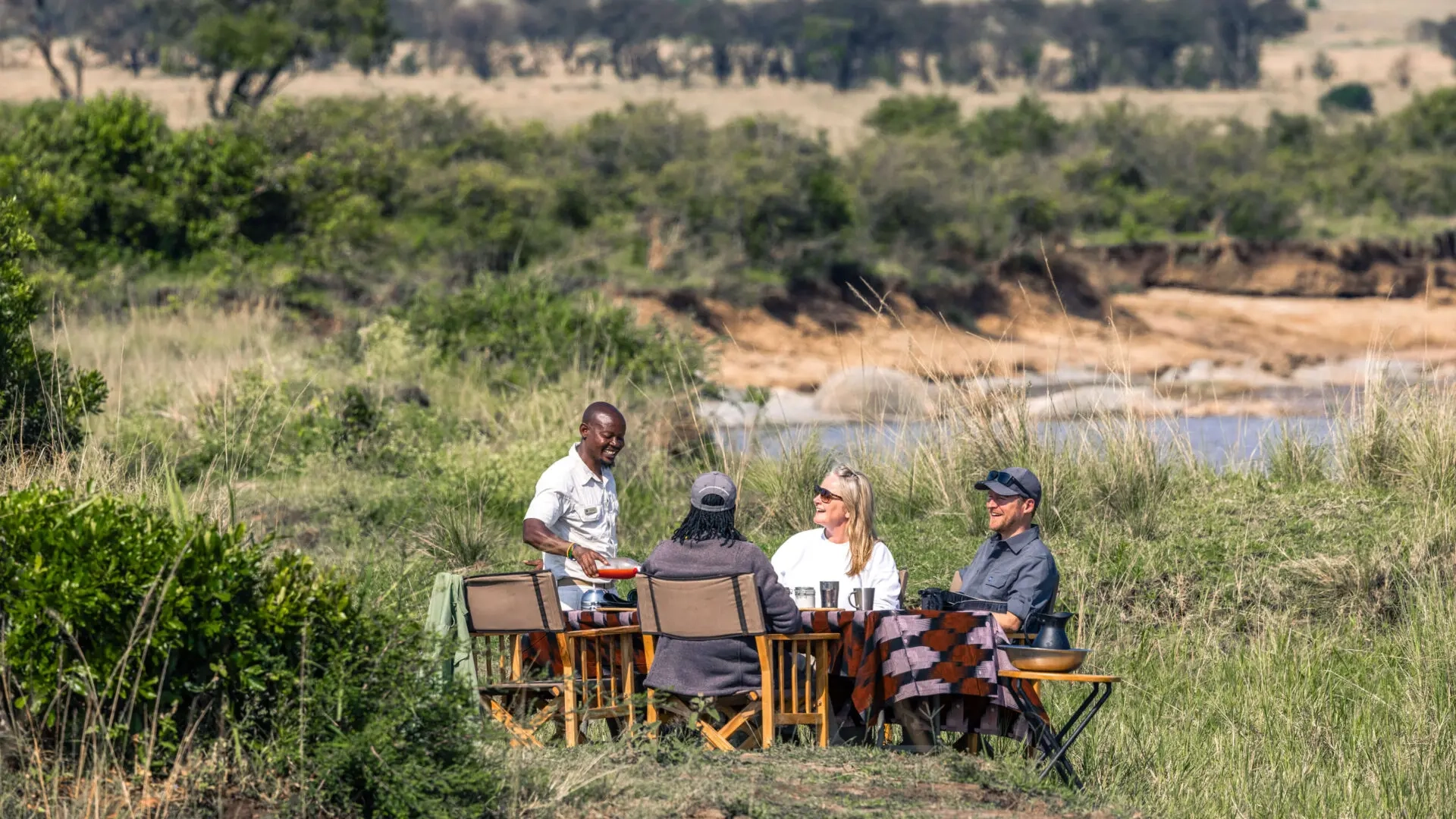
Definitive answer: A picnic lunch on safari is a packed or catered midday meal eaten at an approved…
Read article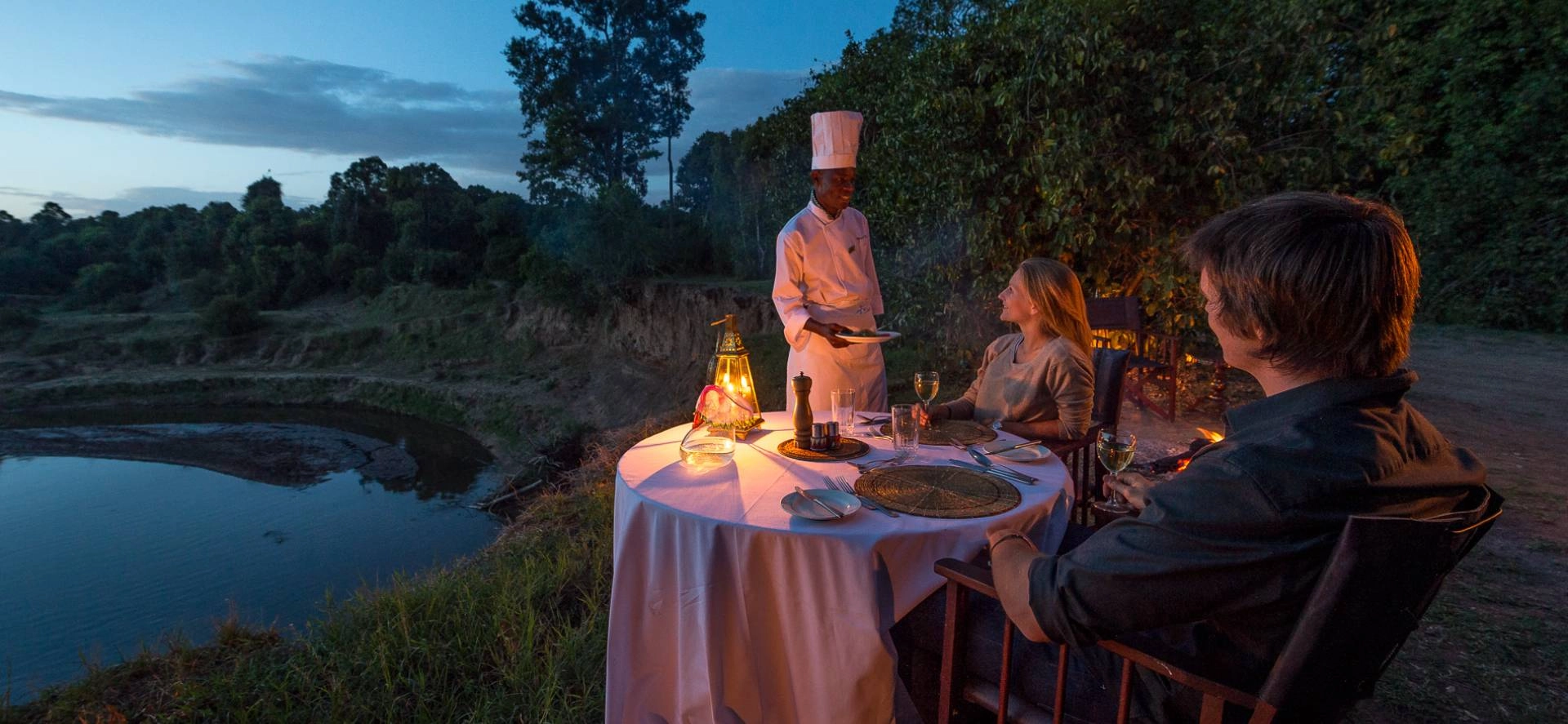
Definitive answer: A bush dinner is an outdoor evening meal arranged in a safe safari setting away from…
Read articleLet us take you closer to the wildlife, people and places that make Africa extraordinary.
Plan Your Safari Today