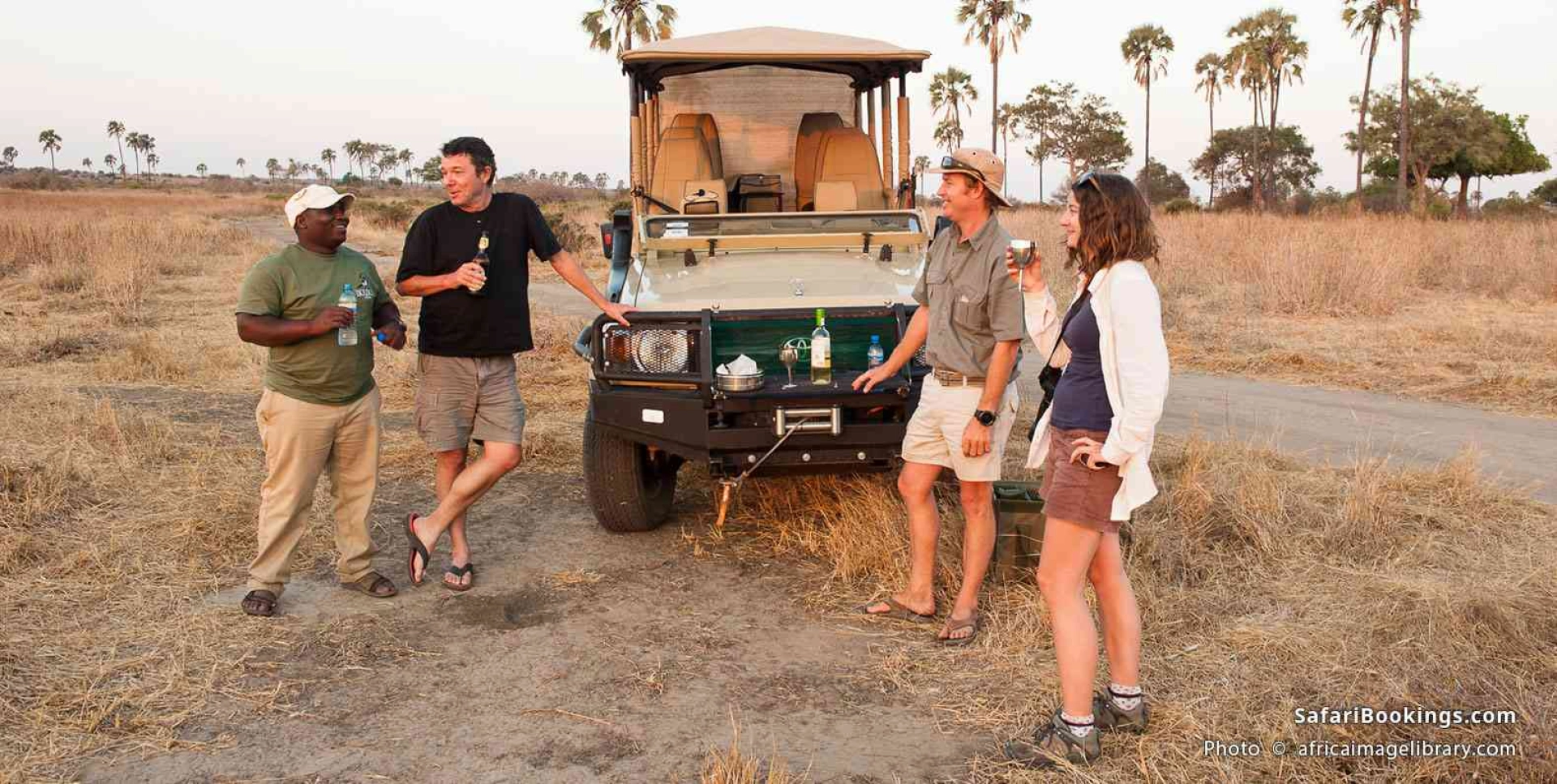
Tipping in Zambia: Complete Safari, Walking Safari & Travel Tipping Guide
Understanding tipping in Zambia is particularly useful for safari travellers because Zambia is famous for highly personalised wilderness…
Read article

Travel Guide
Botswana is frequently described as one of Africa's premium safari destinations. Its reputation has been built on immense wilderness areas, spectacular elephant populations, the waterways of the Okavango Delta, predator-rich reserves, relatively low visitor densities and…
Botswana is frequently described as one of Africa’s premium safari destinations. Its reputation has been built on immense wilderness areas, spectacular elephant populations, the waterways of the Okavango Delta, predator-rich reserves, relatively low visitor densities and remote safari camps surrounded by wildlife. That reputation can create a problem for budget-conscious travelers. Search for Botswana safaris online and it is easy to find luxury camps charging amounts that make the country appear inaccessible to anyone without a very large holiday budget. Add light-aircraft transfers, premium lodges and private concessions, and a Botswana safari can indeed become one of the more expensive ways to experience Africa.
But that is not the only way to travel. It is entirely possible to organize a rewarding Botswana safari on a budget if you understand where the major costs come from and design your itinerary intelligently. Instead of attempting to reproduce an ultra-luxury fly-in safari at a lower price, budget travelers should embrace a different style of adventure: mobile camping, road-based safaris, scheduled departures, self-drive travel where appropriate, strategically located guesthouses and longer stays in accessible wildlife areas.
A budget safari can still take you into Chobe National Park, Moremi Game Reserve, the greater Okavango region, Makgadikgadi landscapes and other remarkable wilderness areas. The key is knowing where to spend, where to save and which compromises have little effect on the wildlife experience. This detailed guide explains how to plan an affordable Botswana safari, including transportation, accommodation, safari styles, seasonal pricing, wildlife regions, itinerary design and practical methods of reducing costs without turning the journey into a rushed or poorly organized trip.
Botswana’s safari industry developed differently from mass-market tourism destinations. Many of the country’s famous camps operate in extremely remote environments. Some are surrounded by seasonal floodplains, wilderness concessions or areas that cannot be reached conveniently by ordinary road transfers. Supplying those camps can be expensive. Food, fuel, building materials, maintenance equipment and staff supplies may need to travel substantial distances. Some lodges depend heavily on small aircraft. Limited room numbers can also increase the cost per guest.
In addition, many premium Botswana properties are sold as comprehensive safari experiences rather than simple hotel rooms. Rates may include meals, local drinks, game drives, professional guides, boating or mokoro excursions and other activities. When you see a very high nightly price, you are often comparing a complete remote safari package with an ordinary hotel stay. However, Botswana has other options. The country is not composed exclusively of luxury fly-in camps.
Yes. But the phrase budget Botswana safari must be understood realistically. Botswana is unlikely to be as inexpensive as backpacking through countries with extensive public transport and low-cost hostel networks. Wildlife destinations require vehicles, fuel, park access and specialist logistics. The objective is therefore not necessarily to create the cheapest holiday possible. It is to obtain excellent wildlife experiences for considerably less than a high-end Botswana fly-in safari. Travelers can save substantially by: joining a mobile camping safari
traveling overland rather than flying between every camp sharing transportation using public campsites or simpler private camps staying in Kasane or Maun and taking day trips traveling during shoulder or green seasons choosing fewer destinations using guesthouses outside premium reserves and, for experienced travelers, considering a properly prepared self-drive Botswana safari.
The easiest way to overspend is to attempt to include every famous destination. Botswana is large. Wildlife regions that look reasonably close together on a map may require difficult roads, long transfers or flights. Before planning the itinerary, decide what matters most. Do you primarily want: elephants in Chobe? the Okavango Delta? predators in Moremi? remote camping? mokoro excursions? a self-drive expedition? Victoria Falls combined with safari? the Makgadikgadi salt pans? bird watching? A traveler whose priority is elephants and river safaris can build an affordable trip around Kasane and Chobe. Someone who dreams of the Okavango may prioritize Moremi and the Delta while dropping other regions.
Focus creates value.
Understanding geography is essential for controlling costs.
Chobe National Park is one of Botswana’s most accessible major wildlife destinations. The Chobe Riverfront near Kasane is particularly famous for elephants and river-based wildlife viewing. Its accessibility makes it an important destination for budget travelers. Visitors can stay in accommodation around Kasane and join scheduled game drives and Chobe River cruises, avoiding the need to stay in an expensive lodge deep inside a remote concession. Chobe also combines conveniently with Victoria Falls, allowing travelers to create a Botswana–Zimbabwe or Botswana–Zambia itinerary.
The Okavango Delta is Botswana’s most iconic safari ecosystem. Water arriving from the Angolan highlands spreads through channels, lagoons, floodplains and islands in northern Botswana, creating one of the world’s extraordinary inland wetland systems. Luxury fly-in camps are one way to experience the Delta, but they are not the only way. Budget travelers can explore parts of the wider Okavango ecosystem through Maun-based excursions, mobile safaris, camping itineraries and combinations with Moremi.
The exact nature of water activities varies according to location and seasonal water levels.
Moremi Game Reserve lies within the wider Okavango ecosystem and is one of Botswana’s premier wildlife areas. It combines woodland, floodplains and other habitats that support elephants, buffaloes, antelopes and predators. Moremi is especially attractive to budget travelers because it can form part of an overland or mobile camping safari. Road conditions can be challenging, which is one reason experienced guides and appropriate 4×4 vehicles are valuable.
The Khwai area borders important wildlife landscapes and is often incorporated into mobile camping itineraries connecting Moremi and Chobe. The region can provide outstanding wildlife viewing and a wilderness atmosphere without requiring the costliest luxury Delta camps.
Savuti is another famous wildlife area within the Chobe ecosystem. Its landscapes and predator viewing make it popular on longer Botswana safari circuits. Reaching it overland can involve demanding sandy tracks, so it is normally incorporated into a properly equipped safari rather than treated as a casual road trip.
The Makgadikgadi salt pans create an entirely different Botswana experience. Huge open landscapes contrast dramatically with the waterways of the Delta. Wildlife patterns are strongly seasonal. For travelers interested in landscapes, desert environments and unusual safari experiences, Makgadikgadi can provide additional variety.
Nxai Pan National Park can also be incorporated into Botswana circuits, particularly for travelers interested in seasonal wildlife, open landscapes and baobab scenery. Again, seasonality matters significantly.
For many travelers, Chobe offers the easiest introduction to an affordable Botswana safari. Instead of staying inside an expensive lodge, stay in or near Kasane. From there you can book: A morning game drive An afternoon river cruise A full-day combination or multiple days of wildlife activities. The river cruise is especially important because it provides a completely different perspective from a vehicle safari. Elephants may gather near the river, hippos occupy channels and numerous birds use the wetlands. A traveler can therefore experience genuine Botswana wildlife while controlling accommodation costs.
Kasane has a broader accommodation range than remote safari concessions. Choices can include: Guesthouses Hostels Simple lodges Self-catering units
Campsites Mid-range hotels Budget travelers should not automatically book the cheapest room available. Consider the cost of transportation to activity starting points. A slightly more expensive property located conveniently may ultimately save money.
Maun is one of Botswana’s principal safari gateways. Many journeys toward Moremi and the Okavango Delta begin here. The town has supermarkets, guesthouses, campsites, restaurants and safari companies. Budget travelers can use Maun strategically. Instead of immediately flying to an expensive Delta lodge, spend nights in town and join appropriate excursions or depart on a scheduled mobile safari. Maun is also useful for stocking up before camping or self-drive journeys.
For travelers who want genuine wilderness without luxury-lodge prices, a Botswana mobile camping safari can be outstanding. These safaris use designated or wilderness campsites while moving between wildlife areas. Standards vary enormously. Some are basic participatory camping trips where guests help with camp chores.
Others are fully serviced mobile safaris with staff setting up tents, preparing meals and handling logistics. The accommodation is simpler than a permanent lodge, but the location can be remarkable. You may sleep in a tent surrounded by the sounds of the African bush and wake close to game-drive areas. This is not merely a cheaper version of a safari.
For many travelers, camping is the more immersive experience.
On a participatory trip, travelers may help: Set up tents Pack equipment Wash dishes Prepare simple camp areas or assist with general camp routines. This keeps costs lower and creates a communal atmosphere. It suits adventurous travelers who do not expect hotel-style service.
A serviced mobile camp is more comfortable. Staff may erect tents, cook meals and manage camp. Some tents include proper beds or private facilities depending on the operator. The price is higher than participatory camping but can remain significantly below premium lodges.
Joining a scheduled Botswana group safari is one of the most effective ways to reduce cost. A private safari requires one couple or family to cover the vehicle, guide and fuel. On a group departure, these expenses are shared. Scheduled trips are especially appropriate for: Solo travelers Couples Friends traveling on limited budgets First-time Botswana visitors Travelers who do not need complete itinerary flexibility The main compromise is that departure dates and itineraries are fixed.
A private safari is still possible without choosing luxury accommodation. Families and groups of friends can make private travel economical because the vehicle cost is shared. For example, four or six travelers sharing one safari vehicle may find that a private mobile camping journey compares favorably with individually priced lodge packages. Private travel also gives photographers and families more control over daily schedules.
A self-drive Botswana safari appeals strongly to adventurous travelers. It can reduce the cost of professional guiding and allow substantial independence. However, Botswana is not the place to choose self-drive simply because you want the cheapest possible holiday. Remote routes may involve: Deep sand Water crossings Wild animals Limited mobile signal Long distances without services Navigation challenges Mechanical problems Self-recovery situations A proper 4×4 and good preparation are essential. Travelers should understand basic vehicle recovery, fuel planning, camping procedures and wildlife safety.
Sometimes. But calculate the complete cost. Vehicle rental Camping equipment Fuel Park fees Campsites Food Insurance Cross-border charges where applicable Recovery equipment Satellite communication where needed and possible one-way fees can add up. A scheduled camping safari may sometimes offer better overall value because the cost is shared among several travelers and includes professional guiding.
Remote safari routes require a genuine 4×4. A vehicle prepared for wilderness travel may include: High ground clearance Low-range four-wheel drive Spare tires Recovery equipment Jack Compressor Extra fuel capacity Water storage Camping gear Refrigeration Navigation equipment The cheapest rental vehicle may not be the best value if it is poorly prepared.
Roof-top tents are popular among independent southern African travelers. They provide compact sleeping arrangements integrated into the vehicle. Advantages include: Quick setup Being elevated from the ground Efficient use of vehicle space Freedom to camp in multiple destinations However, they still require careful campsite behavior. Being elevated does not remove the need to respect wildlife.
Never leave food outside or walk around carelessly at night.
Botswana campsites may be unfenced. Wild animals can move through camp. This is part of the attraction—but it requires discipline. Follow campsite and guide instructions. Do not approach animals. Do not leave food accessible. Use a flashlight after dark. Avoid walking away from camp unnecessarily. Never sleep outside a secure tent. If traveling independently, understand local wildlife behavior before departure.
A common misconception is that inexpensive accommodation produces worse wildlife sightings. It does not. Wildlife viewing depends primarily on: Location Season Guide quality Time spent in the field Animal movements Weather and luck. A traveler camping in Moremi can potentially observe the same lions, elephants and wild dogs as guests staying at an expensive nearby camp. Luxury changes the accommodation experience, not the identity of the wildlife.
One of the best principles in safari budgeting is: Save on your bed before you save on your guide. A simple tent with an excellent guide can produce an extraordinary safari. An expensive lodge with poor guiding can be disappointing. Professional guides interpret tracks, identify alarm calls, understand animal behavior and know how to position vehicles responsibly. If your budget is limited, prioritize the quality of the safari itself.
Seasonal pricing can create major savings. Botswana’s lower or green season can bring: Lower accommodation prices Fewer visitors Dramatic skies Lush landscapes Excellent birding Young animals Interesting seasonal wildlife However, conditions differ across ecosystems. Some roads may become harder. Certain camps may operate seasonally. Wildlife distribution also changes. Do not choose a month based solely on price without understanding how it affects the destinations you want to visit.
A Botswana shoulder-season safari can provide an excellent balance. You may find lower rates than during peak months while maintaining strong wildlife opportunities. Shoulder travel can also mean fewer vehicles around popular sightings. Travel dates that are flexible by several weeks can unlock substantial savings.
High-demand periods often coincide with attractive safari conditions. Premium camps may charge their highest rates. Flights and transfers can also become more expensive. If your travel dates are fixed during peak season, book early to secure lower-priced accommodation before it sells out.
Changing camps constantly increases costs. Every move requires transportation. In fly-in regions, this can mean additional aircraft sectors. On road safaris, it means fuel and hours of travel. Spending two or three nights in a wildlife area can be both cheaper and better. You gain full mornings and afternoons for game viewing rather than repeatedly packing.
Budget travelers often attempt to compensate for limited funds by squeezing numerous destinations into one trip. This usually makes the safari worse. A well-planned Chobe–Moremi safari can be more rewarding than a frantic journey touching five locations briefly. Botswana rewards patience. Spend time learning one ecosystem. Return to promising wildlife areas. Allow your guide to follow tracks.
One of southern Africa’s most logical combinations is Chobe and Victoria Falls. Kasane lies relatively close to the Victoria Falls region. A traveler can therefore combine: Chobe game drives Chobe boat cruises Victoria Falls and surrounding activities without taking expensive long-distance internal flights. This is particularly attractive to first-time visitors to southern Africa.
Overland travelers can also combine Botswana with Namibia. Popular circuits may incorporate the Caprivi/Zambezi region, Chobe, Maun and other northern Botswana destinations. This style of travel is particularly suitable for camping and self-drive enthusiasts.
Botswana and Zimbabwe work naturally together. Chobe can be connected with Victoria Falls and, on longer journeys, additional Zimbabwe wildlife destinations. Scheduled overland tours may provide an affordable method of experiencing several countries.
Yes, but expectations matter. You may not be staying at a remote private island lodge reached by charter flight. Instead, consider: Maun-based excursions Mobile camping Moremi Khwai Scheduled overland safaris Day activities where practical A budget Delta experience can still include water, wildlife and spectacular landscapes.
The mokoro is a traditional-style narrow craft associated with Okavango waterways. Mokoro excursions provide a quiet perspective from water level. Rather than focusing on speed or covering large distances, the experience emphasizes: Water channels Birdlife Aquatic plants Small details
Landscape and the atmosphere of the Delta. Activities depend on local water conditions and operator arrangements.
Boat trips can be among Botswana’s best-value wildlife activities. The Chobe River is particularly famous. A boat safari provides access to wildlife viewing that cannot be replicated entirely from a vehicle. Photographers often appreciate low perspectives toward animals near the water.
Camping and self-catering can reduce food expenses. Maun and Kasane provide opportunities to purchase supplies before remote travel. Plan carefully. Remote areas may have few opportunities to buy food. Independent travelers should account for: Drinking water Fresh food Dry foods Cooking fuel Ice or refrigeration Emergency supplies Avoid overbuying perishables that cannot be stored safely.
Always plan more water than you think you need on remote self-drive routes. Hot weather, vehicle problems or unexpected delays can increase consumption. Guided safari operators normally manage water logistics for guests. This is one major advantage of joining an organized safari.
Fuel can become a significant component of independent Botswana travel. Long distances, four-wheel driving and heavy vehicles all increase consumption. Never calculate fuel based only on ordinary highway driving. Remote journeys require reserve capacity. Refuel whenever practical rather than assuming the next station will be available or operational.
Flying over the Okavango Delta can be spectacular. Light aircraft also reduce long road transfers. But frequent flights quickly increase the cost of a Botswana safari. Budget travelers should use flights strategically. One flight may be worthwhile to save an entire travel day. Flying between every camp may not be necessary.
Sometimes paying more improves the itinerary substantially. A fly-in sector can make sense when: Road travel is exceptionally long A camp is inaccessible by ordinary road Vacation time is limited The flight itself provides spectacular views or the alternative consumes too much safari time. Budget travel should be about value rather than refusing every expensive option automatically.
Protected-area fees are unavoidable. Do not attempt to save money by choosing operators that appear to exclude legitimate conservation charges. Ask whether your quotation includes: Park entrance fees Camping fees Concession fees Vehicle fees Activity fees Government taxes A cheap headline price may become expensive after compulsory extras are added.
Before booking, verify: Airport transfers Park fees Drinks Laundry Sleeping bags on camping safaris Optional excursions Visa costs Border transfers Gratuities Domestic flights Travel insurance Single supplements Camping equipment Meals before and after the tour Knowing the full amount makes comparison easier.
Botswana can be challenging for solo travelers because private transportation and accommodation supplements increase costs. Scheduled group departures are often the best solution. They provide: Shared transport Shared guiding costs Social interaction Fixed itineraries Simplified logistics Solo travelers should compare the single supplement carefully.
Couples have more flexibility. A scheduled camping trip will usually be cheaper. A private self-drive journey offers independence. A private guided safari provides comfort but costs more. Many couples combine styles—for example, guesthouse nights in Kasane followed by a scheduled mobile safari into Moremi.
Families can achieve good value by sharing one vehicle. However, camping conditions and long drives may not suit every child. Consider: Children’s ages Private bathroom requirements Swimming facilities Meal flexibility Driving distances Minimum age rules for activities A private family safari can sometimes be worth the additional cost.
Photographers should prioritize vehicle space. A cheap group safari becomes frustrating if eight guests compete for viewing positions. Ask: How many guests per vehicle? Does everyone get a window position?
Can beanbags be used? Is charging available? How much luggage is allowed? Will the vehicle spend enough time at sightings? Paying slightly more for better vehicle occupancy can dramatically improve photographic opportunities.
Botswana is exceptional for birding. Wetlands, woodland, riverine habitats and seasonal pans create diverse birding opportunities. Budget travelers can benefit because birds are not restricted to premium concessions. Kasane, Maun and mobile camping routes can all provide excellent birding. A specialist bird guide may cost more but can transform the experience for serious birders.
Pack lightly but practically. Useful items include: Neutral safari clothing Warm layer for cold mornings Sun hat Sunscreen Sunglasses Binoculars Camera Power bank Headlamp Reusable water bottle Insect repellent Comfortable closed shoes Sandals for camp Quick-drying clothes Small first-aid supplies Personal medication For camping trips, verify exactly what equipment the operator provides before packing.
Botswana is associated with heat, but open safari vehicles can feel extremely cold during early-morning winter drives. Bring layers. A fleece or lightweight insulated jacket may be more useful than travelers expect. You can remove clothing as temperatures rise.
Light-aircraft safaris may have strict luggage restrictions, sometimes requiring soft bags. Even overland vehicles have limited storage. Traveling with enormous hard-sided suitcases creates unnecessary difficulty. Pack for the safari you are taking rather than a city holiday.
A very short trip might focus on Chobe. Five to seven days can combine two important wildlife areas. Seven to ten days allows a more satisfying Botswana circuit. Ten to fourteen days can include multiple ecosystems or a neighboring country. Budget travelers should resist spreading limited money across too many days if it forces the safari quality too low. Seven well-designed days can be better than fourteen rushed, compromised days.
Day 1: Arrive Kasane and afternoon Chobe River cruise. Day 2: Morning Chobe game drive and relaxed afternoon. Day 3: Full-day Chobe wildlife experience or additional river activity. Day 4: Departure or transfer toward Victoria Falls. This simple structure minimizes transportation while delivering quality wildlife viewing.
Day 1: Arrive Maun. Day 2: Depart for Moremi on a mobile camping safari. Day 3: Full-day Moremi game drives. Day 4: Continue toward Khwai. Day 5: Khwai wildlife activities. Day 6: Return toward Maun or continue according to route. Day 7: Departure. A scheduled camping format can keep the price considerably below luxury lodge itineraries.
A longer itinerary might combine: Maun Moremi Khwai Savuti Chobe Kasane This creates a classic northern Botswana overland circuit. Travel times and road conditions must be planned realistically.
There is no single figure because safari style changes everything. At one extreme, independent campers share vehicle and food expenses. At the other, luxury fly-in guests pay premium camp rates plus aircraft transfers. When requesting quotes, compare the complete daily cost rather than only accommodation. A guided camping safari may initially appear more expensive than self-drive vehicle hire, but once fuel, equipment, food, campsites, park fees and insurance are added, the difference may shrink considerably.
Compare: Number of nights Exact destinations Accommodation type Private or shared vehicle Maximum group size Meals Drinking water Park fees Camping fees Activities Mokoro excursions Boat trips Light aircraft Airport transfers Equipment Taxes Single supplement Never compare only the total price.
Before booking, ask: Is the departure guaranteed? How many travelers share the vehicle? What style of camping is used? Do I need to erect my own tent? Are sleeping bags provided? Are park and campsite fees included?
What meals are included? How much luggage can I bring? Are drinks included? Does the itinerary include Chobe River activities? Is a mokoro trip included? Are domestic flights required? What happens if roads become difficult? Is travel insurance mandatory? How much cash should I carry?
Certain upgrades are usually worth considering. Spend more on: A good guide Reliable 4×4 transport A reasonable number of nights in core wildlife areas Proper travel insurance Good binoculars A private vehicle if photography is extremely important Safe equipment for self-drive travel Do not spend your entire budget on a beautiful lodge and then reduce time available for wildlife viewing.
Save on: Luxury room decoration Private plunge pools Premium alcohol Frequent light-aircraft transfers Unnecessary one-night stops Oversized hotel rooms Expensive add-ons you do not genuinely want Sometimes the simplest campsite has the best nighttime atmosphere.
Travelers comparing Botswana with Uganda, Kenya or Tanzania should understand that the experiences differ. East Africa offers enormous savannah ecosystems, primate trekking and extensive road safari networks. Botswana emphasizes wetlands, remote wilderness and southern African safari styles. For travelers prioritizing affordability above everything, some East African itineraries may offer lower entry costs. For travelers specifically dreaming of Chobe and the Okavango, Botswana can still be made significantly more affordable through smart planning.
Travelers with sufficient time and budget can create extraordinary cross-regional itineraries. One journey could combine: Gorilla trekking in Uganda Chimpanzee trekking in Kibale then Botswana’s: Chobe elephants and Okavango Delta. This would provide radically different African ecosystems within one holiday. Flights between regions add cost, so such combinations are usually better suited to longer trips.
For travelers who value wilderness, Botswana can be exceptional. The appeal is not only the number of animals. It is the combination of: Space Wild landscapes Waterways Elephant herds Predators Night sounds Remote camps Birdlife and the feeling of traveling through ecosystems where wildlife remains central. You do not need to sleep in a US$2,000-per-night suite to appreciate these qualities. A canvas tent in the right place can deliver them just as powerfully.
Budget tourism should never mean irresponsible tourism. Do not choose operators that cut costs by ignoring park rules, underpaying staff, overcrowding vehicles or treating wildlife poorly. Use established businesses. Follow guide instructions. Respect campsites. Do not leave waste. Avoid approaching animals too closely. Do not pressure drivers to break off-road regulations. Affordable safari travel should still contribute positively to conservation and local employment.
No. Luxury Botswana safaris can be expensive, but mobile camping, scheduled group safaris, self-drive trips and Kasane- or Maun-based itineraries provide more affordable alternatives.
Chobe can be particularly accessible because travelers can stay around Kasane and join game drives and river cruises without needing expensive fly-in camps.
You can reduce costs through Maun-based activities, mobile camping, Moremi and scheduled overland safaris instead of relying exclusively on remote luxury lodges.
Camping is common, but wildlife may move through unfenced areas. Follow professional guidance and campsite rules carefully.
For many remote safari routes, yes. Ordinary vehicles are unsuitable for deep sand and rough wilderness tracks.
It can be, especially for experienced travelers sharing vehicle costs, but you must include rental, insurance, fuel, camping, equipment and park fees in your comparison.
A Chobe stay combined with a scheduled mobile camping safari toward Moremi is an excellent starting point.
Yes. Chobe and Victoria Falls are one of southern Africa’s most practical multi-destination combinations.
Lower and shoulder seasons often provide better prices, although weather, road conditions and wildlife patterns should be considered.
Standards vary from basic participatory camping to comfortable fully serviced camping. Ask exactly what facilities are provided.
Often, but not always. Check the inclusions carefully.
Yes, although children’s ages, activity restrictions and long transfer distances should be considered when choosing an itinerary.
Excellent. Elephants, predators, wetlands and dramatic landscapes provide outstanding photographic opportunities.
Yes. Many northern Botswana circuits can be traveled by properly equipped 4×4, although some remote lodges are designed primarily for fly-in access.
Book well ahead for high-demand periods, especially if you want affordable campsites, scheduled departures or particular accommodation.
Planning a Botswana safari on a budget is less about finding one magical cheap package and more about making a series of intelligent decisions. Choose your priorities. Travel in the right season. Share transportation. Consider mobile camping. Use Kasane and Maun strategically. Avoid unnecessary flights. Stay longer in fewer wildlife areas.
Spend money on excellent guiding and reliable transport rather than luxury features that matter less to you. Most importantly, do not assume that a lower accommodation budget means a lower-quality wildlife experience. An elephant crossing the Chobe River does not look more impressive because you paid US$1,500 for your room. A lion walking past your campsite does not ask whether you are staying in a luxury suite.
The Okavango sunrise is available to everyone who reaches the right place. Botswana’s wilderness is the luxury. For travelers who understand that principle, a mobile tent, a good guide, a reliable 4×4 and several unhurried days in the bush can provide one of the most rewarding safari experiences anywhere in Africa. At Adventure in the Wild Safaris, we can incorporate Botswana into wider African safari itineraries or help travelers compare Botswana with Uganda, Rwanda, Kenya, Tanzania and other African safari destinations.
Whether you are interested in budget camping, private safaris, gorilla trekking combinations, Chobe wildlife, the Okavango Delta or multi-country African adventures, careful itinerary design is the key to receiving the best experience for your budget.

Share This Article
Understanding tipping in Zambia is particularly useful for safari travellers because Zambia is famous for highly personalised wilderness…
Read article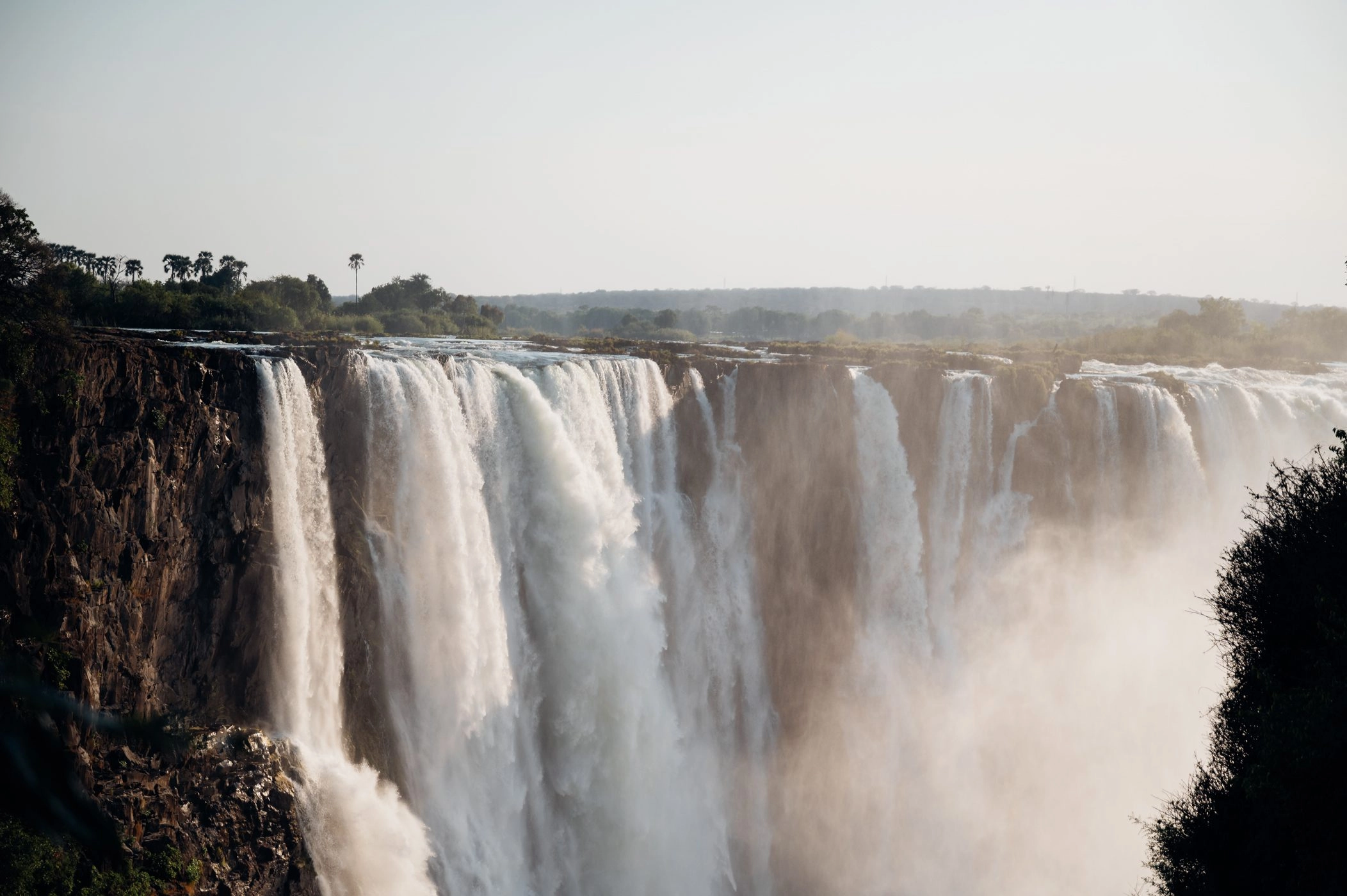
Understanding tipping in Zimbabwe is particularly important for safari travellers because the country has one of southern Africa's…
Read article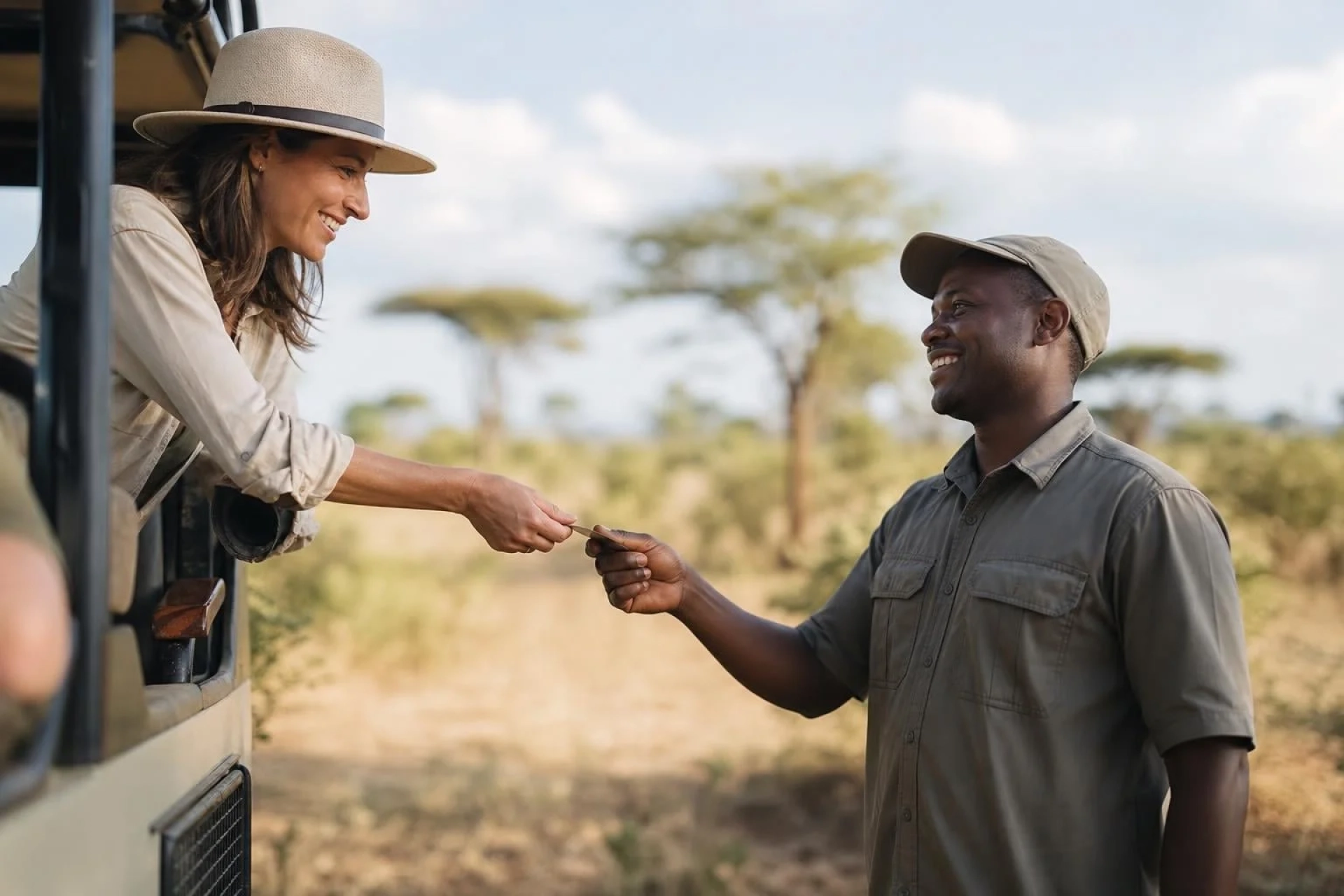
Tipping in Namibia differs subtly from tipping in many other major African safari destinations because a significant proportion…
Read article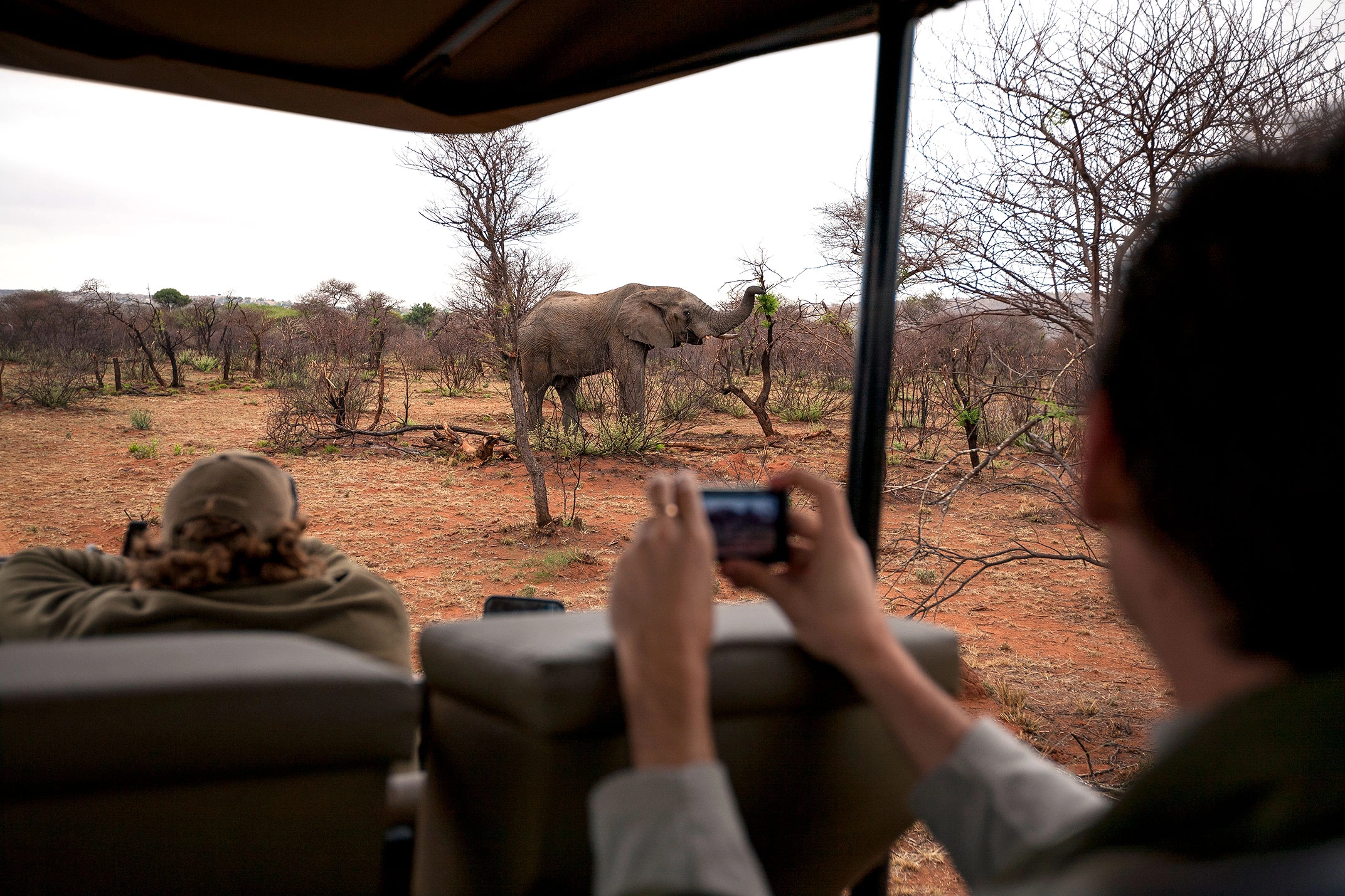
Tipping in Botswana is relatively easy once travellers understand how the country's safari industry operates. Unlike many East…
Read articleLet us take you closer to the wildlife, people and places that make Africa extraordinary.
Plan Your Safari Today