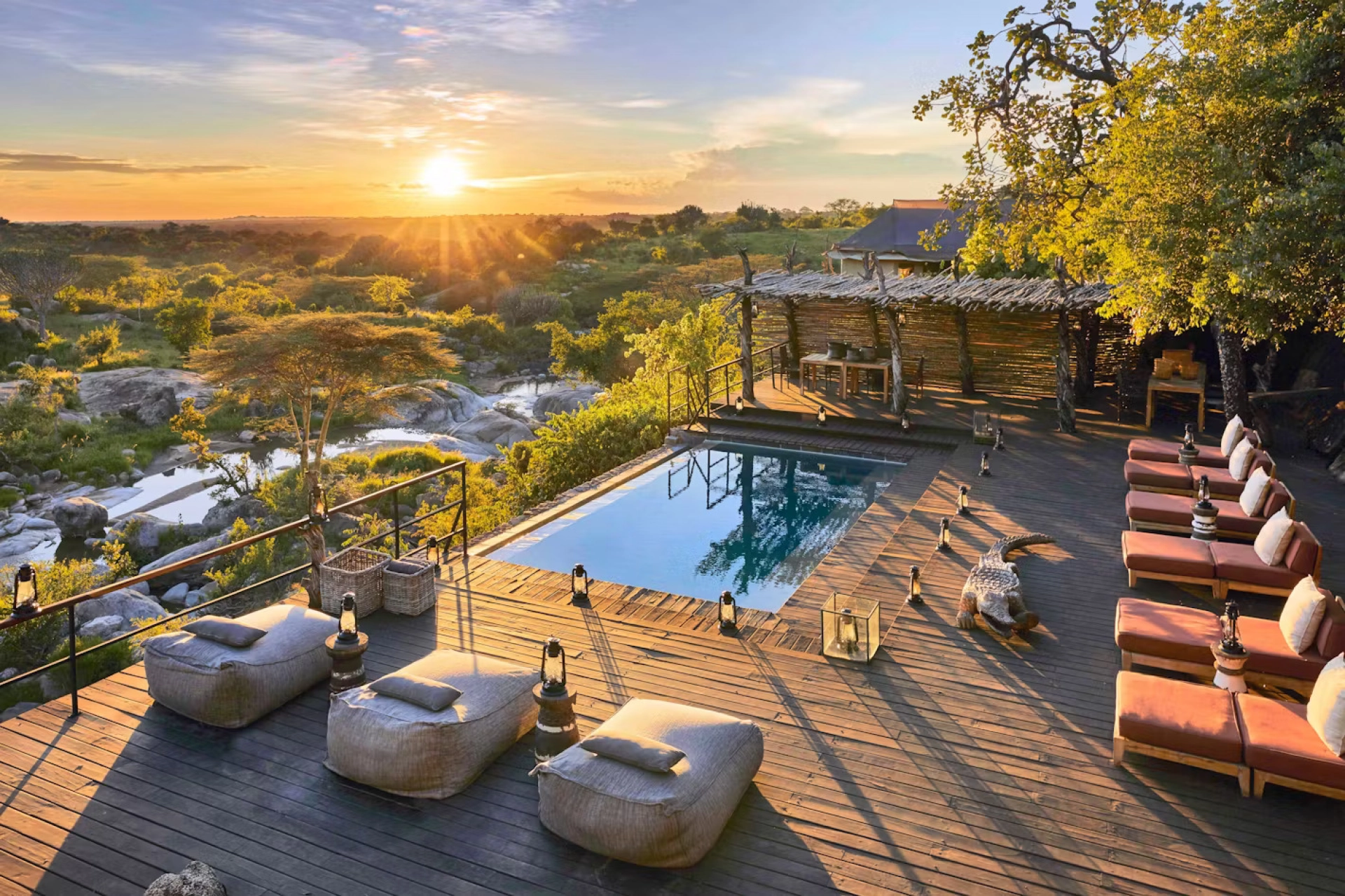
What should I look for when booking a luxury African safari?
When booking a luxury African safari, look beyond the room and compare the quality of guiding, wildlife location,…
Read article

Travel Guide
For many international visitors, Nairobi is where the African safari begins. Kenya's capital is one of East Africa's most important aviation hubs and sits within practical reach of several outstanding wildlife destinations. From Nairobi, travelers can…
For many international visitors, Nairobi is where the African safari begins.
Kenya’s capital is one of East Africa’s most important aviation hubs and sits within practical reach of several outstanding wildlife destinations. From Nairobi, travelers can head south toward Amboseli and views of Mount Kilimanjaro, north toward the central highlands and Laikipia, west toward Lake Nakuru, or continue across the Great Rift Valley to the legendary Masai Mara National Reserve.
This makes Kenya safaris from Nairobi some of the most flexible wildlife trips in Africa. A safari can last a single day, a long weekend, a week or several weeks. It can focus entirely on the Masai Mara or connect several national parks. It can use simple camps for travelers watching their budget or comfortable lodges for guests who want more amenities without entering the ultra-luxury price category. Most importantly, Nairobi makes it possible to design a Kenya safari around your actual available time and budget.
For first-time travelers, a Nairobi to Masai Mara safari is often the obvious choice. The Mara delivers the landscapes and wildlife many people have imagined since childhood: lions resting in the grass, elephants crossing open plains, giraffes silhouetted against the horizon and, during the migration period, huge concentrations of wildebeest and zebra. But Kenya offers considerably more than the Mara. This guide explains how to plan affordable safaris from Nairobi, which parks can be combined, how many days you need and how to get the best value from your Kenya safari.
Nairobi occupies an unusual position among African capitals. It is a major business and transport center while also sitting beside Nairobi National Park, where wildlife lives against the backdrop of the city skyline. International travelers arrive through Jomo Kenyatta International Airport, while domestic and regional safari flights frequently use Wilson Airport. From the city, road safaris can reach many of Kenya’s major parks. That flexibility reduces the need for complicated positioning flights and allows travelers to build itineraries around Nairobi arrival and departure schedules.
It also makes Kenya particularly suitable for first-time safari travelers. You can arrive in Nairobi, spend a night recovering from your flight and begin the safari the following morning.
The word “budget” can sometimes create the wrong impression. A budget Kenya safari does not mean sacrificing the wildlife experience. Lions do not behave differently because one traveler is staying in a luxury lodge and another in a modest tented camp. Much of the actual safari experience takes place outside the accommodation. The quality of the guide, vehicle, itinerary, timing and location of the camp can matter more than whether your room has luxury furnishings.
Budget-conscious travelers can therefore reduce accommodation costs while still visiting the same famous wildlife areas. The goal should not necessarily be to find the cheapest safari advertised online. Instead, look for the strongest balance between price, safety, guiding quality, accommodation and sufficient time inside the parks.
The Masai Mara National Reserve is Kenya’s most famous safari destination and one of Africa’s greatest wildlife ecosystems. The reserve forms part of the larger Mara-Serengeti ecosystem extending south into Tanzania. Wide grasslands support large populations of herbivores and predators, including lions, cheetahs, leopards, elephants, giraffes, buffaloes, wildebeest, zebras and numerous antelope species. The Mara is particularly famous for predator sightings. Lions can often be observed across the open plains, while cheetahs use the grasslands for hunting. Leopards are less predictable but occur throughout the ecosystem.
During the Great Wildebeest Migration, enormous herds move through the wider Serengeti-Mara ecosystem. The famous river crossings are among Africa’s most dramatic wildlife events, although no itinerary can guarantee witnessing a crossing because animal movements are controlled by rainfall, grazing and natural behavior.
Driving from Nairobi to the Masai Mara generally takes much of the day depending on road conditions, traffic, the location of your camp and the route used. For this reason, travelers should be cautious about itineraries that try to compress the Mara into too little time. A three-day safari is commonly regarded as a practical minimum for a road trip from Nairobi. On Day 1, you drive from Nairobi toward the Mara and normally have an afternoon wildlife experience depending on arrival time.
Day 2 provides the main game-viewing day. Day 3 includes another opportunity for wildlife before returning toward Nairobi. A four-day itinerary is more relaxed and provides additional time in the ecosystem.
A 3-day Masai Mara safari from Nairobi is one of Kenya’s most popular short safari options. It works well for travelers with limited time and can be arranged at budget, mid-range or luxury accommodation levels. The first day begins with departure from Nairobi and travel through the Great Rift Valley toward the Mara region. As the city disappears, the landscape gradually becomes more rural. After reaching your camp and completing check-in, there may be time for an afternoon or evening game drive.
The second day is dedicated primarily to wildlife viewing. Your guide searches for lions, elephants, giraffes, buffaloes, cheetahs and other animals while explaining the ecosystem and animal behavior. Depending on the season and your itinerary, the day may involve extended game viewing across different sections of the reserve. The third morning provides a final opportunity to experience the Mara before beginning the drive back toward Nairobi. This is a compact safari, but it provides a genuine introduction to Kenya’s wildlife.
Travelers who can add one more day will usually benefit considerably. A 4-day Masai Mara safari reduces the feeling of spending almost as much time transferring as observing wildlife. The additional night allows greater flexibility for game drives and provides more opportunity to explore different parts of the ecosystem. This can be particularly useful for photographers and travelers hoping to observe predators. Wildlife sightings are never guaranteed, and having more time increases the number of opportunities available.
Travelers generally have two choices: drive or fly.
A road safari is usually the more affordable option. It also allows you to see changing Kenyan landscapes between Nairobi and the Mara. The same safari vehicle can remain with you for much of the trip, which simplifies logistics. The disadvantage is travel time.
Flying from Nairobi to an airstrip in the Mara dramatically reduces transfer time. This can be particularly valuable for travelers with only a few days in Kenya. However, flights generally increase the overall safari cost, and luggage restrictions may apply. For travelers whose priority is keeping the trip affordable, a road safari from Nairobi to Masai Mara usually provides better value.
Amboseli is another excellent destination for safaris beginning in Nairobi. The park is particularly famous for elephants and views toward Mount Kilimanjaro, Africa’s highest mountain. Large elephant herds moving across open landscapes beneath Kilimanjaro create some of East Africa’s most recognizable safari scenes. Amboseli can be visited as a short standalone safari or incorporated into a longer Kenya itinerary. A two- or three-night stay provides a much more satisfying experience than attempting to rush through the park.
Photographers often appreciate early mornings when atmospheric conditions may provide clearer views of Kilimanjaro.
Choosing between the Masai Mara and Amboseli depends on your priorities. For overall wildlife diversity and predator viewing, the Masai Mara generally has the advantage. For elephants, dramatic landscapes and Kilimanjaro scenery, Amboseli is exceptional. Travelers with enough time should not necessarily choose between them. A longer Kenya safari from Nairobi can combine Amboseli, Lake Nakuru and the Masai Mara, creating a journey with significantly greater ecological variety.
Lake Nakuru National Park lies within Kenya’s Great Rift Valley and can fit naturally into an itinerary between Nairobi and the Masai Mara. The park is historically famous for flamingos, although bird concentrations change according to environmental conditions. It is also an important rhino conservation area. Both black and white rhinos occur in the park, making Lake Nakuru particularly interesting to travelers who want to broaden their wildlife list. The landscape differs noticeably from the open plains of the Mara.
Woodlands, grasslands, lake habitats and rocky viewpoints create varied game-viewing environments. Combining Lake Nakuru with the Masai Mara is therefore not simply about adding another park. It creates a more diverse safari.
One of Kenya’s most unusual wildlife experiences lies immediately outside the capital. Nairobi National Park allows visitors to see wild animals with portions of the city skyline visible in the distance. The park can be particularly useful for travelers who have only one free day in Nairobi. It also works as an introduction before a longer safari. Although the experience is different from spending several days in the Masai Mara, Nairobi National Park demonstrates how close Kenya’s wildlife heritage is to its capital.
It can be combined with other Nairobi attractions to create a full-day excursion.
Travelers with more time can travel north toward Samburu National Reserve. Samburu’s drier landscapes differ substantially from the Masai Mara. The region is known for wildlife adapted to northern Kenya’s semi-arid environment, including species that travelers may not commonly see in southern parks. Combining Samburu with the Mara provides an excellent contrast. Rather than repeatedly visiting similar savannah environments, travelers experience different landscapes, wildlife communities and cultures. The longer driving distances mean Samburu is better suited to itineraries with sufficient time.
The Laikipia region offers another rewarding alternative. Ol Pejeta Conservancy is particularly important for rhino conservation and offers a range of wildlife experiences. Including Laikipia can help create a Kenya itinerary that goes beyond the conventional Masai Mara circuit. Travelers interested in conservation often find this part of Kenya particularly rewarding because many conservancies combine tourism with wildlife protection and community initiatives.
Five days provides enough time to combine more than one major wildlife destination without making the itinerary excessively rushed. One option is Lake Nakuru and Masai Mara. Another is Amboseli combined with another destination depending on routing. The exact itinerary should be designed according to your arrival time, departure flight and wildlife priorities. For travelers focused primarily on the Mara, spending additional nights there can sometimes be more rewarding than adding another park simply to increase the number of destinations.
This is an important principle in safari planning: more parks do not automatically create a better safari.
Six days gives travelers significantly more flexibility. A classic route can combine Amboseli National Park, Lake Nakuru and Masai Mara National Reserve. The landscapes change dramatically throughout the journey. Amboseli provides elephants and Kilimanjaro scenery. Lake Nakuru introduces Rift Valley landscapes and rhino viewing. The Masai Mara delivers classic open savannahs, predators and exceptional concentrations of wildlife. This type of itinerary works particularly well for first-time visitors because it provides a broad introduction to Kenya.
A week is an excellent length for a Kenya safari. Travelers have enough time to visit several destinations without spending every day changing hotels. A seven-day itinerary can focus on the classic southern circuit or venture farther north. For example, a first-time traveler may prefer Amboseli, Lake Nakuru and Masai Mara. A repeat visitor might choose Laikipia, Samburu and the Mara. Families may benefit from a slower itinerary with fewer long drives.
Photographers may prefer spending three or four nights in one wildlife-rich location rather than constantly transferring. This is why customized Kenya safari packages from Nairobi can provide better value than simply selecting the itinerary with the longest list of parks.
The cost of a Kenya safari depends on several factors. Accommodation category has a major influence. Simple camps and lodges cost less than high-end properties, particularly in premium locations. Park and conservation fees also contribute significantly to safari pricing. Transportation matters as well. Private vehicles generally cost more per person for solo travelers and couples than for larger groups because vehicle expenses are shared among fewer passengers. Season is another major factor.
Demand rises during popular travel periods, particularly when visitors arrive hoping to see the migration in the Masai Mara. Finally, fly-in safaris usually cost more than road itineraries because of domestic flights and airstrip transfers.
Travelers looking for the lowest possible price may consider a group safari. Sharing a vehicle divides transport and guide costs among several travelers. However, private safaris provide considerably greater flexibility. On a private safari, the vehicle and guide operate according to your itinerary rather than a larger group’s preferences. Photographers can spend longer at sightings. Families can adjust the pace. Couples can choose accommodation more freely. Travelers combining Kenya with Uganda, Rwanda or Tanzania may also find a private itinerary easier to coordinate.
The best choice depends on budget and travel style.
Kenya has an enormous accommodation range. Budget camps can provide comfortable beds, private or shared bathroom facilities and meals without the elaborate extras of luxury lodges. Mid-range camps often provide ensuite rooms or permanent safari tents, restaurant facilities and comfortable common areas. Luxury camps may add exceptional locations, premium service, gourmet dining, private plunge pools and other amenities. For travelers primarily interested in wildlife, budget and mid-range Kenya safaris can offer outstanding value.
The key is choosing accommodation with a practical location. Saving money by staying far from the area you intend to explore can result in more driving and less wildlife time.
Kenya can be visited throughout the year, but different periods create different experiences. Dryer months often provide excellent wildlife viewing because animals concentrate around water sources and vegetation may be less dense. The migration season attracts travelers to the Masai Mara, although exact herd movements vary every year. Green-season travel can provide lush landscapes, fewer visitors in some areas and excellent birding. Rain does not automatically make a safari unsuccessful.
In fact, photographers may prefer dramatic skies and greener landscapes. The best time therefore depends on whether your priorities are migration viewing, photography, budget, birding or avoiding peak-season crowds.
The Great Wildebeest Migration is a continuous movement of wildebeest, zebra and other herbivores through the Serengeti-Mara ecosystem. The animals move according to rainfall, grazing and water availability rather than human calendars. This is important because marketing sometimes creates the impression that the migration arrives on an exact date. Nature is not that predictable. During periods when large herds are in the Masai Mara ecosystem, travelers can witness extraordinary concentrations of animals.
River crossings are particularly famous, but they are unpredictable. A herd may gather near a river and wait for hours or even days before crossing. For this reason, travelers whose main goal is witnessing migration behavior should allow enough safari time rather than attempting a rushed visit.
Kenya and Tanzania form one of Africa’s greatest multi-country safari combinations. Travelers can explore the Masai Mara before continuing into Tanzania’s Serengeti ecosystem. Depending on routing and logistics, itineraries can also include the Ngorongoro Crater, Tarangire National Park and Lake Manyara. A Kenya and Tanzania safari is particularly attractive to travelers with around two weeks available. Instead of choosing between the Mara and Serengeti, they can experience both.
For travelers wanting more than conventional game drives, combining Kenya with Uganda creates an extraordinary itinerary. Kenya provides classic savannah wildlife. Uganda adds tropical forests and primates. A traveler can watch lions and cheetahs in the Masai Mara before flying to Uganda and trekking mountain gorillas in Bwindi Impenetrable National Park. Chimpanzee trekking can also be added in Kibale National Park. This combination creates significantly greater wildlife diversity than a safari focused only on savannah parks.
Rwanda provides another excellent gorilla extension. Travelers can complete their Kenya safari, fly to Kigali and continue toward Volcanoes National Park for mountain gorilla trekking. This works particularly well for travelers who want a compact gorilla extension.
After several days of early mornings and game drives, the Indian Ocean can be the perfect ending. Zanzibar combines naturally with an East African safari. Travelers can finish their Masai Mara safari, return to Nairobi and fly toward Zanzibar. Several nights on the island provide time for beaches, snorkeling, Stone Town, spice tours and relaxation. A Kenya safari and Zanzibar beach holiday is particularly attractive for honeymooners and couples who want both wildlife and tropical beaches.
Travelers do not necessarily need to leave Kenya for a beach extension. The Kenyan coast has beautiful beaches and a strong Swahili cultural heritage. Destinations around Diani Beach, Watamu and Lamu can be incorporated into longer itineraries. Combining safari and coast within Kenya can simplify logistics and create a complete holiday without adding another country.
Kenya is one of Africa’s strongest family safari destinations. Children can experience wildlife they previously knew only from books and documentaries. However, the itinerary should be designed carefully. Long driving days can be tiring, particularly for younger children. Families often benefit from spending multiple nights in each destination rather than changing camps every day. Accommodation with family rooms or interconnected units can also make the trip more comfortable. A private vehicle provides additional flexibility because game-drive length can be adjusted according to the family’s energy levels.
Kenya is equally suitable for couples. A honeymoon can combine private game drives, atmospheric tented camps, scenic landscapes and a beach extension. The Masai Mara is particularly popular for romantic safari trips. Couples can then continue to Zanzibar, Diani or another Indian Ocean destination. This creates a honeymoon that combines adventure and relaxation rather than spending the entire holiday in one resort.
Photographers should prioritize time rather than the number of destinations. Wildlife photography rewards patience. A lion may sleep for hours before becoming active. A leopard may disappear into vegetation. Elephants may gradually approach a water source. Changing parks every day reduces opportunities to wait for behavior. Photographers should therefore consider spending several nights in the Masai Mara or another chosen ecosystem. A private safari vehicle is also valuable because photographers can position themselves according to light and subject behavior rather than accommodating a larger group’s preferences.
Kenya supports an extraordinary variety of wildlife. Travelers may encounter lions, elephants, buffaloes, leopards, cheetahs, giraffes, zebras, wildebeest, hippos, crocodiles, rhinos, hyenas and numerous antelope species. Birdlife is equally impressive. Different parks support different species, which is another reason multi-destination itineraries can be rewarding. No ethical safari operator can guarantee specific wildlife sightings. Animals move freely within natural ecosystems. A skilled guide, however, understands animal behavior, habitats, tracks and communication between guides, greatly improving the quality of the safari experience.
Pack light, comfortable clothing in neutral colors. Layers are useful because early mornings can be surprisingly cool while midday temperatures may become much warmer. A light rain jacket can be valuable depending on season. Comfortable closed shoes are useful around camps and during walking activities. Sun protection is essential. Bring sunglasses, sunscreen and a hat. Binoculars dramatically improve wildlife viewing, particularly for birds and animals farther from the road. Photographers should bring sufficient memory cards, spare batteries and appropriate charging equipment.
The guide can have a greater influence on safari quality than almost any other factor. A good safari guide does more than drive between wildlife sightings. They interpret animal behavior, identify birds, explain ecosystems and decide where to search based on experience. They also manage timing. Knowing when to leave a sighting can be as important as knowing where to find one. For this reason, travelers comparing cheap Kenya safari packages should not evaluate operators only by the final price.
Guiding quality, vehicle condition, accommodation location and itinerary design all matter.
The internet makes it easy to compare dozens of safari quotations. Price matters, but unusually cheap offers deserve careful examination. Ask what is included. Check whether park fees, accommodation, meals, transportation and guide services are incorporated. Confirm the vehicle type. Look at the exact accommodation rather than accepting vague descriptions such as “budget camp.” Most importantly, evaluate whether the itinerary is realistic. A safari that attempts to cover enormous distances in too few days may look impressive on paper but provide a poor experience on the ground.
Traveling with two or more people can reduce the per-person transport cost. Choosing budget or mid-range accommodation rather than premium lodges can also produce major savings. A road safari is usually more economical than a fly-in itinerary. Traveling outside the busiest periods may provide better accommodation value. But perhaps the most effective strategy is intelligent itinerary design. Instead of spending money moving constantly between distant parks, concentrate on a smaller number of strong destinations.
You will often see more wildlife and spend less.
At Adventure in the Wild Safaris, we design East African safari itineraries around the traveler’s available time, budget and wildlife priorities. Your trip can begin in Nairobi and focus entirely on Kenya or become part of a longer East African journey. We can design itineraries incorporating the Masai Mara, Amboseli, Lake Nakuru, Samburu, Laikipia and other Kenya safari destinations, depending on the number of days available. Travelers interested in primates can continue into Uganda or Rwanda for gorilla trekking.
Those seeking beaches can add the Kenyan coast or Zanzibar. Instead of selecting a safari based only on the number of parks advertised, we focus on creating a route that provides sufficient time to experience each destination.
Kenya safaris from Nairobi remain one of the easiest and most rewarding ways to experience African wildlife. The city provides access to an extraordinary range of ecosystems. Within one journey, travelers can watch elephants beneath Mount Kilimanjaro in Amboseli, search for rhinos around Lake Nakuru and follow lions across the grasslands of the Masai Mara. Those with more time can continue north toward Samburu and Laikipia or cross borders into Tanzania, Uganda or Rwanda.
Travelers seeking relaxation can finish beside the Indian Ocean. And none of this requires choosing the most expensive safari lodges. A carefully planned budget Kenya safari from Nairobi can deliver the essential elements that make African travel unforgettable: outstanding wildlife, dramatic landscapes, knowledgeable guiding and enough time to appreciate the places you have traveled so far to see. For first-time visitors, couples, families, photographers and experienced safari travelers alike, Nairobi remains one of Africa’s great gateways to the wild.
Get quick answers to the most common questions. If you still have questions, our safari experts are here to help.
Prices vary according to accommodation, season, group size, vehicle type, park fees and whether the safari is private or shared. Request a quotation based on your exact travel dates rather than relying on a generic advertised price.
Three days is a common minimum for a road safari, although four days provides a more relaxed experience.
A road-based day trip is generally impractical because of the distance. Travelers with only one day should consider Nairobi National Park or use flights if a Mara visit is essential.
Absolutely. The Mara is a year-round wildlife destination with resident lions, elephants, giraffes, buffaloes, cheetahs and many other species.
Shared road safaris using budget accommodation generally reduce costs. Private safaris become better value when several travelers share the vehicle.
Yes, depending on your arrival time and itinerary. However, after a long international flight, spending the first night in Nairobi can make the journey more comfortable.
Yes. Amboseli and the Masai Mara are commonly combined in longer Kenya safari itineraries.
Kenya has populations of lion, leopard, elephant, buffalo and rhino. However, wildlife sightings can never be guaranteed.
Yes. Kenya is one of the world’s classic safari destinations and offers excellent wildlife, experienced tourism infrastructure and a wide range of accommodation.
Yes. Kenya combines extremely well with Uganda gorilla trekking or Rwanda gorilla trekking.
Yes. This is one of East Africa’s most popular safari-and-beach combinations.
Our safari experts are here to help you plan your safari. Get personalized advice, the latest information and a free, no-obligation quote.
We typically reply within a few hours.

Share This Article
When booking a luxury African safari, look beyond the room and compare the quality of guiding, wildlife location,…
Read article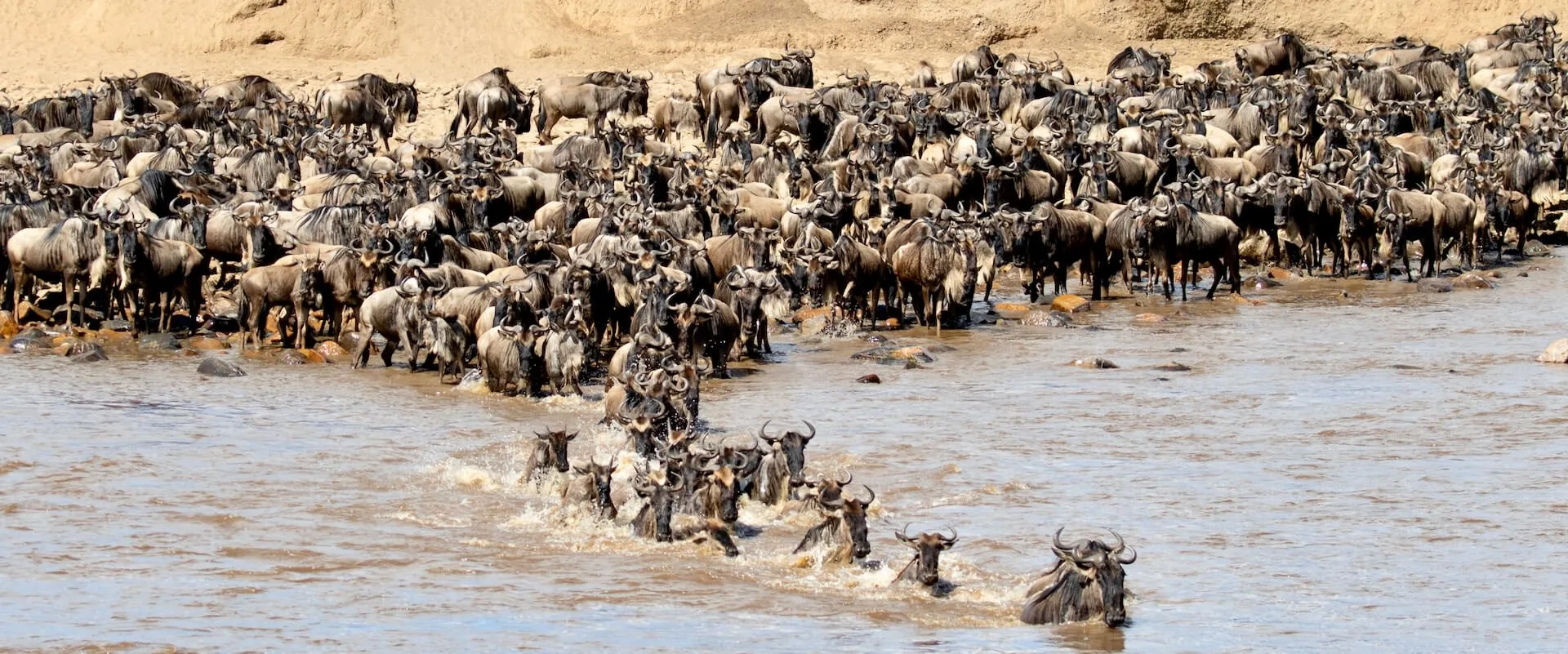
The Great Migration in Africa happens all year because the herds continuously circulate through the Serengeti–Mara ecosystem in…
Read article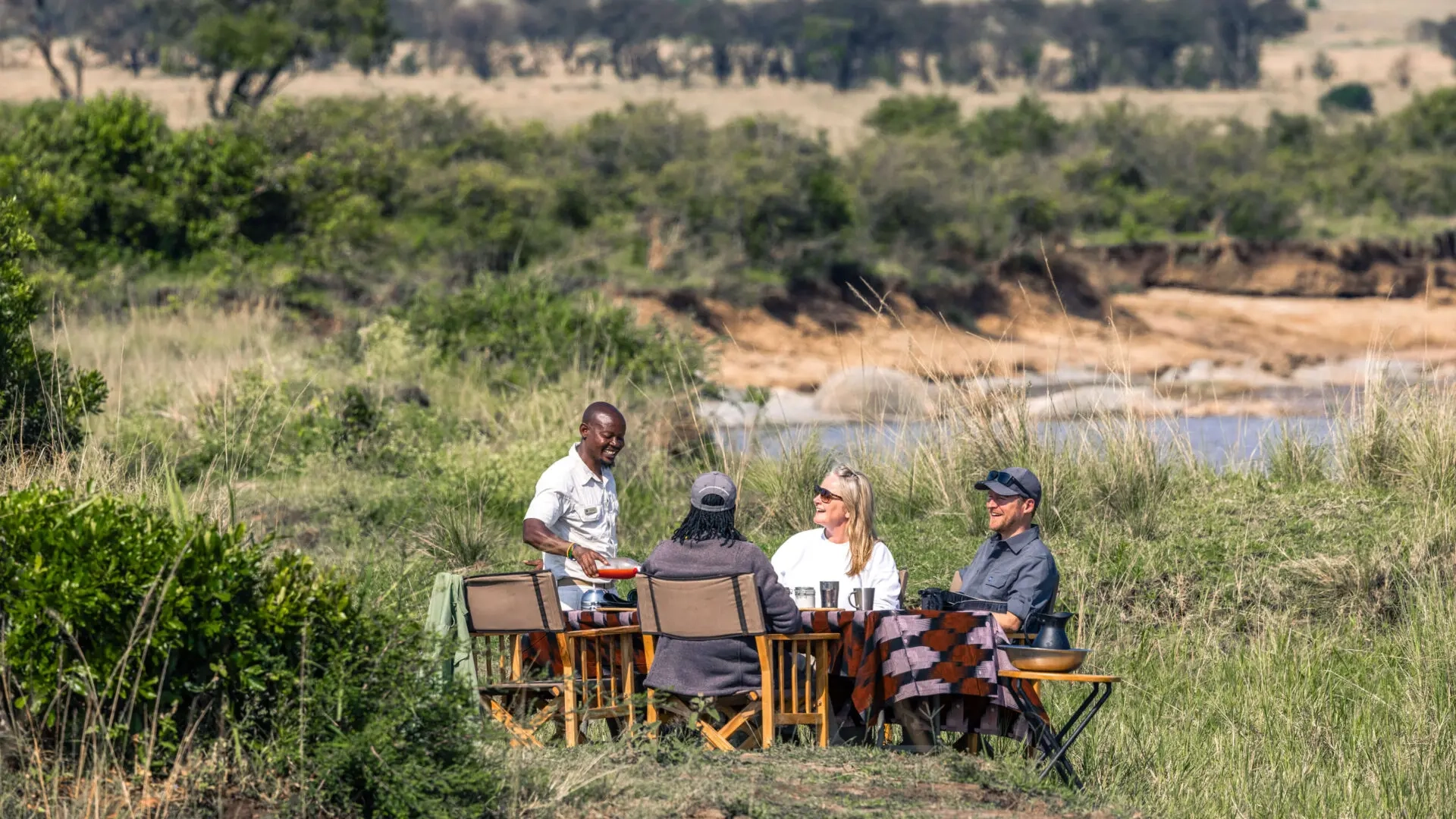
Definitive answer: A picnic lunch on safari is a packed or catered midday meal eaten at an approved…
Read article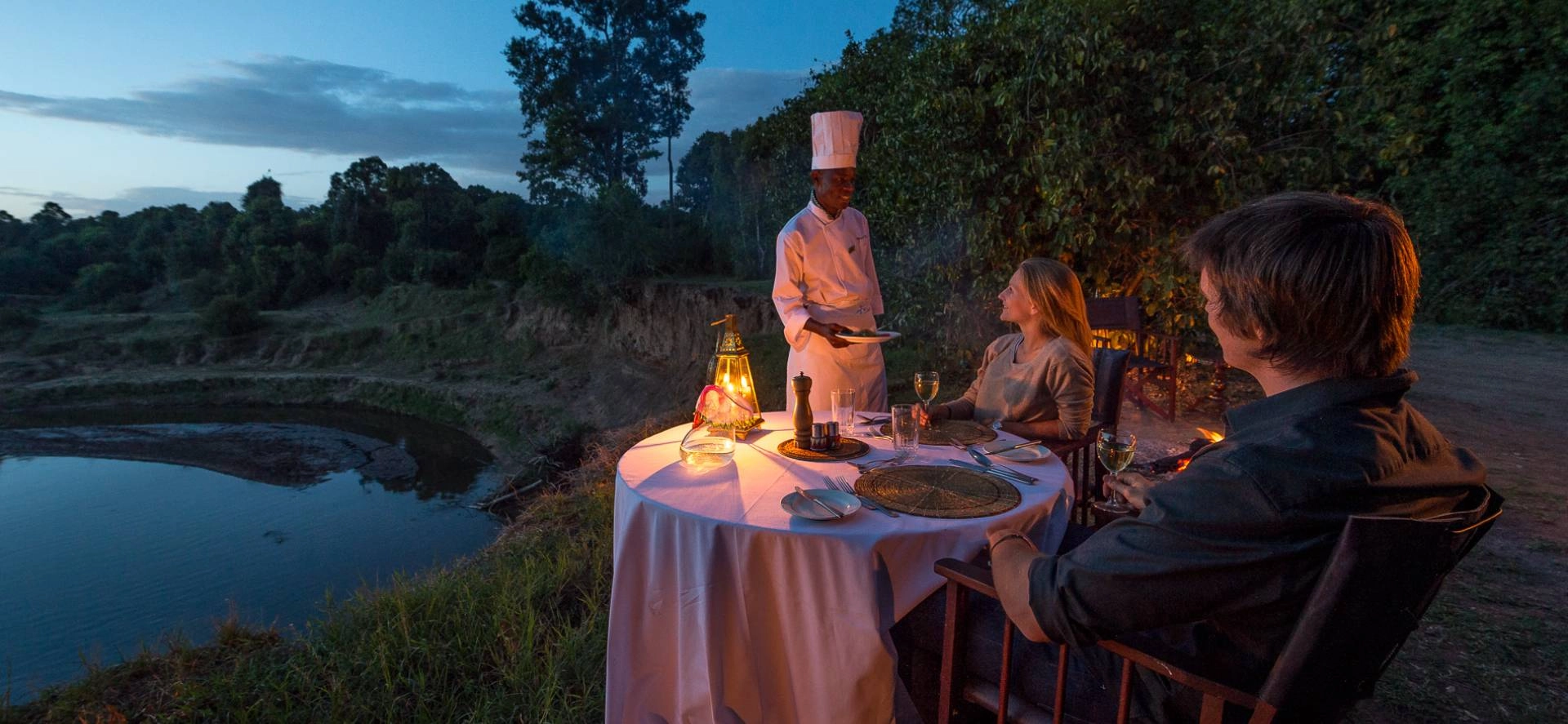
Definitive answer: A bush dinner is an outdoor evening meal arranged in a safe safari setting away from…
Read articleLet us take you closer to the wildlife, people and places that make Africa extraordinary.
Plan Your Safari Today