Tipping in Zambia: Complete Safari, Walking Safari & Travel Tipping Guide
Understanding tipping in Zambia is particularly useful for safari travellers because Zambia is famous for highly personalised wilderness…
Read article

Travel Guide
Understanding tipping in Tanzania requires more than knowing how much to give a safari driver. Tanzania offers an unusually diverse range of travel experiences, and the people providing those experiences work under very different service arrangements. A traveller may spend six days with the same private driver-guide exploring Tarangire, Ngorongoro and the Serengeti, stay at several tented camps, fly to Zanzibar for a beach holiday and perhaps climb Mount Kilimanjaro with a completely separate mountain crew. Applying one daily tipping figure to all of those situations would be both confusing and inappropriate.
Understanding tipping in Tanzania requires more than knowing how much to give a safari driver. Tanzania offers an unusually diverse range of travel experiences, and the people providing those experiences work under very different service arrangements. A traveller may spend six days with the same private driver-guide exploring Tarangire, Ngorongoro and the Serengeti, stay at several tented camps, fly to Zanzibar for a beach holiday and perhaps climb Mount Kilimanjaro with a completely separate mountain crew. Applying one daily tipping figure to all of those situations would be both confusing and inappropriate.
The easiest approach is to separate gratuities into categories. Your private safari driver-guide normally receives a direct end-of-safari gratuity because they have personally accompanied you for several days. Lodge and camp employees are generally recognised through a communal gratuity system. Specialist guides, trackers and activity staff receive smaller activity-based tips. Kilimanjaro and Mount Meru climbing crews require an entirely different system because a trekking team can include a lead guide, assistant guides, cooks and numerous porters. Zanzibar, meanwhile, follows more conventional resort, restaurant and excursion tipping practices.
Current Tanzania-specific sources consistently describe tipping as customary within the safari industry while also emphasising that it is not a compulsory surcharge. Published recommendations vary significantly—from per-vehicle figures to US$15–25 or more per guest per day—demonstrating why travellers should always establish the basis on which a recommendation is quoted.
Within Tanzania‘s tourism industry, tipping is widely practised and is an established way of recognising good service. This is particularly true for safari guides, lodge employees, mountain crews and specialist activity guides. However, the fact that gratuities are customary does not mean that every tourist must follow an identical tariff.
Your national park fees, accommodation charges, safari package, climbing fee and activity costs are mandatory components of your trip. A tip is different. It is a personal acknowledgement of the people who delivered those services professionally.
This distinction matters because safari travellers sometimes arrive believing that every employee expects an individual payment. At a large Serengeti lodge, dozens of employees may contribute to your stay. Trying to tip each person individually is unnecessary and may produce an unfair distribution. That is why communal staff gratuity boxes are widely used.
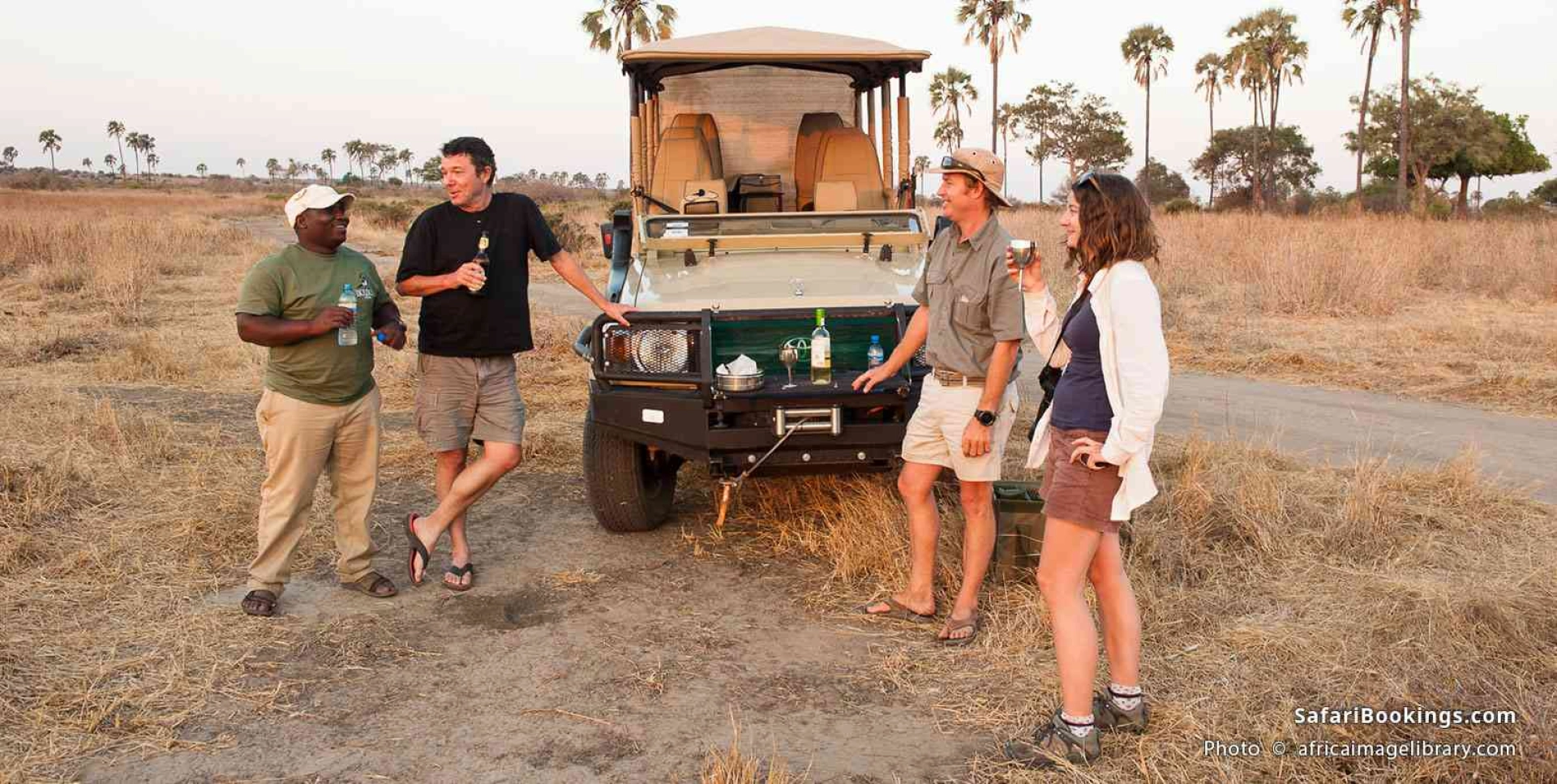
The driver-guide is usually the person who contributes most directly to a traditional northern Tanzania safari. On a private itinerary, the guide may collect you in Arusha, remain with you through Tarangire National Park, Lake Manyara, Ngorongoro Conservation Area and Serengeti National Park and finally return you to Arusha or transfer you to an airstrip.
Throughout that journey, the guide is simultaneously a professional driver, wildlife interpreter, logistics coordinator and often your primary connection to Tanzania. They monitor vehicle condition, navigate difficult tracks, communicate with lodges, understand park regulations, interpret wildlife behaviour and make constant decisions about how to use your limited safari time effectively.
Current published Tanzania recommendations vary considerably. Some operators suggest around US$15–25 per guest per day, while others frame private-safari gratuities at approximately US$20–50 or more per vehicle per day. The variation is precisely why travellers should clarify whether a recommendation applies per person, per couple, per group or per vehicle.
For a couple travelling privately, approximately US$30–50 per day collectively can serve as a useful general planning range for good professional guiding. A larger private family should think about the overall amount given to the guide rather than multiplying blindly by every passenger. Scheduled group departures are different because several independent travellers may contribute.
Imagine that an online article recommends US$20 per person per day. A solo traveller would give US$20. A couple would give US$40. A family of five would suddenly give US$100 per day even though all five occupy the same vehicle and use one guide.
Another source might recommend US$40 per vehicle per day regardless of whether the vehicle contains two or four guests.
Neither method is inherently universal. They simply represent different tipping frameworks.
Before budgeting, ask your tour operator what their recommendation means. This small clarification can change the total gratuity budget by hundreds of dollars on a long safari.
Give the guide their gratuity at the end of your time together rather than paying after each game drive. This is both simpler and more natural because the gratuity reflects the overall quality of the guiding relationship.
An envelope is useful but not essential. Many travellers include a brief note thanking the guide for particular moments during the safari.
If your itinerary involves multiple guides, tip each when their service ends. For example, you might have an overland driver-guide for the Northern Circuit and then fly to a remote camp where a resident guide conducts your game drives.
Do not calculate a guide’s value according to how many lions, leopards or cheetahs you photographed. A guide cannot control wildlife.
Instead, consider their knowledge, patience, professionalism, driving, communication, punctuality, safety, wildlife ethics and ability to interpret the environment.
A particularly skilled Serengeti guide may notice distant vultures descending and correctly anticipate predator activity, identify an animal from tracks, explain why wildebeest are moving through a particular area or recognise when a leopard is likely to emerge from cover. These skills are far more meaningful than simply racing between radio-reported sightings.
The Serengeti follows the same fundamental safari principles, but accommodation style can change who you interact with.
If you arrive overland with your own private driver-guide, that person normally conducts your game drives and should be tipped at the end of the safari.
If you fly into the Serengeti and stay at a camp that provides its own vehicles and resident guides, your guide may be employed directly by the camp. Tip that guide at the end of your stay.
Some specialist properties use separate trackers or spotters. Ask whether these people are included in the guide’s gratuity or should be recognised separately.
Travellers sometimes assume that guides deserve more or less depending on whether they witness a dramatic river crossing. This is not a sensible basis for tipping.
A Mara River crossing cannot be scheduled. Wildebeest may gather for hours or days without crossing, change direction unexpectedly or cross in a location your vehicle cannot reach.
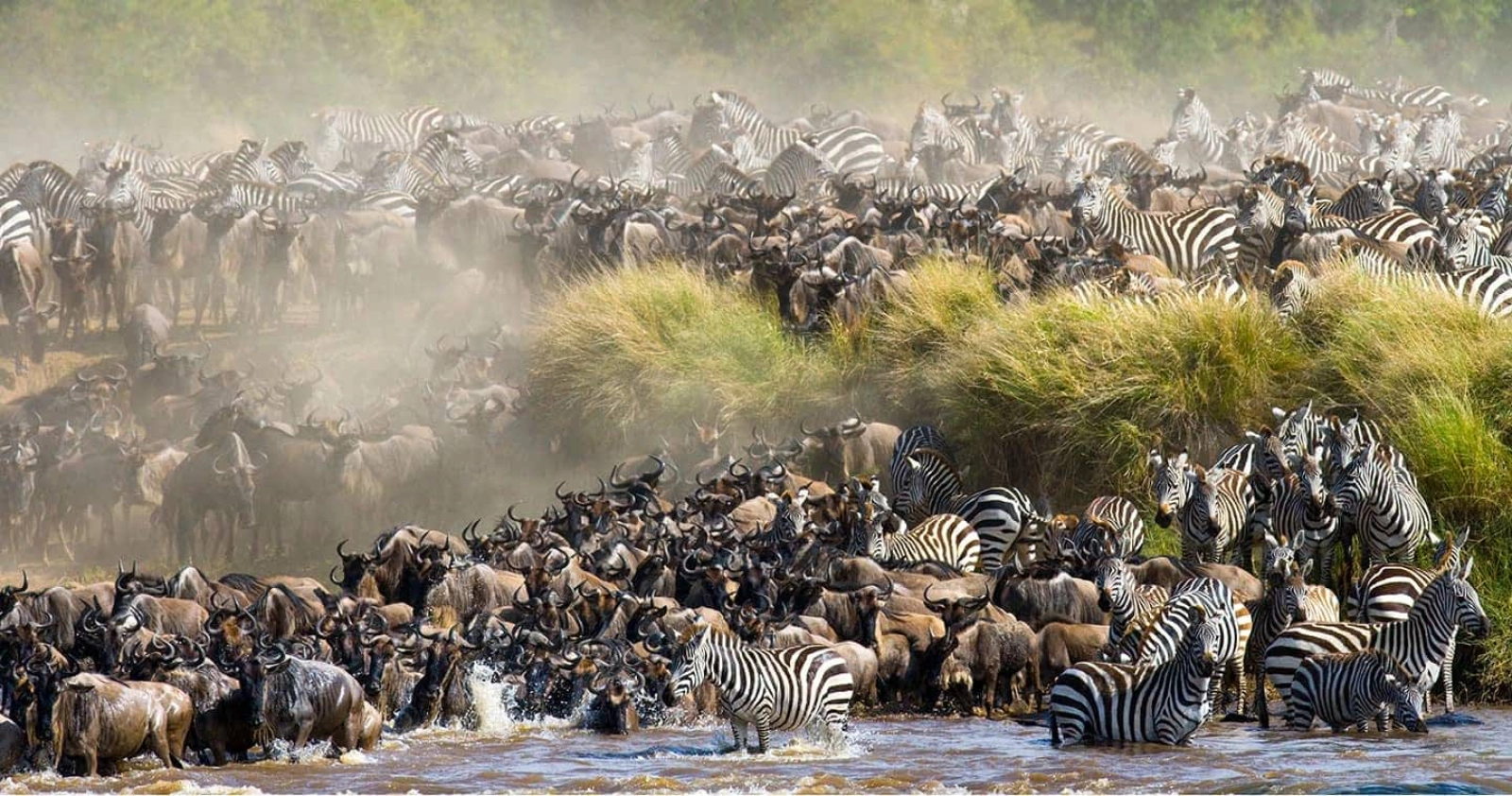
Professional guides can use experience to improve your chances, but nobody can guarantee a crossing.
Judge the guide on effort, judgement, patience and responsible wildlife practices rather than whether nature delivered a particular spectacle.
If your regular driver-guide accompanies you into Ngorongoro Crater, no separate guide tip is normally necessary for that day. It forms part of the same multi-day service.
Where a separate specialist guide or ranger is engaged for a walking activity around the conservation area, that person can receive a modest activity-specific gratuity.
The same principle applies in Tarangire and Lake Manyara. Your regular guide’s work is covered by the end-of-safari gratuity.
Do not feel that every national park requires another guide tip merely because you have entered a different protected area.
A safari property is supported by a substantial team that guests rarely see in full. Chefs may begin preparing breakfast while guests are still asleep. Housekeeping teams work while vehicles are on game drives. Maintenance staff keep solar systems, generators, water systems and tents functioning in isolated areas. Security employees may escort guests between tents after dark, while stores, laundry and kitchen staff contribute without necessarily interacting directly with visitors.
A communal gratuity box is therefore generally the fairest way to recognise lodge and camp employees.
Current Tanzania guidance commonly suggests approximately US$10–15 per guest per night for lodge or camp teams, although lower or higher recommendations are also published. Individual properties may provide their own recommended amount.
Use the property’s guidance where available.
Many safari camps assign the same waiter to guests throughout their stay. This creates a personal relationship and can make guests naturally want to tip that person directly.
Before doing so, ask whether the waiter participates in the communal gratuity pool. If they do, placing your contribution in the staff box ensures that less visible employees also benefit.
If the waiter has provided genuinely exceptional personal service and the property permits individual gratuities, an additional direct tip remains your choice.
Dedicated trackers are less universal in Tanzania than in some southern African safari destinations, but certain private camps or specialised experiences may use them.
Where a tracker accompanies your game drives independently of the guide and makes a meaningful contribution, approximately US$5–10 per guest per day can be used as a broad planning benchmark.
Always ask whether guide and tracker gratuities are combined before tipping separately.
Camping safaris can involve a driver-guide and a dedicated cook. The cook may prepare breakfast before an early departure, pack lunches, set up evening meals and work in basic field conditions.
This is a substantial service and should not be overlooked simply because the cook does not join game drives.
A general planning range of approximately US$5–10 per guest per day may be appropriate, adjusted for group size and trip style.
For a larger group, pooling a collective gratuity is preferable to multiplying individual recommendations mechanically.
At sit-down restaurants in Arusha, Dar es Salaam, Moshi, Stone Town and other tourist centres, approximately 5–10% is a reasonable gratuity for good service when a service charge has not already been included. Tanzania-specific safari guidance similarly commonly uses the 5–10% range for restaurants.
Always inspect the bill first.
At cafés and casual establishments, rounding up or leaving a modest amount is perfectly acceptable.
Both Tanzanian shillings (TZS) and US dollars can be useful for gratuities. Within the safari industry, US dollars are commonly used for larger tips such as the final driver-guide gratuity. For smaller everyday services, Tanzanian shillings are often more practical.
Several Tanzania safari sources advise travellers to bring clean, relatively recent US-dollar notes because older or damaged currency can create exchange difficulties.
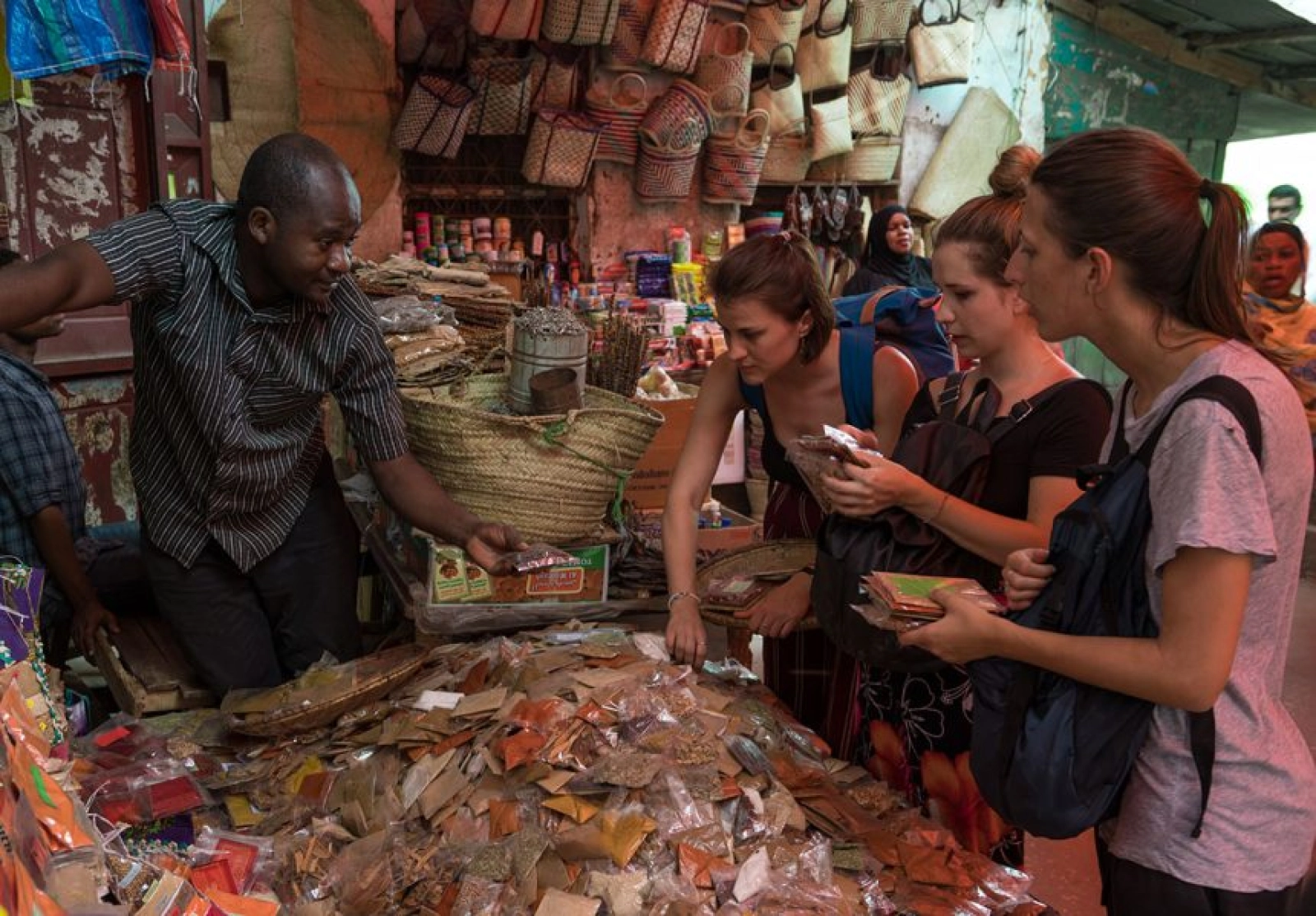
Whatever currency you choose, bring small denominations.
For a straightforward transfer between Kilimanjaro International Airport and Arusha, approximately US$5–10 equivalent per vehicle can be a reasonable gesture after good service.
If the person collecting you becomes your driver-guide for the entire safari, wait until the end and recognise the complete service rather than tipping each transfer separately.
A Serengeti hot-air balloon safari operates independently from your ordinary safari vehicle and may involve a pilot, ground crew, transfer drivers and breakfast staff.
A gratuity is discretionary and should recognise the overall experience rather than being treated as another mandatory excursion fee.
Some operators provide a shared crew gratuity system. If so, this is simpler than trying to identify and tip every employee individually.
Your balloon tip is separate from your normal safari guide‘s gratuity.
A specialist walking safari may involve an armed ranger or professional walking guide whose responsibilities include interpreting tracks, plants, insects and animal behaviour while managing guest safety outside a vehicle.
Where this guide is separate from your regular safari guide, approximately US$5–15 per guest for the activity can be a practical starting range depending on duration.
Longer private walks or highly specialised guiding may justify more.
Fly-in safaris create a different guide relationship. Instead of travelling with one driver-guide for an entire circuit, you may fly between camps and use resident guides at each property.
Tip each guide at the conclusion of your stay at their camp.
The general camp gratuity should normally remain separate.
After several days in the Serengeti, many travellers continue to Zanzibar, where tipping shifts from safari conventions to resort and coastal tourism practices.
At hotels and resorts, communal gratuity boxes are increasingly common. Where one exists, it is generally the best way to recognise housekeeping, restaurant and behind-the-scenes staff collectively.
At restaurants outside your resort, approximately 5–10% is appropriate for good service if a service charge has not been included.
Housekeeping, luggage porters, private drivers, diving staff and excursion guides can receive modest service-specific gratuities.
A private Stone Town walking tour can involve several hours of historical and cultural interpretation. A good guide may explain Zanzibar‘s Swahili heritage, architecture, trading history, religious traditions and contemporary life.
Approximately US$5–15 per guest, depending on tour length and quality, is a reasonable broad benchmark for a private guide.
Dhow cruises, snorkelling trips, diving excursions and private boat tours may involve several crew members. Rather than attempting to tip everybody individually, ask whether the crew pools gratuities.
A collective tip at the end of a well-run excursion is generally sufficient.
Where there is no communal gratuity system, a modest daily housekeeping gratuity is appropriate.
Daily tipping can be preferable because different employees may service the room during your stay.
Kilimanjaro tipping is fundamentally different from safari tipping and deserves special planning.
A climbing expedition may involve a lead guide, one or more assistant guides, cooks and a substantial porter team. The number of crew members depends on group size, route length and expedition style.
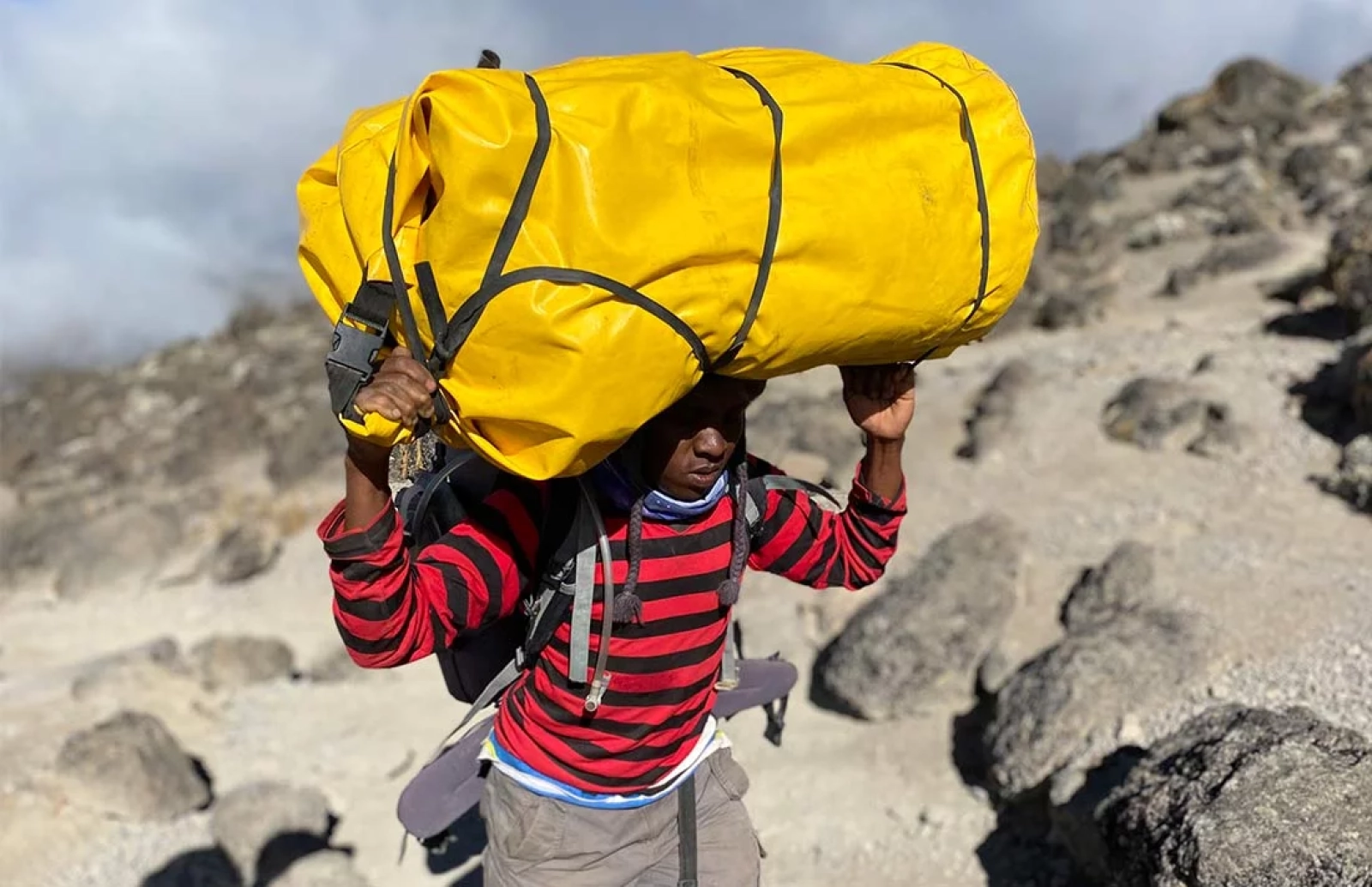
This means you should never take a standard safari figure such as US$20 per day and apply it indiscriminately to every mountain crew member.
Before your climb, request a written tipping guide from your trekking company showing the recommended gratuity by crew role and explaining whether figures are quoted from each climber or from the group collectively.
Imagine four climbers supported by a lead guide, two assistant guides, a cook and twelve porters. If every traveller independently tips people without understanding the distribution system, some visible crew members may receive much more than others.
A better approach is for the climbing group to calculate the total gratuity and distribute it transparently according to crew roles.
Many reputable trekking companies explain this process during the final briefing.
The lead guide carries considerable responsibility for route management, health monitoring, safety decisions, pace and summit strategy.
Consequently, the lead guide generally receives a larger share of the crew gratuity than an individual porter.
Follow your trekking operator’s current recommendation rather than a generic safari amount.
Assistant guides help monitor climbers, maintain group pace and may accompany individuals who need to descend.
They should be recognised separately within the mountain gratuity distribution.
Mountain cooks work under unusually challenging conditions, preparing meals at altitude with limited facilities.
Their gratuity should form part of the organised crew distribution rather than being forgotten because guests interact with guides more frequently.
Porters carry group equipment, tents, food and other supplies between camps. They form the largest portion of most Kilimanjaro support teams.
The responsible approach is to ensure that the overall gratuity system recognises porters fairly and transparently.
Do not confuse a porter gratuity with the operator’s obligation to provide appropriate wages, equipment and working conditions.
A Mount Meru climb uses a similar crew-based system, although expeditions are generally shorter and may have fewer support personnel.
Again, obtain a specific recommendation from your climbing company rather than using safari-guide figures.
| Service | Practical Planning Guideline |
|---|---|
| Private safari driver-guide | Roughly US$30–50/day collectively for a couple/small private party |
| Per-person guide benchmark | Often around US$15–25 per guest/day |
| Lodge/camp staff | Approximately US$5–15 per guest/night depending on property |
| Tracker | Roughly US$5–10 per guest/day where separately employed |
| Camping safari cook | Roughly US$5–10 per guest/day |
| Restaurant | Approximately 5–10% if service not included |
| Airport transfer | Roughly US$5–10 per vehicle |
| Walking guide | Roughly US$5–15 per guest/activity |
| Stone Town private guide | Roughly US$5–15 per guest |
| Balloon crew | Discretionary shared gratuity |
| Zanzibar excursion crew | Modest collective gratuity |
| Kilimanjaro crew | Follow operator-specific crew-role guidelines |
These figures are planning ranges rather than mandatory national tariffs.
Consider a couple travelling privately for seven days through Tarangire, Ngorongoro and Serengeti.
If they decide on US$40 per day collectively for their driver-guide, they would budget US$280.
If they spend six nights at safari lodges and camps and allocate US$15 per night collectively to general staff, that adds US$90.
They might budget another US$30–50 for activity guides, porters and smaller services.
A realistic gratuity allowance might therefore be approximately US$400–450 for the couple, excluding restaurant tips before or after the safari.
Again, this is an example rather than a required amount.
A family of four should not necessarily multiply a US$20 per-person figure by four and assume US$80 every day is compulsory.
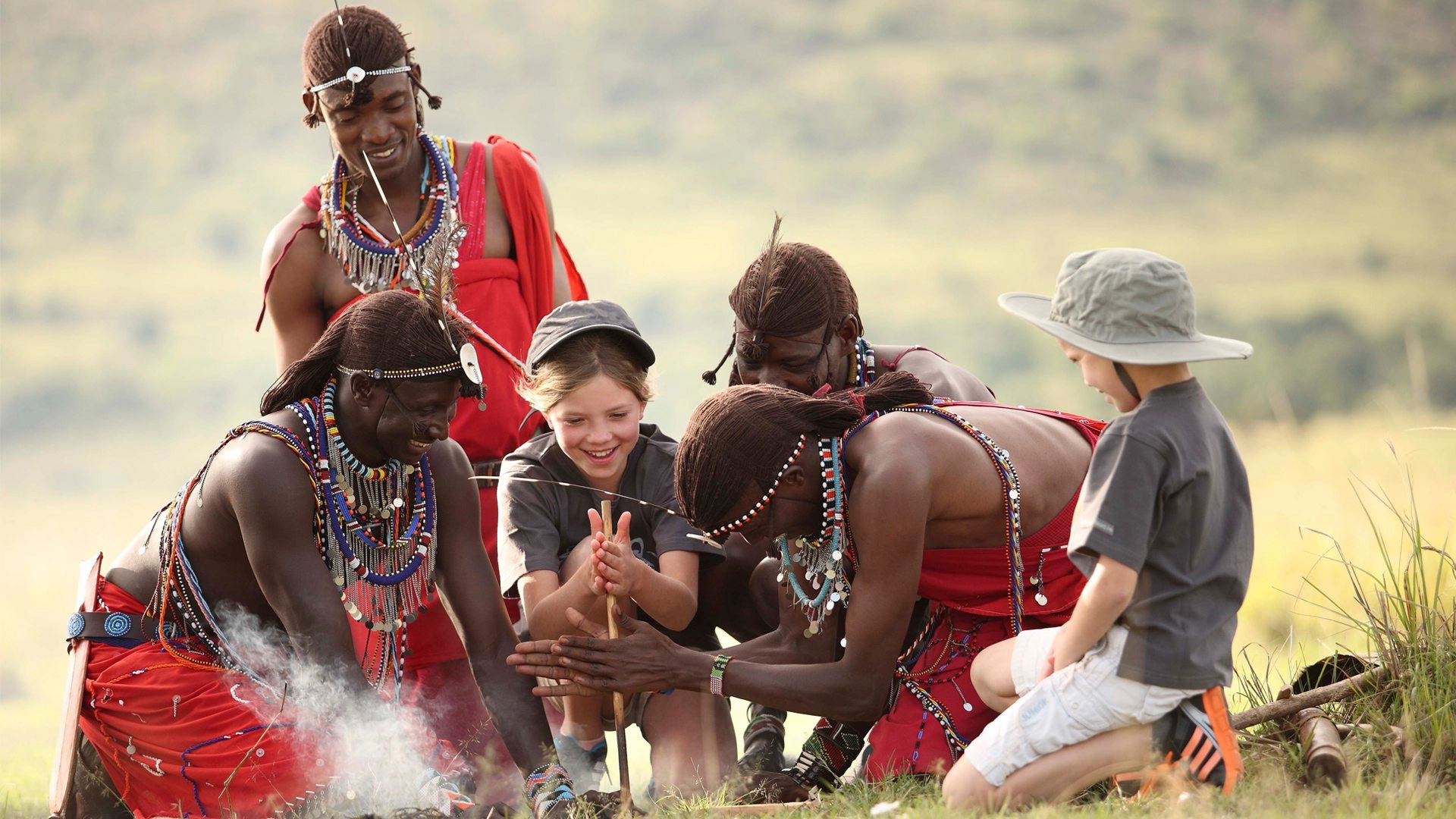
If they occupy one private vehicle with one guide, an overall amount such as US$40–60 per day from the family may be entirely reasonable for good service.
The appropriate amount depends on the service provided, family budget, ages of the children and operator’s recommendations.
Suppose a couple spends six days on safari followed by five nights in Zanzibar.
They should think of these as two tipping environments.
During the safari, budget for the driver-guide and communal lodge staff.
In Zanzibar, budget for resort staff, restaurant servers, excursion guides, drivers and boat crews.
There is no need to continue paying a safari-style daily guide rate after reaching a beach resort.
There is no universal Tanzanian rule.
Families should consider the age of the children and the size of the travelling party rather than blindly multiplying adult recommendations.
Where a camp publishes an official suggested gratuity per guest, ask whether children’s rates differ.
Solo travellers face an interesting issue because some recommendations are quoted per vehicle.
A solo traveller does not necessarily need to match the full amount that a family might collectively give, but they should recognise that the guide has still devoted a private vehicle and full professional attention to one guest.
Using a reasonable per-person benchmark is often the simplest solution.
Your safari driver-guide should normally receive their gratuity when your journey together ends. Camp and lodge gratuities are usually placed in the staff box when checking out. Specialist guides can be tipped when their activity concludes. Restaurant gratuities are given when settling the bill.
Kilimanjaro crew gratuities are normally distributed at the conclusion of the climb according to the trekking company’s established procedure.
An envelope is particularly appropriate for a substantial guide gratuity because it is discreet and allows you to include a personal message.
It is not necessary for small tips.
A traveller is always free to exceed a recommended range.
Perhaps your guide demonstrated extraordinary knowledge, handled a difficult logistical problem calmly, made a family member feel particularly comfortable or consistently delivered exceptional interpretation.
The figures in this guide should never become a ceiling.
Tipping is discretionary. You may reduce or omit a gratuity when service has genuinely been poor.
For serious problems, communicate with the operator or property management. This is especially important for safety concerns or unethical wildlife behaviour.
Do not offer money to encourage guides to drive illegally off-road, crowd wildlife, block animals, exceed speed restrictions or enter prohibited areas.
The best guides understand that preserving Tanzania‘s wildlife and landscapes matters more than obtaining one photograph.
The most common error is treating one published recommendation as a compulsory national rate. Current guidance itself demonstrates significant variation between per-person and per-vehicle systems.
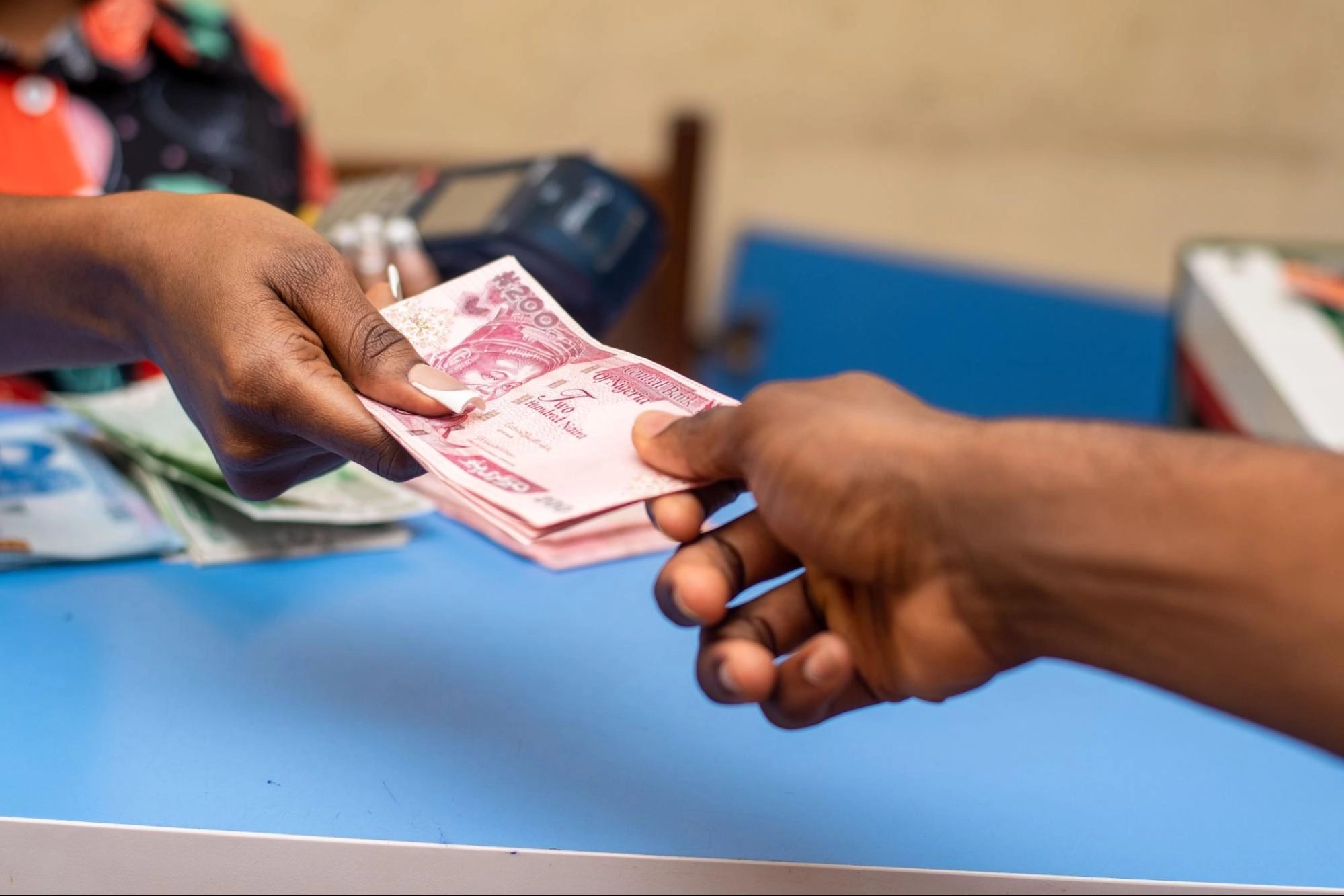
Other common mistakes include forgetting the lodge staff, confusing safari tipping with Kilimanjaro crew tipping, arriving with only large US-dollar notes, overlooking the camping cook and continuing safari-style tipping unnecessarily at a Zanzibar beach resort.
Tipping in Tanzania should be planned but should never dominate your holiday. The easiest system is to separate the people who personally guide you from the wider teams supporting your trip. Your safari driver-guide normally receives a direct gratuity at the end of the journey, while lodge and camp employees are generally recognised through a communal staff system. Specialist guides and activity providers receive smaller gratuities, Zanzibar follows conventional resort and excursion practices, and Kilimanjaro requires a completely separate crew-based approach.
Most importantly, ask whether any recommendation is per person, per room, per vehicle or per group. That one question resolves much of the confusion surrounding safari tipping.
Carry suitable small denominations, recognise professional service, respect communal gratuity systems and never use money to pressure a guide into compromising conservation standards.
When approached this way, tipping becomes what it should be: a straightforward and voluntary expression of appreciation for the people who helped make your journey through Tanzania memorable.
Get quick answers to the most common questions. If you still have questions, our safari experts are here to help.
It is customary and appreciated throughout the tourism industry, particularly on safari, although it is generally discretionary.
A useful broad benchmark is around US$15–25 per guest per day, or approximately US$30–50 per day collectively for a couple on a private safari, depending on the operator’s tipping framework.
Both systems are used. Always check what the recommendation means before calculating your budget.
At the end of the safari.
Approximately US$5–15 per guest per night through the communal gratuity system can be used as a planning range.
Usually not when the property operates a communal staff pool, unless you specifically wish to recognise exceptional personal service.
Yes, when you have a dedicated camping safari cook. Approximately US$5–10 per guest per day is a useful broad benchmark.
No. If the same guide accompanies you through Tarangire, Ngorongoro and Serengeti, give one gratuity at the end.
Yes.
Yes. US dollars are widely used for safari gratuities.
Yes. Small denominations make gratuities much easier.
Approximately 5–10% for good service when service has not already been included.
Yes, modest gratuities are appreciated at resorts, restaurants and during guided excursions.
Yes. Approximately US$5–15 per guest depending on duration and quality is a useful benchmark.
A modest collective gratuity is appropriate after good service.
A discretionary gratuity to the balloon team is appropriate but not compulsory.
Kilimanjaro uses a crew-based system involving guides, assistant guides, cooks and porters. Follow your trekking operator’s current role-specific recommendations rather than ordinary safari tipping figures.
Follow the operator’s organised distribution system so that gratuities are shared transparently.
Usually not unless your itinerary explicitly states that gratuities are included.
Use judgement according to age and group size. Do not automatically treat every child as another full independent adult for every gratuity calculation.
Calculate the main safari guide gratuity first, add lodge staff contributions for each night and then create a smaller allowance for specialist guides, transfers and other services.
Our safari experts are here to help you plan your safari. Get personalized advice, the latest information and a free, no-obligation quote.
We typically reply within a few hours.

Share This Article
Understanding tipping in Zambia is particularly useful for safari travellers because Zambia is famous for highly personalised wilderness…
Read article
Understanding tipping in Zimbabwe is particularly important for safari travellers because the country has one of southern Africa's…
Read article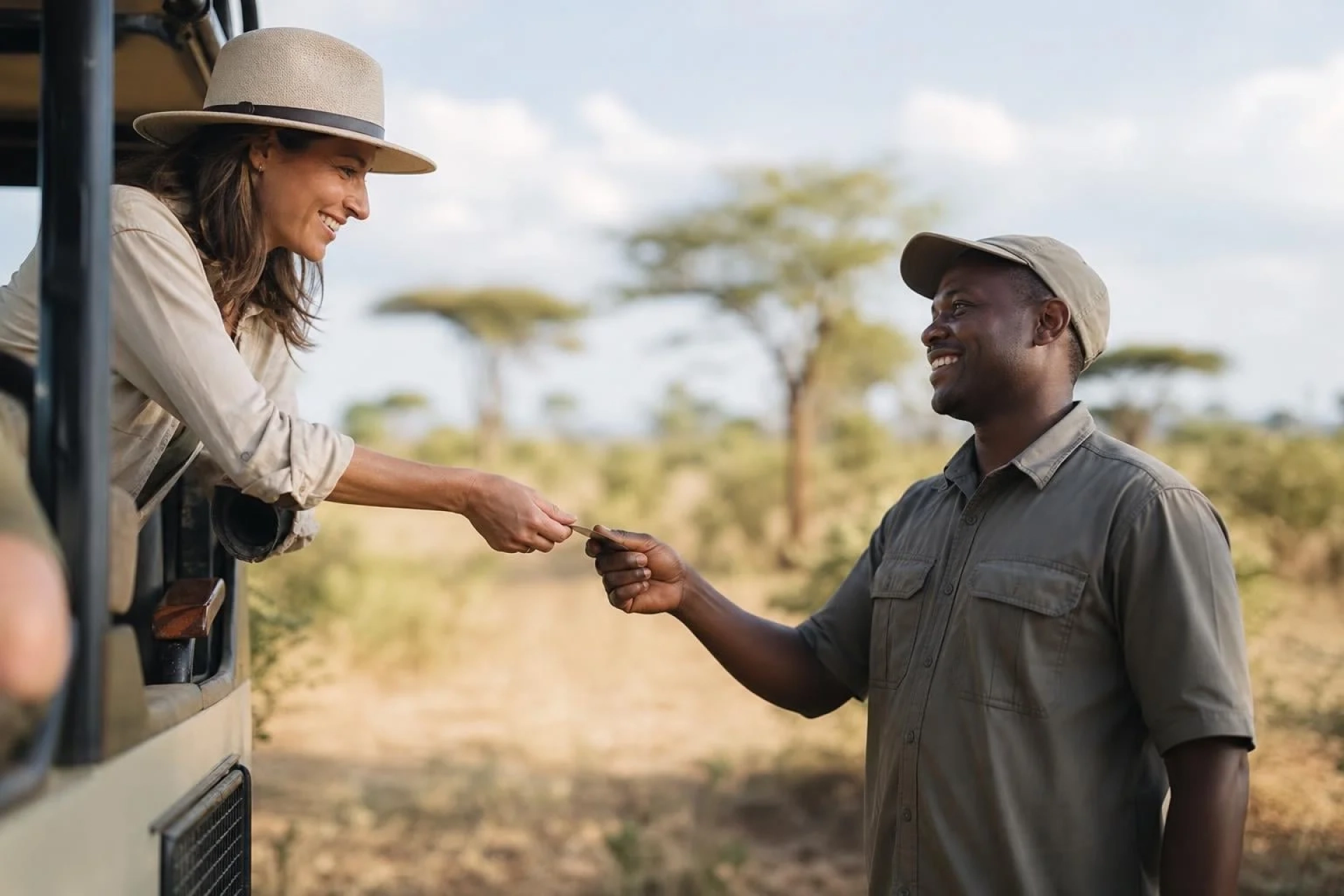
Tipping in Namibia differs subtly from tipping in many other major African safari destinations because a significant proportion…
Read article
Tipping in Botswana is relatively easy once travellers understand how the country's safari industry operates. Unlike many East…
Read articleLet us take you closer to the wildlife, people and places that make Africa extraordinary.
Plan Your Safari Today