Tipping in Zambia: Complete Safari, Walking Safari & Travel Tipping Guide
Understanding tipping in Zambia is particularly useful for safari travellers because Zambia is famous for highly personalised wilderness…
Read article
Travel Guide
Tipping can be surprisingly confusing when planning a Uganda safari. How much should you tip your driver-guide after spending a week together? Should you tip the ranger who accompanies you during a gorilla trek? What about the porter carrying your backpack through Bwindi Impenetrable National Park? Are restaurant tips expected in Kampala? Should lodge staff be tipped individually or through a communal gratuity box?
Tipping can be surprisingly confusing when planning a Uganda safari. How much should you tip your driver-guide after spending a week together? Should you tip the ranger who accompanies you during a gorilla trek? What about the porter carrying your backpack through Bwindi Impenetrable National Park? Are restaurant tips expected in Kampala? Should lodge staff be tipped individually or through a communal gratuity box?
The simplest answer is that tipping in Uganda is appreciated but generally discretionary. It is particularly common within the safari and tourism industry, where guides, trackers, porters, lodge teams and activity guides often provide highly personalised service.
There is no single government-mandated tipping tariff that applies throughout Uganda. Instead, gratuities depend on the type and quality of service, length of the activity, size of your travelling party and sometimes the recommendation of your lodge or tour operator.
Safari tipping also works differently from restaurant tipping. A restaurant gratuity may be calculated as a percentage of the bill, while a safari guide is normally tipped according to the number of days they have accompanied you. Gorilla trekking introduces another group of people you may wish to recognise, including porters and sometimes ranger-guides.
The purpose of this guide is therefore not to create a compulsory tipping bill. It is to give travellers realistic benchmarks so they can arrive in Uganda prepared.
The most important rule of Uganda tipping etiquette is that a gratuity should recognise good service.
Uganda does not operate exactly like the United States, where tipping percentages can be deeply embedded in restaurant culture. Nor is it a destination where tipping is unusual.
Within Uganda‘s tourism industry, tipping has become familiar because international visitors frequently reward safari guides, lodge teams, trekking porters and other people who contribute directly to their trip.
You should nevertheless distinguish between a gratuity and a compulsory fee.
A gorilla trekking permit, national park entrance fee, lodge bill or activity charge is not a tip. Paying these required charges does not automatically mean the staff member assisting you personally receives a gratuity. Equally, nobody should make you feel that an optional tip is a second mandatory fee.
Generally, no.
A restaurant, hotel or lodge may occasionally include a service charge, and organised groups may have their own gratuity arrangements. Check before tipping twice.
On safari, your tour operator may provide suggested tipping guidelines before departure. These are normally recommendations rather than compulsory payments.
A safari involves considerable personal service.
Your driver-guide may meet you at Entebbe International Airport, drive hundreds of kilometres across the country, organise park entry, communicate with lodges, identify wildlife, explain Ugandan culture, keep the vehicle clean and ready, help solve unexpected problems and remain responsible for much of the practical flow of your holiday.
At a safari lodge, your experience may involve reception teams, waiters, chefs, room attendants, security staff, gardeners and other employees.
During a gorilla trek, rangers, guides and porters contribute in completely different ways.
A gratuity allows travellers to recognise excellent service directly.
Tipping at restaurants is common in Uganda‘s tourist centres, international hotels and higher-end restaurants, although it is not universally expected at every local establishment.
A practical benchmark for a sit-down restaurant is approximately 5–10% for good service, provided a service charge has not already been included.
At upscale restaurants or hotels where service has been exceptional, travellers may choose to leave more.
Before adding a tip, look for:
If service is included, you do not need to add another full percentage tip.
In Kampala, especially in international restaurants, hotel restaurants and popular tourist establishments, leaving a gratuity for attentive table service is normal.
The amount remains discretionary.
If your bill is UGX 150,000, for example, leaving UGX 10,000–15,000 for particularly good service would be a reasonable gesture. There is no need to turn every meal into a mathematical exercise.
For counter-service cafés, bakeries and casual establishments, tipping is much less formal.
You can round up, leave change in a tip jar where one is provided, or leave a small amount when somebody has offered particularly attentive service.
For most travellers taking a private Uganda safari, the driver-guide is the person with whom they spend the greatest amount of time.
This is therefore one of the most important gratuities to consider.
A Uganda safari driver-guide does far more than drive.
A professional guide helps interpret wildlife behaviour, identify birds and mammals, communicate with park rangers, organise activities, manage travel times and explain the landscapes and communities through which you travel.
On a long safari, the guide may be with you for ten, fourteen or even twenty days.
There is no legally fixed amount.
As a practical planning guideline, many international safari travellers budget approximately US$10–20 per traveller per day for a private safari driver-guide when service has been good.
For couples travelling privately, this could therefore translate to roughly US$20–40 per day for the guide from the travelling party.
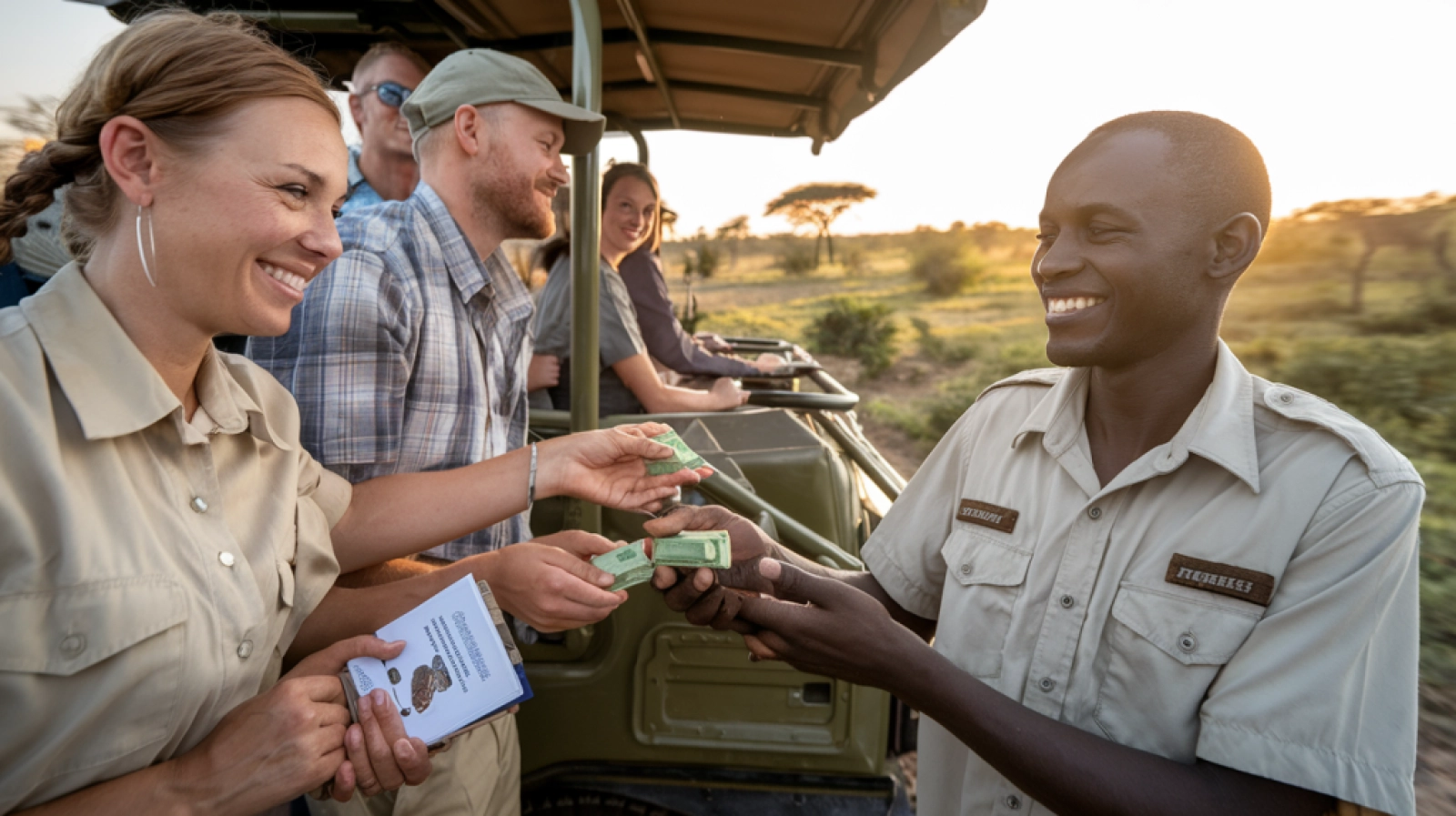
Larger groups should use common sense rather than automatically multiplying a private-tour recommendation by every passenger. Group-tour operators may provide a lower per-person guideline because several travellers contribute.
These amounts are benchmarks, not compulsory tariffs.
Usually not.
For a multi-day safari, it is simpler to tip your driver-guide at the end of the safari or when that particular guide finishes travelling with you.
You can place the gratuity in an envelope and give it directly to the guide with a thank-you.
Absolutely, if you wish.
Perhaps your guide demonstrated outstanding bird knowledge, reorganised a day intelligently after bad weather, helped a family member who was struggling, consistently positioned the vehicle responsibly for photography or transformed long drives into fascinating introductions to Uganda.
Tipping should recognise the overall quality of service rather than simply whether you saw every animal on your wish list.
Wildlife cannot be ordered.
A guide cannot guarantee that a leopard will cross the road, that tree-climbing lions will be visible in Ishasha or that every game drive in Murchison Falls will produce the same sightings.
Judge the guide according to professionalism, knowledge, effort, communication, safety, wildlife ethics and attentiveness.
Gorilla trekking in Uganda creates one of the most common tipping questions.
A trek in Bwindi Impenetrable National Park or Mgahinga Gorilla National Park can involve several different people:
These are different roles.
Your driver-guide usually takes you to the briefing point and collects you afterwards. They generally do not accompany the trekking group into the forest unless arrangements dictate otherwise.
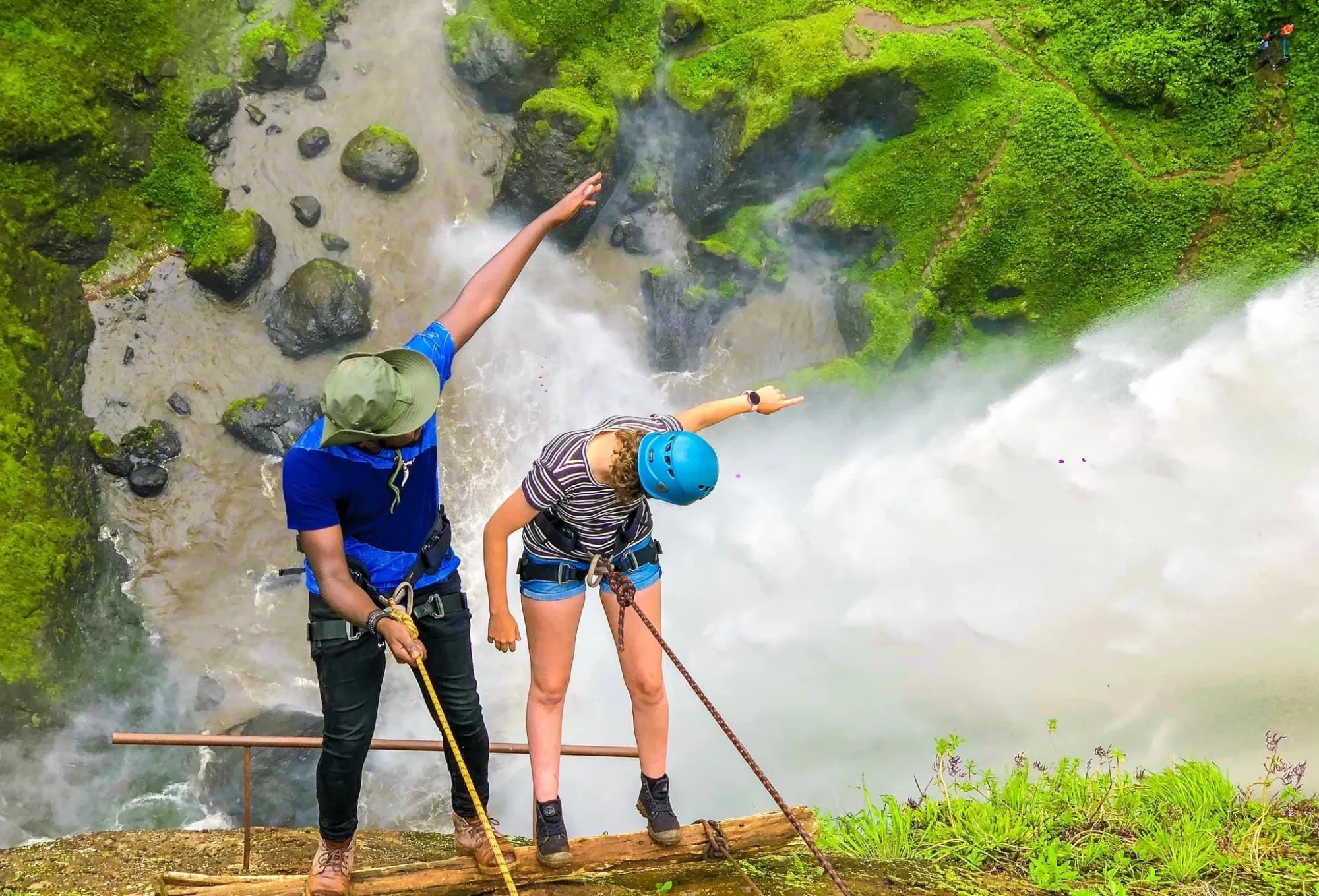
Hiring a porter is one of the most useful decisions many travellers make.
The terrain in Bwindi can be steep, muddy and slippery. A trek may be relatively short, or it can require several hours of walking through demanding forest terrain.
Your porter can carry your daypack, camera equipment and water while also helping you negotiate difficult sections.
Porter charges and gratuities should not be confused.
If there is an established porter fee, pay it as instructed. You can then add a gratuity after the trek if the porter has provided good service.
A US$5–10 tip in addition to the porter fee is a useful general starting point, with discretion to give more after a particularly difficult trek or exceptional assistance.
The ranger-guide leads your trekking group and is responsible for safety, interpretation, forest rules and coordinating the gorilla encounter.
A group may collectively tip the ranger team at the end of the trek. Practices can differ by park sector and trekking arrangement, so ask your safari guide or the park staff how gratuities should be distributed.
Trackers often enter the forest earlier and help locate the gorilla family.
Travellers do not always interact with trackers in the same way they interact with their ranger-guide or porter. Where there is an established communal system, use it rather than trying to determine individually who should receive what.
The length of time it takes to locate gorillas is largely a matter of where the gorilla family happens to be that day.
A short trek does not mean the ranger team worked less professionally.
Similarly, a long trek should not automatically be considered superior simply because it was physically harder.
Tip according to service rather than kilometres walked.
The same general principle applies to chimpanzee trekking in Kibale National Park, Budongo Forest and other guided primate experiences.
You may choose to tip the ranger-guide after a successful and professionally managed activity.
The gratuity does not need to match the scale of a multi-day private safari-guide tip because the activity guide has normally accompanied you for only a few hours.
A small individual gratuity or a contribution from the group is appropriate.
For specialised activities such as chimpanzee habituation, birding walks and forest walks, you may give more when the guide has spent considerably longer with you or provided unusually specialised knowledge.
One of the biggest mistakes travellers make is tipping only the safari guide.
A lodge stay involves many employees who contribute to the experience.
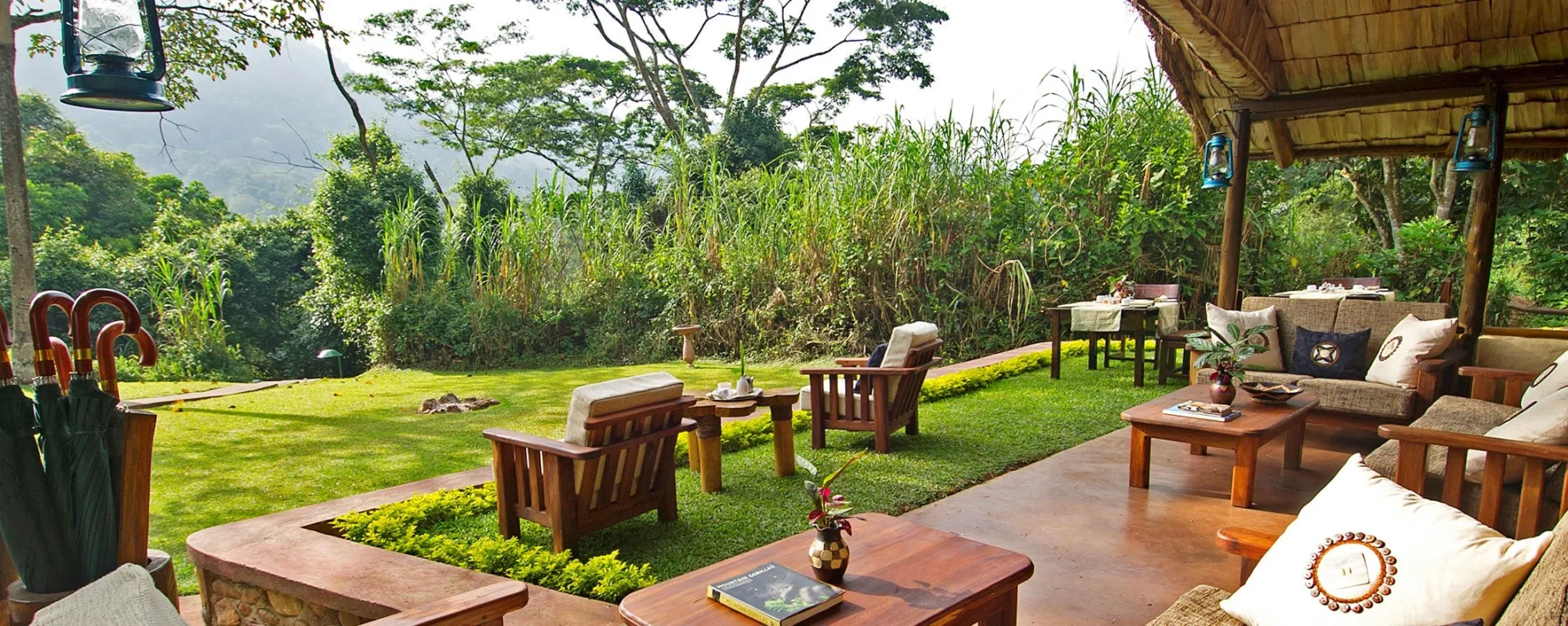
These may include:
Many safari lodges therefore use a communal gratuity box.
A communal system allows employees who work behind the scenes to benefit from guest gratuities.
The waiter serving dinner is highly visible. The person who washed your linen, maintained the water system or prepared ingredients in the kitchen may not be.
If a lodge has an established gratuity system, it is generally best to use it.
There is no national rate.
For a full-service safari lodge, approximately US$5–10 per traveller per night placed into a communal staff gratuity can serve as a practical starting benchmark when service has been good.
Luxury properties may suggest different amounts.
Always follow the lodge’s own recommendations where they exist.
Some high-end Uganda lodges assign a personal host, butler or dedicated waiter.
Ask whether that employee participates in the communal gratuity system.
If not, you may wish to recognise exceptional personal service separately.
Urban hotel tipping is generally simpler than safari-lodge tipping.
A porter who carries your luggage to your room may receive a modest cash tip.
Around UGX 5,000–10,000, depending on the amount of luggage and level of service, is a useful practical range rather than a rule.
Housekeeping can be tipped daily or at the end of the stay.
A modest amount is appreciated at full-service hotels, particularly for longer stays.
Daily tipping has one advantage: the same housekeeper may not service your room throughout the stay.
You do not normally need to tip reception staff for routine check-in or check-out.
If somebody performs an exceptional personal service—solving a complicated travel problem, arranging something difficult at short notice or providing extensive assistance—you may choose to recognise them.
Transfer drivers and activity guides are another common source of confusion.
For a straightforward airport-to-hotel transfer, a modest tip is sufficient when the driver provides good service.
Approximately US$3–5 or the equivalent in Uganda shillings can be appropriate for a normal transfer, with more at your discretion for unusually long waits, luggage assistance or a particularly long journey.
For a full-day Kampala, Jinja, Entebbe or other privately guided excursion, approximately US$5–15 per traveller, depending on service and duration, is a useful benchmark.
Again, group size matters.
Do not treat a multi-day safari driver-guide like an ordinary airport transfer driver.
The responsibilities are considerably greater, which is why multi-day safari guides generally receive a separate daily-based gratuity.
| Service | Practical Guideline |
|---|---|
| Restaurant waiter | Around 5–10% when service is not included |
| Private safari driver-guide | Roughly US$10–20 per traveller/day |
| Gorilla porter | Pay required porter fee + approximately US$5–10 gratuity |
| Gorilla ranger/team | Discretionary individual/group gratuity |
| Chimpanzee/forest guide | Modest activity-based gratuity |
| Safari lodge staff | Roughly US$5–10 per traveller/night through communal system |
| Hotel porter | Approximately UGX 5,000–10,000 |
| Housekeeping | Modest daily gratuity |
| Airport transfer | Roughly US$3–5 equivalent for normal good service |
| Private day guide | Roughly US$5–15 per traveller depending on duration |
| Boat/activity crew | Small discretionary gratuity for good service |
| Community guide | Modest direct gratuity where appropriate |
These are planning guidelines, not mandatory charges.
For ordinary local services, Uganda shillings (UGX) are generally the most practical currency.
Restaurant staff, porters, urban drivers and housekeeping employees can use local currency immediately.
Within the international safari industry, however, US dollars are also commonly used for gratuities, particularly for safari driver-guides and lodge teams.
Avoid arriving with only US$100 notes.
Smaller US-dollar notes and Uganda shilling notes make tipping considerably easier.
Foreign currency can be difficult to exchange when notes are old, damaged, heavily marked or torn.
If you plan to tip in US dollars, bring clean notes in good condition.
Cash remains the easiest way to tip many safari staff.
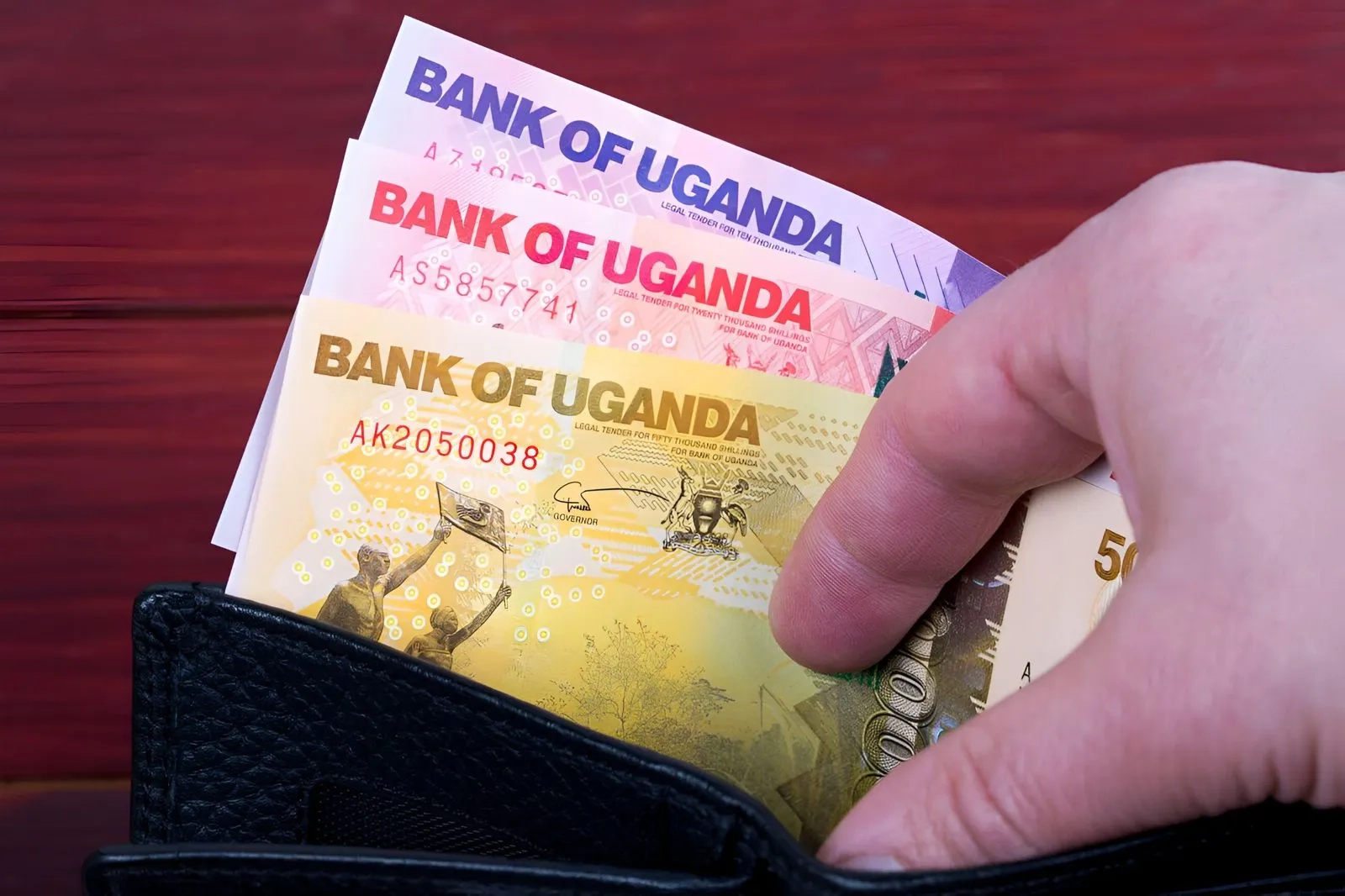
Restaurants and larger hotels increasingly accept card payments, but you should not assume that a card gratuity automatically reaches the staff member you intended to reward.
For safari guides, porters, rangers and community guides, cash is usually straightforward.
At luxury lodges, ask reception whether gratuities can be added to your room account or card settlement.
Imagine two travellers completing a ten-day private safari through Murchison Falls, Kibale, Queen Elizabeth and Bwindi.
They have one driver-guide for ten days.
If they decide on US$30 per day from the couple, the guide gratuity would be US$300.
Suppose they stay nine nights in safari lodges and contribute US$15 per night as a couple to lodge staff. That would be US$135.
During gorilla trekking, both hire porters and give each porter an additional US$10 after the trek: US$20.
They may then add smaller gratuities for ranger-guides, chimpanzee guides and other activity staff.
This illustrates why it is worth budgeting for tips before travelling.
Bwindi is one of the places where travellers encounter the greatest number of tourism workers in a short period.
You may interact with your driver-guide, lodge staff, gorilla porter, ranger team, community guides and cultural performers.
Do not feel obliged to hand money to every person individually.
Use organised gratuity systems where available and ask your guide when uncertain.
A typical stay may involve your regular safari driver-guide, lodge employees and perhaps a Kazinga Channel boat cruise crew.
Your driver-guide‘s gratuity is normally settled at the end of the safari rather than after each game drive.
For a scheduled boat cruise, a small gratuity to a particularly helpful guide or crew member is optional.
The same principle applies.
Your private safari driver-guide may conduct game drives while a separate boat crew operates your Nile cruise.
These are separate services.
A gratuity for the boat guide does not replace the tip you intend to give your multi-day safari guide.
Kibale trips often involve chimpanzee trekking, Bigodi Wetland Sanctuary or other community activities.
This means travellers may encounter several guides in one or two days.
Small activity-based gratuities are appropriate. Your primary safari guide should normally be tipped separately at the conclusion of the journey.
Uganda safaris increasingly include community walks, village visits, coffee experiences and cultural activities.
If a guide has personally spent several hours interpreting their community, environment or traditions, a gratuity can be a meaningful acknowledgement of their work.
However, responsible tourism requires some sensitivity.
Do not indiscriminately distribute cash to children or turn ordinary community encounters into transactional exchanges.
Support established community tourism programmes, buy locally produced crafts where appropriate and tip the people who have genuinely provided a professional service.
A luxury safari does not mean you need to tip every employee individually.
High-end properties often have the clearest gratuity systems.
Ask the lodge whether:
Clarity prevents accidental double tipping.
Travellers on budget trips should not feel embarrassed because they cannot match luxury-safari gratuity figures.
A tip is voluntary.
Service staff generally appreciate genuine recognition at whatever level is reasonable for the traveller.

Professional courtesy, patience and respect also matter.
There is no rigid formula.
Families should use judgement based on the age of the children, the size of the party and the amount of service provided.
A family of five does not necessarily need to multiply every private-couple tipping guideline by five.
Your safari operator can recommend an appropriate group amount.
Safari driver-guide: at the end of your time together.
Gorilla porter: after the trek.
Activity guide: at the end of the activity.
Restaurant waiter: when settling the bill.
Housekeeping: daily or at the end of the stay.
Lodge staff: usually when checking out, using the lodge’s gratuity system.
The most common mistakes include:
Giving every tip in foreign currency when local currency would be easier.
Forgetting to budget for your safari guide.
Assuming the gorilla permit includes a porter.
Confusing a porter’s official fee with a gratuity.
Tipping only highly visible lodge staff and forgetting the wider team.
Failing to check whether a restaurant service charge is already included.
Using one internet figure as though it were a government-mandated rate.
Carrying only large-denomination notes.
Treating a generous tip as permission to ask guides or rangers to break national park rules.
A gratuity should never be used to pressure a guide into:
driving off designated tracks where prohibited;
approaching wildlife too closely;
exceeding gorilla viewing rules;
remaining with gorillas beyond the permitted period;
feeding wildlife;
speeding inside parks; or
ignoring instructions from Uganda Wildlife Authority personnel.
Responsible guides protect both visitors and wildlife.
Tipping becomes stressful when it is treated as an unexpected expense.
Include a gratuity allowance when calculating the cost of your Uganda safari alongside:
gorilla permits;
chimpanzee permits;
accommodation;
park fees;
transport;
meals;
drinks;
activities; and
personal expenses.
Keep a small envelope of suitable denominations so you are not searching for an ATM on your final morning.
If your safari continues into Rwanda, do not assume every tipping situation will be identical.
The broad safari principles are similar, but local currencies, lodge systems and the composition of trekking teams may differ.
Your tour operator should be able to provide country-specific guidance.
Tipping in Uganda should not be intimidating.
The central principle is simple: reward good service at a level that feels appropriate to the service provided and your own travel budget.
For safari travellers, the most important gratuity is usually the multi-day driver-guide. Gorilla trekking introduces additional people such as porters and ranger teams. Safari lodges often use communal gratuity boxes, while restaurants and urban hotels follow simpler service-based tipping practices.
Carry some Uganda shillings and small US-dollar notes, check whether service has already been included, follow property-specific guidance and ask your tour operator whenever you are uncertain.
A thoughtful tip given discreetly and with genuine thanks is far more meaningful than worrying about whether you have calculated an imaginary perfect number.
Get quick answers to the most common questions. If you still have questions, our safari experts are here to help.
Yes, particularly within tourism, safari lodges, restaurants and guided activities. It is generally discretionary rather than legally mandatory.
A useful planning benchmark for a private safari is around US$10–20 per traveller per day, adjusted for group size, trip length and quality of service.
Many couples might budget approximately US$20–40 per day from the couple, depending on service. This is a guideline rather than a compulsory rate.
Usually no. Give the total gratuity at the end of the safari or when that guide’s service ends.
Yes, a gratuity is appreciated after good service. Remember that the official porter charge and the optional gratuity are separate.
Approximately US$5–10 on top of the required porter fee is a practical starting point, with discretion to give more.
A gratuity to the ranger team is appreciated but discretionary. Ask how the group normally distributes tips at your trekking sector.
You may contribute through the system recommended at the park or by your operator rather than attempting to locate every tracker individually.
Yes, a modest gratuity to the ranger-guide after good service is appreciated.
Approximately US$5–10 per traveller per night through the communal gratuity system can be used as a planning benchmark, subject to the lodge’s own guidance.
A modest daily gratuity is appreciated at full-service hotels.
For sit-down restaurants, approximately 5–10% for good service is a reasonable benchmark where a service charge has not already been included.
Yes, particularly within the safari industry, although Uganda shillings are more practical for everyday services.
For restaurants, local drivers, porters and small everyday gratuities, local currency is usually convenient.
Sometimes, especially at larger hotels and lodges. Ask whether the gratuity will actually be distributed to staff.
A modest gratuity such as US$3–5 equivalent is appropriate after good service for an ordinary transfer.
A small gratuity is appreciated when the guide or crew has provided good service.
Not when the same driver-guide accompanies you throughout the safari. Tip once at the end.
No. Permit charges and gratuities are separate, and gratuities remain discretionary.
Generally, avoid handing out money indiscriminately. Support organised community projects and pay or tip people who provide genuine services.
Calculate your guide gratuity according to the number of safari days, then add allowances for lodge staff, trekking staff and smaller services. Carry small denominations.
Treat published figures as guidelines rather than tariffs. Reward professional service fairly, use the lodge or operator’s recommended system and tip discreetly.
Our safari experts are here to help you plan your safari. Get personalized advice, the latest information and a free, no-obligation quote.
We typically reply within a few hours.

Share This Article
Understanding tipping in Zambia is particularly useful for safari travellers because Zambia is famous for highly personalised wilderness…
Read article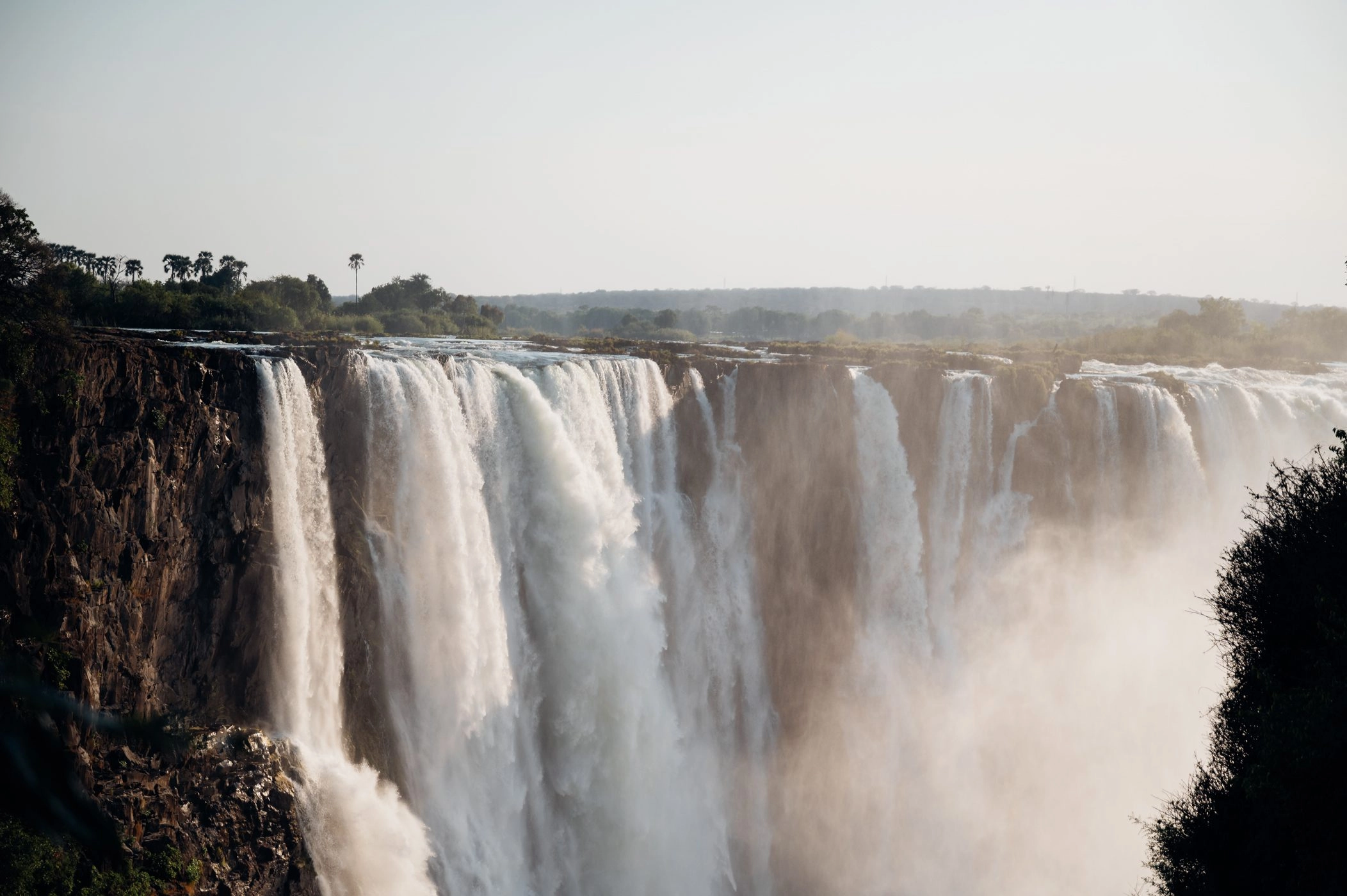
Understanding tipping in Zimbabwe is particularly important for safari travellers because the country has one of southern Africa's…
Read article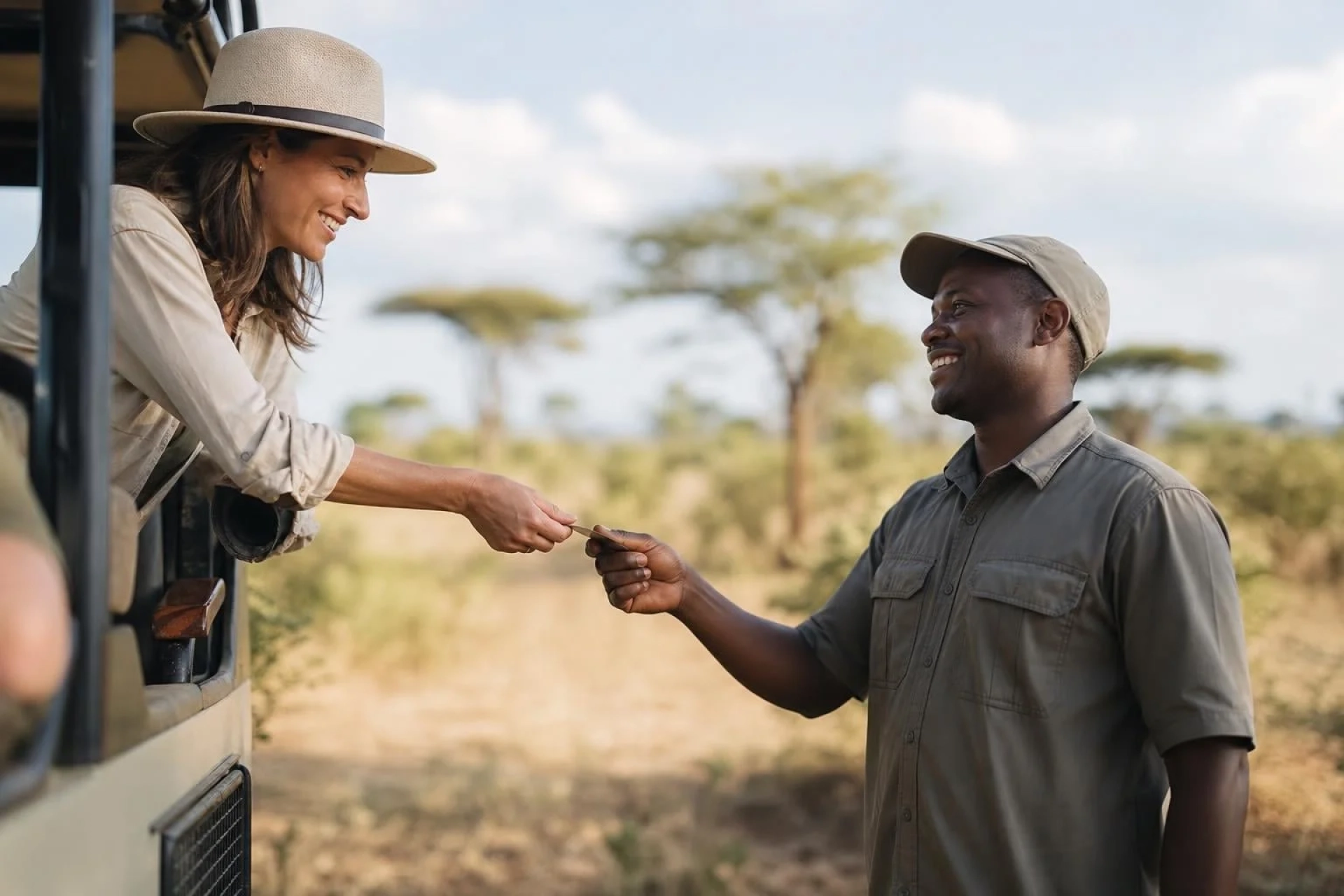
Tipping in Namibia differs subtly from tipping in many other major African safari destinations because a significant proportion…
Read article
Tipping in Botswana is relatively easy once travellers understand how the country's safari industry operates. Unlike many East…
Read articleLet us take you closer to the wildlife, people and places that make Africa extraordinary.
Plan Your Safari Today