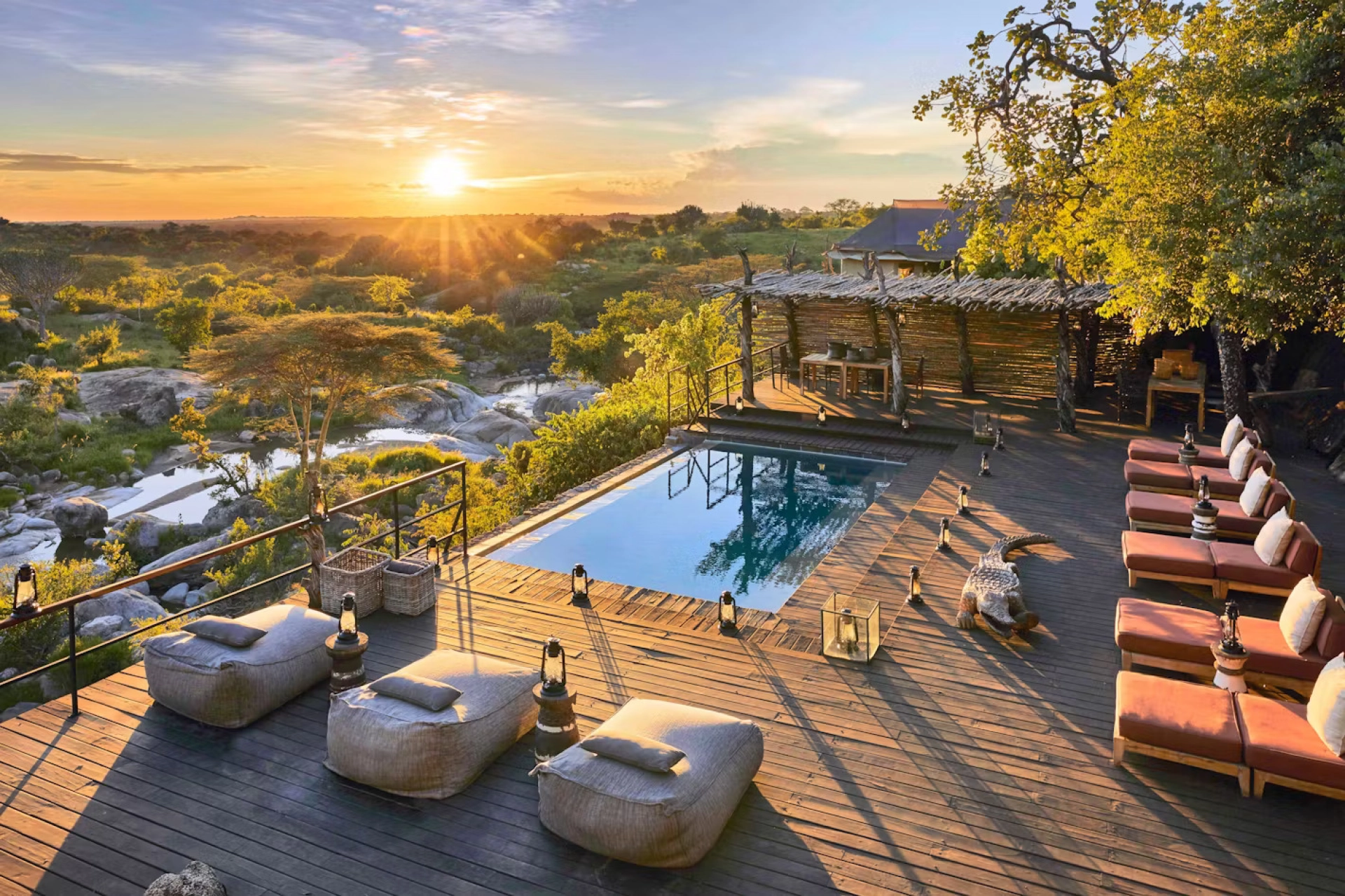
What should I look for when booking a luxury African safari?
When booking a luxury African safari, look beyond the room and compare the quality of guiding, wildlife location,…
Read article

Travel Guide
Understanding Volcanoes National Park weather is essential when preparing for gorilla trekking in Rwanda. The park occupies a high-altitude section of the Virunga Mountains in northwestern Rwanda, where cool temperatures, cloud, mist and rainfall are normal…
Understanding Volcanoes National Park weather is essential when preparing for gorilla trekking in Rwanda. The park occupies a high-altitude section of the Virunga Mountains in northwestern Rwanda, where cool temperatures, cloud, mist and rainfall are normal features of the ecosystem. Even travelers visiting during a period commonly described as the dry season should expect the possibility of rain.
This is one of the most important realities of planning a Rwanda gorilla safari. Weather forecasts can help with short-term preparation, but they cannot guarantee what conditions will be like on the mountain several months in advance. The Virunga volcanoes influence local cloud formation, and conditions can change rapidly as trekkers move between cultivated foothills, bamboo zones and montane forest.
The good news is that mountain gorilla trekking operates throughout the year under normal park conditions. Rain rarely means that an ordinary trekking day is simply abandoned. Instead, weather affects trail difficulty, clothing choices, photography, hiking comfort and how much energy travelers use. This detailed guide explains the climate, seasonal rainfall, month-by-month conditions, trekking implications, clothing, camera protection and how weather affects gorilla trekking, golden monkey tracking and volcano hiking.
Altitude is the main reason. Although Rwanda lies close to the equator, Volcanoes National Park occupies mountainous terrain. Air temperatures decrease with elevation, and the high slopes of the Virunga volcanoes can feel dramatically cooler than lower areas. Travelers arriving from Akagera or other warmer parts of East Africa often notice the difference immediately. Early mornings can feel chilly, particularly when standing still before trekking.
The park contains several highland vegetation zones rather than one uniform forest type. Bamboo, montane forest and higher-altitude vegetation respond to elevation and moisture. Rain and mist are fundamental to these ecosystems. This means visitors should not approach the destination expecting permanently dry trails, even during Rwanda’s drier seasons. The green landscape exists because moisture is a normal part of the environment.
Rwanda’s climate is often described through wet and dry seasons rather than four temperate seasons. A broad planning pattern is: December to February: shorter relatively dry period. March to May: longer wet period. June to September: longer relatively dry period. October to November: shorter wet period. These divisions are approximate. Rainfall timing varies between years, and climate variability can blur traditional seasonal boundaries.
Weather is what happens on a particular day. Climate is the longer-term pattern. A climate guide can tell you that July is generally drier than April, but it cannot promise that your July gorilla trek will be rain-free. This distinction is critical. Travelers should use seasonal information to choose broad timing while packing for the full range of plausible mountain conditions.
Temperatures are generally mild to cool rather than tropical-hot. Exact conditions depend on elevation, cloud cover, time of day and season. Musanze can feel comfortable during the day, while trekking higher into the park may feel considerably cooler. Physical activity also changes how warm you feel. Wear layers that can be removed during uphill walking and replaced when stopping.
Gorilla trekking begins early, so the first part of the day can feel cold. Travelers may leave the lodge before the sun has warmed the landscape. A light fleece or insulating layer is useful. Once walking begins, body temperature rises quickly. This is why one enormous winter coat is less practical than several lightweight layers.
Afternoons can be mild, cloudy, sunny or wet depending on the day. Mountain weather can shift rapidly. If you return to the lodge after trekking, a warm shower and dry clothing can be extremely welcome. Properties with fireplaces or warm communal spaces are particularly enjoyable during misty weather.
Evenings around Musanze and the park can be cool. Pack a light sweater, fleece or jacket for dinner. Luxury safari clothing is unnecessary; comfort matters more. If your itinerary continues to warmer Akagera, keep both cool-weather and hot-weather clothing because Rwanda’s parks can feel very different.
January generally belongs to the shorter relatively dry period. Trekking conditions can be favorable, although rain remains possible. Days can alternate between clear mountain views, cloud and showers. January is popular with travelers seeking a dry-season gorilla trek outside the mid-year peak. Pack waterproof gear anyway.
February can remain relatively dry, particularly earlier in the month, before conditions transition toward the longer rains. The forest stays green. Trekking can be comfortable when trails have had time to dry between showers.
Weather patterns vary annually, so late-February travelers should be prepared for increasing rainfall.
March commonly marks the beginning or intensification of the longer wet season. Rain becomes more frequent. Trails can become muddy and slippery. This does not prevent gorilla trekking. Instead, visitors need stronger footwear, reliable waterproof clothing and a positive attitude toward wet forest conditions.
April is generally one of the wetter months. Expect rain. The forest is lush, cloud often surrounds the volcanoes and trails may be physically demanding. Photographers can benefit from soft light and saturated green vegetation. Camera protection becomes particularly important.
May often begins wet and transitions gradually toward the drier middle of the year. Conditions can change significantly through the month. Late May may offer an appealing combination of lush scenery and improving trail conditions. Still, do not leave rain protection behind.
June generally begins the longer relatively dry period. Rainfall tends to reduce and trail conditions may improve. Temperatures remain moderated by altitude. This is one reason June is popular for Rwanda gorilla trekking. The landscape does not become brown and desert-like; the highlands remain green.
July is commonly one of the drier and most popular months. The reduced rainfall can make trekking and hiking more comfortable. However, showers still occur. Cool mornings remain normal. Travelers should not pack as though they are going to a hot tropical beach simply because Rwanda is near the equator.
August often continues relatively dry conditions. It is excellent for combining Rwanda with Kenya or Tanzania. Volcano views may be clearer on some days, but cloud remains part of the mountain environment. Permit and lodge demand can be high. Weatherproof hiking gear remains essential.
September can begin relatively dry and become wetter as the month progresses. It is a transition period. Travelers may experience excellent trekking conditions, but rainfall can increase. The changing season makes rigid predictions particularly unreliable. Pack for both sun and rain.
October generally belongs to the shorter wet season. Rainfall increases and vegetation becomes especially lush. Mud can make steep trekking sections harder. Good boots, gaiters and porter assistance are valuable. Gorilla trekking continues, and overcast light can be excellent for photography.
November is typically wet. The landscape is intensely green and cloud can create atmospheric mountain scenes. Travelers who dislike mud may prefer another month. Those comfortable with rain can still enjoy outstanding gorilla and golden monkey experiences. Accommodation value may be worth investigating.
December often transitions toward the shorter dry period. Conditions can improve, though the exact timing of rainfall varies. Late December is a popular holiday period. Cool mornings, occasional showers and changing mountain cloud remain possible. Book early if traveling over Christmas and New Year.
Rainfall is meaningful throughout the year, with wetter and drier periods rather than a complete wet-versus-no-rain distinction. Exact monthly totals differ by location, elevation and data source. For safari planning, the practical lesson is more useful than one precise millimeter figure: expect wetter conditions around March-May and October-November, and relatively drier conditions around June-September and December-February. Do not interpret “dry season” as “zero rain.”
Yes, prolonged rain is possible, particularly in wetter periods. However, mountain weather can also arrive in showers with brighter intervals. A wet morning can become a pleasant afternoon. A clear sunrise can become cloudy by midday. This variability is why one daily weather icon rarely tells the full story.
Ordinary rain does not normally mean gorilla trekking is cancelled. Mountain gorillas live in a wet environment, and tourism operations are designed around those conditions. Exceptional circumstances can always affect park activities, so visitors must follow official guidance. For normal rain, the correct response is preparation: waterproof jacket, good boots, bag protection and porter support.
Rain can turn soil into slippery mud. Steep slopes become harder to climb and descend. Vegetation becomes wet, meaning trousers and sleeves can become soaked even when rain has stopped. Waterproof footwear helps, but no boot can completely eliminate mud. Move slowly and accept assistance when offered.
Weather can influence where gorillas feed, rest and seek shelter, but visitors should avoid simplistic assumptions. Gorillas remain in their natural habitat and continue normal social and feeding behavior. Trackers monitor their movements. The greatest practical effect of rain is usually on the humans trying to reach them.
Indirectly. Gorilla location is the primary factor, but muddy trails can slow walking. A route that would be manageable in dry conditions may require more time after heavy rain. Fitness and group pace also matter. Do not schedule a tight airport transfer immediately after trekking based on an assumed return time.
Mud is normal. Trekkers should not be surprised if boots and trousers are dirty by the end of the day. Some visitors arrive in expensive new safari clothing and try desperately to keep it clean. That creates unnecessary stress. Wear durable clothing that can be washed and enjoy the experience.
Sturdy hiking boots or quality trail shoes with strong grip are ideal. Water resistance is useful. Ankle support can help on uneven terrain. Most importantly, footwear should already be broken in. A waterproof boot that causes severe blisters is worse than a comfortable boot that gets slightly wet.
Gaiters are useful, especially in wetter months. They keep mud, water and vegetation away from the lower legs and socks. They can also reduce the annoyance of debris entering boots. They are not mandatory, but regular hikers often appreciate them.
A breathable waterproof shell is one of the most important items. Avoid relying entirely on a thick insulated jacket because climbing generates heat. A shell can be worn over light layers and removed when conditions improve. Pack it even when the morning sky looks clear.
A poncho provides broad coverage and can protect a small pack, but it may catch on vegetation. A fitted waterproof jacket gives better freedom of movement. Some travelers carry both a shell and a lightweight pack cover. Choose equipment you have tested before the safari.
Long clothing protects against vegetation, mud and insects. Quick-drying fabrics are useful. Avoid heavy denim for trekking because it becomes uncomfortable when soaked. Tuck trousers into socks or use gaiters where appropriate. Gardening gloves can protect hands when holding branches for balance.
Start with a breathable base layer. Add a light fleece. Carry a waterproof outer shell. As the trek becomes strenuous, remove the fleece before you overheat. When stopping with the gorillas, you may cool down again, so having the layer in your daypack is useful.
Use a proper rain cover, waterproof bag or dry sack. Carry a lens cloth. Keep spare batteries protected. Do not repeatedly expose the camera to rain while changing lenses if avoidable. A versatile zoom can reduce lens changes in wet conditions. The forest itself can be humid even after rainfall stops.
Moving equipment between cool outdoor conditions and warmer indoor spaces can create condensation. Keep gear protected and allow gradual temperature adjustment. Do not immediately open a cold camera bag in a very warm, humid room if heavy condensation is likely. Photographers carrying expensive equipment should prepare for tropical mountain humidity as carefully as for direct rain.
Cloudy weather can be excellent. Soft light reduces harsh contrast across dark gorilla fur. Rain-darkened vegetation produces saturated greens. Bright sunlight creates attractive highlights but can make exposure difficult when part of the gorilla is in shade. There is no reason to assume a cloudy day is a failed photography day.
Phones are convenient but still need moisture protection. A waterproof pouch can be useful. Check whether the device’s water-resistance rating remains valid after repairs or damage. Wipe the lens frequently because rain droplets create blurred images. Keep flash disabled around gorillas.
Golden monkey tracking occurs in similar mountain conditions. Bamboo leaves hold water after rain, so trekkers can become wet from vegetation even during a dry interval. The monkeys move quickly, making low-light photography challenging. Use higher ISO and faster shutter speeds when necessary.
Weather has a stronger impact on strenuous mountain hiking. Mud increases effort, while cloud can obscure summit views. High-altitude conditions can change rapidly. Travelers hiking Mount Bisoke or other approved routes should carry appropriate rain protection, water and layers. Current route conditions should be checked before departure.
Yes, but views may be less predictable. Cloud and mist can hide the peaks for hours and then suddenly clear. Early morning sometimes offers attractive visibility, but there is no guarantee. Photographers should remain patient. A mist-covered volcano can also create compelling landscape images.
Relatively dry periods generally provide better odds of manageable trail conditions. That does not guarantee a clear summit. The hike should be chosen because you enjoy mountain trekking, not solely because you want one crater photograph. Prepare for wet and cold conditions even in a dry-season month.
Travelers with balance or mobility concerns may find relatively dry periods more comfortable. Mud increases the risk of slipping.
A porter can provide valuable physical support. Walking poles may help where permitted and practical. Discuss mobility needs before the trek rather than waiting until the morning briefing.
Families with eligible teenagers should prepare everyone for wet and cool conditions. Young travelers may become uncomfortable quickly if clothing is soaked. Pack proper rain layers and dry clothing for after the trek. Verify current age requirements before booking permits.
Rain does not ruin a honeymoon. Many high-quality lodges are particularly atmospheric in cool mountain weather. Fireplaces, warm meals and misty views can become part of the experience. Couples who want more reliable sunshine for the rest of their trip can combine Volcanoes with a drier savannah destination depending on season.
Do not save money by skipping basic waterproof equipment. A good rain jacket and suitable footwear can make the difference between an adventurous wet trek and a miserable one. Budget travelers can rent or borrow quality gear before departure if purchasing everything new is unnecessary. A porter is also a worthwhile expense.
Ask your lodge about laundry and drying arrangements. After a wet trek, boots and clothing may need attention before the next day’s activity. Carry a second pair of casual shoes. Do not plan to use the same soaked hiking socks for golden monkey tracking the following morning.
Even for a short trip, bring at least one complete trekking outfit, waterproof shell, hiking footwear, gloves, warm layer, casual lodge clothing and spare socks. If trekking twice, bring enough quick-drying clothing to manage a wet first day. A small luggage load is sufficient if it is intelligently chosen.
Musanze and the Volcanoes region are generally cooler than Kigali because of elevation and mountain influence. A traveler comfortable in a short-sleeved shirt in Kigali may want a fleece in Musanze. This difference becomes even more obvious when trekking higher into the park. Pack for destinations, not just for the country name “Rwanda.”
Akagera is a very different environment. Its lower-elevation savannah and lake landscapes can feel significantly warmer. A combined Akagera and Volcanoes safari therefore requires flexible clothing. Light safari wear suits game drives, while layers and waterproof hiking gear are needed for gorilla trekking.
Both are forest destinations with significant rainfall, but local climate and elevation differ. Nyungwe also requires preparation for wet trails. A comprehensive Rwanda primate safari should therefore include reliable rain gear from beginning to end. Do not pack one disposable poncho for an entire multi-forest journey.
Bwindi Impenetrable National Park in Uganda is also a moist mountain forest where rain is possible throughout the year. The same principle applies: relatively dry seasons improve the odds of easier trails but do not guarantee dry trekking. Travelers combining Rwanda and Uganda can use essentially the same trekking wardrobe.
Mgahinga Gorilla National Park lies within the same broader Virunga mountain system on the Uganda side. Its volcanic terrain shares many weather characteristics with Volcanoes. A cross-border Virunga itinerary should be prepared for cool mornings, rain, mud and rapidly changing cloud in both parks.
June through September is generally regarded as the longer relatively dry period, while December through February often contains the shorter dry season. The exact beginning and end vary. January can be wet in a particular year. July can receive rain. Use these periods as broad planning guidance rather than promises.
March through May generally forms the longer wet season. October and November are commonly associated with another wetter period. April is often considered particularly wet. Again, annual variability matters. If traveling in these months, prepare more carefully for mud rather than assuming the trip should be cancelled.
Climate variability makes rigid seasonal assumptions increasingly unhelpful. Rainfall timing and intensity can vary between years. For travelers, the practical response is not to attempt long-range daily weather prediction. Choose a broad season that fits your priorities, then prepare equipment for both wet and dry conditions. Closer to travel, consult current forecasts for short-term planning.
Check a reputable forecast in the days before arrival, but do not obsess over hourly rain icons. Mountain forecasts change rapidly. Your lodge and local guide will have valuable practical knowledge. Pack your waterproof gear even if the forecast says sunshine. It weighs far less than the regret of leaving it behind.
Main routes in Rwanda are generally well developed, but heavy rain can still slow local driving and affect unpaved access. Allow sensible time for transfers. A professional driver familiar with the region is valuable. Do not create an itinerary in which a small weather delay causes you to miss a permit-controlled activity or international flight.
Arrive with a buffer before gorilla trekking. The weather inside Volcanoes is not the only potential delay; international flights and road travel can also change. Sleeping near the park the night before is strongly recommended. After trekking, avoid scheduling an unrealistically tight same-day international departure.
Do not panic. In tropical mountain regions, a rain symbol does not necessarily mean continuous rain from sunrise to sunset. It may indicate showers during part of the day. Your gorilla trek can still be excellent. Pack correctly and follow local guidance.
Still pack rain gear. A sunny forecast does not eliminate mountain showers. The park’s ecology depends on moisture, and local conditions can differ from a general Musanze forecast. Experienced guides carry rain protection for a reason.
The relatively dry periods around June-September and December-February are popular for combined Rwanda-Uganda trekking. Trails in Volcanoes, Mgahinga and Bwindi may be comparatively easier. However, permits and lodges can be in stronger demand. Wetter months can still produce excellent multi-country trips for well-prepared travelers.
June through September is particularly convenient for travelers combining Rwanda gorillas with popular dry-season safaris in Kenya and Tanzania. The contrast is striking: cool, wet mountain forest followed by warmer open savannah. Pack separate clothing systems rather than expecting one outfit to suit every ecosystem.
Volcanoes National Park weather should be treated as part of the gorilla trekking experience rather than an obstacle that must be eliminated. This is a living mountain ecosystem. Mist, rain, bamboo, cool air and volcanic slopes are part of what makes the habitat suitable for mountain gorillas and golden monkeys. The broad seasonal pattern remains useful: March-May and October-November are generally wetter, while June-September and December-February are relatively drier. But no season guarantees a dry trail, a clear volcano summit or an easy gorilla trek.
Choose your travel month according to the wider safari, secure permits early, wear layers, bring proper waterproof protection, use strong hiking footwear and hire a porter. With that preparation, rain becomes manageable and often adds atmosphere to one of Africa’s most memorable wildlife experiences. Adventure in the Wild Safaris can organize Volcanoes National Park gorilla trekking, Rwanda gorilla permits, seasonal Rwanda safaris, golden monkey tracking, Rwanda-Uganda gorilla tours, Bwindi and Mgahinga extensions, Akagera safaris and customized East Africa primate journeys.
Get quick answers to the most common questions. If you still have questions, our safari experts are here to help.
Generally cool and moist because of altitude, with rain possible throughout the year.
June-September is broadly the longer relatively dry period, with another shorter dry period often around December-February.
March-May is generally the main wet season, while October-November is another wetter period.
Ordinary rain does not normally stop trekking. Follow current park guidance.
No. Rain remains possible in every month.
No, but expect muddier trails and prepare with proper waterproof gear.
It can feel cool, especially early in the morning and at higher elevations.
Usually layering is more practical than one very heavy coat.
Strong, grippy hiking footwear is essential; water resistance is highly useful.
Yes.
Our safari experts are here to help you plan your safari. Get personalized advice, the latest information and a free, no-obligation quote.
We typically reply within a few hours.

Share This Article
When booking a luxury African safari, look beyond the room and compare the quality of guiding, wildlife location,…
Read article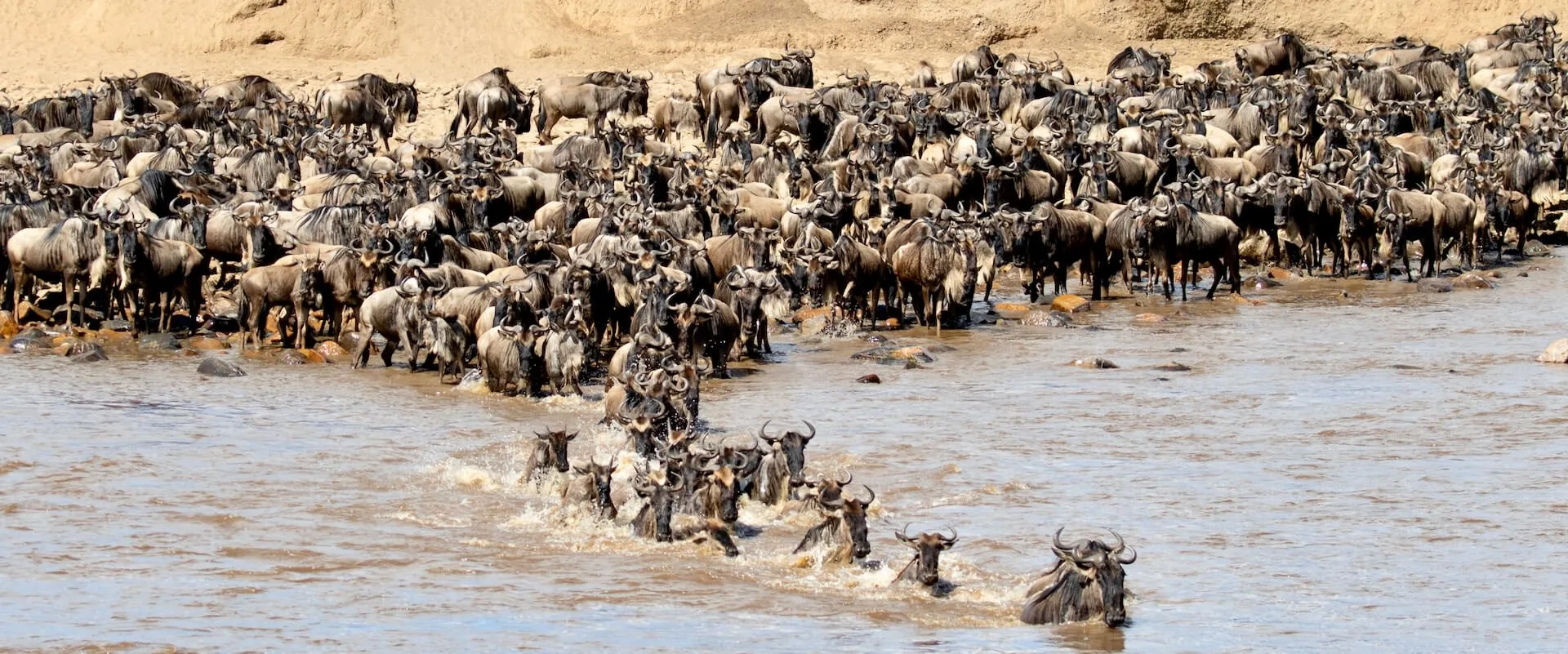
The Great Migration in Africa happens all year because the herds continuously circulate through the Serengeti–Mara ecosystem in…
Read article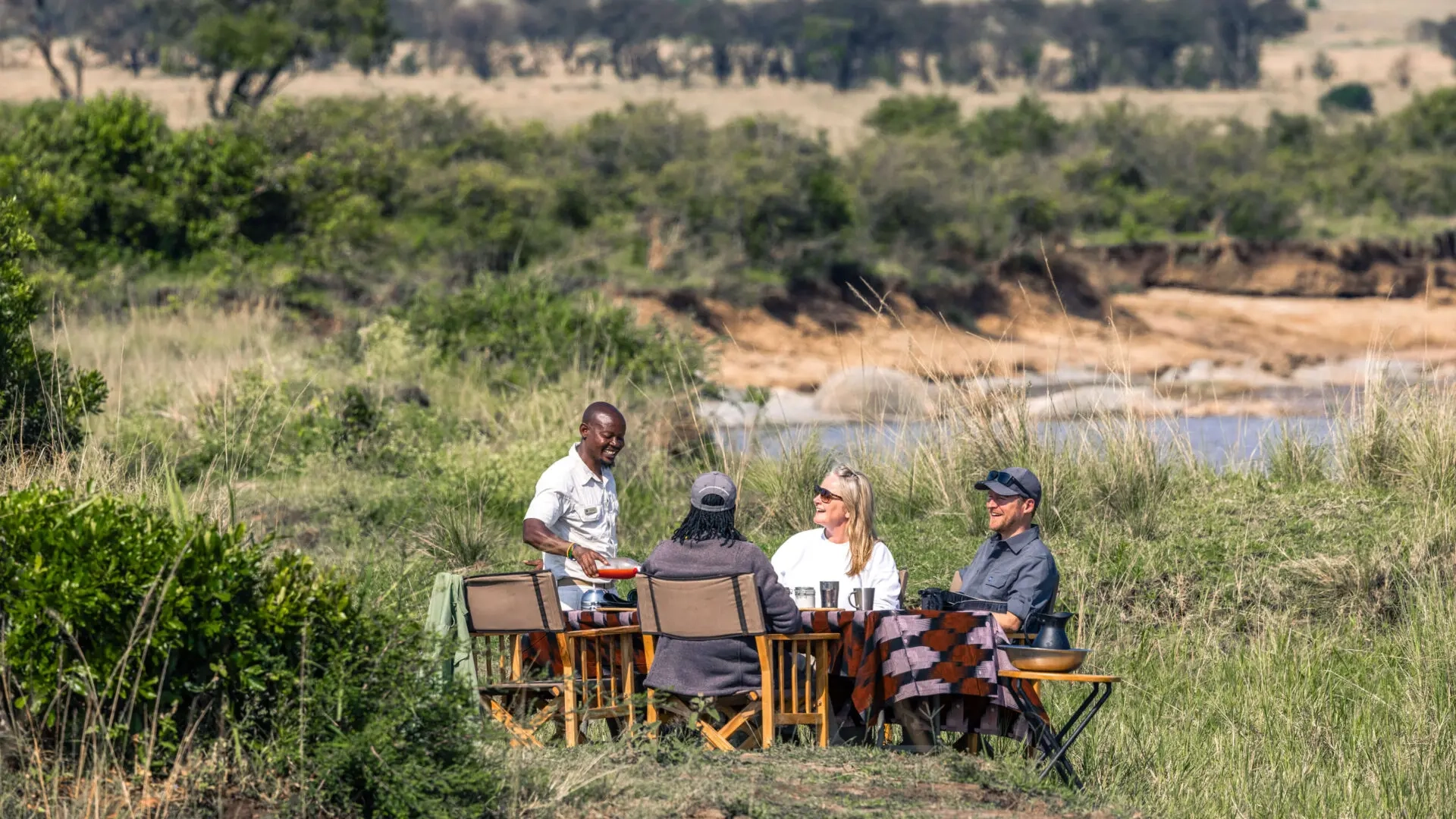
Definitive answer: A picnic lunch on safari is a packed or catered midday meal eaten at an approved…
Read article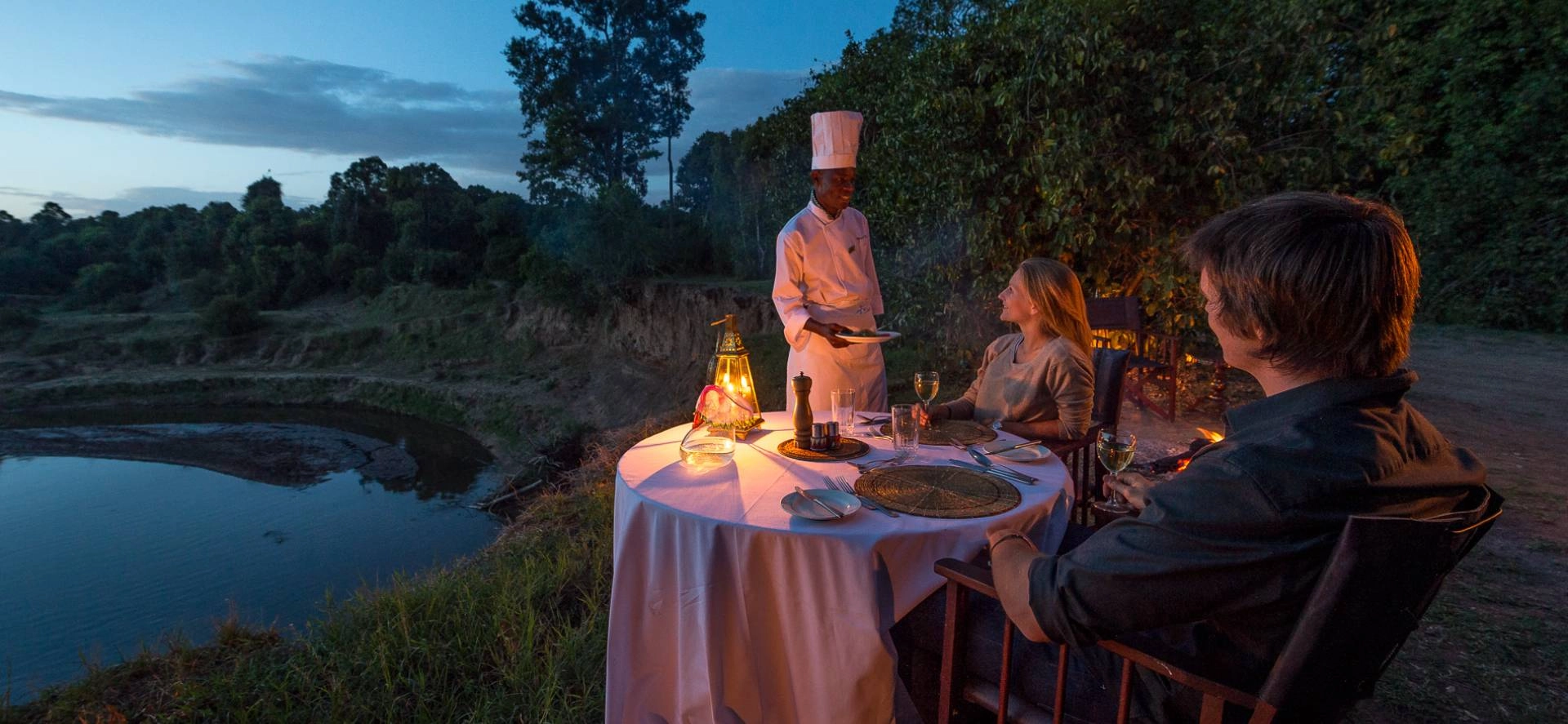
Definitive answer: A bush dinner is an outdoor evening meal arranged in a safe safari setting away from…
Read articleLet us take you closer to the wildlife, people and places that make Africa extraordinary.
Plan Your Safari Today