Forests cannot be protected successfully
Forests cannot be protected successfully without considering neighboring communities.


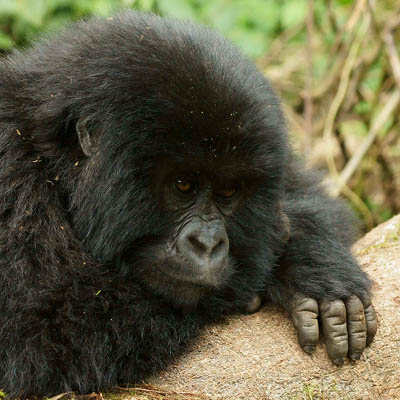
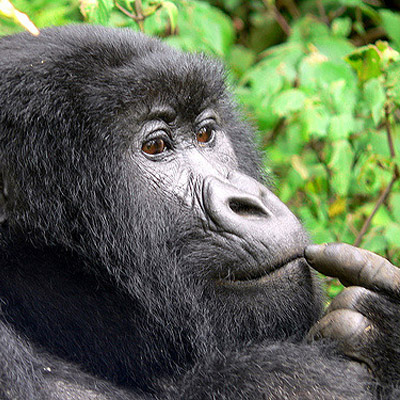
A Gishwati-Mukura National Park cultural safari combines Rwanda's recovering montane forests with opportunities to understand the communities, agricultural landscapes and traditions surrounding one of the country's newest and least crowded protected areas. Located in western Rwanda, Gishwati-Mukura National Park protects important forest ecosystems within a region shaped by hills, farms, tea-growing landscapes and rural settlements.
A Gishwati-Mukura National Park cultural safari combines Rwanda's recovering montane forests with opportunities to understand the communities, agricultural landscapes and traditions surrounding one of the country's newest and least crowded protected areas. Located in western Rwanda, Gishwati-Mukura National Park protects important forest ecosystems within a region shaped by hills, farms, tea-growing landscapes and rural settlements.
For many visitors, the park's attraction lies in forest walks, primates, birds and conservation. However, the people living around the forest are equally important to understanding the destination.
Local livelihoods depend largely on agriculture and other rural economic activities. Conservation therefore takes place within a densely used human landscape rather than an isolated wilderness.
A cultural safari introduces travelers to this relationship.
Depending on the available community program, experiences can involve tea farming, local agriculture, crafts, traditional food, storytelling, community walks and conservation discussions.
Plan Your Cultural Safari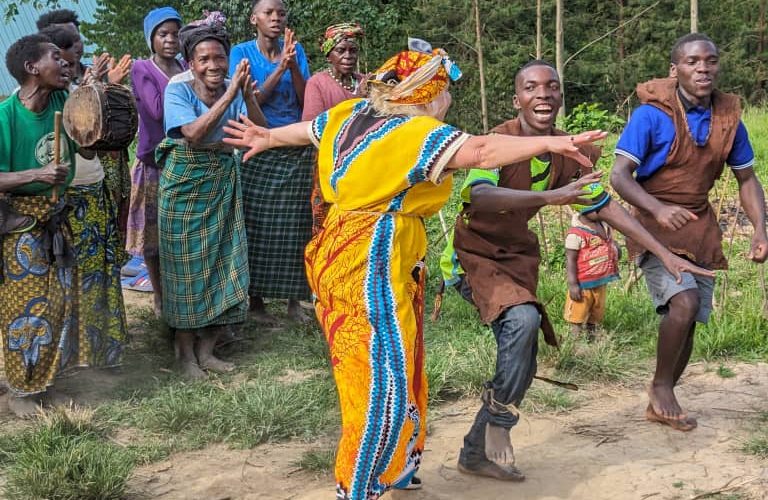
These forests form part of the country's broader montane ecosystem.
The landscape is greener and more mountainous than eastern Rwanda's savannah regions.
Community tourism can provide local residents with direct benefits from conservation.
Guiding, crafts, food experiences and other services create opportunities for tourism income.
A cultural safari in Gishwati-Mukura National Park can include several complementary experiences. Exact programmes vary by community partner — responsible arrangements emphasise genuine interaction.
These forests form part of the country's broader montane ecosystem. The landscape is greener and more mountainous than eastern Rwanda's savannah regions. Travelers exploring the park encounter forest, farmland, tea plantations and communities within relatively short distances.
Community tourism can provide local residents with direct benefits from conservation. Guiding, crafts, food experiences and other services create opportunities for tourism income. When communities see economic value from visitors, conservation may become more relevant to household livelihoods.
Western Rwanda is strongly associated with tea plantations. The cool highland climate and rainfall create suitable conditions for tea cultivation. Travelers approaching Gishwati-Mukura may pass extensive green plantations.

Some tourism programs may allow visitors to observe or participate briefly in tea picking. Travelers quickly discover that picking efficiently requires skill. Workers need to select suitable leaves while moving rapidly through the plantation.

Agriculture dominates much of rural Rwanda. Farms are often cultivated intensively because land is valuable. A community walk may introduce visitors to crops grown around the Gishwati region.

A Rwandan cultural food experience can complement farm visits. Visitors may learn how locally grown ingredients are prepared. Meals provide opportunities to discuss household life, agriculture and hospitality.

Western Rwanda also contains areas suitable for coffee growing. Depending on the wider route and available community programs, a Gishwati-Mukura itinerary may be combined with coffee-related experiences. Travelers can learn how coffee cherries are harvested and processed before beans reach international consumers.
Community members may produce baskets, decorative items or other crafts for local use and tourism. Visitors can watch artisans work and purchase finished pieces. Buying directly from producers provides immediate economic benefits.
Basket weaving is one of Rwanda's most recognizable craft traditions. Different patterns and forms require substantial skill. A community program may demonstrate how fibers are prepared and woven.
Music and dance may form part of organized community experiences. Performances should be understood within cultural context rather than treated simply as entertainment. Ask guides about the meaning of songs, movements or instruments.
Stories provide insight into local history. Residents may describe changes in agriculture, forest access, conservation or community development. These perspectives are important because the history of Gishwati Forest includes periods of environmental pressure and restoration.
Gishwati-Mukura is particularly interesting for travelers concerned with conservation because its forests have experienced significant pressure and subsequent protection efforts. A guide can explain how restoration and national park management seek to protect biodiversity. Visitors may learn about reforestation, habitat connectivity and community participation.
Cultural experiences are easiest to enjoy when they are woven into the wider itinerary rather than treated as an afterthought.
The park can fit naturally into a western Rwanda itinerary involving Lake Kivu. Travelers can combine forest and community activities with lakeside relaxation.
Best for: Combined itineraries
Travelers can also combine Gishwati-Mukura with Volcanoes National Park. The latter is famous for gorilla trekking and golden monkey experiences.
Best for: Combined itineraries
Forest enthusiasts can combine Gishwati-Mukura with Nyungwe National Park. Nyungwe offers extensive rainforest, chimpanzee trekking and numerous hiking opportunities.
Best for: Combined itineraries
Families with older children can find Gishwati-Mukura highly educational.
Forest conservation, farming and crafts provide hands-on learning opportunities.
Community visits can help children understand where food and products come from.
Ask your safari planner for family-friendly community visits with clear photography and gift guidelines.
Plan a Family Cultural Safari
Gishwati-Mukura can be visited during different periods of the year.
Weather influences walking conditions.
Rwanda's highlands can receive rainfall, so waterproof clothing and suitable footwear are advisable.
Two nights can provide an introduction, while longer stays allow more relaxed forest and cultural activities.
Because Gishwati-Mukura is less visited than some of Rwanda's major parks, travelers may appreciate the quieter atmosphere.
A longer stay also creates more opportunities to support local guides and enterprises.
Adventure in the Wild Safaris can match you with community partners where fees and craft purchases support residents directly.
Browse Rwanda Safaris
Western Rwanda is exceptionally photogenic.
Wear comfortable hiking clothing and sturdy shoes.
For community activities, modest clothing is recommended.
Most cultural visits around Gishwati-Mukura National Park are arranged from nearby lodges, camps or town bases.
Tell us your preferred depth of cultural engagement when you enquire.
Choose a base near Gishwati-Mukura National Park that works with neighbouring communities when culture is a priority.
Combine Gishwati-Mukura National Park with other destinations in Rwanda for a richer cultural and wildlife itinerary.
Pair your cultural safari with wildlife, photography, birding or walking experiences in the same area.
 Bird Watching
A Gishwati-Mukura National Park birding safari takes you into one of Rwanda's most interesting recovering montane forest ecosystems.…
Learn More
Cultural Experiences
A cultural safari in Kigali is one of the best ways to understand modern Rwanda before or after…
Learn More
Cultural Experiences
A cultural safari in Volcanoes National Park gives travelers an opportunity to discover the human stories surrounding Rwanda's…
Learn More
Cultural Experiences
An Akagera National Park cultural safari combines Rwanda's premier savannah wildlife experience with opportunities to understand the communities,…
Learn More
Cultural Experiences
A cultural safari in Nyungwe National Park adds an important human dimension to one of Rwanda's most celebrated…
Learn More
Cultural Experiences
A cultural safari in Lake Kivu is one of the most rewarding ways to experience Rwanda beyond its…
Learn MoreActivities may include guided community visits, crafts, food experiences and conversations about heritage. Exact programmes depend on partners.
A simple visit often lasts one to two hours; immersive experiences can take half a day or longer.
Always ask first. Permission is especially important for close portraits and photographs of children.
Ready for a Richer Journey?
Tell us your dates, travel style and how deeply you want to engage with communities around Gishwati-Mukura National Park — Adventure in the Wild Safaris will build cultural experiences into one seamless trip.