Karongi provides a distinctive cultural
Karongi provides a distinctive cultural environment because Lake Kivu influences almost every aspect of life around the town.


A cultural safari in Karongi introduces travelers to the people, traditions and lakeside lifestyles of western Rwanda while surrounded by some of the country's most attractive scenery. Situated on the shores of Lake Kivu, Karongi—historically known as Kibuye—is characterized by green hills descending toward the lake, islands scattered across the water, fishing communities and agricultural landscapes.
A cultural safari in Karongi introduces travelers to the people, traditions and lakeside lifestyles of western Rwanda while surrounded by some of the country's most attractive scenery. Situated on the shores of Lake Kivu, Karongi—historically known as Kibuye—is characterized by green hills descending toward the lake, islands scattered across the water, fishing communities and agricultural landscapes.
Although many travelers initially visit Karongi for relaxation beside Lake Kivu, the destination offers much more than scenic views. Exploring its communities can reveal how families have adapted their livelihoods to the lake and surrounding hills. Fishing, farming, livestock keeping, crafts, local markets, food preparation and small-scale trade all contribute to the cultural character of the region.
Karongi can be incorporated into longer Rwanda itineraries linking Kigali, Nyungwe National Park, the Congo Nile Trail, Rubavu and Volcanoes National Park. It is particularly appealing to travelers who want a slower, more personal cultural experience alongside Rwanda's better-known wildlife activities.
Plan Your Cultural Safari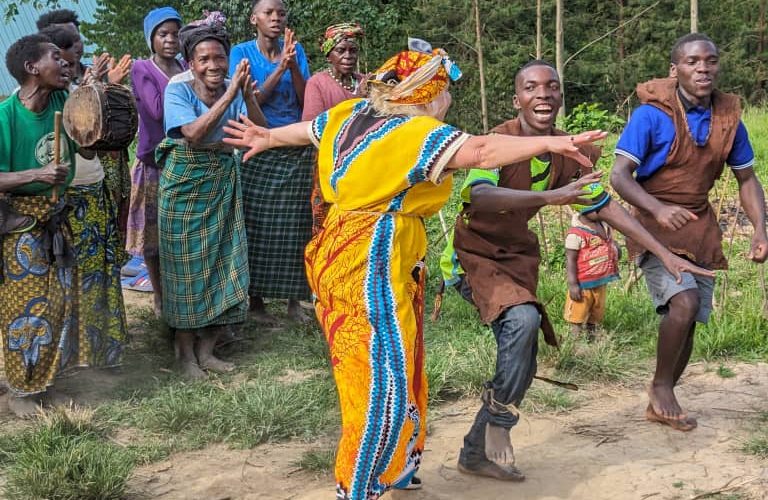
A community walk is one of the best ways to experience everyday life during a Karongi cultural safari.
Walks may pass through small settlements, farms and hillside paths where visitors can observe agricultural activities and interact with residents.
Karongi's markets provide another opportunity to experience local life.
Markets bring together farmers, traders and consumers from surrounding communities. Visitors can see fruits, vegetables, grains, household products, clothing and other everyday goods.
A cultural safari in Karongi can include several complementary experiences. Exact programmes vary by community partner — responsible arrangements emphasise genuine interaction.
Lake Kivu forms the geographical and cultural heart of Karongi. For generations, lakeside communities have developed livelihoods connected to fishing, farming and trade. Small boats move across the water while agricultural plots extend across the hillsides. A guided cultural experience can explain how the lake influences food, employment and transportation. Visitors can learn about fishing techniques and the importance of particular species to local diets and commerce.
Fishing is one of the most recognizable cultural activities around Lake Kivu. Depending on local arrangements and conditions, travelers may observe fishermen preparing boats, repairing nets or discussing their fishing methods. Night fishing is particularly associated with Lake Kivu. From the shoreline, travelers may sometimes see lights from fishing boats spread across the dark water.
A community walk is one of the best ways to experience everyday life during a Karongi cultural safari. Walks may pass through small settlements, farms and hillside paths where visitors can observe agricultural activities and interact with residents. Local guides provide essential context. They can explain crops, household practices, community organization and how life around Lake Kivu has changed over time.

Agriculture is central to life across Rwanda, including the hills surrounding Karongi. Depending on the area and season, visitors may encounter bananas, beans, cassava, maize, vegetables and other crops. A farm visit can demonstrate how families use relatively small plots efficiently in Rwanda's densely settled landscape.

Western Rwanda is associated with high-quality coffee production, making coffee-related experiences a valuable addition to cultural itineraries. Depending on the selected community and season, visitors may learn about coffee cultivation and processing. A coffee experience can follow the journey from the plant to the final drink. Guides may explain harvesting, sorting, washing, drying and roasting.

Karongi's markets provide another opportunity to experience local life. Markets bring together farmers, traders and consumers from surrounding communities. Visitors can see fruits, vegetables, grains, household products, clothing and other everyday goods. A guided market walk allows travelers to learn the names and uses of unfamiliar products while avoiding misunderstandings.

Food is an important component of cultural tourism. A traditional meal around Karongi may include beans, vegetables, bananas, potatoes, cassava, maize-based dishes and fish from Lake Kivu. Community-based culinary experiences may allow visitors to watch or participate in food preparation.
Handmade crafts can form part of a Karongi cultural experience. Rwandan artisans are known for basketry, weaving and decorative products. Visitors may have opportunities to watch craftspeople working and purchase products directly. Buying from local cooperatives can help ensure that tourism spending reaches the people producing the crafts.
A Lake Kivu boat trip can be combined with cultural exploration. The lake contains numerous islands, and boat excursions offer a different perspective on the surrounding hills. Depending on the itinerary, a boat trip may include visits to local communities or areas where guides explain fishing and lakeside livelihoods.
Karongi also forms part of Rwanda's wider historical landscape. Travelers interested in history can incorporate relevant memorial and heritage locations into their journey while allowing adequate time and sensitivity for reflection. Such visits differ significantly from recreational tourism and should be approached respectfully.
Cultural experiences are easiest to enjoy when they are woven into the wider itinerary rather than treated as an afterthought.
Karongi is an important destination along the Congo Nile Trail, one of Rwanda's best-known routes for hiking and cycling. The trail follows sections of the Lake Kivu shoreline and surrounding highlands, passing through communities and agricultural areas.
Best for: Combined itineraries
Karongi works particularly well with Nyungwe National Park. Nyungwe provides rainforest experiences such as chimpanzee trekking, birdwatching and forest walks, while Karongi adds lakeside scenery and cultural encounters.
Best for: Combined itineraries
A longer Rwanda itinerary can continue north from Karongi toward Rubavu and eventually Volcanoes National Park. This allows travelers to combine Lake Kivu cultural experiences with mountain gorilla trekking and golden monkey tracking.
Best for: Combined itineraries
A cultural experience in Karongi can be highly rewarding for families when children are prepared to be respectful guests.
Interactive crafts, markets and guided walks often become some of the most memorable moments of a family safari.
Ask your safari planner for family-friendly community visits with clear photography and gift guidelines.
Plan a Family Cultural Safari
Karongi can be visited throughout the year.
Drier periods are often preferred for walking, cycling and extended outdoor community experiences because trails can be easier to navigate.
Rainy periods, however, create intensely green landscapes and can be very attractive for photography.
At least one full day is recommended, although two or three nights provide a better balance between cultural activities and relaxation.
A two-night stay might include a community walk and market visit on one day followed by a boat excursion, coffee experience or Congo Nile Trail activity on another.
Travelers continuing between Nyungwe and Rubavu may use Karongi as an attractive intermediate stop.
Adventure in the Wild Safaris can match you with community partners where fees and craft purchases support residents directly.
Browse Rwanda Safaris
Responsible tourism is especially important when visiting working communities.
Comfortable, modest clothing is appropriate for cultural visits.
Most cultural visits around Karongi are arranged from nearby lodges, camps or town bases.
Tell us your preferred depth of cultural engagement when you enquire.
Choose a base near Karongi that works with neighbouring communities when culture is a priority.
Combine Karongi with other destinations in Rwanda for a richer cultural and wildlife itinerary.
Pair your cultural safari with wildlife, photography, birding or walking experiences in the same area.
 Bird Watching
A Karongi birding safari combines the peaceful shores of Lake Kivu with the green hills, gardens, wetlands and…
Learn More
Cultural Experiences
A cultural safari in Kigali is one of the best ways to understand modern Rwanda before or after…
Learn More
Cultural Experiences
A cultural safari in Volcanoes National Park gives travelers an opportunity to discover the human stories surrounding Rwanda's…
Learn More
Cultural Experiences
An Akagera National Park cultural safari combines Rwanda's premier savannah wildlife experience with opportunities to understand the communities,…
Learn More
Cultural Experiences
A cultural safari in Nyungwe National Park adds an important human dimension to one of Rwanda's most celebrated…
Learn More
Cultural Experiences
A cultural safari in Lake Kivu is one of the most rewarding ways to experience Rwanda beyond its…
Learn MoreKarongi is the current administrative name commonly associated with the lakeside destination historically known as Kibuye. Travelers may encounter both names when researching Lake Kivu.
Yes. Karongi offers beautiful Lake Kivu scenery and provides an excellent setting for cultural, community and outdoor experiences.
Yes. Karongi and Nyungwe combine very well in western Rwanda itineraries.
Experiences can include community walks, fishing-related visits, markets, crafts, agriculture, coffee, traditional food and guided exploration of Lake Kivu communities.
Two nights are ideal for many travelers, although one night can work within a faster itinerary and three nights allow more time for cultural activities and relaxation.
Ready for a Richer Journey?
Tell us your dates, travel style and how deeply you want to engage with communities around Karongi — Adventure in the Wild Safaris will build cultural experiences into one seamless trip.