Rubavu's location makes it unusual
Rubavu's location makes it unusual. The town sits beside one of Africa's most beautiful large lakes while lying relatively close to the volcanic highlands of northern Rwanda.


A cultural safari in Rubavu introduces travelers to the fascinating communities, fishing traditions, markets, agricultural landscapes and contemporary lifestyles found along the northern shores of Lake Kivu in Rwanda. Formerly widely known as Gisenyi, Rubavu is one of Rwanda's most popular lakeside destinations and a convenient extension after gorilla trekking in Volcanoes National Park.
A cultural safari in Rubavu introduces travelers to the fascinating communities, fishing traditions, markets, agricultural landscapes and contemporary lifestyles found along the northern shores of Lake Kivu in Rwanda. Formerly widely known as Gisenyi, Rubavu is one of Rwanda's most popular lakeside destinations and a convenient extension after gorilla trekking in Volcanoes National Park.
Many visitors travel to Rubavu primarily to relax beside Lake Kivu. The calm shoreline, attractive views and comfortable hotels make the destination ideal for resting after physically demanding mountain gorilla trekking. However, travelers who explore beyond their accommodation discover a culturally rich region shaped by fishing, agriculture, cross-border trade and the interaction between urban and rural communities.
A Rubavu cultural safari can include guided markets, fishing experiences, community walks, traditional food, coffee-related activities, artisan workshops and excursions through the surrounding countryside.
The destination is particularly useful for travelers wanting to combine Rwanda culture, Lake Kivu, Volcanoes National Park and the Congo Nile Trail within one itinerary.
Plan Your Cultural Safari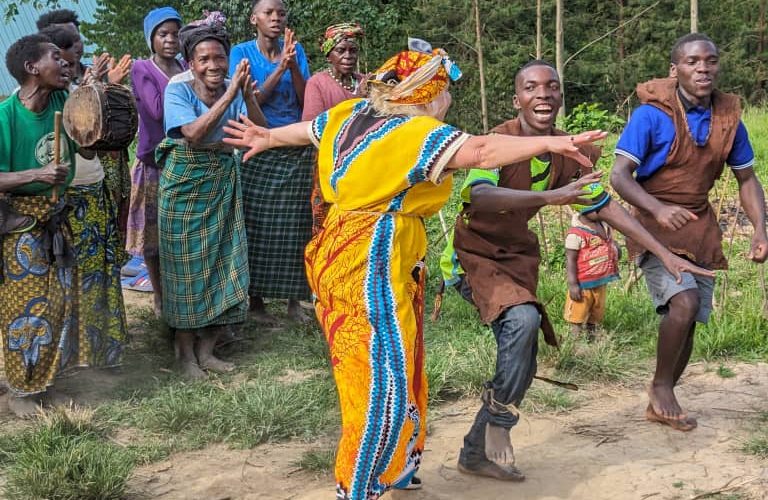
A community walk in Rubavu provides an opportunity to experience neighborhoods and rural settlements more slowly.
Depending on the route, walks may pass homes, small shops, agricultural plots and lakeside areas.
Local markets provide a lively introduction to the town's economy.
A Rubavu market tour may reveal fresh produce arriving from nearby farms, fish from Lake Kivu, clothing, household products and foods prepared for immediate consumption.
A cultural safari in Rubavu can include several complementary experiences. Exact programmes vary by community partner — responsible arrangements emphasise genuine interaction.
Fishing provides food and income, boats transport people and goods, and lakeside recreation supports tourism businesses. For visitors, understanding Lake Kivu means looking beyond its scenery. A local guide can explain how communities use the lake and how fishing traditions have evolved.
Fishing is one of Rubavu's most distinctive cultural traditions. Teams of fishermen often leave shore later in the day to work on Lake Kivu. Traditional fishing methods require cooperation between crews.
One of the most memorable scenes visible from Rubavu is night fishing on Lake Kivu. After darkness falls, lights from fishing boats can appear across the water. These distant points of light create a striking atmosphere when viewed from the shoreline or lakeside hotels.

A community walk in Rubavu provides an opportunity to experience neighborhoods and rural settlements more slowly. Depending on the route, walks may pass homes, small shops, agricultural plots and lakeside areas. A local guide can explain community organization and introduce visitors to residents involved in different livelihoods.

Local markets provide a lively introduction to the town's economy. A Rubavu market tour may reveal fresh produce arriving from nearby farms, fish from Lake Kivu, clothing, household products and foods prepared for immediate consumption. Markets demonstrate how urban and rural economies connect.

A traditional food tour in Rubavu can include both markets and restaurants or community kitchens. Common ingredients may include beans, potatoes, bananas, cassava, vegetables and locally sourced fish. Travelers interested in food can learn how these ingredients are transformed into everyday meals.

Because Rubavu sits beside Lake Kivu, fish can form an important part of local food experiences. Visitors may learn how catches move from fishing boats to markets and restaurants. Eating fish after meeting fishermen or exploring a market creates a direct connection between livelihood and cuisine.
Coffee-growing areas can also be found across Rwanda's western highlands. A Rwanda coffee experience can sometimes be incorporated into journeys around Rubavu or elsewhere along Lake Kivu. Visitors may learn how coffee cherries are cultivated, harvested and processed.
The countryside surrounding Rubavu supports a wide range of agricultural activity. Fields may contain potatoes, beans, bananas, vegetables and maize. The region's volcanic soils and relatively high rainfall support productive farming.
Craft groups can provide another cultural dimension. Visitors may find artisans producing Rwandan baskets, textiles, jewelry and decorative objects. Women's cooperatives in Rwanda have played important roles in creating income-generating opportunities through tourism and craft sales.
Artisans use carefully prepared fibers to create geometric patterns and tightly woven forms. Visitors trying the technique themselves usually realize immediately how difficult it is to maintain consistent tension and alignment. This makes artisan demonstrations valuable because they help travelers understand why handmade crafts should be valued fairly.
Traditional and contemporary music may also feature in Rubavu's cultural life. Community celebrations, local venues and cultural initiatives can provide opportunities to experience Rwandan music and dance. Traditional drumming and dance remain important symbols of cultural identity.
Cultural experiences are easiest to enjoy when they are woven into the wider itinerary rather than treated as an afterthought.
One of the most popular combinations is Volcanoes National Park and Rubavu. After gorilla trekking in Rwanda, visitors can continue to Lake Kivu for relaxation.
Best for: Combined itineraries
The activity typically requires less time than some gorilla treks, allowing travelers to continue toward Lake Kivu afterward. This creates a varied day combining primates, volcanic landscapes and lakeside culture.
Best for: Combined itineraries
Musanze focuses on volcanic landscapes, farming and communities near Volcanoes National Park. Rubavu adds fishing culture, lakeside life and more pronounced urban-commercial activity.
Best for: Combined itineraries
Travelers undertaking a longer journey along Lake Kivu can continue south toward Karongi. The journey introduces attractive scenery and rural communities.
Best for: Combined itineraries
A cultural experience in Rubavu can be highly rewarding for families when children are prepared to be respectful guests.
Interactive crafts, markets and guided walks often become some of the most memorable moments of a family safari.
Ask your safari planner for family-friendly community visits with clear photography and gift guidelines.
Plan a Family Cultural Safari
Rubavu can be visited throughout the year.
The relatively drier periods are comfortable for community walks, cycling and outdoor activities.
Rainier periods produce beautifully green landscapes but may make rural paths more difficult.
Two nights provide a comfortable introduction.
One full cultural day can include a community walk, market and fishing experience followed by a boat trip.
Three nights provide additional time for relaxation or cycling.
Travelers continuing south along Lake Kivu may use Rubavu as the starting point for a longer western Rwanda journey.
Adventure in the Wild Safaris can match you with community partners where fees and craft purchases support residents directly.
Browse Rwanda Safaris
A responsible Rubavu cultural safari should create direct benefits for residents.
Casual and comfortable clothing is appropriate.
Modest clothing is recommended when visiting homes, churches or traditional communities.
Most cultural visits around Rubavu are arranged from nearby lodges, camps or town bases.
Tell us your preferred depth of cultural engagement when you enquire.
Choose a base near Rubavu that works with neighbouring communities when culture is a priority.
Combine Rubavu with other destinations in Rwanda for a richer cultural and wildlife itinerary.
Pair your cultural safari with wildlife, photography, birding or walking experiences in the same area.
 Bird Watching
A birding safari in Rubavu offers a relaxed and scenic way to explore the birds of western Rwanda…
Learn More
Cultural Experiences
A cultural safari in Kigali is one of the best ways to understand modern Rwanda before or after…
Learn More
Cultural Experiences
A cultural safari in Volcanoes National Park gives travelers an opportunity to discover the human stories surrounding Rwanda's…
Learn More
Cultural Experiences
An Akagera National Park cultural safari combines Rwanda's premier savannah wildlife experience with opportunities to understand the communities,…
Learn More
Cultural Experiences
A cultural safari in Nyungwe National Park adds an important human dimension to one of Rwanda's most celebrated…
Learn More
Cultural Experiences
A cultural safari in Lake Kivu is one of the most rewarding ways to experience Rwanda beyond its…
Learn MoreRubavu is the name commonly used for the modern district and city area that includes the destination historically known to many travelers as Gisenyi.
Yes. Rubavu is one of the easiest Lake Kivu destinations to combine with gorilla trekking in Volcanoes National Park.
Activities can include fishing-community visits, markets, food, crafts, coffee, village walks and lake excursions.
Two nights are ideal for most travelers. Longer stays allow time for sections of the Congo Nile Trail and deeper community exploration.
Yes. Boat rides, cultural walks, food experiences and crafts can make Rubavu attractive for families.
Yes. Travelers can journey south along Lake Kivu through destinations such as Karongi before reaching Nyungwe National Park.
Ready for a Richer Journey?
Tell us your dates, travel style and how deeply you want to engage with communities around Rubavu — Adventure in the Wild Safaris will build cultural experiences into one seamless trip.