Human Context for the Forest
Walk village paths instead of only viewing farms from a vehicle — living communities rather than purpose-built tourist attractions.


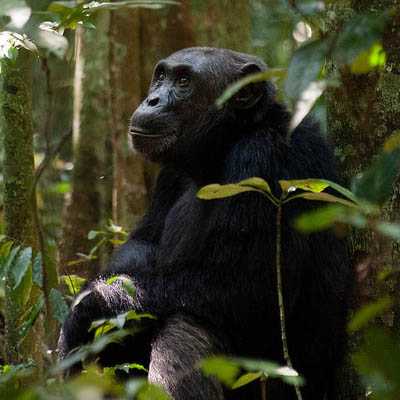
A cultural safari in Kalinzu Forest explores the relationship between southwestern Uganda’s forest landscapes and the communities that live around them — adding human context to chimpanzees, monkeys, birds and nature walks near Queen Elizabeth National Park.
A cultural safari in Kalinzu Forest provides travelers with an opportunity to explore the relationship between southwestern Uganda’s forest landscapes and the communities that live around them. Kalinzu is best known for its tropical forest, chimpanzees, monkeys, birds and nature walks, but the surrounding communities add another important dimension to the destination.
Situated near Queen Elizabeth National Park and the wider Bushenyi area, Kalinzu Forest occupies a strategic position on many southwestern Uganda safari routes. Visitors traveling between wildlife parks, chimpanzee destinations and gorilla trekking areas can incorporate community experiences without making a major detour.
Forests are sometimes presented as isolated wilderness, but protected landscapes such as Kalinzu exist within much larger social and economic environments. Communities cultivate crops, raise livestock, operate businesses and depend on surrounding natural resources in different ways.
A guided community experience introduces the realities of living close to a natural forest — benefits of conservation, challenges communities face and how tourism can create alternative income. This human perspective transforms a conventional nature visit into a more complete exploration of the region.
A cultural safari here can include village walks, agricultural experiences, local food, craft demonstrations, storytelling and opportunities to learn about how people depend on and interact with the surrounding environment — especially when paired with chimpanzee tracking.
Plan Your Cultural Safari
Guided walks through villages surrounding Kalinzu allow visitors to observe everyday life at a comfortable pace. A walk may pass banana plantations, coffee gardens, small farms, schools, trading centers or community enterprises.
Local guides facilitate respectful interaction and explain customs, livelihoods and local history. The exact experience depends on the community and route — part of what makes cultural tourism interesting.
A farm visit can explain how bananas are planted, maintained and harvested for cooking or beverage production. Coffee experiences show harvesting, drying, roasting and preparation — memorable for travelers who drink coffee daily but rarely see it grown.
Food experiences may include observing or participating in preparation of matooke, beans, groundnut sauce, vegetables, cassava and sweet potatoes. View these as cultural exchanges rather than demonstrations performed solely for tourists.
Storytelling by guides and elders may share narratives connected to forests, wildlife, clans or community beliefs. Community tourism helps create economic incentives for conservation beyond entrance fees and accommodation.
Responsible operators ensure fees and craft purchases distribute tourism benefits more widely among neighbouring households.
A Kalinzu cultural safari can include village walks, agriculture, food, crafts, storytelling and conservation discussions paired with forest wildlife.
Walk local paths past farms, schools and trading centres with guides who facilitate respectful conversations.
Learn how different banana varieties serve cooking and beverage needs, alongside coffee, beans, maize and cassava.
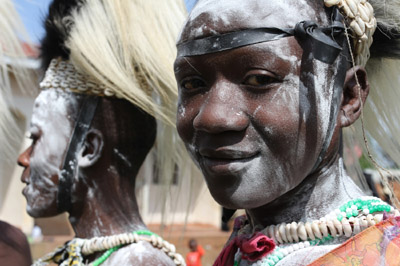
Follow coffee from harvest to cup and discuss market prices and the role of cash crops in rural livelihoods.
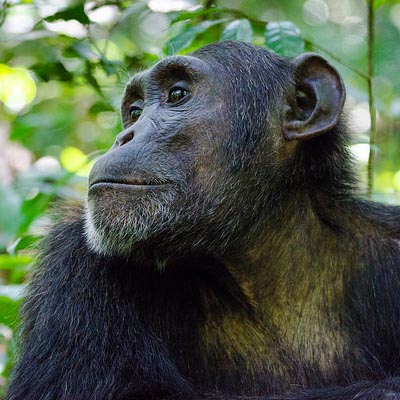
Share traditional meals, meet basket and mat makers, and hear forest-linked oral traditions from guides and elders.
Understand how protecting forests benefits biodiversity and tourism while influencing how neighbours use land and resources.

Combine culture with forest birding; where offered responsibly, learn traditional plant uses without encouraging unsustainable collection.
Kalinzu pairs community experiences with chimpanzee tracking, Queen Elizabeth wildlife and onward gorilla routes.
Track chimpanzees in the morning, then slow down for a village walk, farm visit or shared meal around the forest.
Best for: Primate-focused days
Combine community experiences and forest primates with Kasenyi game drives and a Kazinga Channel boat cruise.
Best for: Wildlife + culture circuits

Travel via Ishasha toward mountain gorilla trekking — wildlife, chimps, culture and gorillas in one southwestern arc.
Best for: Multi-destination safaris
Community experiences around Kalinzu can be suitable for families, especially when combined with shorter nature walks. Children can learn about farming, tropical forests, food production and conservation through direct observation.
Families with younger children who cannot participate in certain primate activities may find cultural experiences particularly useful as alternative programming.
Activities can often be adapted according to age and fitness.
Ask your safari planner for family-friendly community visits with clear photography and gift guidelines.
Plan a Family Cultural Safari
Cultural safaris around Kalinzu can be undertaken throughout the year.
Drier periods may provide easier walking on unpaved village paths; wetter periods make forest and farms especially lush. Always carry lightweight rain protection.
A half day of culture fits easily around chimpanzee tracking. An extra night allows birding, community time and a less rushed Queen Elizabeth connection.
Kalinzu sits strategically between Queen Elizabeth wildlife and Bwindi gorilla routes — culture can be incorporated without a major detour.
Tell your safari planner how deeply you want to engage with farming, food and conservation conversations.
Adventure in the Wild Safaris can match Kalinzu community partners with chimpanzee tracking and Queen Elizabeth wildlife.
Browse Uganda Safaris
Responsible cultural tourism is especially important in rural communities. Approach encounters with genuine curiosity.
Using local guides and community-run activities distributes tourism benefits more widely than park fees alone.
Comfortable walking shoes are essential for village and forest activities. Follow additional chimpanzee-tracking guidance from your operator.
Dress modestly for community visits and expect muddy forest trails when combining with chimpanzee tracking.
Kalinzu sits near Queen Elizabeth National Park on southwestern Uganda safari routes.
Tell us your southwestern circuit when you enquire so we can place Kalinzu culture correctly.
Bases near Kalinzu or Queen Elizabeth both work when community partners are coordinated in advance.
Kalinzu combines with Queen Elizabeth, Bwindi, Kibale and Ishasha for a full southwestern circuit.
Pair Kalinzu culture with chimpanzee tracking and neighbouring park experiences.
Cultural Experiences
A Queen Elizabeth National Park cultural safari introduces the communities, traditions and everyday livelihoods surrounding one of Uganda's…
Learn More
Cultural Experiences
A cultural safari in Kyambura Gorge explores the communities and rural landscapes surrounding one of Queen Elizabeth National…
Learn More
Cultural Experiences
A cultural safari in Kibale National Park discovers the communities, traditions and rural landscapes surrounding Uganda’s most famous…
Learn More
Cultural Experiences
A Bwindi cultural safari takes travelers beyond mountain gorilla trekking to discover the people, traditions and community landscapes…
Learn MoreActivities may include community walks, farm and banana plantation visits, coffee experiences, food, crafts, storytelling and conservation discussions. Exact programmes depend on partners.
Yes. A common pattern is morning forest tracking and afternoon community activity.
It sits near Queen Elizabeth and on routes toward Ishasha and Bwindi — culture can be added without a major detour.
Year-round. Drier periods are easier for walking; expect mud on forest trails in wetter months.
Always ask first. Permission is especially important for people, homes and children.
Use local guides, buy crafts directly, avoid gifts to children, and support recognized community projects.
Yes — farms, food and shorter walks work well, including as alternatives when young children cannot trek primates.
Ready for a Richer Kalinzu Journey?
Tell us your dates and southwestern circuit — Adventure in the Wild Safaris will weave Kalinzu community visits with chimpanzee tracking and Queen Elizabeth wildlife into one seamless trip.