People Beside the Gorge
Walk farms and villages instead of driving only from lodge to park activity — spontaneous interaction on agreed routes.


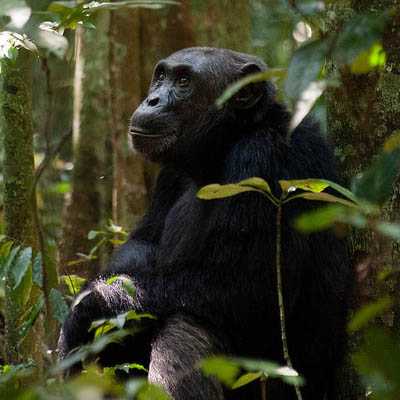
A cultural safari in Kyambura Gorge explores the communities and rural landscapes surrounding one of Queen Elizabeth National Park’s most fascinating features — pairing chimpanzee trekking with farms, coffee, crafts and conservation initiatives.
A cultural safari in Kyambura Gorge provides travelers with an opportunity to explore the communities and rural landscapes surrounding one of the most fascinating natural features of Queen Elizabeth National Park. The gorge is widely known for its forest ecosystem and chimpanzee trekking, but travelers who spend additional time can discover farms, community enterprises, food experiences, traditional crafts and conservation initiatives.
Kyambura lies within the wider western Uganda safari circuit, making it easy to incorporate cultural tourism into a journey that already includes game drives, the Kazinga Channel boat cruise, chimpanzee trekking and wildlife viewing. This combination demonstrates the close relationship between protected landscapes and neighboring communities.
National parks do not exist in isolation. Families farm, operate businesses, raise livestock and participate in tourism around their boundaries. A cultural experience helps travelers understand how conservation decisions and tourism revenues affect everyday life.
From viewpoints above, Kyambura Gorge appears as a deep green line of forest cutting dramatically through open grassland. Inside, dense vegetation and a permanent watercourse create primate and bird habitat. Surrounding communities cultivate coffee, bananas and food crops while participating in conservation initiatives connected with the wider Queen Elizabeth ecosystem.
Rather than treating Kyambura simply as a brief chimpanzee stop, travelers can spend a full day or several nights exploring the region and gain a much richer understanding of western Uganda.
Plan Your Cultural Safari
A guided Kyambura community walk is an excellent way to experience the landscape at a slower pace. Local guides explain crops, cultural practices and household livelihoods; walks may also produce interesting bird sightings across farmland, wetlands and forest edges.
Tours should follow agreed routes and avoid intruding into private spaces without permission.
A Kyambura coffee tour can introduce the complete journey from plant to cup — identifying ripe cherries, processing, drying, roasting or grinding, often ending with freshly prepared coffee.
Farm walks may encounter bananas, maize, beans, cassava, sweet potatoes, coffee and vegetables. Conversations about wildlife pressures often reveal conservation aspects travelers would otherwise overlook.
Cooking experiences with matooke, beans, groundnuts and seasonal vegetables become relaxed cultural exchange. Craft visits and women-led enterprises provide souvenirs bought at the source without aggressive bargaining.
Responsible operators ensure fees for guiding, crafts and coffee experiences give residents a direct financial stake in conservation.
A Kyambura cultural safari can include community walks, coffee, farming, food, crafts and conservation discussions paired with Queen Elizabeth wildlife.
Walk farms, villages and community projects with local guides — slower than lodge-to-park transfers, richer in conversation.
Follow coffee from tree to cup with community initiatives that put tourism income in farming households.
Bananas, maize, beans, cassava and vegetables — plus honest discussion of crop damage near wildlife areas.
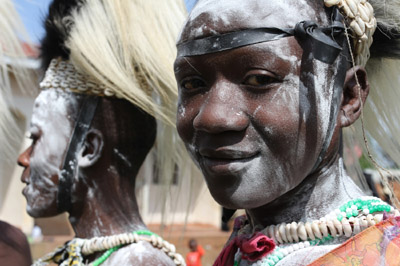
Shared meals, handmade crafts and women’s groups in guiding, hospitality and enterprises beyond safari lodges alone.
How chimpanzee habitat, ecological corridors and tourism income require cooperation with neighbouring households.

Forest, savannah, wetland and farmland birds within a small area — community walks often produce different species than game drives.
Kyambura culture pairs with chimpanzee trekking, Kasenyi game drives, Kazinga Channel cruises and onward routes to Ishasha, Bwindi or Kibale.
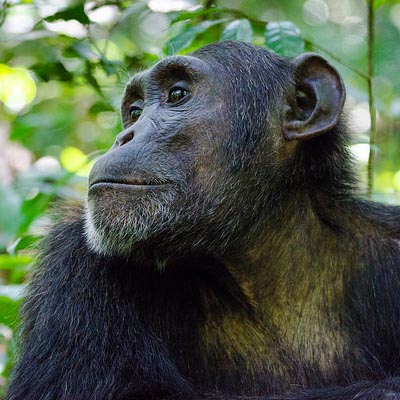
Descend into the gorge for chimpanzee trekking, then meet farmers and coffee growers living beside the conservation landscape.
Best for: Classic Kyambura days
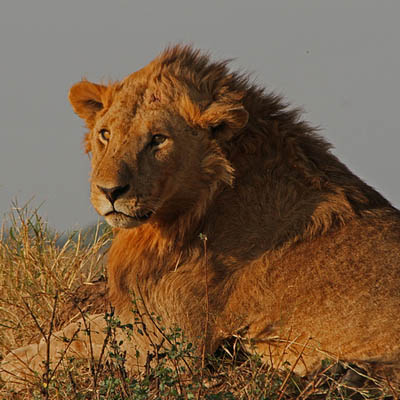
Boat cruise for hippos and elephants, plains game drives for lions and Uganda kob, plus community time for a varied stay.
Best for: 2–3 night QENP stays

Continue south for tree-climbing lions then mountain gorillas — culture along the route keeps the safari from focusing only on animals.
Best for: Primate & wildlife circuits
Community walks, coffee demonstrations and craft activities can provide engaging alternatives when certain primate experiences carry minimum age requirements.
Children can learn how crops grow, how coffee is prepared and how communities interact with wildlife areas — suitable for a broader Uganda family safari.
Programs should be adapted to children’s ages and attention spans.
Ask your safari planner for family-friendly community visits. Check chimpanzee trekking age rules separately.
Plan a Family Cultural Safari
A cultural safari in Kyambura Gorge can be enjoyed throughout the year. The wider Queen Elizabeth region is relatively warm, although rain can occur in any season.
Drier periods generally make community and gorge walking easier; wetter periods make vegetation lush. Forest trails may become slippery — carry suitable footwear regardless of month.
A morning chimpanzee trek plus afternoon culture fits one full day. Several nights allow Kasenyi, Kazinga, birding and unhurried farm visits.
Kyambura combines with Ishasha and Bwindi, with Kibale for additional chimpanzees, or with Lake Bunyonyi after gorilla trekking.
Tell your safari planner whether coffee, farming conversations or crafts are the cultural priority.
Adventure in the Wild Safaris can match community partners with Kyambura chimpanzee permits and Queen Elizabeth wildlife days.
Browse Uganda Safaris
Responsible community tourism requires respect for local privacy and customs. Avoid presenting rural life solely in terms of poverty.
Communities possess knowledge, skills and traditions that deserve to be understood on their own terms.
For community walks, lightweight comfortable clothing and closed shoes are recommended. For chimpanzee trekking, wear long trousers and sturdy walking shoes.
Expect elevation changes and possibly slippery forest trails inside the gorge.
Kyambura sits within easy reach of Queen Elizabeth National Park wildlife areas on classic western Uganda routes.
Tell us your western Uganda sequence when you enquire.
Lodges near Kyambura and wider Queen Elizabeth bases both work when community partners are booked in advance.
Kyambura combines with Ishasha, Bwindi, Kibale, Lake Bunyonyi and the wider Queen Elizabeth circuit.
Pair Kyambura culture with Queen Elizabeth and primate experiences.
Cultural Experiences
A Queen Elizabeth National Park cultural safari introduces the communities, traditions and everyday livelihoods surrounding one of Uganda's…
Learn More
Cultural Experiences
A cultural safari in Kibale National Park discovers the communities, traditions and rural landscapes surrounding Uganda’s most famous…
Learn More
Cultural Experiences
A cultural safari in Kalinzu Forest explores the relationship between southwestern Uganda’s forest landscapes and the communities that…
Learn More
Cultural Experiences
A Bwindi cultural safari takes travelers beyond mountain gorilla trekking to discover the people, traditions and community landscapes…
Learn MoreActivities may include community walks, coffee tours, farm visits, cooking, crafts and conservation discussions. Exact programmes depend on partners.
Yes. A common pattern is a morning gorge trek and afternoon community experience, or culture on a separate day.
Easily paired with Kasenyi game drives and the Kazinga Channel boat cruise for a varied two- or three-day stay.
Year-round. Drier periods are easier for walking; gorge trails can be slippery after rain.
Always ask before portraits or photographing homes. Speak with residents before lifting a camera.
Use local guides, buy crafts and coffee experiences locally, avoid gifts to children, and support organised community projects.
Yes — walks, coffee and crafts often work as alternatives when young children cannot trek chimpanzees.
Ready for a Richer Kyambura Journey?
Tell us your dates and whether you want coffee, village walks or chimpanzees-plus-culture — Adventure in the Wild Safaris will weave Kyambura community experiences into your western Uganda trip.