Distinct from Western Uganda
Semi-arid pastoral landscapes and Karamojong culture feel markedly different from conventional southwestern safari circuits.


A cultural safari in Kidepo Valley National Park offers one of the most distinctive cultural experiences on a Uganda safari — combining remote northeastern wilderness with sensitively organised encounters among Karamojong pastoral communities.
A cultural safari in Kidepo Valley National Park offers one of the most distinctive cultural experiences available on a Uganda safari. Located in Uganda’s remote northeastern corner, close to the borders with South Sudan and Kenya, Kidepo is famous for dramatic wilderness, open savannah, rugged mountains and exceptional wildlife — yet the communities living around this protected area are equally important to understanding the region.
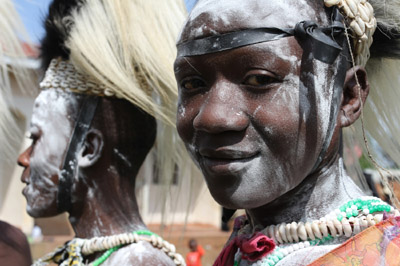
The area surrounding Kidepo is strongly associated with the Karamojong people, pastoral communities whose traditions, livestock, homesteads, clothing, dances and social structures have developed over generations in the semi-arid landscapes of northeastern Uganda. Combining Kidepo wildlife safaris with a sensitively organized community experience reveals ways of life that differ considerably from greener agricultural regions of central and western Uganda.
Rainfall is lower and less predictable than in much of Uganda. Communities historically adapted through livestock keeping, seasonal movement and strong social networks. Cattle have traditionally occupied an important economic and cultural role — food, wealth, social status and connections between families — even as many households now combine livestock with agriculture, trade, education and other employment.
The Karamojong are part of a wider cluster of culturally related peoples across northeastern Uganda and neighboring Kenya and South Sudan. A responsible Kidepo cultural safari explains both traditional practices and contemporary changes — representing communities as living societies rather than frozen images of the past.
A cultural visit should not be approached as a staged spectacle. The most rewarding experiences are built around respectful interaction, interpretation and opportunities to learn directly from local residents.
Plan Your Cultural Safari
One of the central experiences is visiting a traditional Karamojong manyatta, or homestead. Compounds may be surrounded by fencing traditionally designed to protect people and livestock; houses use locally available materials adapted to the climate.
A local host or community guide explains the layout and purposes of different spaces. The value lies in interpretation and conversation — rather than simply walking around taking photographs, spend time listening and asking respectful questions.
Understanding livestock is essential. Cattle have historically been associated with food, social relationships, marriage arrangements, wealth and identity. Guides may explain how management has changed with population growth, land use, education, conservation and modern economic pressures.
Music and dance are among the most energetic elements — rhythmic singing, clapping and distinctive jumping movements connected with celebration, courtship, livestock and community events. Join only when invited, respectfully.
Elders and guides may share storytelling connected with migration, livestock, landscapes and neighboring communities. Craft demonstrations — especially women’s beadwork and basketry — create clear channels for tourism spending to reach families in a remote destination.
Responsible operators ensure communities are hosts and partners, not exhibits, and that photography and gifts follow clear guidelines.
A Kidepo cultural safari can include manyatta visits, cattle culture, beadwork, dance, storytelling and crafts — always with respectful interpretation.
Pastoral identity, age groups and traditional leadership explained alongside contemporary education, tourism, business and agriculture.

Family compounds, livestock spaces and building techniques — conversation and listening over hurried photography.
Water sources, grazing, animal recognition and how pastoralism adapts to modern pressures — nuance beyond documentaries.

Traditional and contemporary adornment explained in context; buy locally made beadwork and basketry directly from artisans.
Energetic performances with explanation; oral histories of migration, livestock and landscape that deepen the visit.
Livestock products, grains and cultivated foods explained in cultural context — sharing a meal where arranged in advance.
Culture pairs with Narus Valley game drives, birding and wilderness landscapes that feel less crowded than many East African parks.
Morning or late-afternoon Narus drives for elephants, buffaloes, giraffes, zebras and predators, then a respectful manyatta experience.
Best for: Classic Kidepo stays
Dry savannah species hard to find elsewhere in Uganda, combined with community knowledge of seasonal patterns.
Best for: Birders & multi-interest travellers
Optional Kidepo Valley and Kanangorok Hot Springs landscapes emphasise isolation and cross-border human geography.
Best for: Longer wilderness stays
Thoughtfully arranged manyatta visits, craft demonstrations and dance can be educational for families when parents prepare children to be respectful guests.
Photographers should prioritise conversation and permission; some arrange dedicated cultural sessions through community organisations so expectations and compensation are clear.
Ask for family-friendly partners and clear guidelines on gifts and photography.
Because communities are sometimes portrayed through simplified “traditional Africa” images, responsible tourism is especially important.
Plan a Family Cultural Safari
A cultural safari in Kidepo can be undertaken throughout the year. Community activities are not limited to a particular wildlife season, although road conditions can influence travel times.
Drier conditions often provide excellent wildlife viewing as animals concentrate around water; rainier months green the valleys for landscape photography.
Several nights are preferable — Kidepo’s remoteness rewards unhurried wildlife, birding and culture rather than a rushed visit.
Road journeys from Kampala/Entebbe are long; many itineraries include northern Uganda stops or use fly-in safaris to reduce travel time.
Combine with Murchison Falls for a northern circuit, or with enough time add Bwindi gorillas and western primates for one of Uganda’s most diverse itineraries.
Tell your safari planner how deeply you want Karamojong engagement versus wilderness wildlife focus.
Adventure in the Wild Safaris can arrange responsible community partners where fees and craft purchases support residents beyond park boundaries.
Browse Uganda Safaris
Residents are hosts and partners in tourism, not exhibits. The strongest responsible experiences are those in which communities retain control over how their culture is presented.
A respectful conversation before taking a photograph often produces a more meaningful image than shooting from a distance without interaction.
Lightweight, breathable clothing suits warmer Kidepo conditions. Carry a light jacket for cool early-morning game drives.
Dress modestly for community visits and follow your guide’s advice on photography etiquette.
Kidepo is one of Uganda’s most remote national parks. Remoteness is part of its appeal — extensive landscapes and relatively low tourism density.
Tell us whether you prefer road adventure or fly-in access when you enquire.
Lodges and camps inside or near the park arrange community visits with neighbouring partners.
Kidepo pairs with Murchison Falls for northern wilderness, or with enough time opens a diverse circuit toward western primates and gorillas.
Pair Karamojong culture with wildlife and other Uganda cultural experiences.
Cultural Experiences
A Murchison Falls cultural safari adds an important human dimension to a journey through Uganda's largest national park…
Learn More
Cultural Experiences
A cultural safari in Kampala is one of the best ways to understand Uganda beyond its national parks…
Learn More
Cultural Experiences
A Bwindi cultural safari takes travelers beyond mountain gorilla trekking to discover the people, traditions and community landscapes…
Learn More
Cultural Experiences
A cultural safari in Kibale National Park discovers the communities, traditions and rural landscapes surrounding Uganda’s most famous…
Learn MoreActivities may include a manyatta visit, cattle-culture discussions, craft demonstrations, dance and storytelling, and conversations about contemporary Karamojong life. Exact programmes depend on community partners.
Yes. Narus Valley wildlife and a community visit provide a complete northeastern Uganda understanding.
By long road journey (often via northern Uganda) or fly-in safari to reduce travel time.
Year-round for culture. Drier periods often concentrate wildlife around water; confirm road conditions in wetter months.
Always ask first. Permission is essential for portraits, children and private family activities.
Treat residents as hosts, avoid gifts to children, pay activity fees, buy crafts directly, and choose partners who control how culture is presented.
Several nights are preferable for wildlife, birding and culture without rushing this remote park.
Ready for Remote Kidepo Culture?
Tell us your dates, fly-in or road preference, and how deeply you want to engage with Karamojong communities — Adventure in the Wild Safaris will weave manyatta visits with Narus Valley wildlife into one seamless journey.

