
Botswana Travel Blog
Botswana is a location where nature’s grandeur manifests in a harmonious blend of water and wildlife. We encourage you to discover the unspoiled wildness of one of Africa’s most renowned environments, where the winding waterways and verdant floodplains form a sanctuary for both adventure and opulent safaris. Whether you aspire to experience traditional mokoro rides or intimate interactions with elusive predators, our handpicked narratives and insights provide comprehensive information on Botswana and the Okavango Delta.
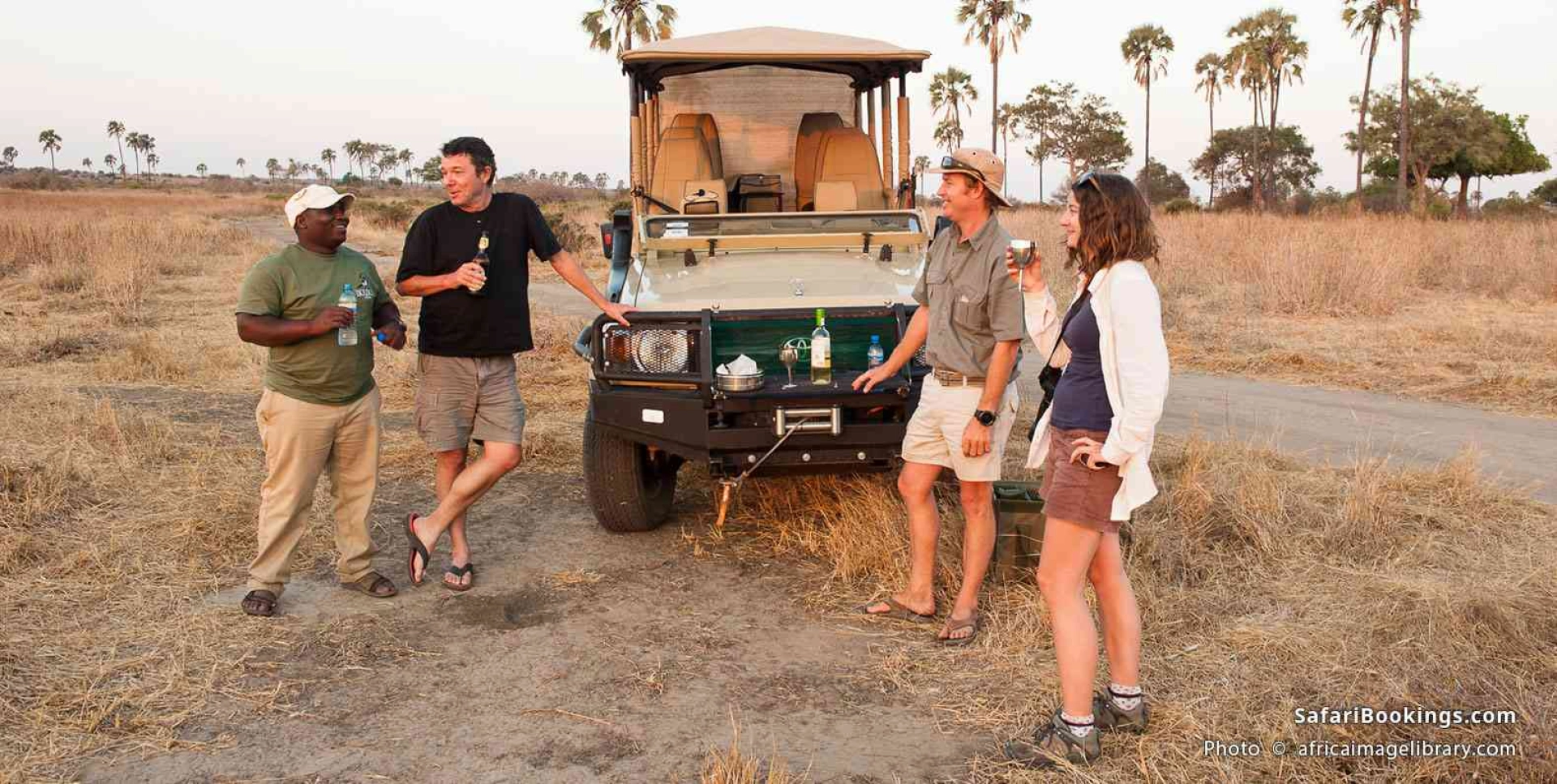
Tipping in Zambia: Complete Safari, Walking Safari & Travel Tipping Guide
Understanding tipping in Zambia is particularly useful for safari travellers because Zambia is famous for highly personalised wilderness…
Read article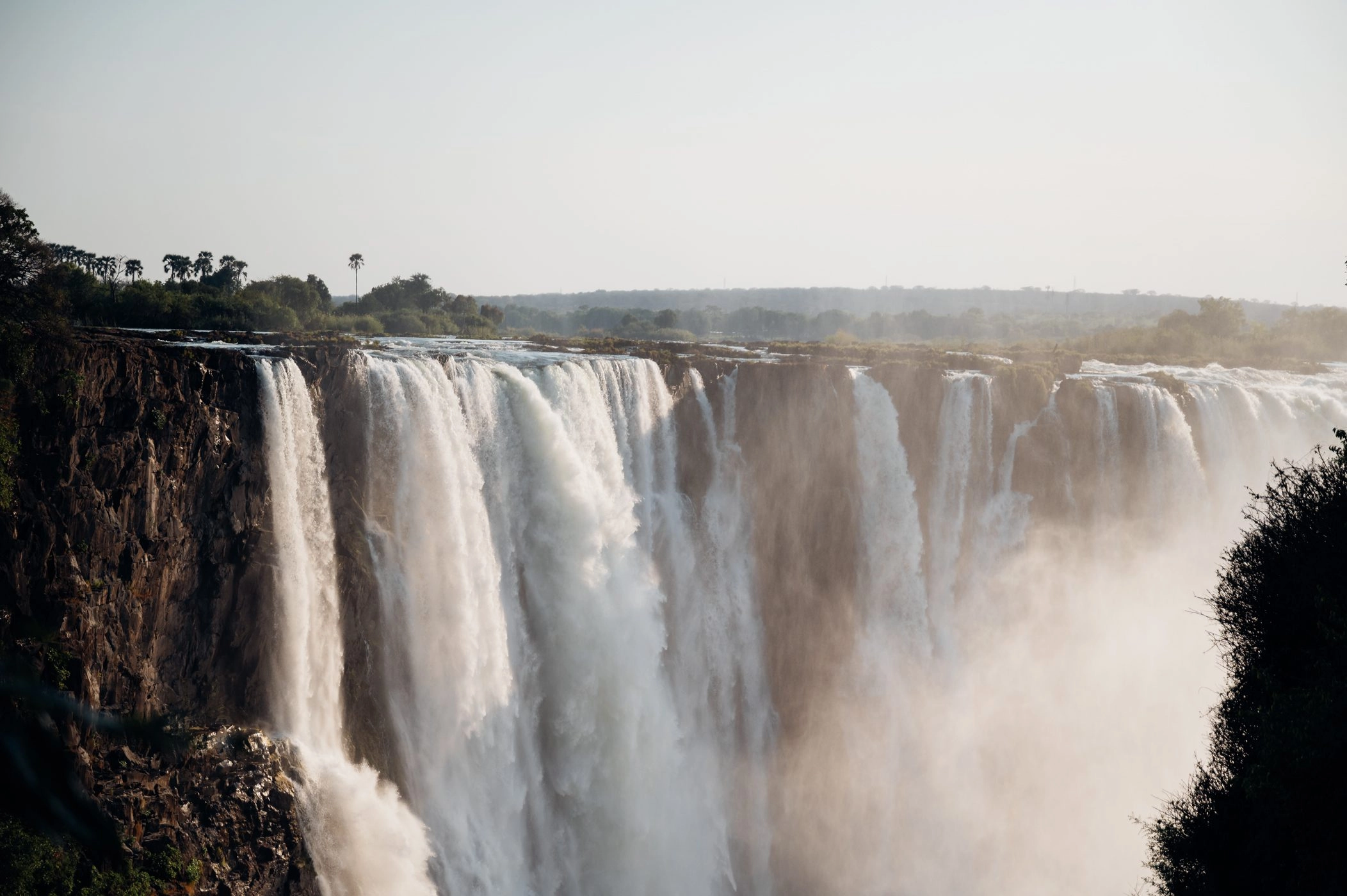
Tipping in Zimbabwe: Complete Safari, Victoria Falls & Travel Tipping Guide
Understanding tipping in Zimbabwe is particularly important for safari travellers because the country has one of southern Africa's…
Read article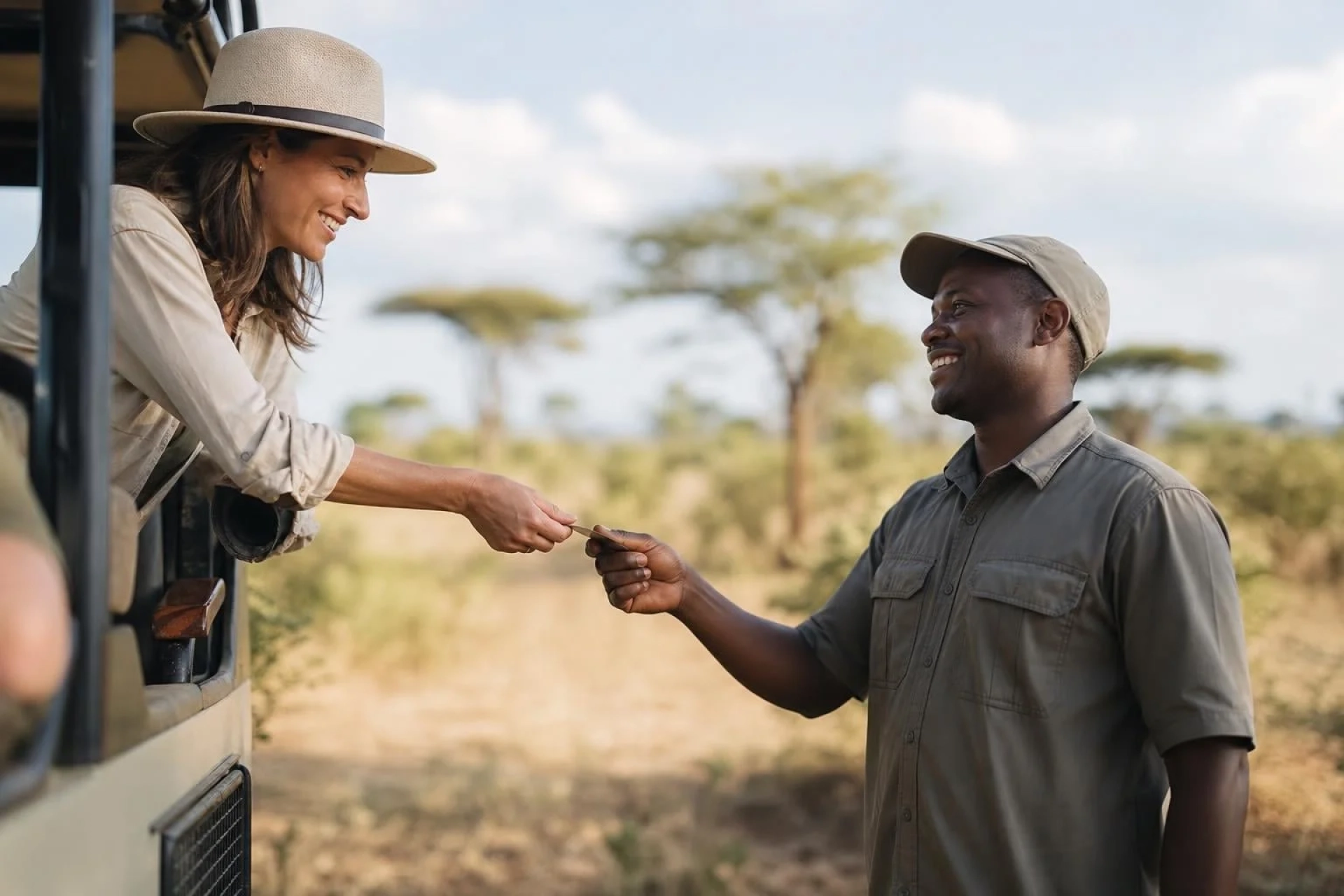
Tipping in Namibia: Complete Safari, Lodge, Self-Drive & Travel Tipping Guide
Tipping in Namibia differs subtly from tipping in many other major African safari destinations because a significant proportion…
Read article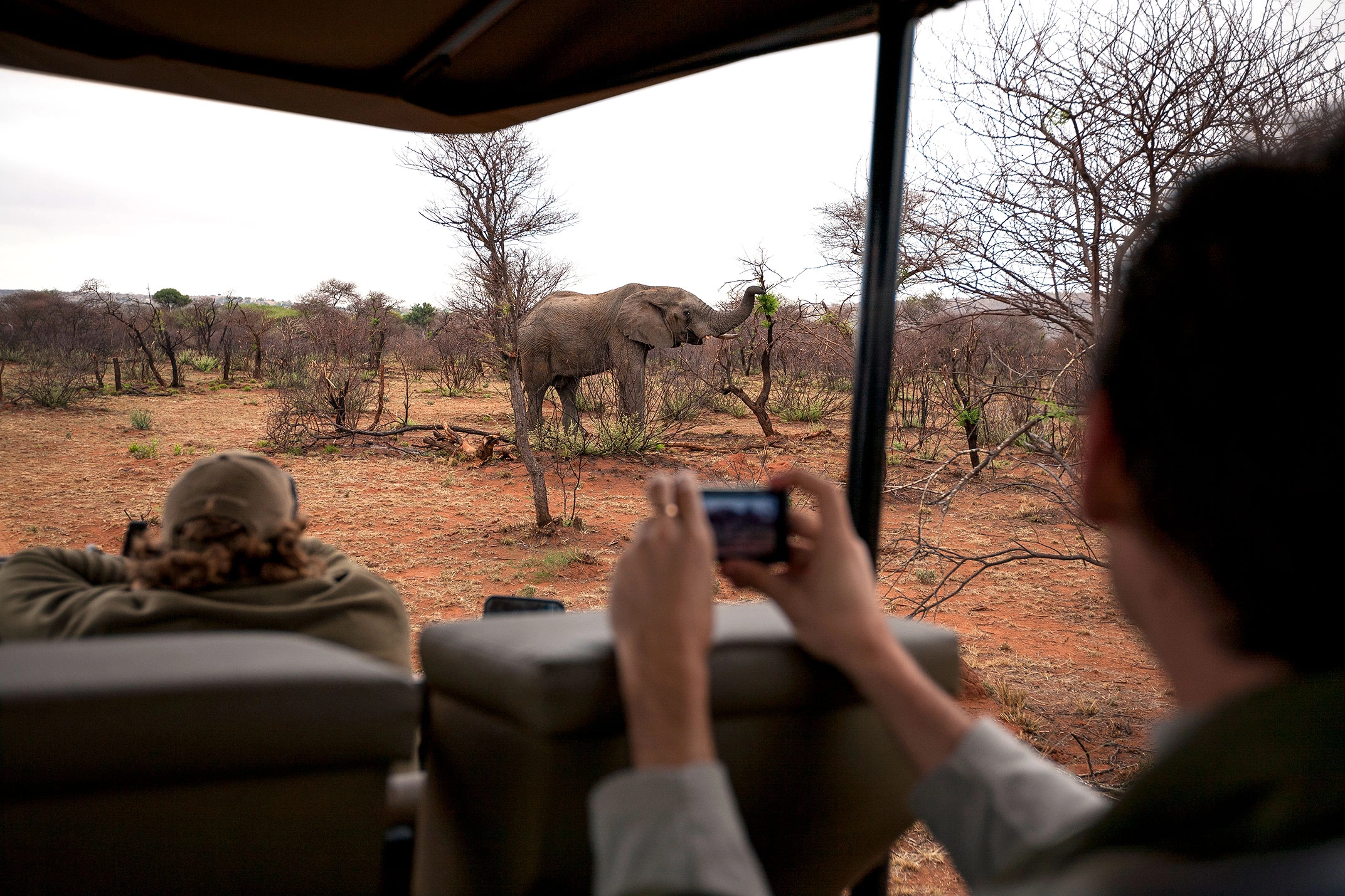
Tipping in Botswana: Complete Safari, Lodge & Travel Tipping Guide
Tipping in Botswana is relatively easy once travellers understand how the country's safari industry operates. Unlike many East…
Read article
Tipping in Tanzania: Complete Safari, Kilimanjaro & Zanzibar Tipping Guide
Understanding tipping in Tanzania requires more than knowing how much to give a safari driver. Tanzania offers an…
Read article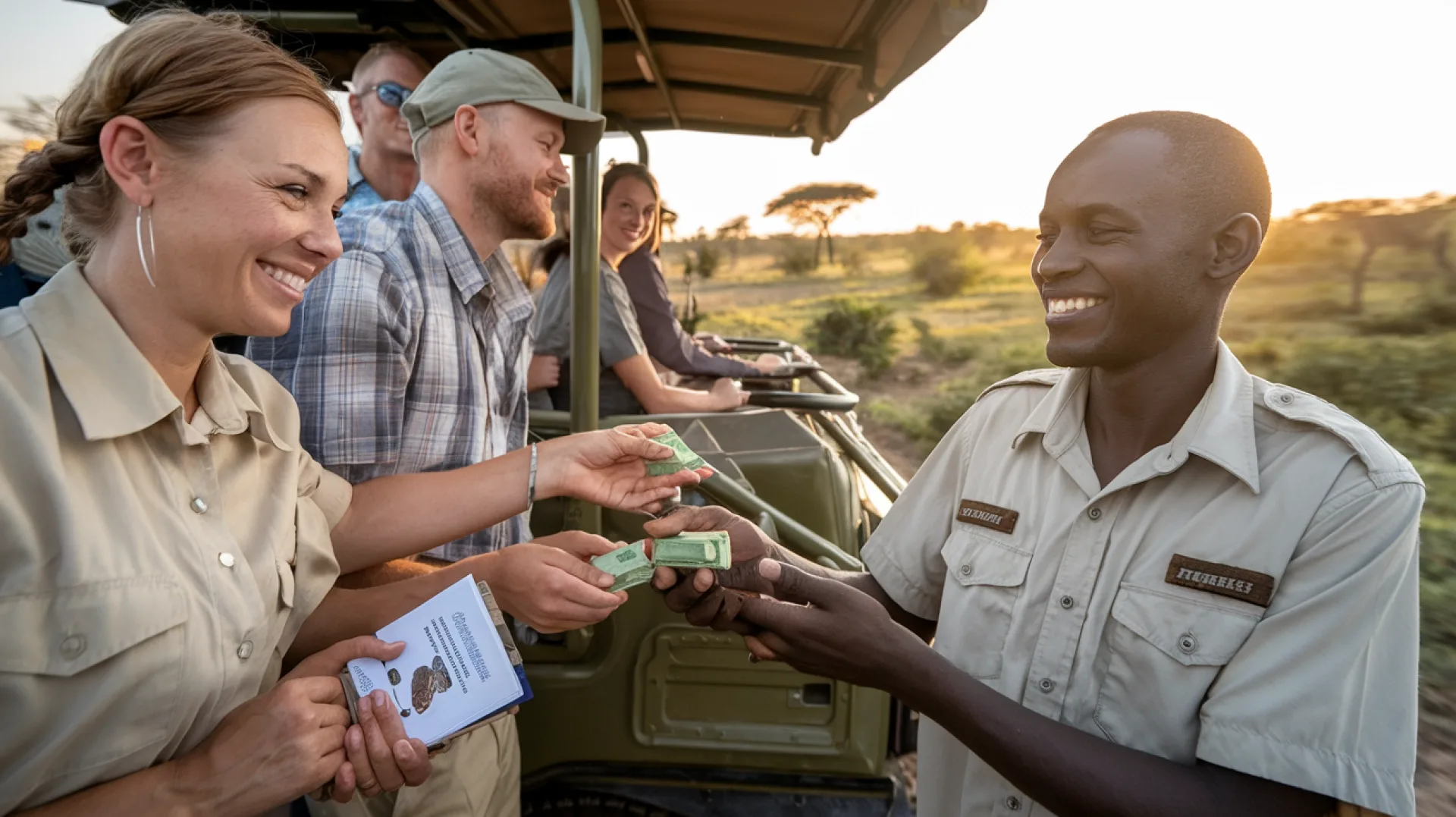
Tipping in Kenya: Complete Safari, Hotel & Travel Tipping Guide
Tipping in Kenya is relatively straightforward once you understand that there is no single percentage or daily amount…
Read article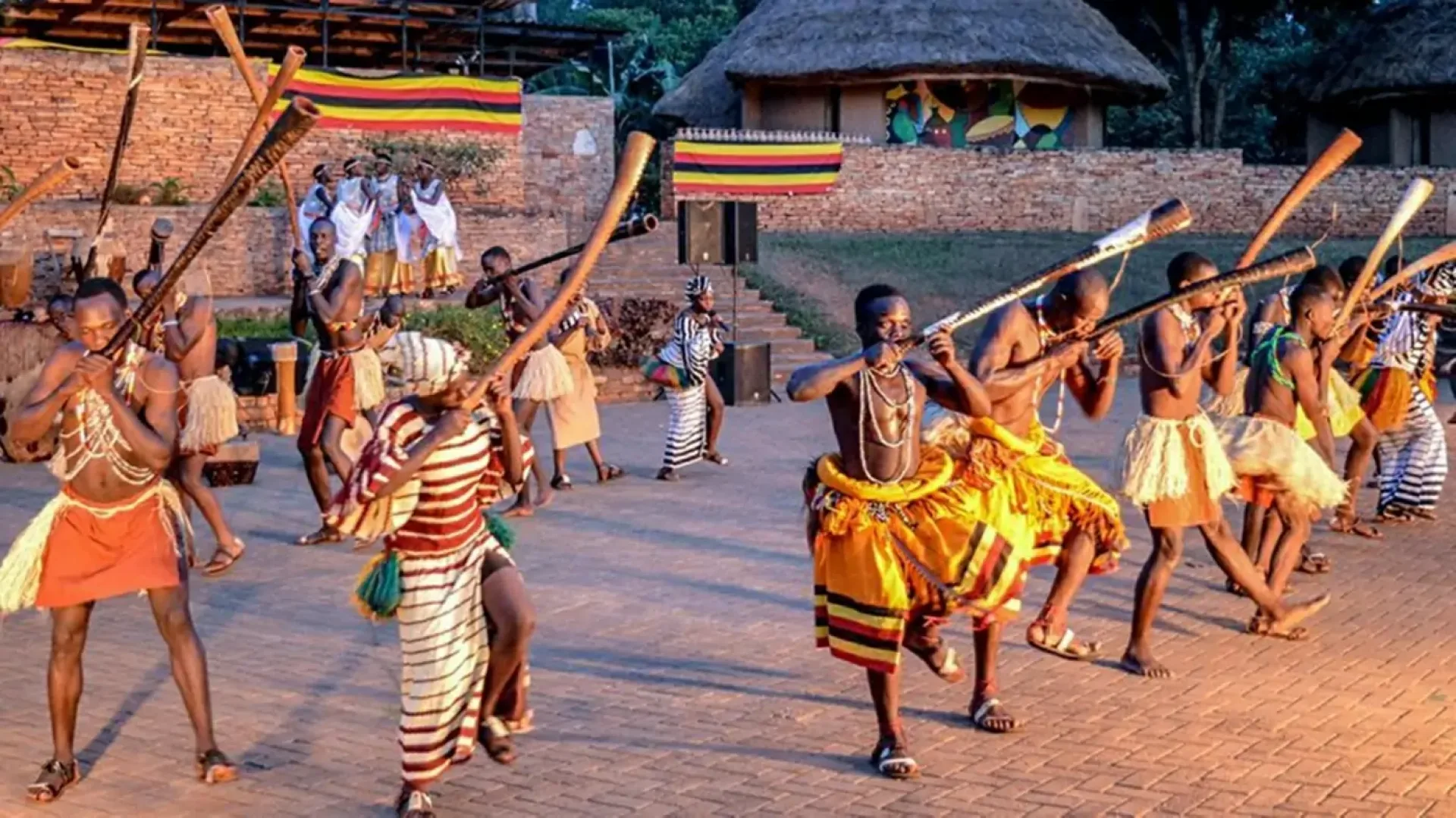
Tipping in Uganda: Essential Safari & Travel Gratuity Guide for 2026
Tipping can be surprisingly confusing when planning a Uganda safari. How much should you tip your driver-guide after…
Read article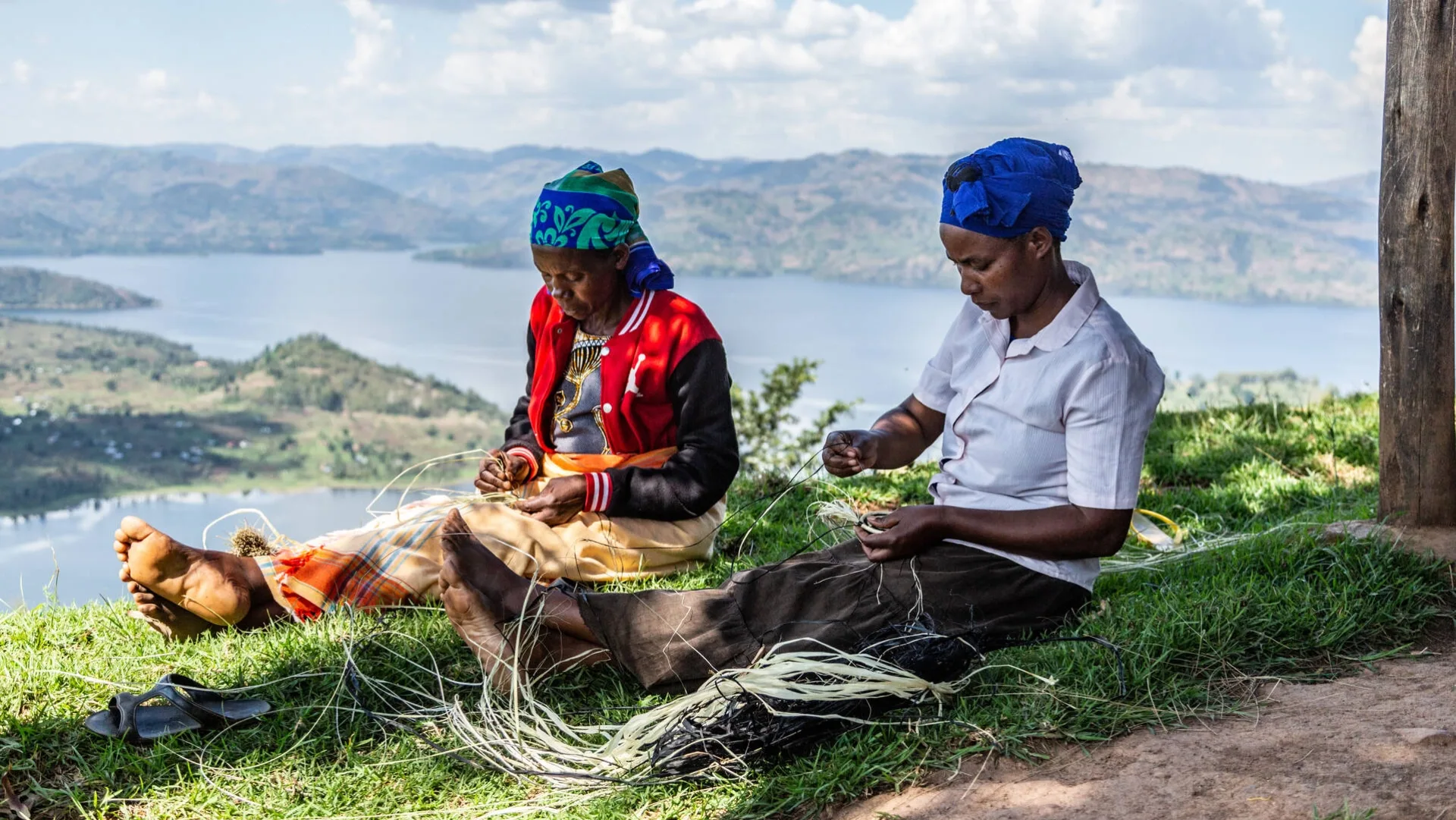
Tipping in Rwanda: Essential Safari, Gorilla & Travel Gratuity Guide for 2026
How much should you tip on a Rwanda safari? Should your gorilla trekking porter receive a tip in…
Read article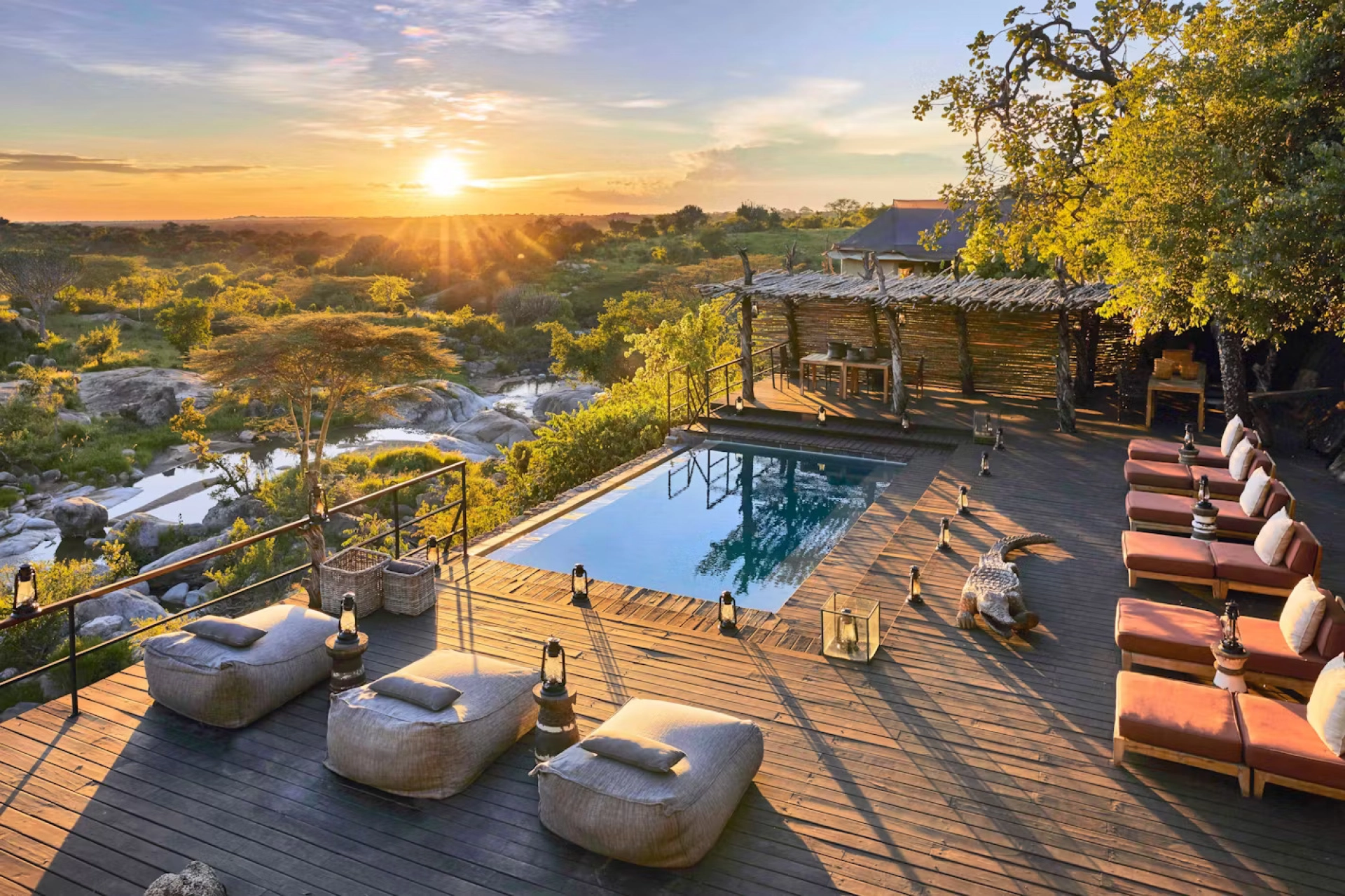
What should I look for when booking a luxury African safari?
When booking a luxury African safari, look beyond the room and compare the quality of guiding, wildlife location,…
Read article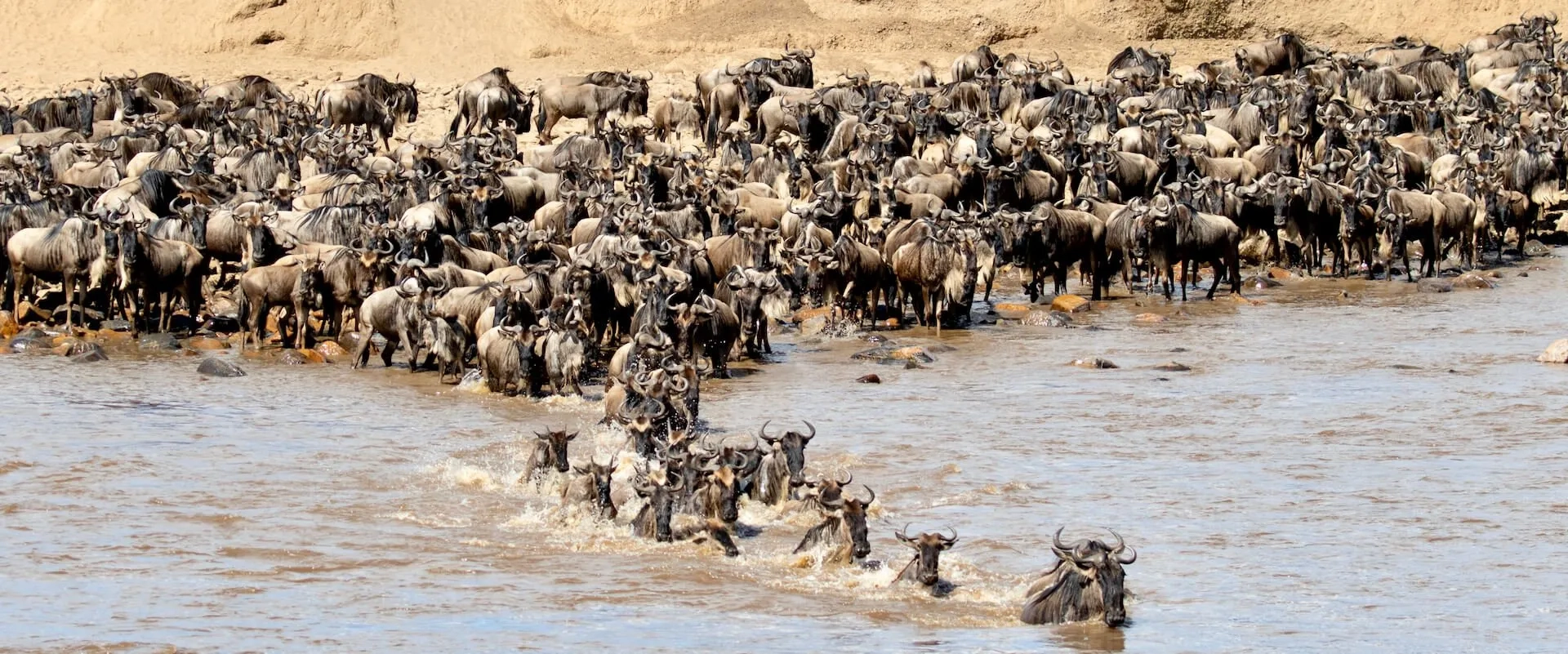
When is the Great Migration in Africa?
The Great Migration in Africa happens all year because the herds continuously circulate through the Serengeti–Mara ecosystem in…
Read article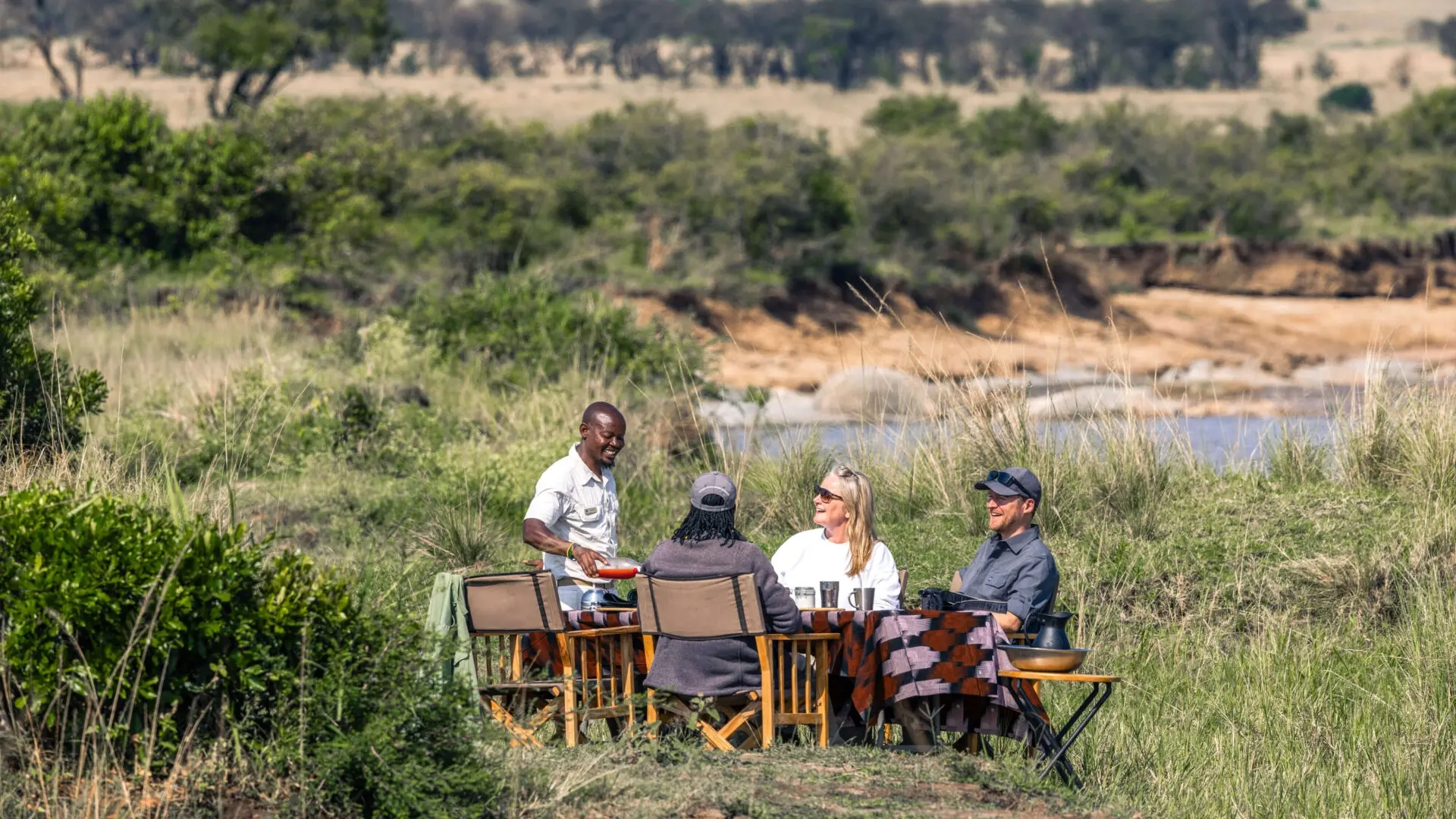
What is a picnic lunch on safari?
Definitive answer: A picnic lunch on safari is a packed or catered midday meal eaten at an approved…
Read article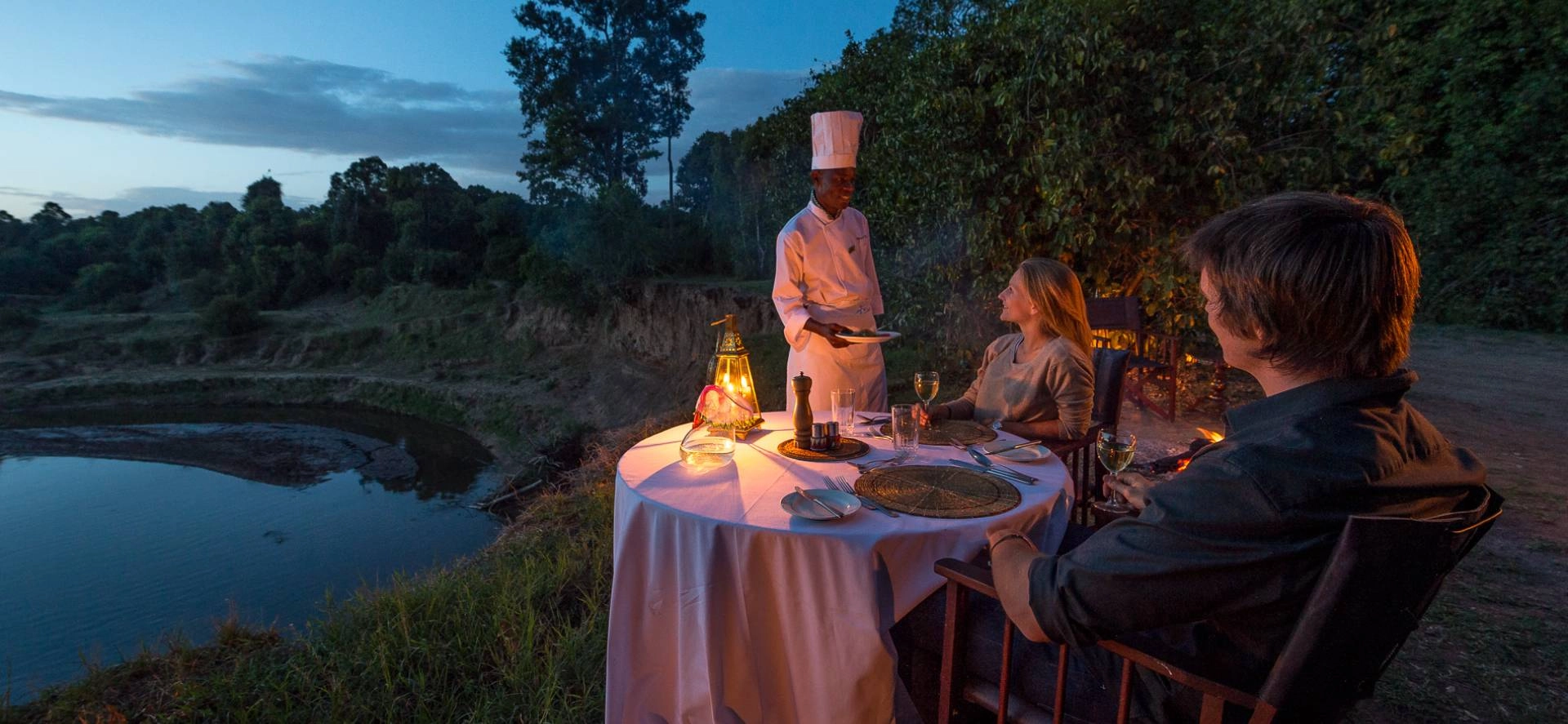
What is bush dinner on safari?
Definitive answer: A bush dinner is an outdoor evening meal arranged in a safe safari setting away from…
Read article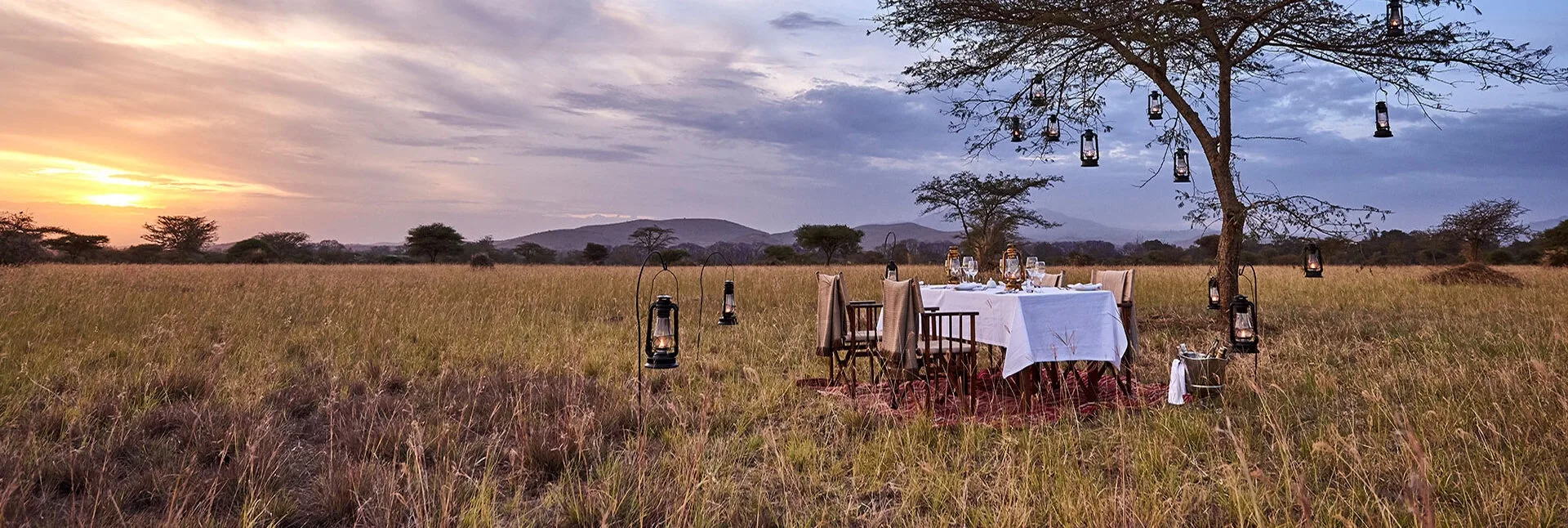
What is bush breakfast on safari?
Definitive answer: A bush breakfast is a breakfast served outdoors in a designated natural setting, often after an…
Read article
What is a safari sundowner?
Definitive answer: A safari sundowner is a late-afternoon or sunset refreshment stop arranged in a safe, permitted location…
Read article
Can I drink coffee during a morning game drive?
Definitive answer: Often yes. Many lodges provide coffee or tea before departure, in a travel mug, or at…
Read article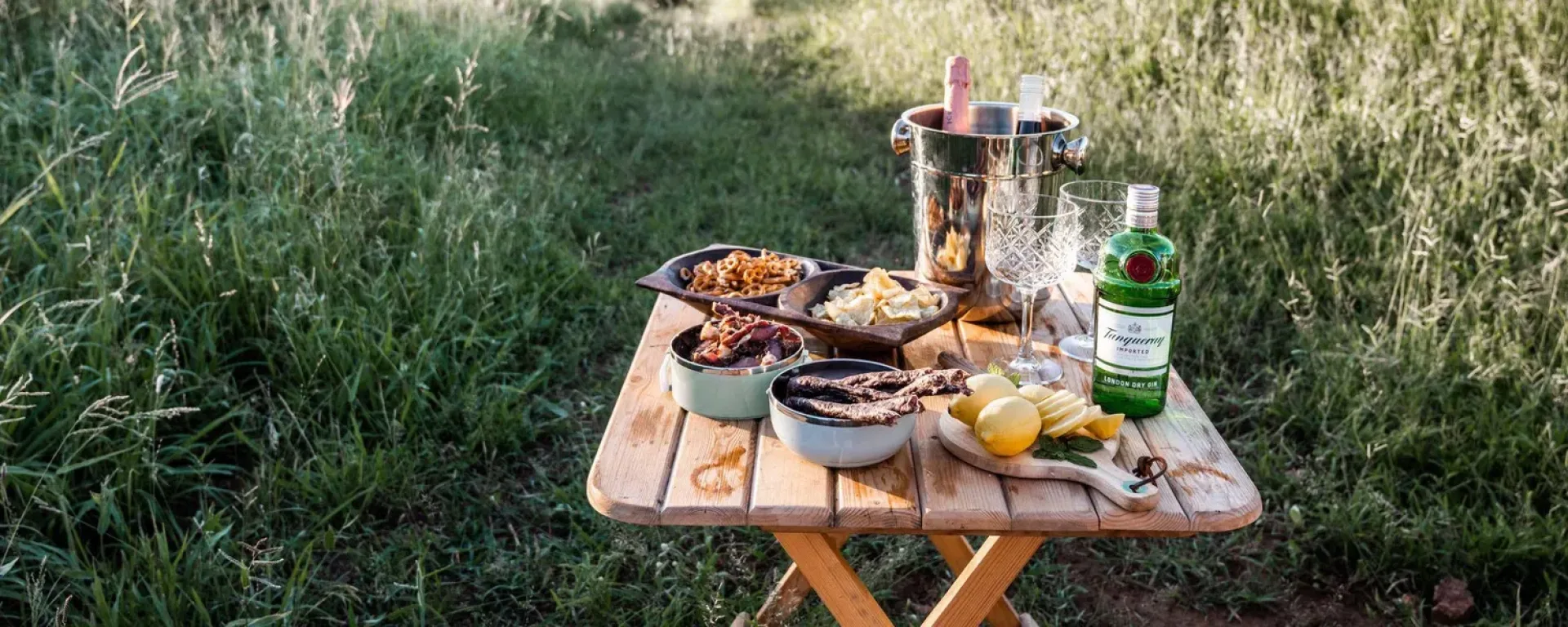
Can I bring snacks on a game drive?
Yes. On most African safaris you can bring snacks on a game drive, and many lodges already provide…
Read article
What happens if I need a bathroom during a game drive?
Definitive answer: Tell your guide as soon as you need a bathroom. Depending on the park and location,…
Read article
Are toilets available during game drives?
Definitive answer: Toilets are usually available at safari lodges, camps, park gates, visitor centers and designated rest stops,…
Read article
How much water should I drink on safari?
Definitive answer: Hydration needs vary with body size, heat, activity, altitude, diet and health, so there is no…
Read article
What SPF is best for an African safari?
Yes. Insect repellent is an important safari packing item in many African destinations because mosquitoes and other biting…
Read article
Do I need sunscreen on safari?
Definitive answer: Yes. Sun protection is important on safari because travelers can spend hours outdoors or in open…
Read article
How do I protect myself from safari dust?
Definitive answer: Protect yourself from safari dust with lightweight long clothing, sunglasses, a scarf or buff, moisturizer and…
Read article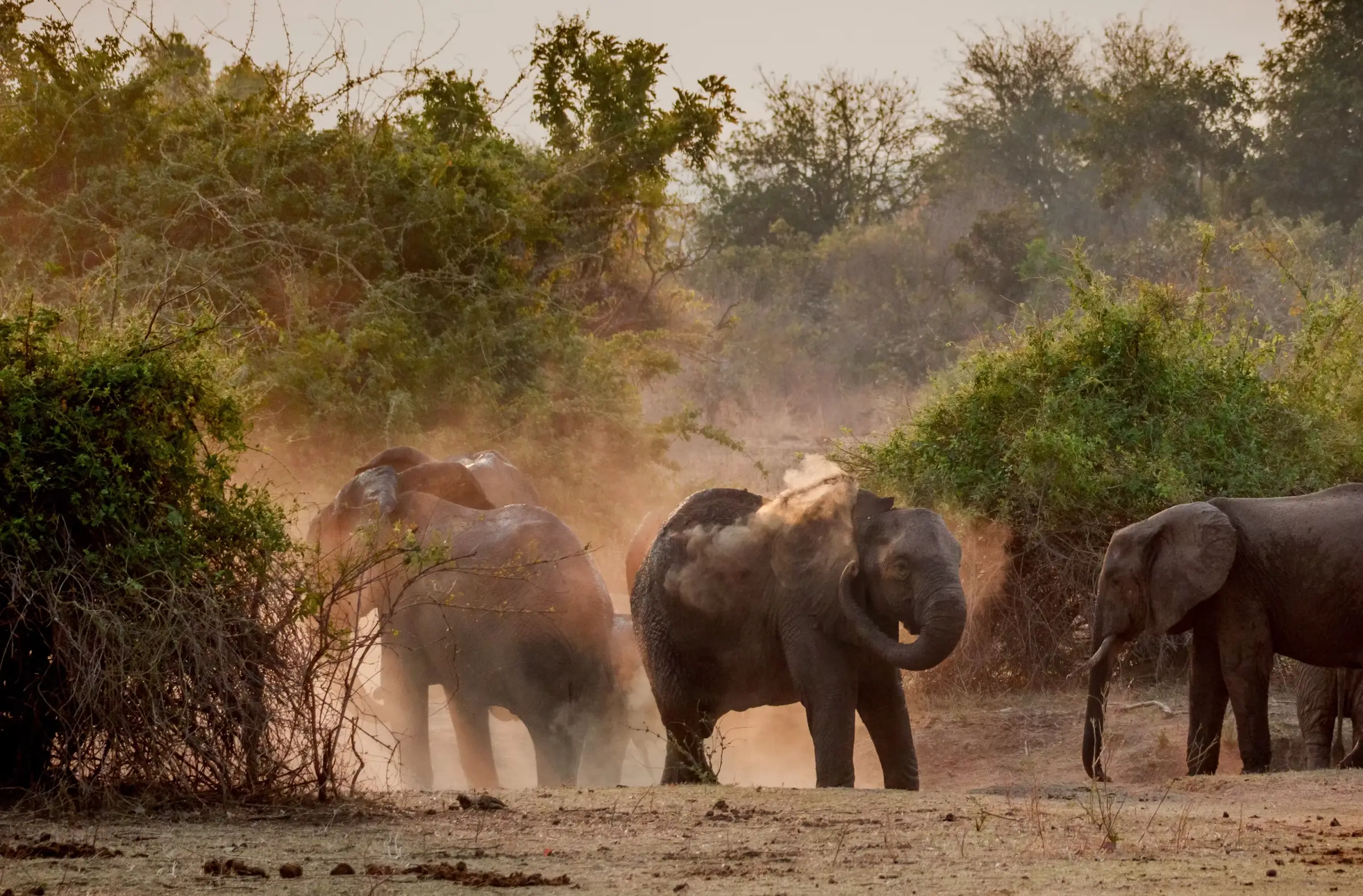
How Dusty Is an African Safari?
An African safari can be quite dusty, particularly during the dry season when game-drive roads have received little…
Read article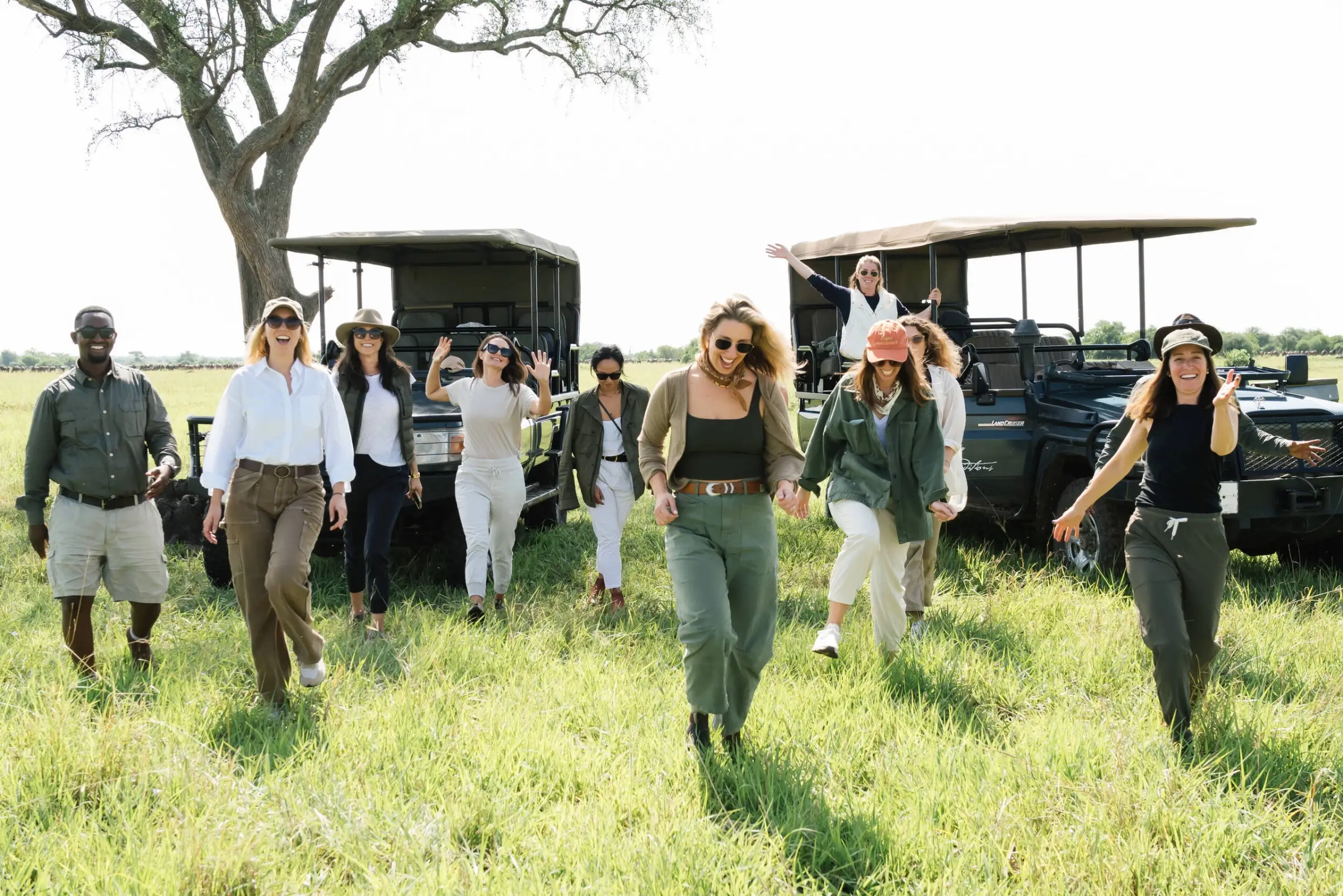
Does It Get Cold at Night on Safari?
Yes, it can get surprisingly cold at night on an African safari. Although Africa is often associated with…
Read article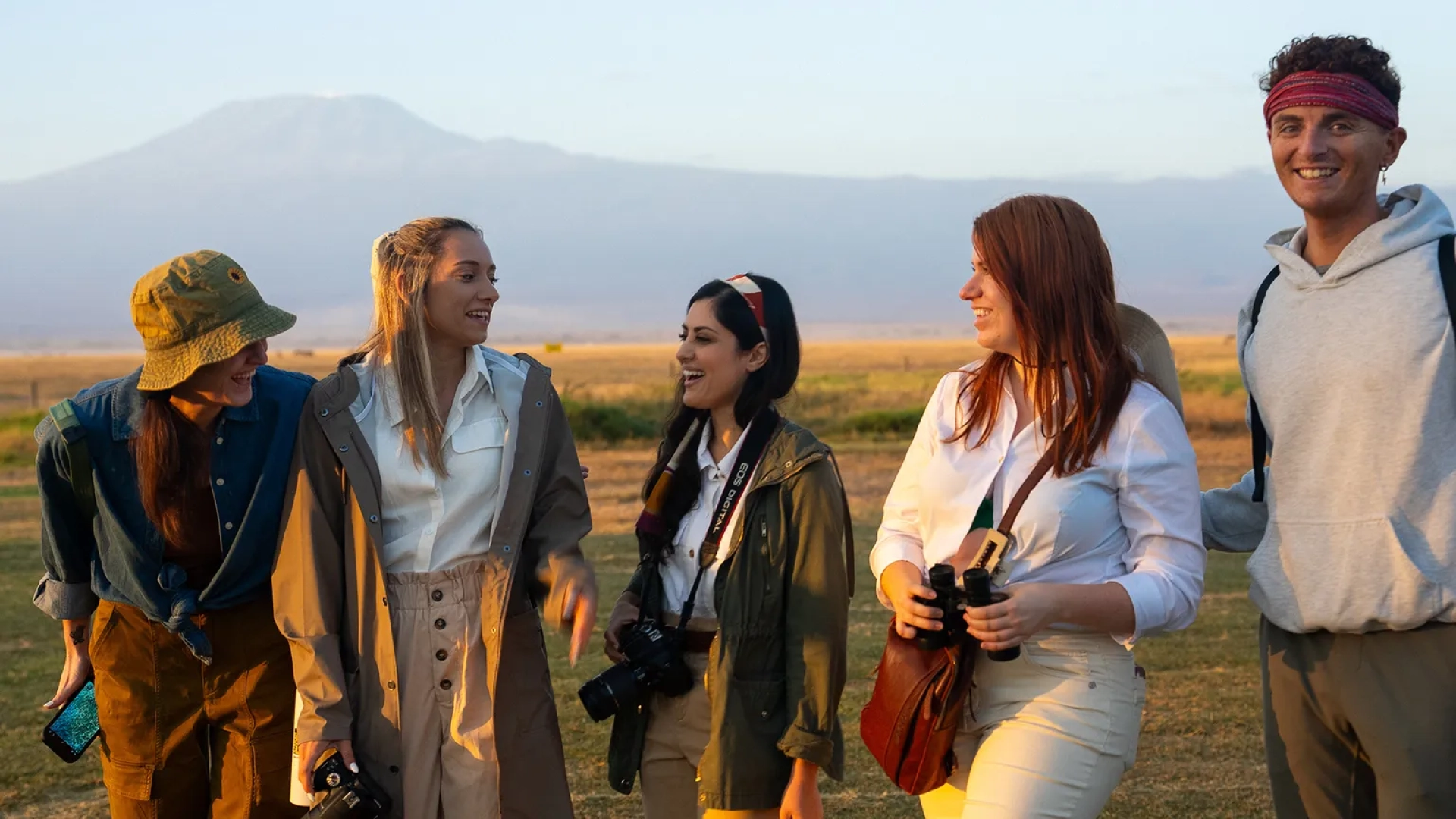
Do I need warm clothes for safari?
Definitive answer: Yes, warm layers are useful on many African safaris. Early-morning and evening game drives can feel…
Read article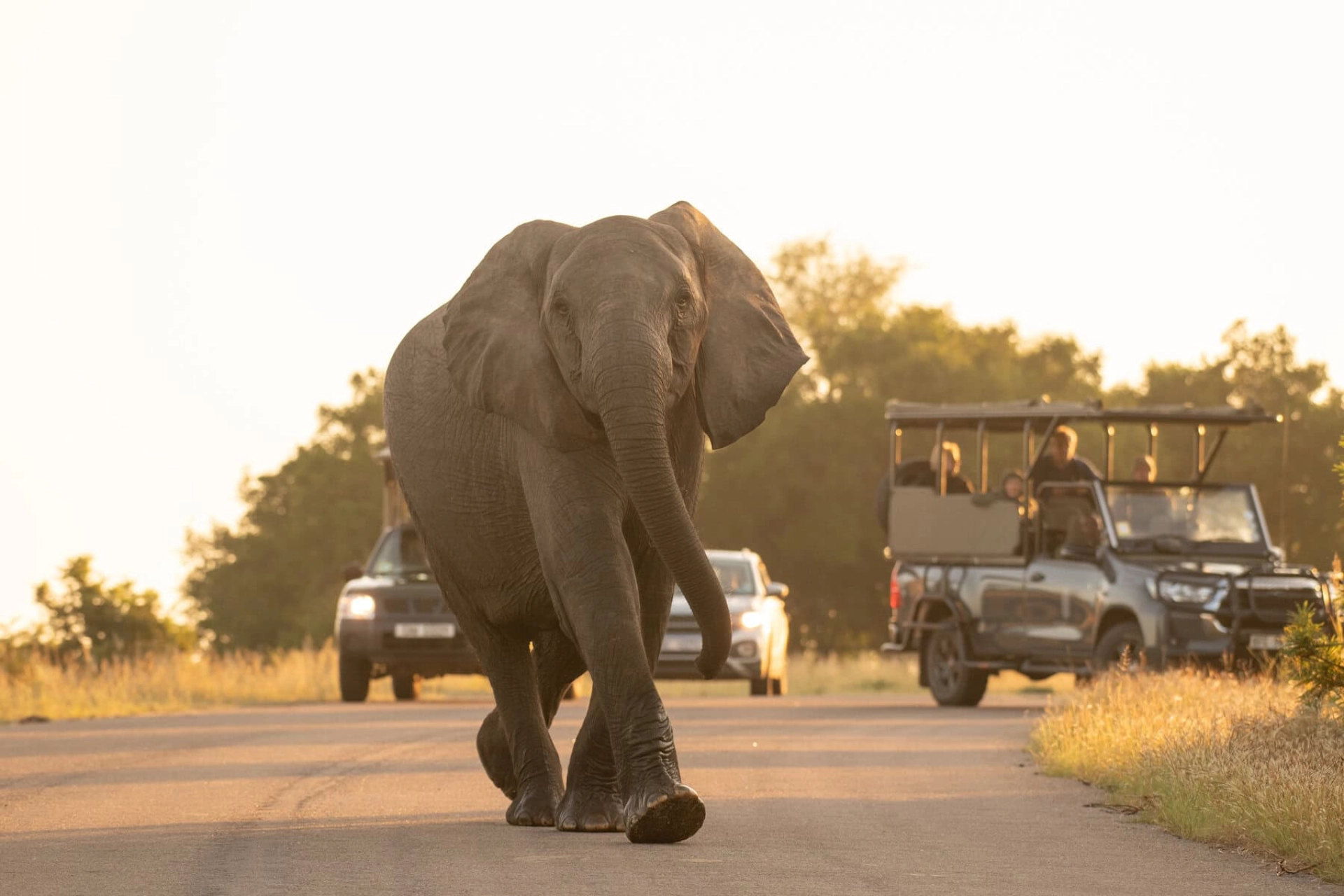
How Cold Are African Safari Mornings?
African safari mornings can range from pleasantly cool to genuinely cold depending on the destination, altitude and season.…
Read article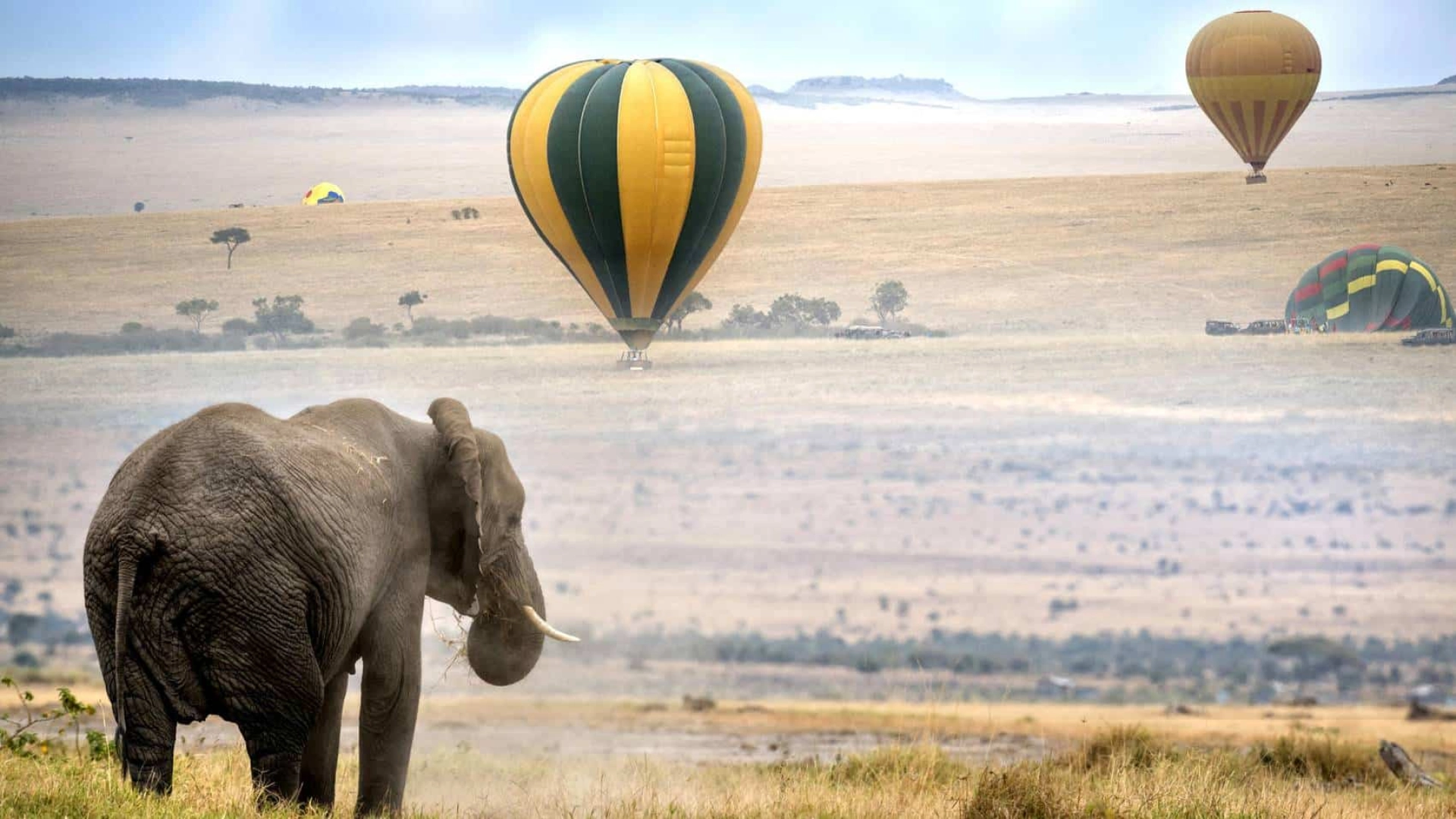
How Hot Does It Get on an African Safari?
An African safari can range from pleasantly warm to extremely hot, depending on the country, altitude, ecosystem and…
Read article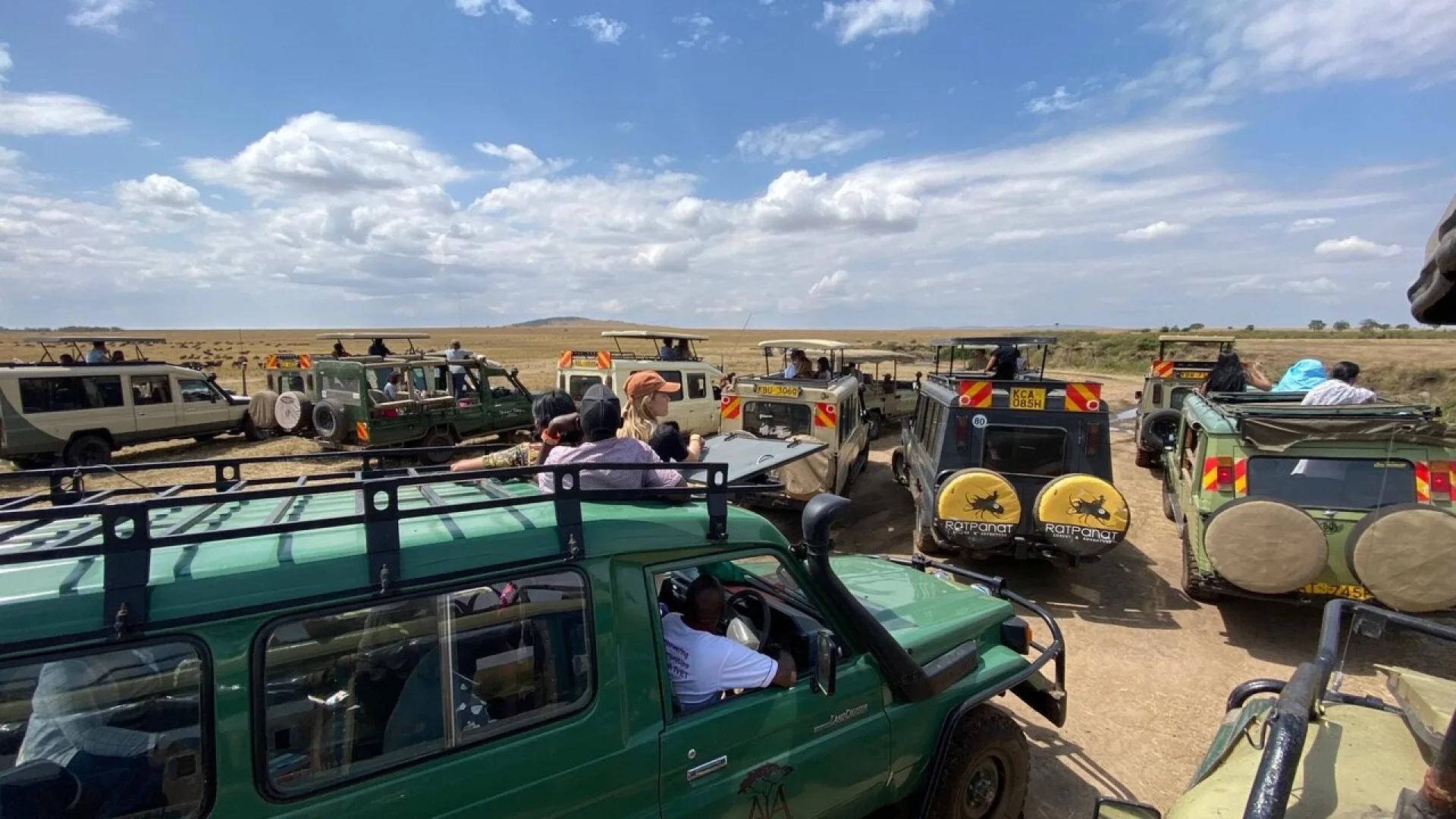
Is safari crowded during school holidays?
School holidays can work very well for family safaris when the itinerary is designed around children’s ages, transfer…
Read article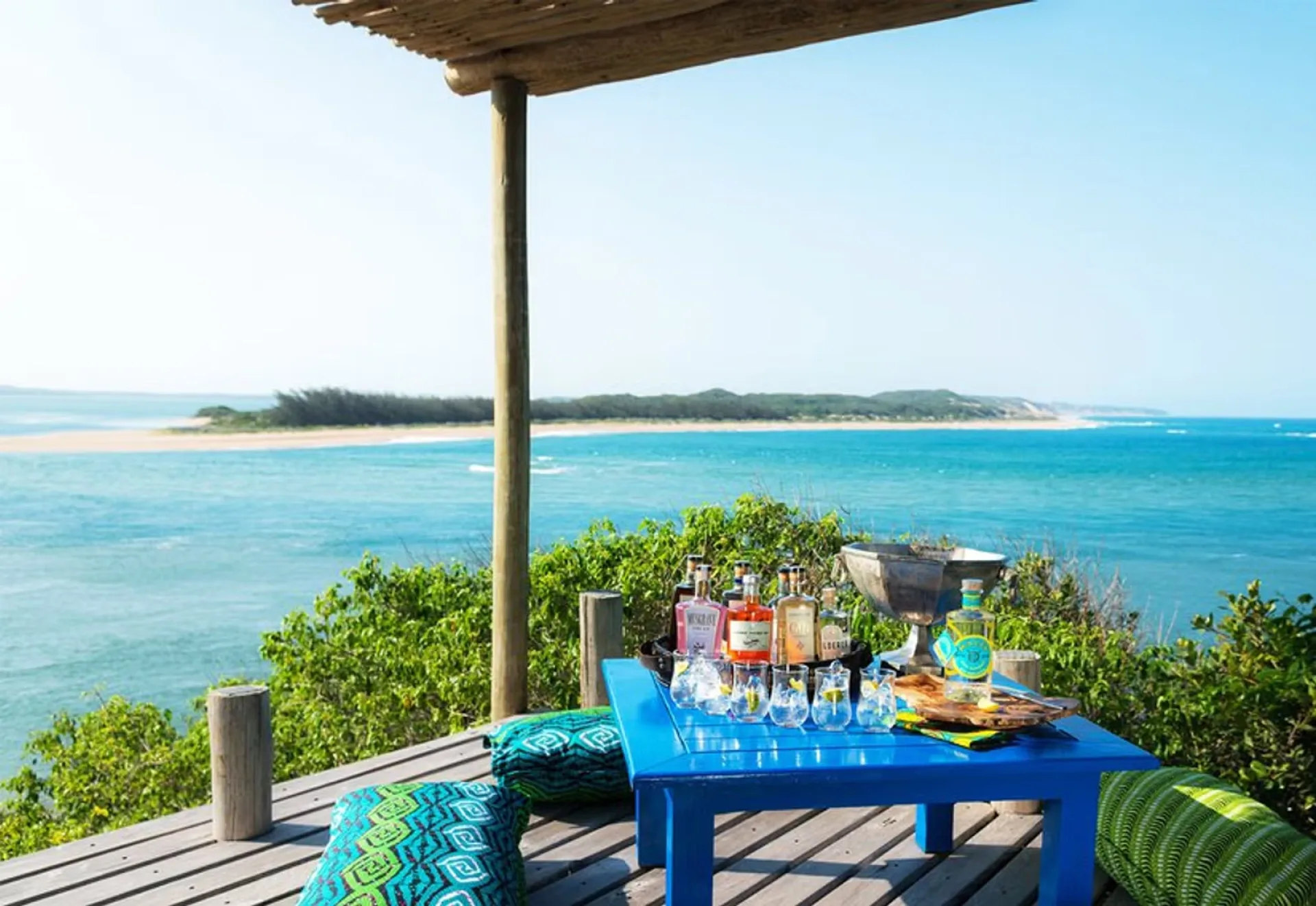
What is safari like during Easter?
Yes. Easter can be an excellent time for an African safari, but conditions vary by destination and year.…
Read article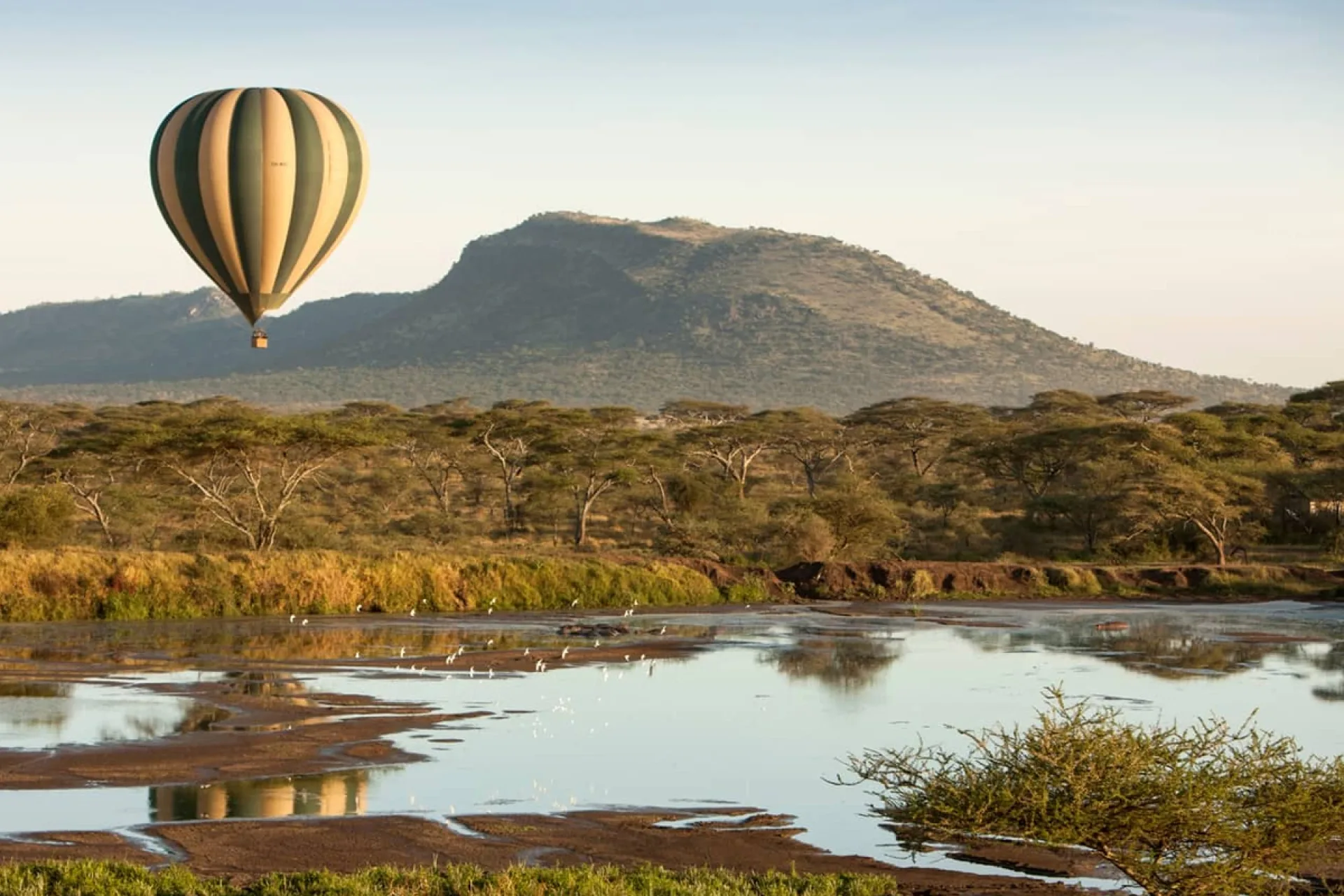
Can I celebrate New Year on safari?
Yes. New Year can be celebrated on safari, but festive-season availability is often tight, so book early and…
Read articleBostwana travel Guide
Botswana Quick Links
Discovering Botswana
The geography of Botswana
Botswana is a captivating landlocked country situated in Southern Africa. Spanning around 581,730 km² (361,470 mi²), it ranks as the 48th largest country globally. The nation is nestled between South Africa to the south and southeast, Namibia to the west and north, Zimbabwe to the northeast, and Zambia to the north. The country’s terrain is predominantly level, featuring expansive stretches of grassy plains and savannah that beckon exploration.
The Kalahari Desert stands out as a significant aspect of Botswana’s landscape. Spanning roughly 70% of the nation’s landscape, it stands as one of the most expansive uninterrupted sand formations globally. The Kalahari is an intriguing landscape, as it experiences more rainfall than what one might expect from a typical desert. Nonetheless, the rainfall varies significantly across the year, leading to extended stretches of dry spells. The desert teems with life, showcasing a variety of animals like meerkats, antelopes, and lions, alongside vibrant indigenous tribes that call this vast landscape home.
The Okavango Delta stands out as a remarkable geographic feature of Botswana. It is an expansive inland delta that spans more than 15,000 Km² (9320 mi²) and is situated in the northwestern region of the country. The delta emerges from the Okavango River, which journeys from Angola, unfurling its waters before ultimately disappearing into the vastness of the Kalahari Desert. The delta is an extraordinary ecosystem teeming with a diverse range of wildlife, featuring elephants, hippos, crocodiles, and numerous bird species. This UNESCO World Heritage Site draws in safari enthusiasts from across the globe, eager to immerse themselves in the breathtaking wilderness and its rich array of wildlife.
Botswana boasts a variety of remarkable landforms, such as the Makgadikgadi Pans, which are salt flats that were once part of a sprawling lake. The Chobe River winds its way through the northern region of the country, creating a natural boundary with Namibia. The country boasts numerous hills and rugged formations, including the Tsodilo Hills, a UNESCO World Heritage Site that houses some of the most significant rock art in southern Africa.
Botswana’s geography is a captivating tapestry, featuring a blend of flat grassy plains, a desert, a delta, and other remarkable landforms. The expansive and diverse terrain is inhabited by an array of wildlife and fosters a thriving tourism sector. It stands out as an incredible destination for thrilling water-based safaris.
The history and economy of Botswana
Botswana boasts a fascinating and intricate history that has greatly influenced its present-day economy.
The earliest human settlements in Botswana trace back to the Stone Age, with the region being home to various indigenous tribes throughout the centuries. In the 19th century, the British arrived and took control of the territory, establishing a protectorate in 1885. In the years that followed, Botswana joined the British Empire and was referred to as the Bechuanaland Protectorate. Even so, the age-old tribal frameworks persisted, with the local chiefs continuing to hold the reins of leadership in the country.
In the 1960s, Botswana embarked on an exciting journey towards independence, culminating in 1966 when it proudly emerged as the Republic of Botswana. Sir Seretse Khama, the inaugural president of Botswana, was instrumental in shaping the nation’s democratic framework and fostering its economic growth. Under his leadership, Botswana embarked on an exciting journey of economic diversification, emphasizing the growth of mining, agriculture, and tourism. This approach has shown great success, and Botswana has emerged as one of the most prosperous nations in Africa.
Today, Botswana’s economy thrives on the vibrant mining industry. The nation stands as the globe’s foremost producer of diamonds, contributing to approximately two-thirds of Botswana’s export revenues. Additional exports feature copper, nickel, soda ash, coal, beef, and textiles. Alongside its mining sector, Botswana has cultivated a vibrant tourism scene, drawing adventurers from across the globe to explore its stunning national parks and game reserves. The production of beef and other livestock plays a significant role in the economy.
Even with its achievements, Botswana encounters considerable obstacles, such as a high prevalence of HIV/AIDS, income disparity, and environmental decline. The government has rolled out exciting new policies to tackle these challenges, featuring complimentary HIV testing and treatment, along with initiatives that encourage sustainable agriculture and conservation efforts.
Botswana often stands out as one of the most secure places to explore in Africa. With its robust economy and steady political landscape, Botswana is set to flourish in the future.
10 Exciting Insights About Botswana
Botswana stands out as the leading producer of diamonds globally, renowned for its exceptional value.
The Okavango Delta in Botswana is the largest inland delta on the planet, teeming with a rich variety of wildlife.
Botswana is home to an incredible number of African elephants, boasting the second-largest population in the world.
Botswana is home to the “talking drum,” an incredible instrument that communicates messages over vast distances.
The zebra proudly represents Botswana as its national animal.
The currency of Botswana, known as the pula, derives its name from the Setswana term for “rain.”
Botswana boasts some of the planet’s most ancient baobab trees, with a history stretching back over 1,500 years.
Botswana stands out as a remarkable country in Africa, boasting a stable democracy and a history free from civil wars or coups.
Botswana faces a significant challenge with HIV/AIDS, as around one in four adults are affected by the virus.
Botswana stands out as the leading exporter of beef on a per capita basis across the globe.